10 Native Trees to Plant in Central North Carolina
Our Treecologists' favorite trees that thrive in planting zones 7b/8a
Now that you have found the perfect location for your tree, here is a list of our Treecologists’ favorite native trees.
NOTE: The trees and shrubs recommended below are specifically for zones 7b and 8a in North Carolina.
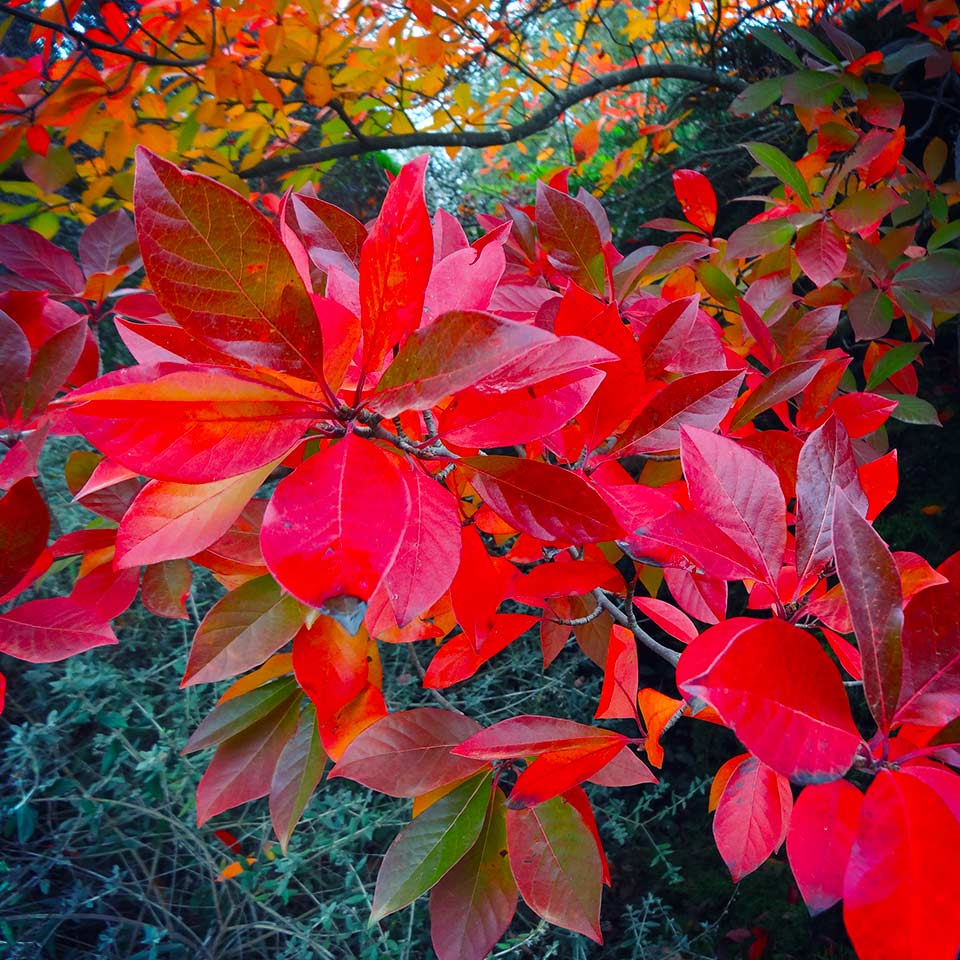
Black Gum
These large shade trees are valuable because they produce fruit that is a food source for many types of birds including Robins, Cedar Waxwings, Woodpeckers, and Bluebirds. In the fall, they have striking red foliage.
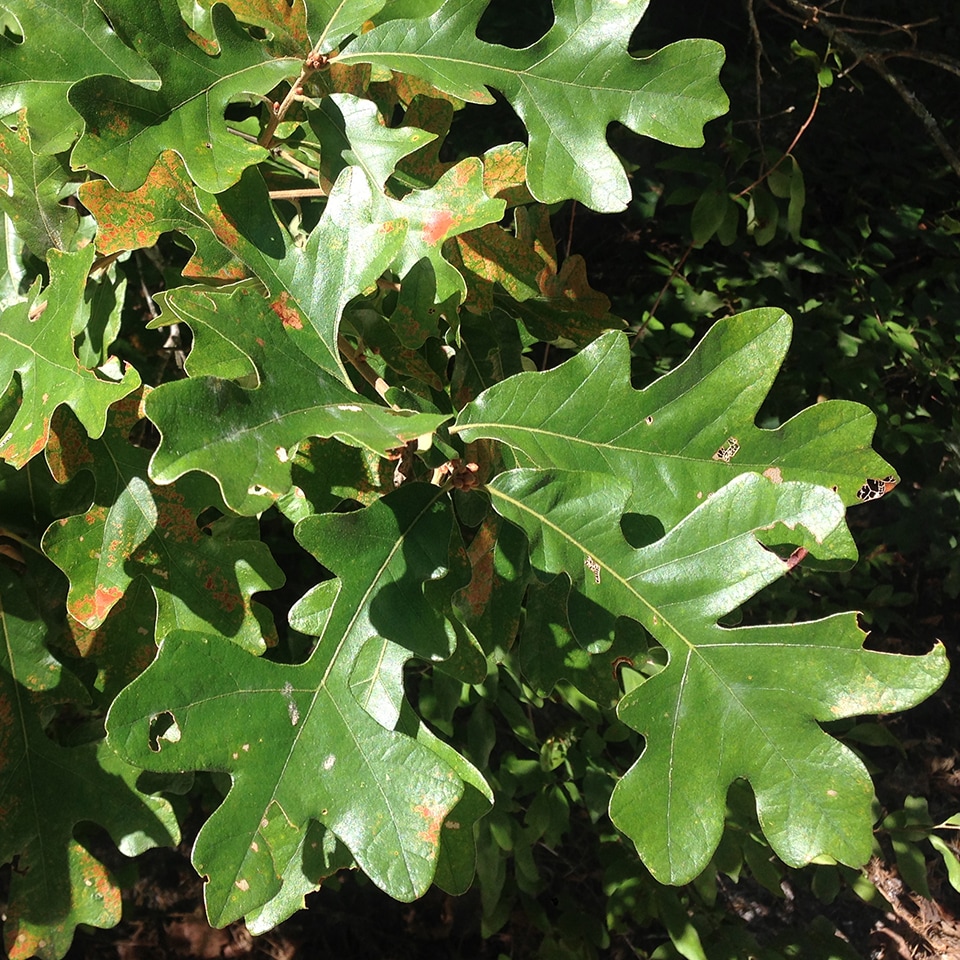
Post Oak
These awe-inspiring oaks not only provide shade but also shelter and food for local wildlife. These trees host over 550 species of caterpillars that are food for native birds. They are also slow growing and can live for 300-400 years.
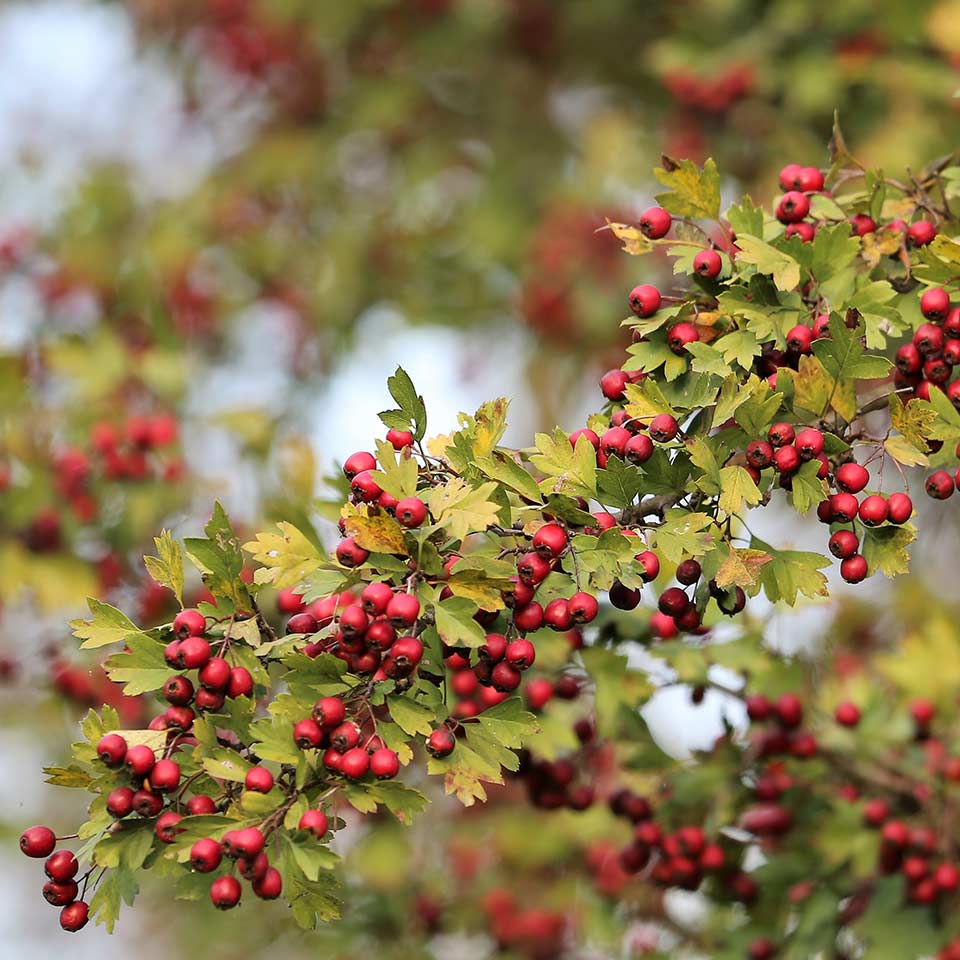
Green Hawthorn
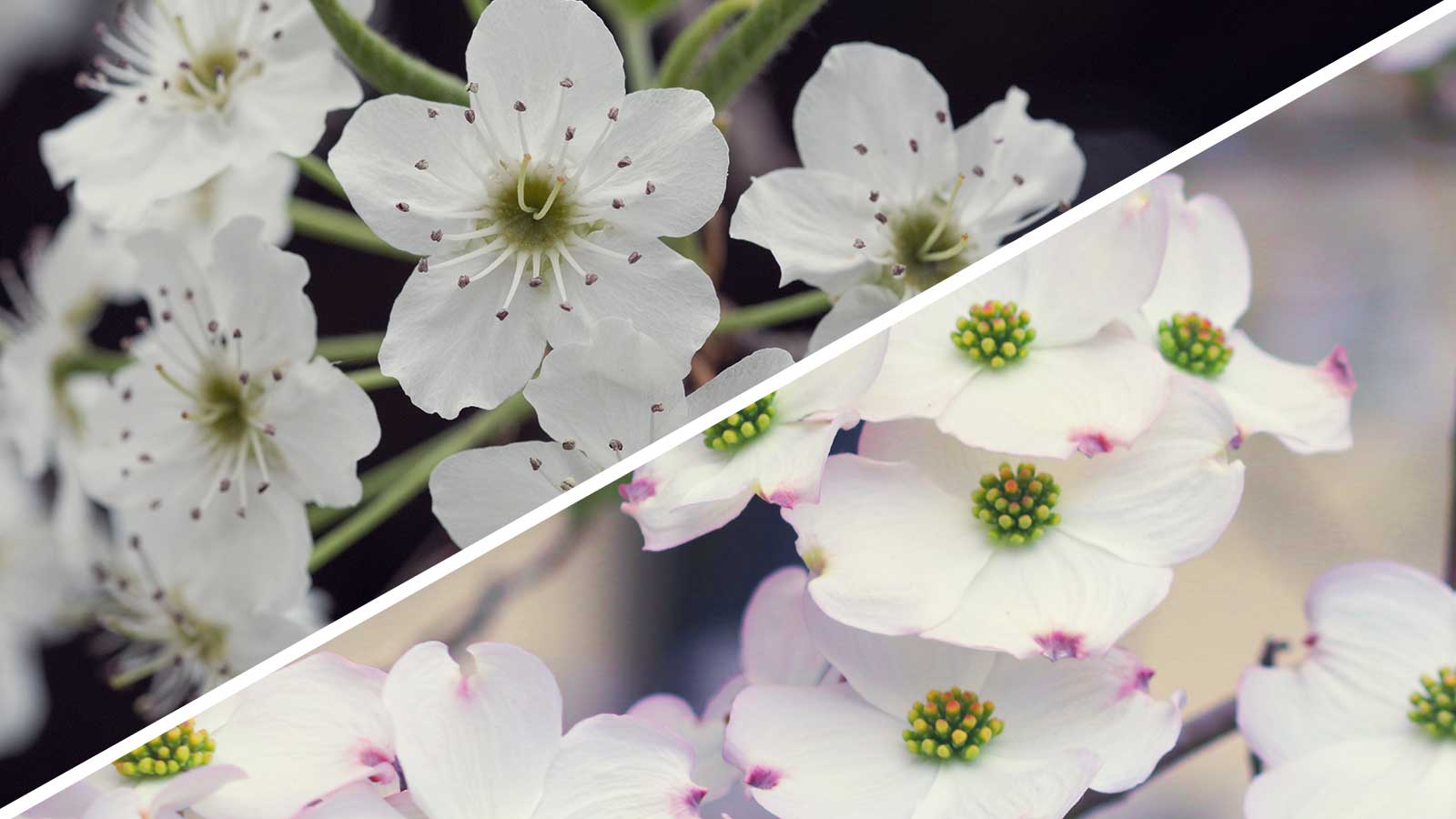
Hawthorns are mid-sized ornamental understory trees with showy white flowers in the spring and red berries throughout the fall and winter. These trees are very valuable to our local ecosystem: Their spring blooms are favorites of pollinators, and their winter berries attract a wide variety of wildlife.
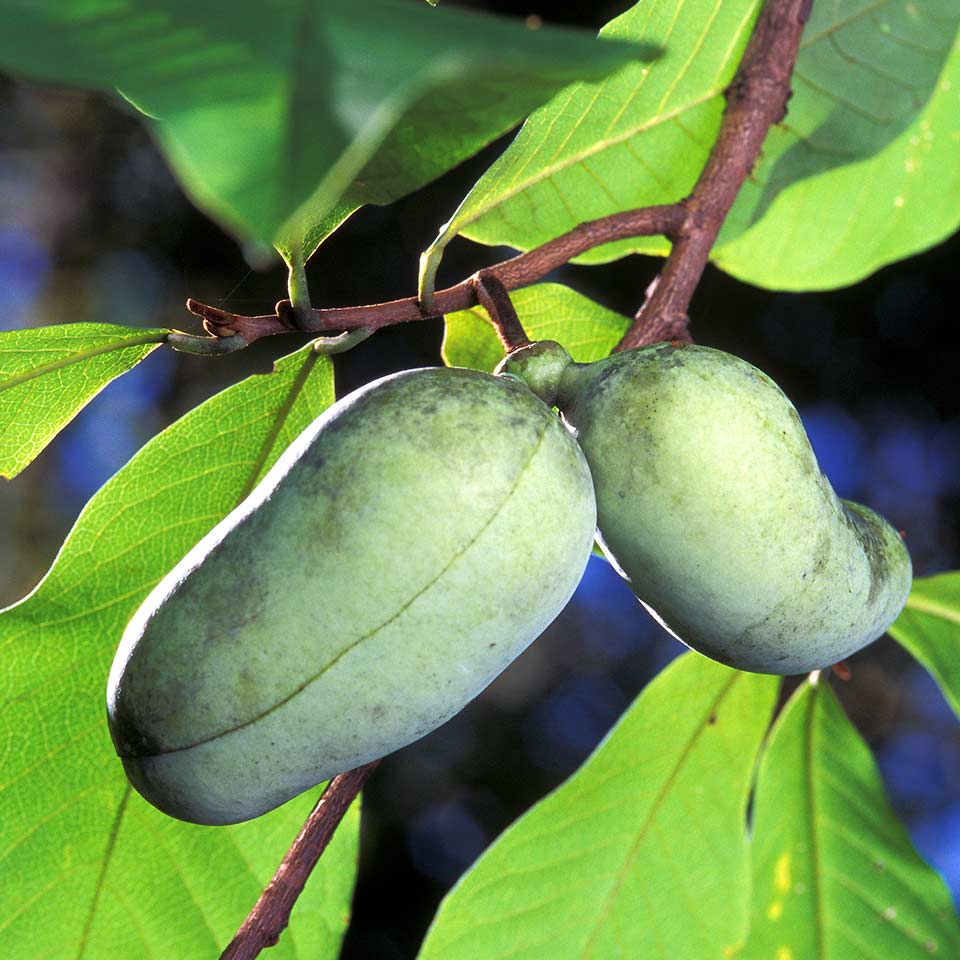
Pawpaw
This native understory tree produces unique fruits that taste like a cross between a mango and a passionfruit. Newly planted Pawpaw trees take 5-8 years to produce fruit. But they also offer other benefits as they mature, including being hosts to Swallowtail Butterfly larva.
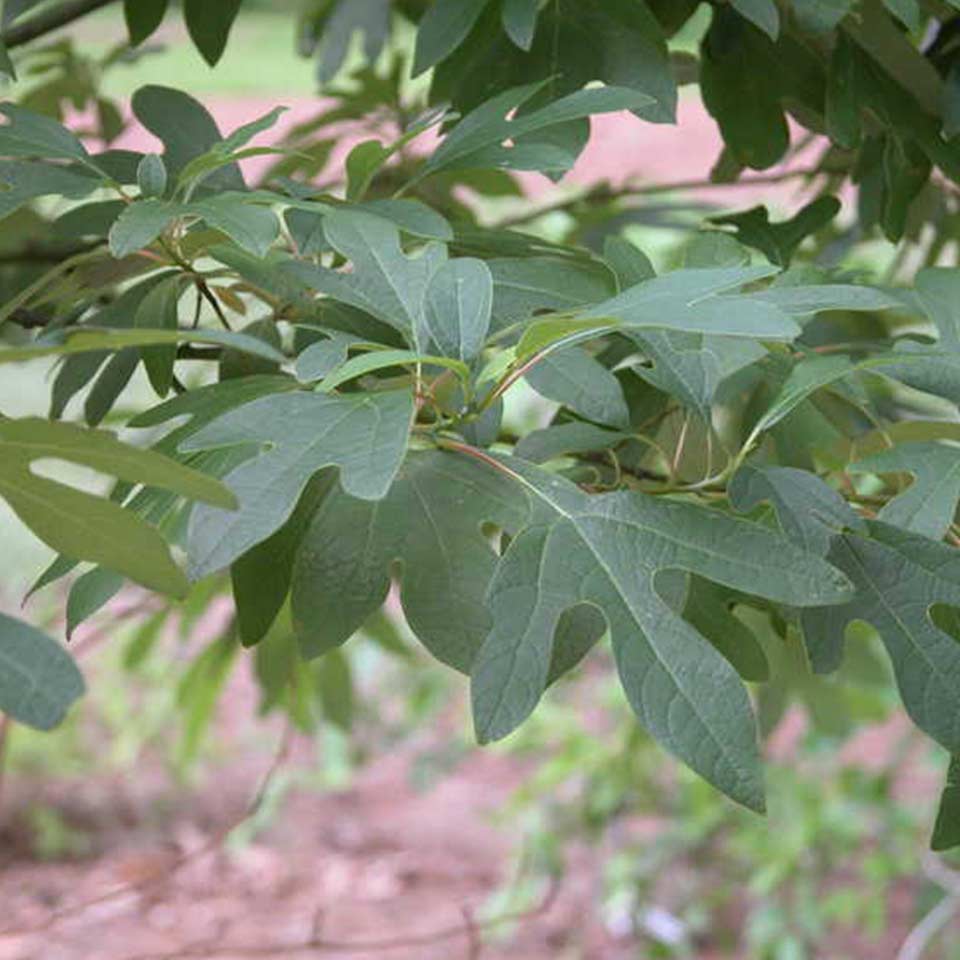
Sassafras
The roots of this tree were once used to make root beer. The unique mitten-shaped leaves have a brilliant fall color.
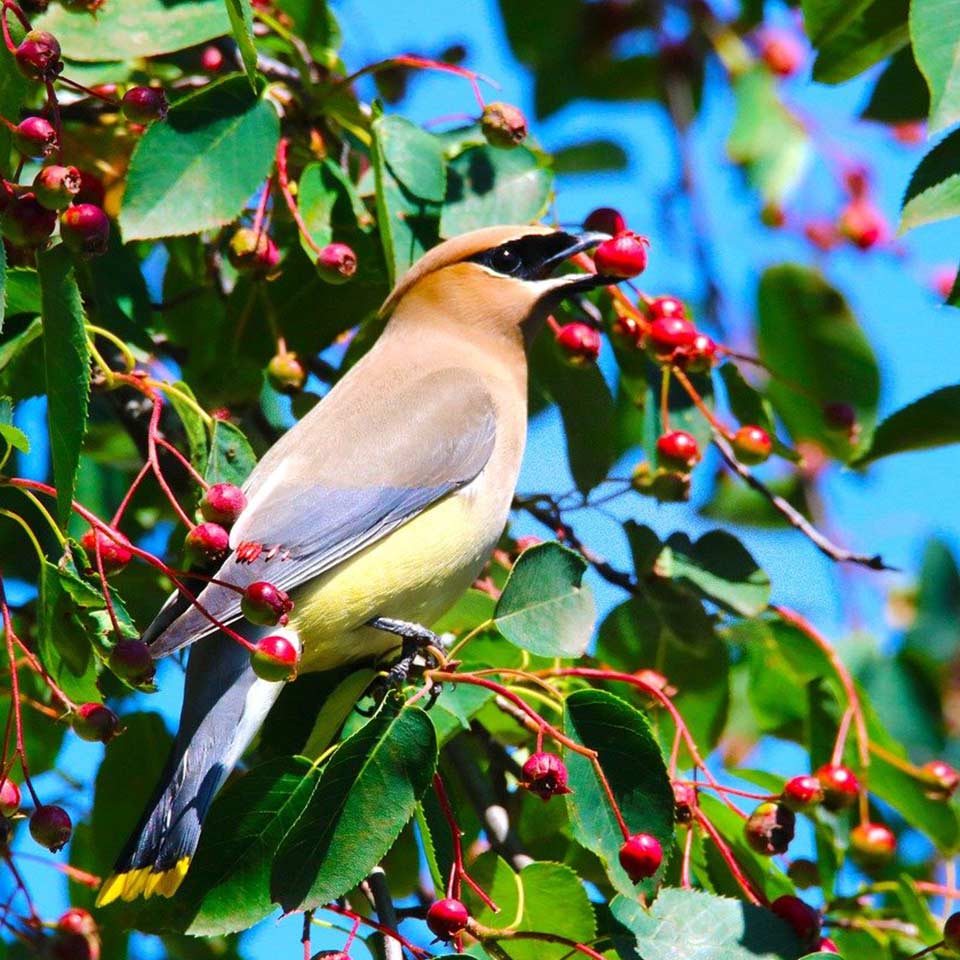
Serviceberry
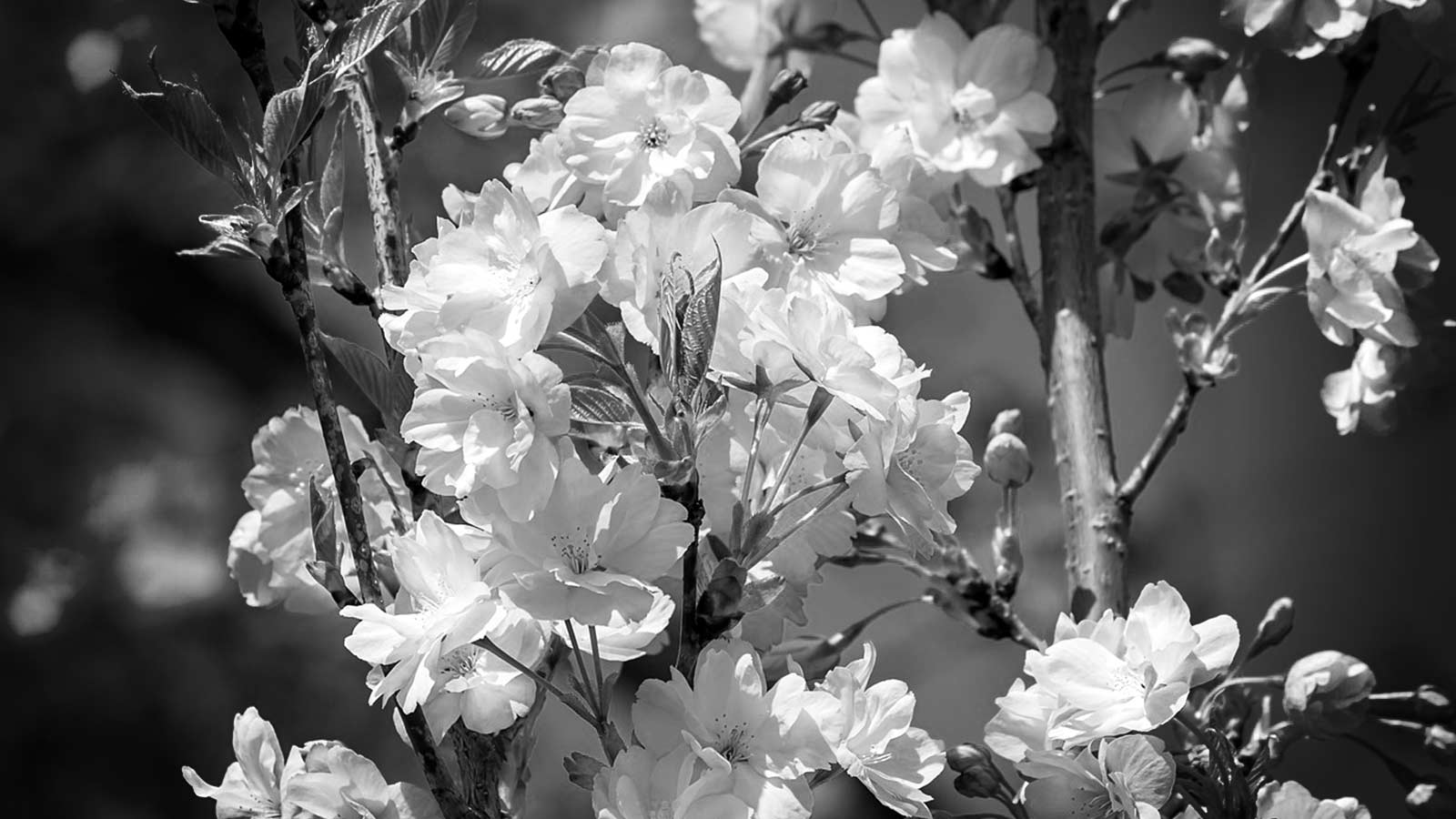
This small tree has white flowers in the spring and burgundy blueberry-like fruits in the summer. The fruits are edible but also a favorite snack for native wildlife.
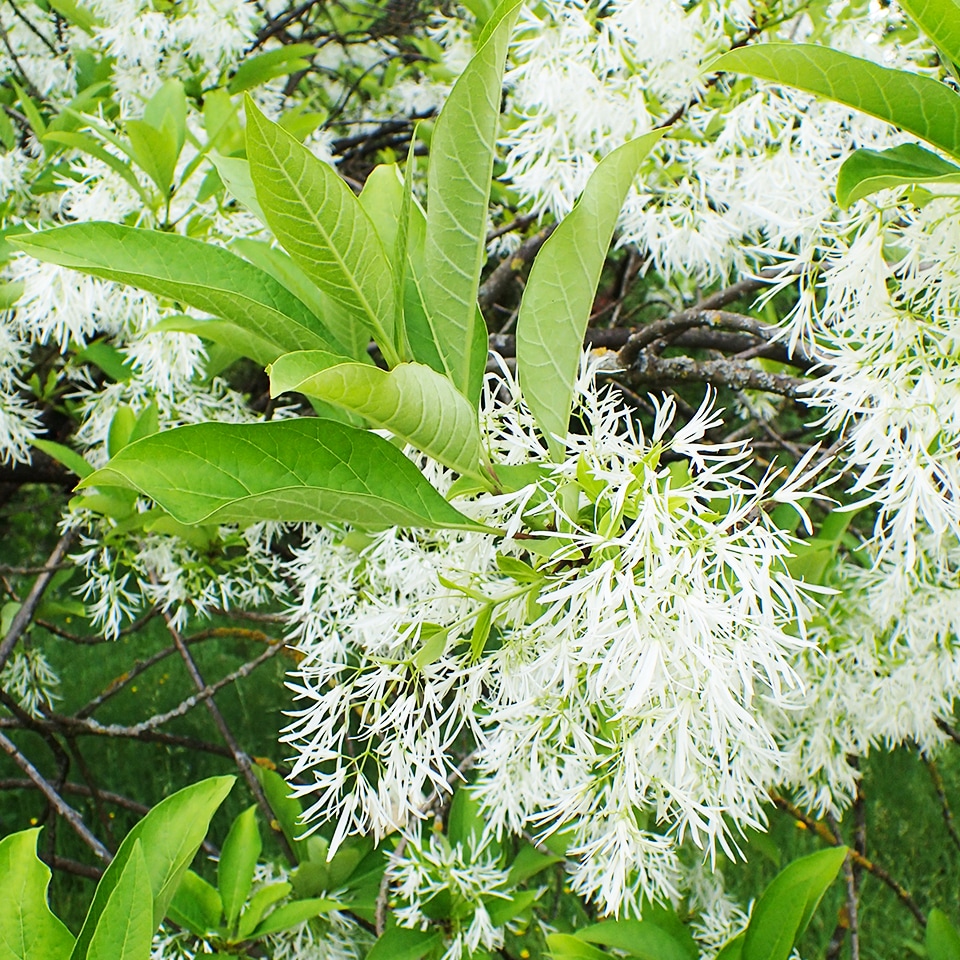
Fringe Tree
The Fringe Tree is a smaller ornamental that blooms in the spring. The blooms last from April to June and put on quite a show. This species is very resilient and able to grow in a variety of conditions ranging from the more temperate mountains to the hot Piedmont summers to the wetter coastal plains of NC and everything in between.
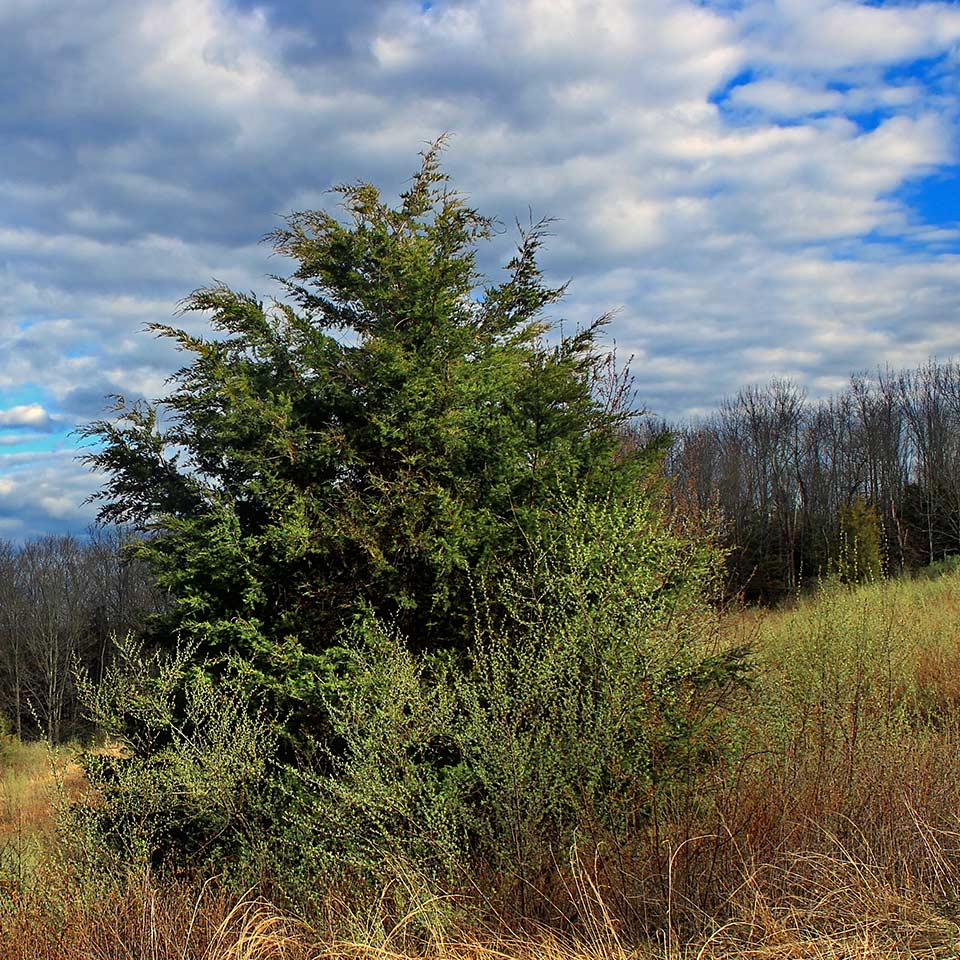
Eastern Red Cedar
These evergreen trees work well as privacy rows and are drought tolerant. But the name is actually a misnomer. Despite being called Cedar trees, they are Junipers. They produce juniper berries in the late fall that are an essential food source for a wide variety of wildlife, including birds, rabbits, and foxes.
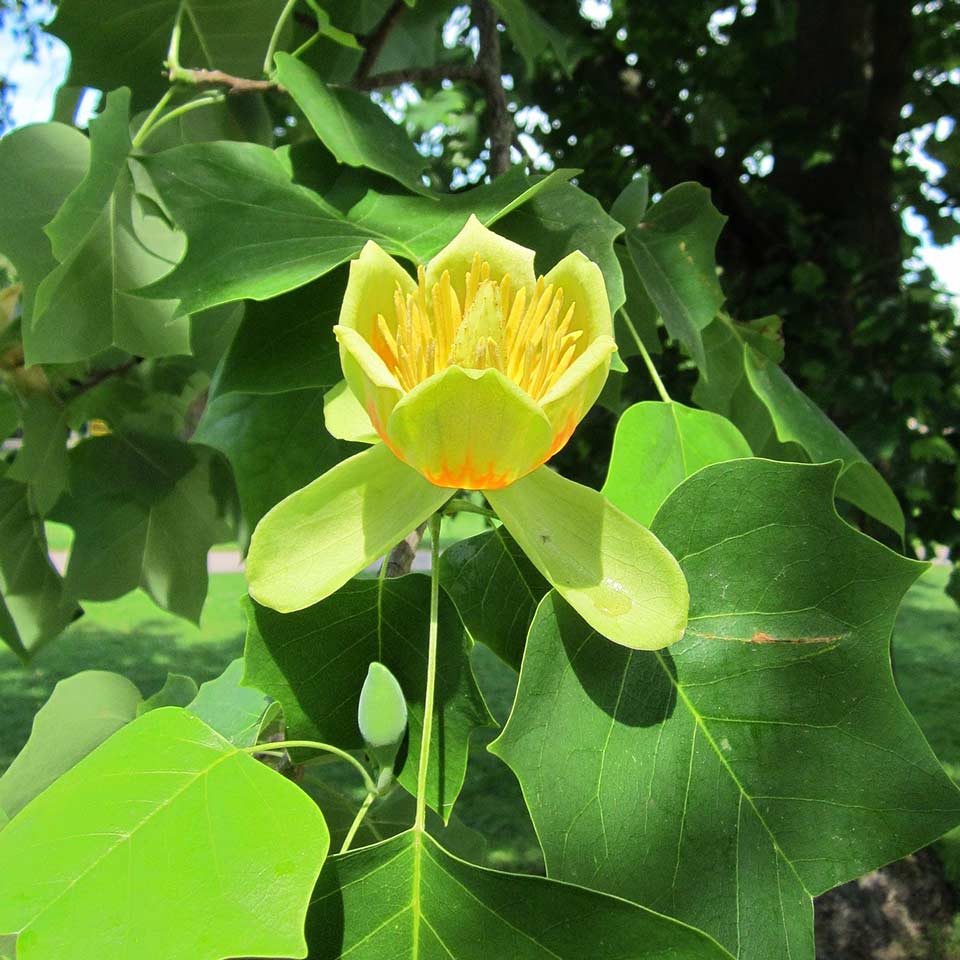
Tulip Poplar
One of the tallest native trees in the Southeast, it needs a lot of space to grow both above and below ground. It has distinctive tulip-shaped flowers, the nectar of which is used by bees to make poplar honey.
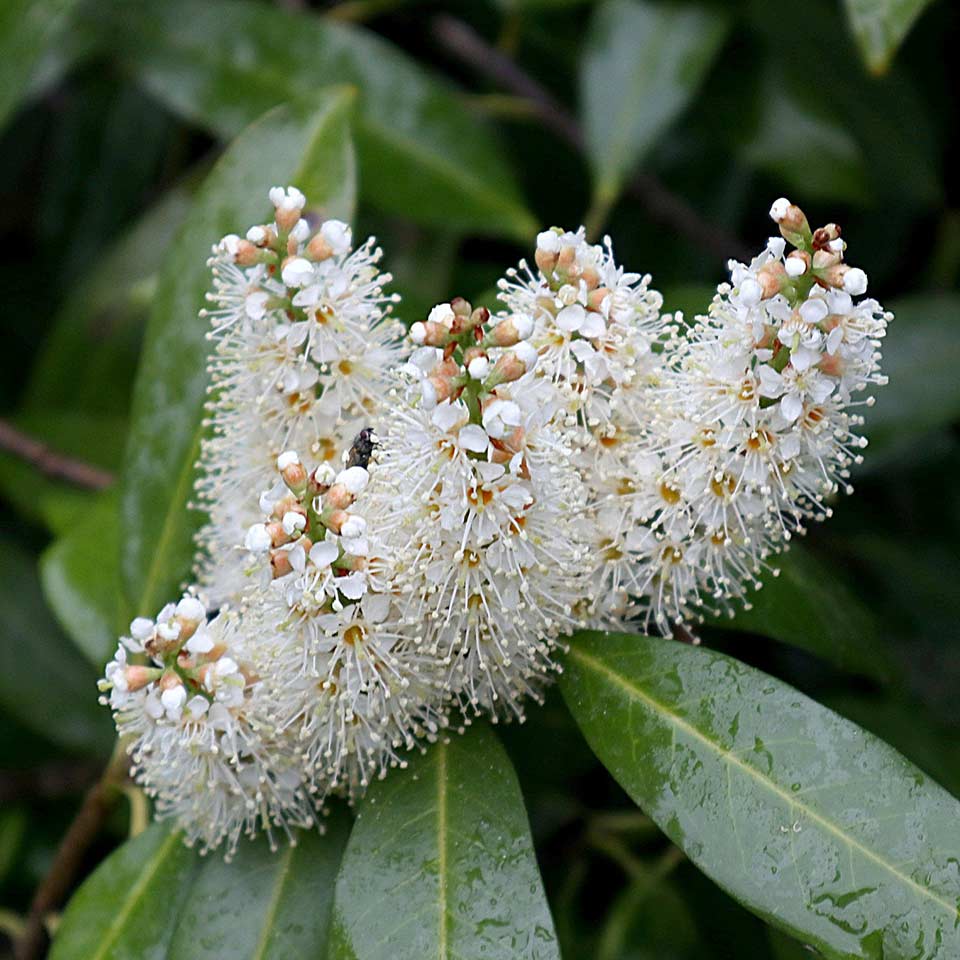
Carolina Cherry Laurel
This evergreen shrub works well as a privacy screen and grows quickly. They are also resistant to deer.
Our Treecologists chose these trees specifically because they are native to where they will grow. This means that they are often more resistant to disease, withstand drought, and contribute to the local ecosystem. It's still important to be sure that you are selecting a tree that will thrive in the location where you plan to plant.
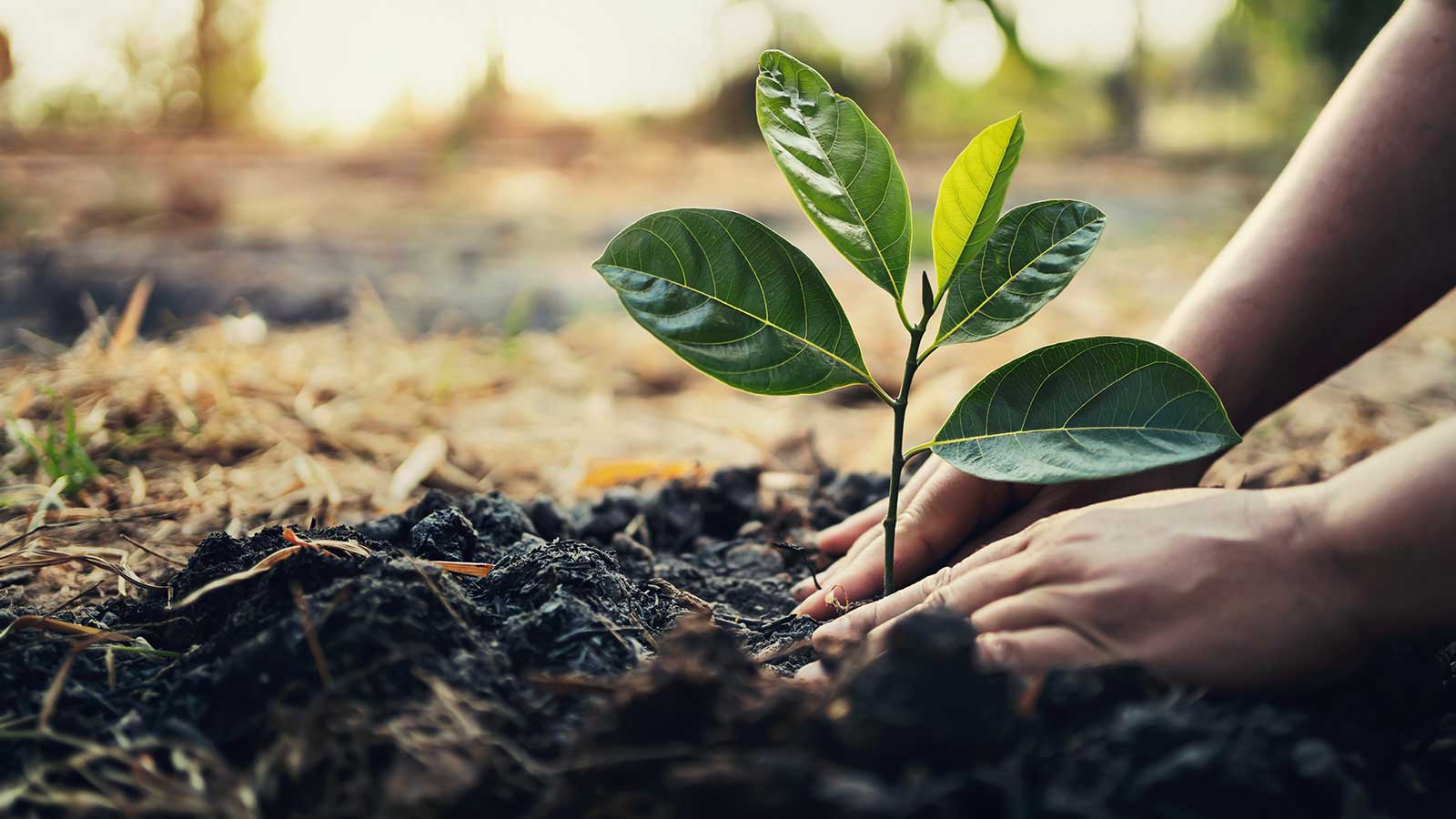
Carefully assessing the conditions of an area before you plant will give your trees a better chance at a long, healthy life. Also, considering your needs before you pick up a shovel will help you determine which trees will function best in a given area. These suggestions can get you started, but we’re always happy to make recommendations.
If you have any questions about choosing the right tree or if you are looking for a specific recommendation, send us a message.