10 Invasive Plants to Watch Out for in Central North Carolina
These invasive trees, shrubs, and vines damage our local ecosystems and should be replaced with native plants.
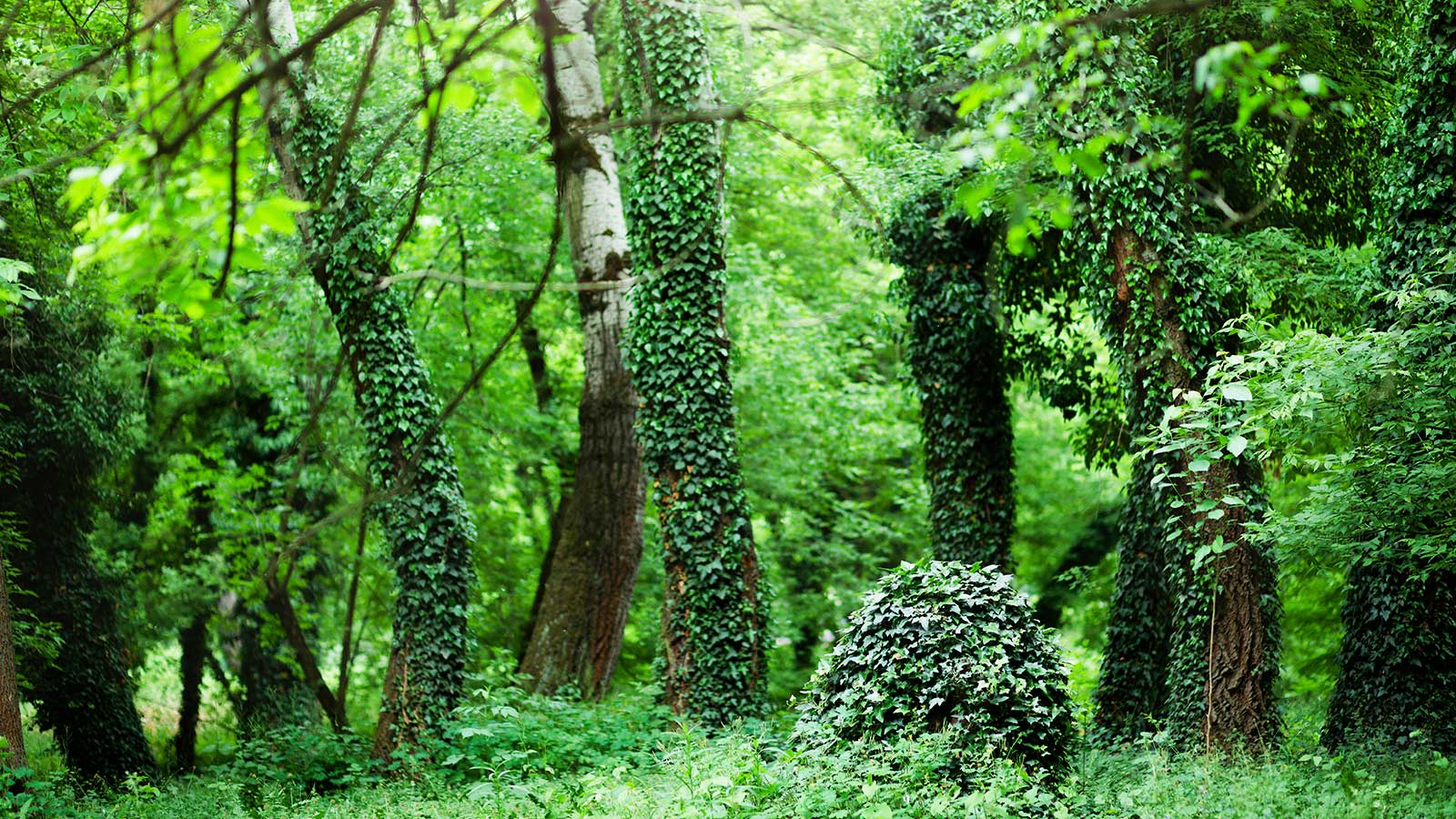
The trees, shrubs, and vines on this list are invasive and have significantly damaged our local ecosystem. If you are choosing new plants at a nursery, select native alternatives to the ones mentioned below. If you find these in your yard, we recommend removing them and either replacing them or giving the native plants already in the ground room to grow.
This list was compiled from the resources provided by The NC Invasive Plant Council.
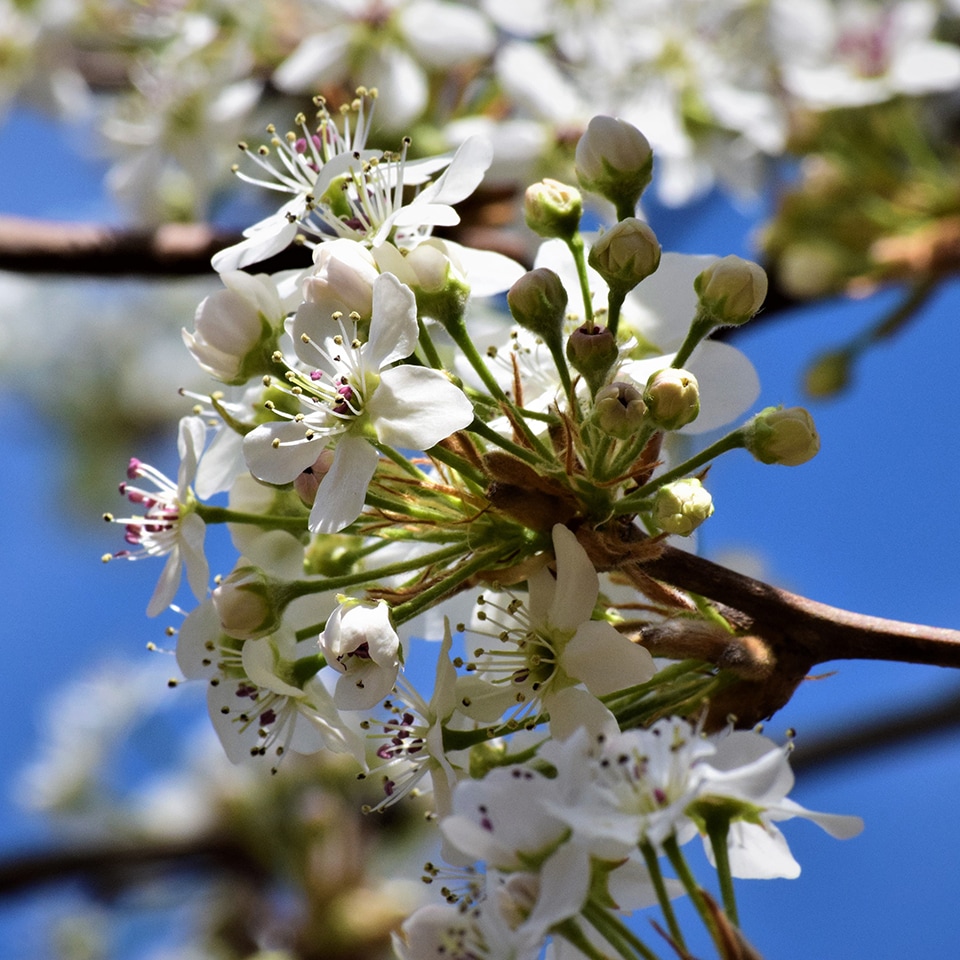
Bradford Pear
These stinky springtime bloomers cause damage to our local ecosystem and are also known to cause property damage. A structural weakness causes them to break under harsh weather conditions like wind, ice, or snow. They are also messy and do not provide benefits to local wildlife.
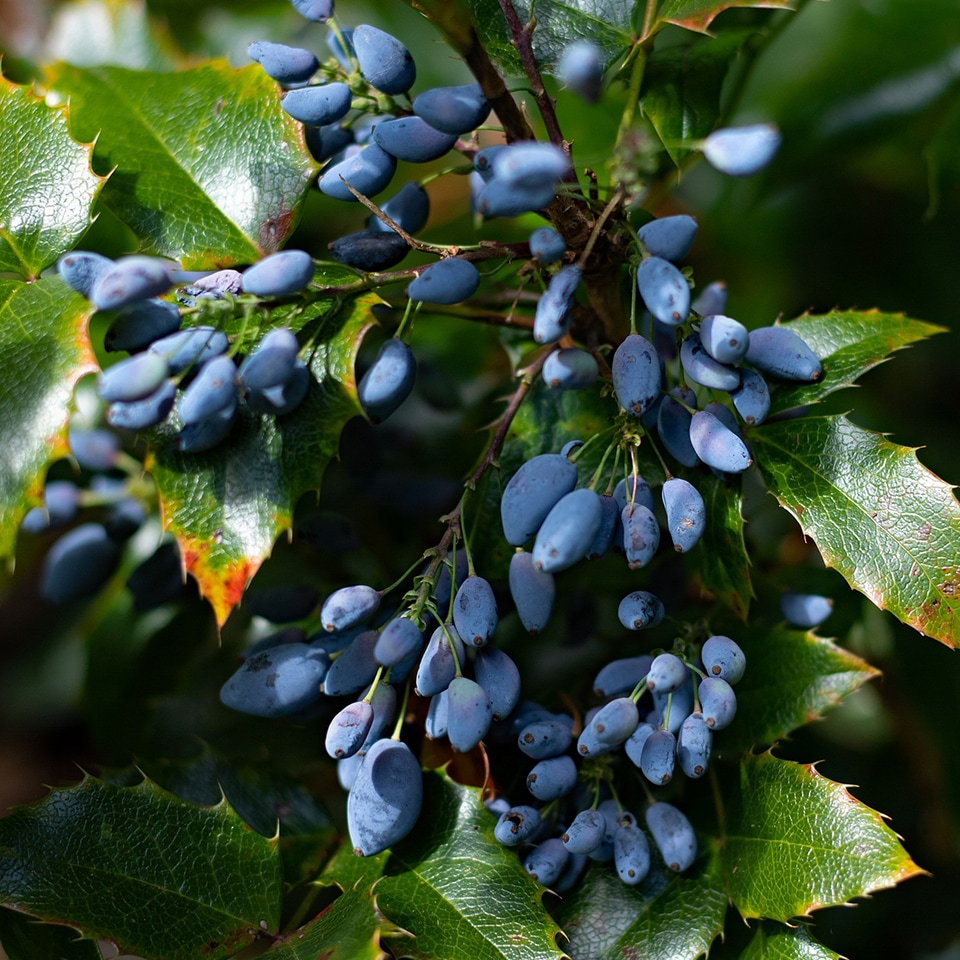
Mahonia
Often mistaken for Holly, these shrubs have grape-like berries that are attractive to birds. This has caused it to spread rapidly throughout the forests in the Southeast and compete with native species that are not as prolific.
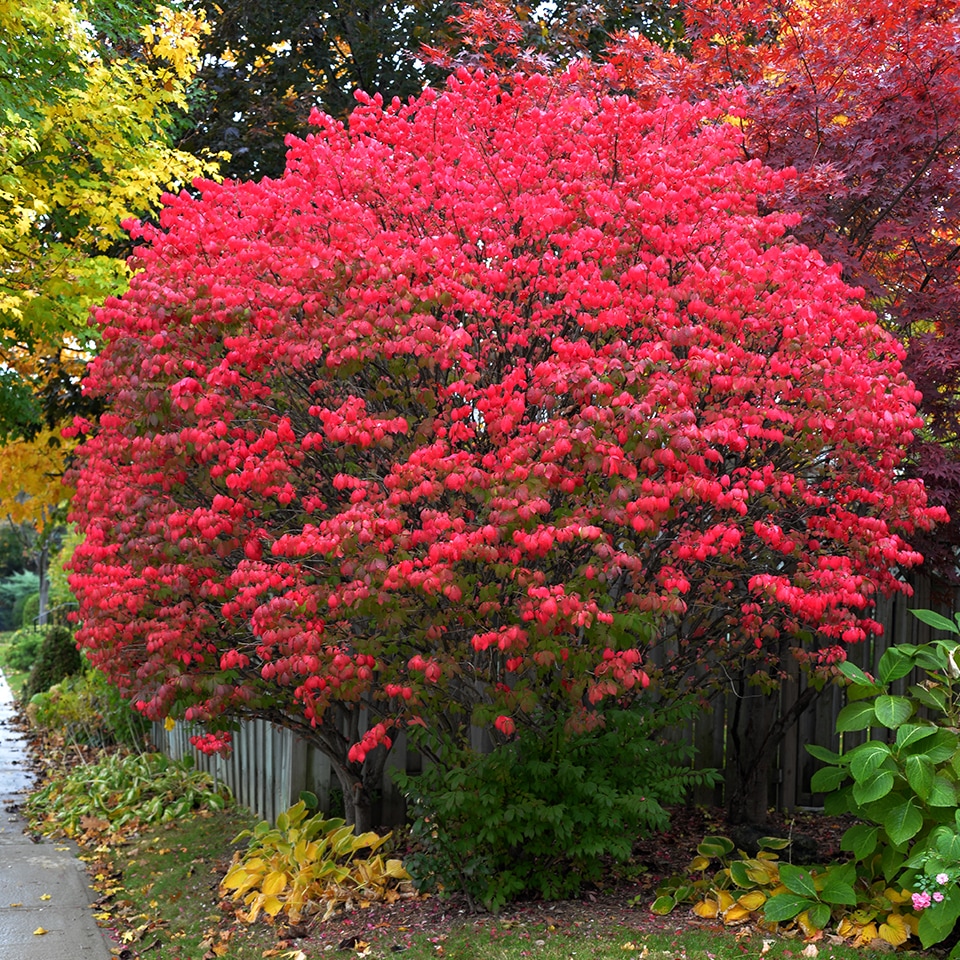
Burning Bush
Like Mahonia, birds eat the Burning Bush's berries and then spread those seeds beyond the urban settings, and into meadows and coastal scrublands. As a result, they form thickets that suppress less dominant native shrubs.
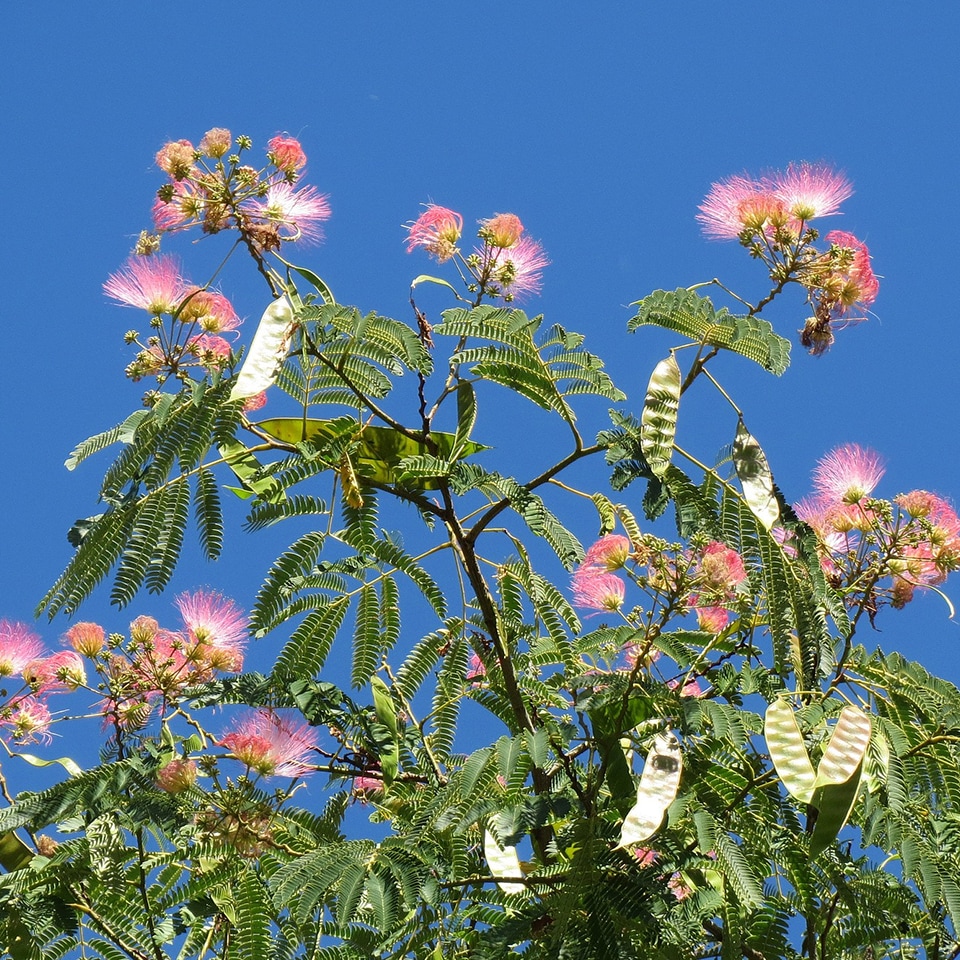
Mimosa
These whimsical-looking trees are deceptively sinister. Once planted as ornamentals, it is now widely recognized that they are difficult to contain and provide little to no value to our local ecosystem. Thick stands of these trees can also deprive native understory trees and shrubs of sunlight.
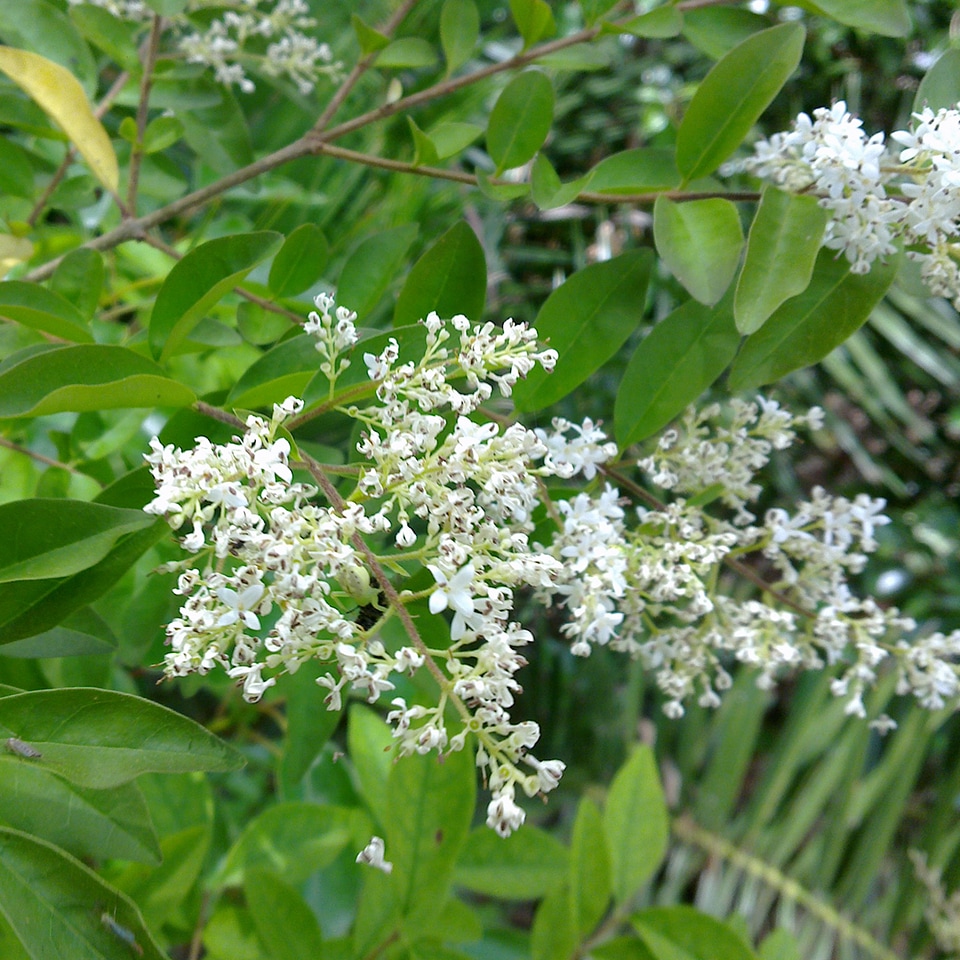
Privet
Privet can outcompete just about any other plant. There are two species in central NC: Japanese Privet and Chinese Privet. Both form dense thickets that are difficult to remove once they get established.
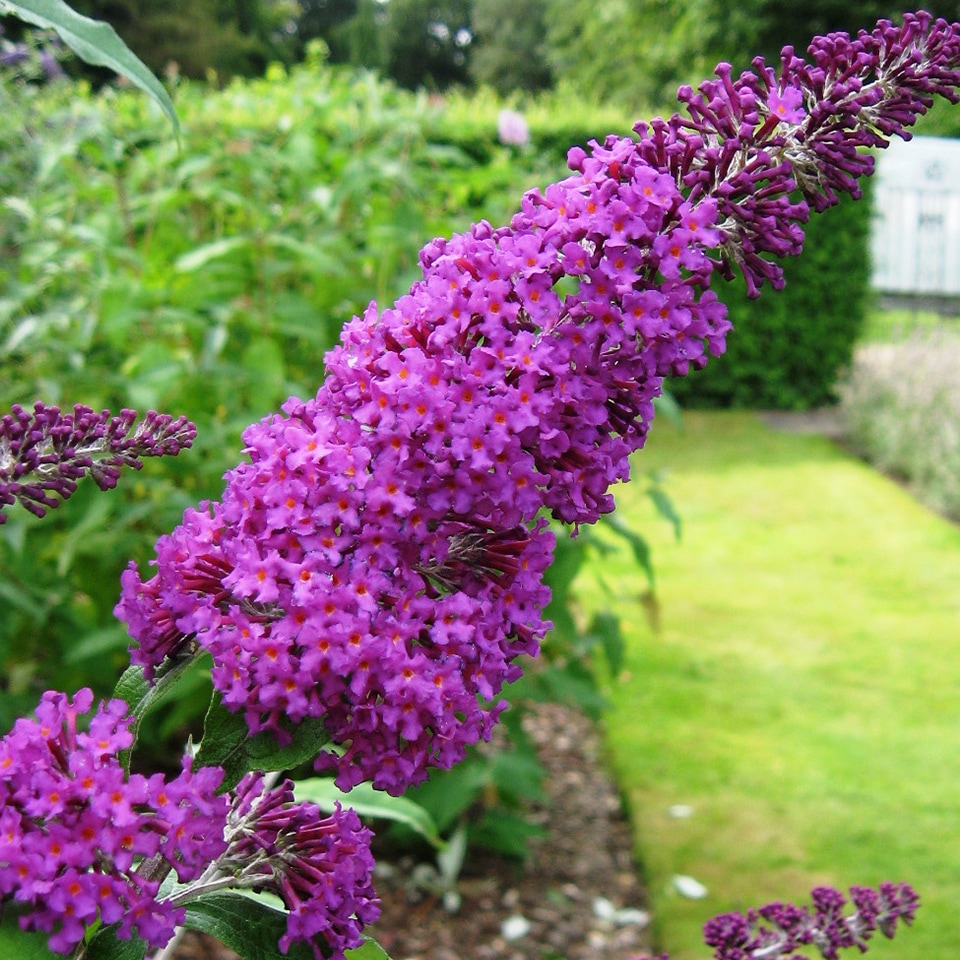
Butterfly Bush
The common name sounds like a welcome addition to a pollinator garden, but these flowery bushes do not provide as much value to butterflies as the name would suggest. Adult butterflies feed on the nectar, but a Butterfly Bush is not a food source for larvae of the same species, which harms the pollinator population overall.
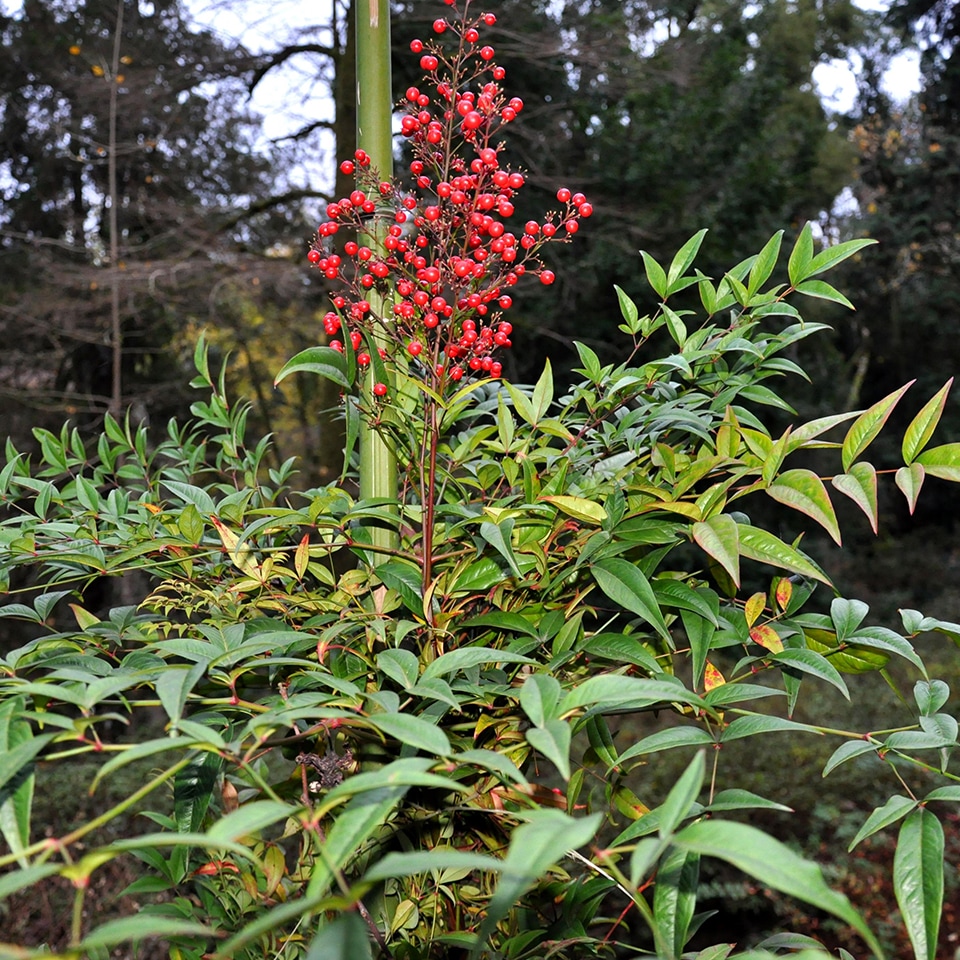
Nandina
Commonly used for landscaping in commercial areas, Nandina is aggressively invasive and harmful to wildlife. For example, studies have shown that the cyanide in the berries can be fatal to Cedar Waxwings if they have few other food sources and consume too many.
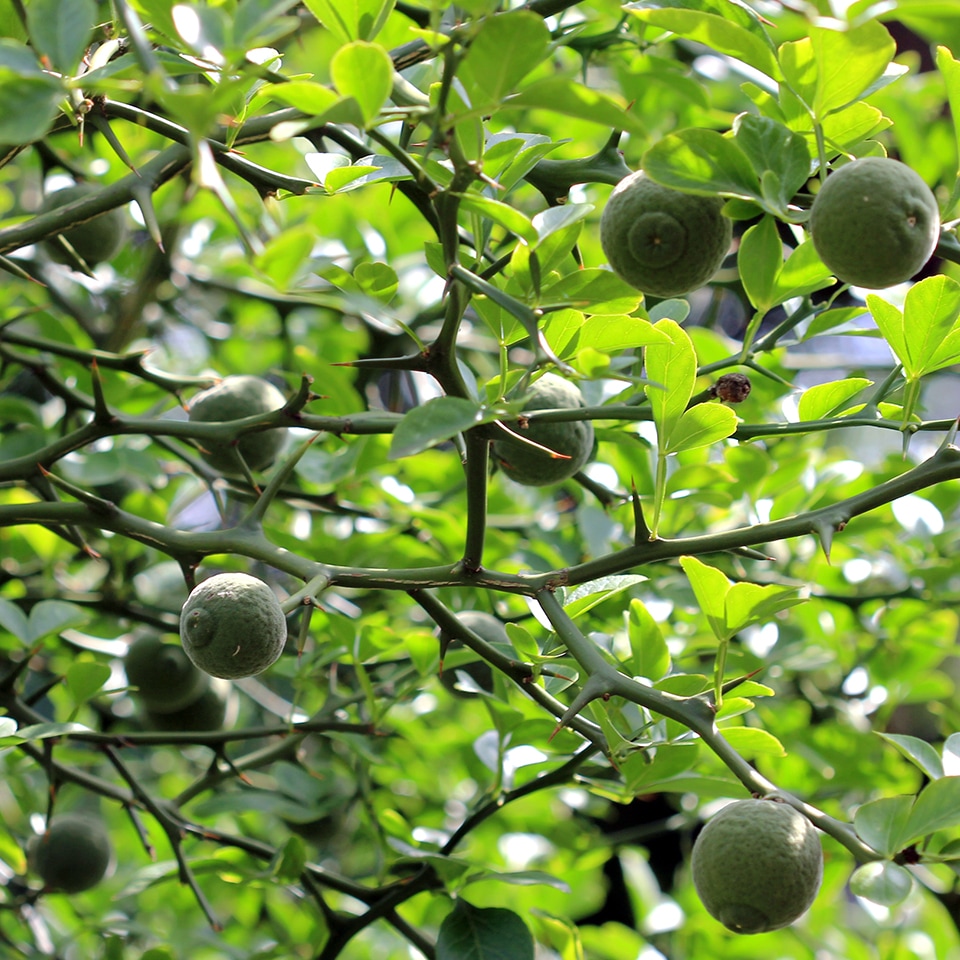
Flying Dragon
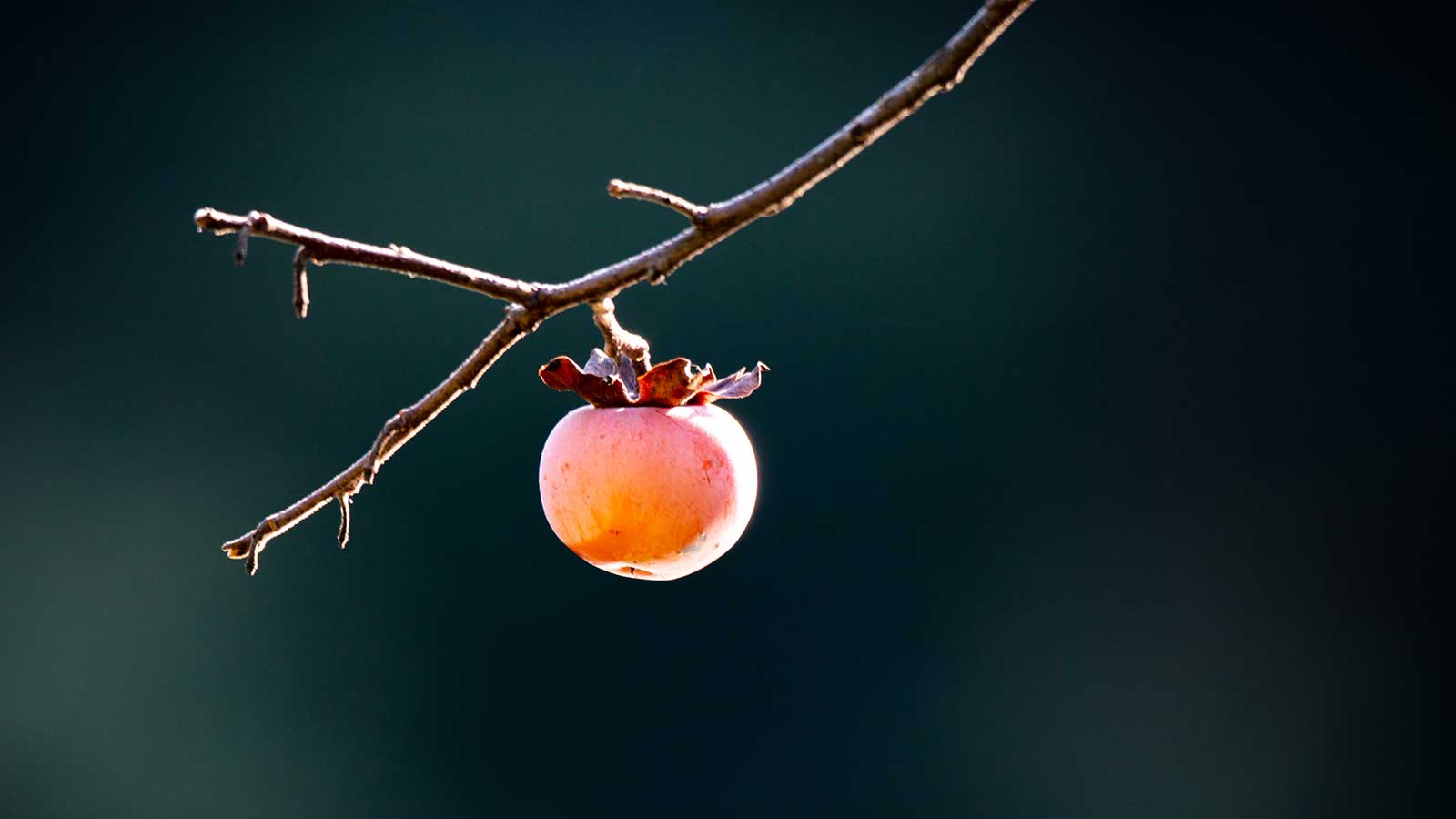
This shrub's orange-like fruits and unique stems make it an attractive ornamental, but the Flying Dragon is an aggressive invasive that spreads rapidly. As a result, it outcompetes other native trees and shrubs that provide more nutritional value for local wildlife.
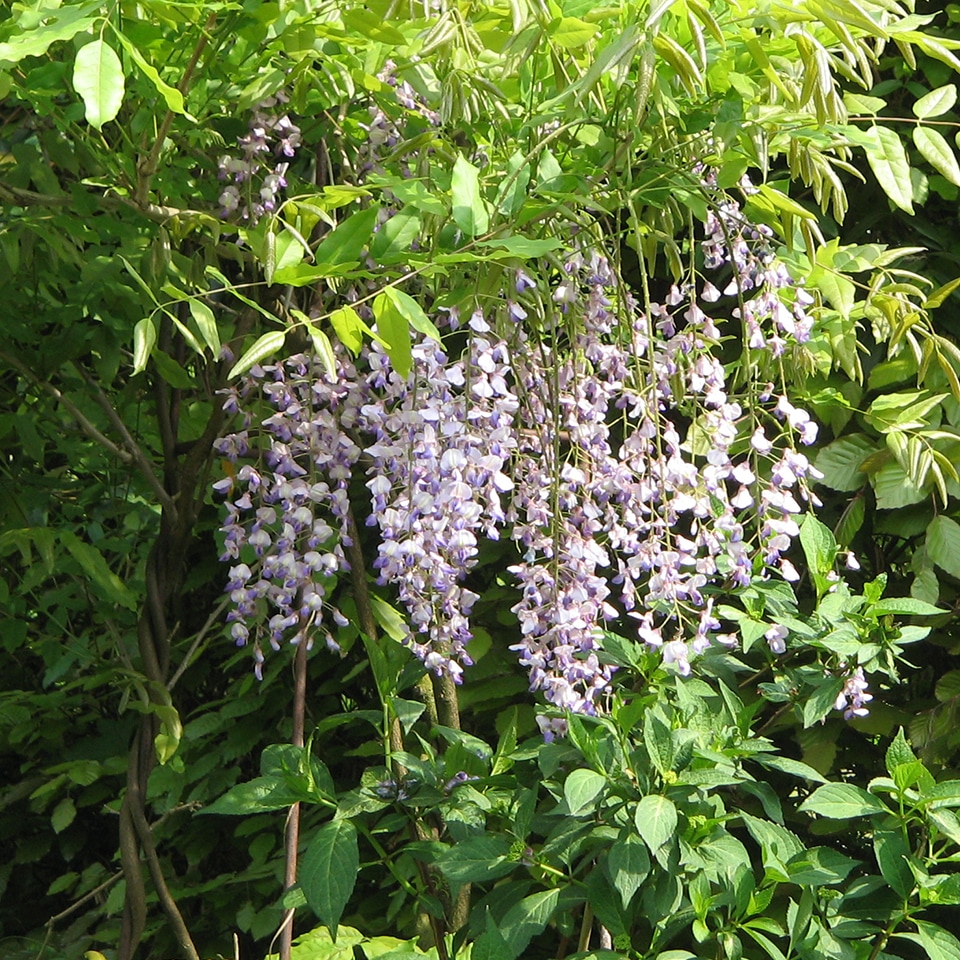
Wisteria
These fragrant flowers might look appealing, but they will stop at nothing to reach sunlight. They strangle bushes, girdle trees, and weigh down branches. Both the Japanese and Chinese varieties have taken over forests in the Southeast.
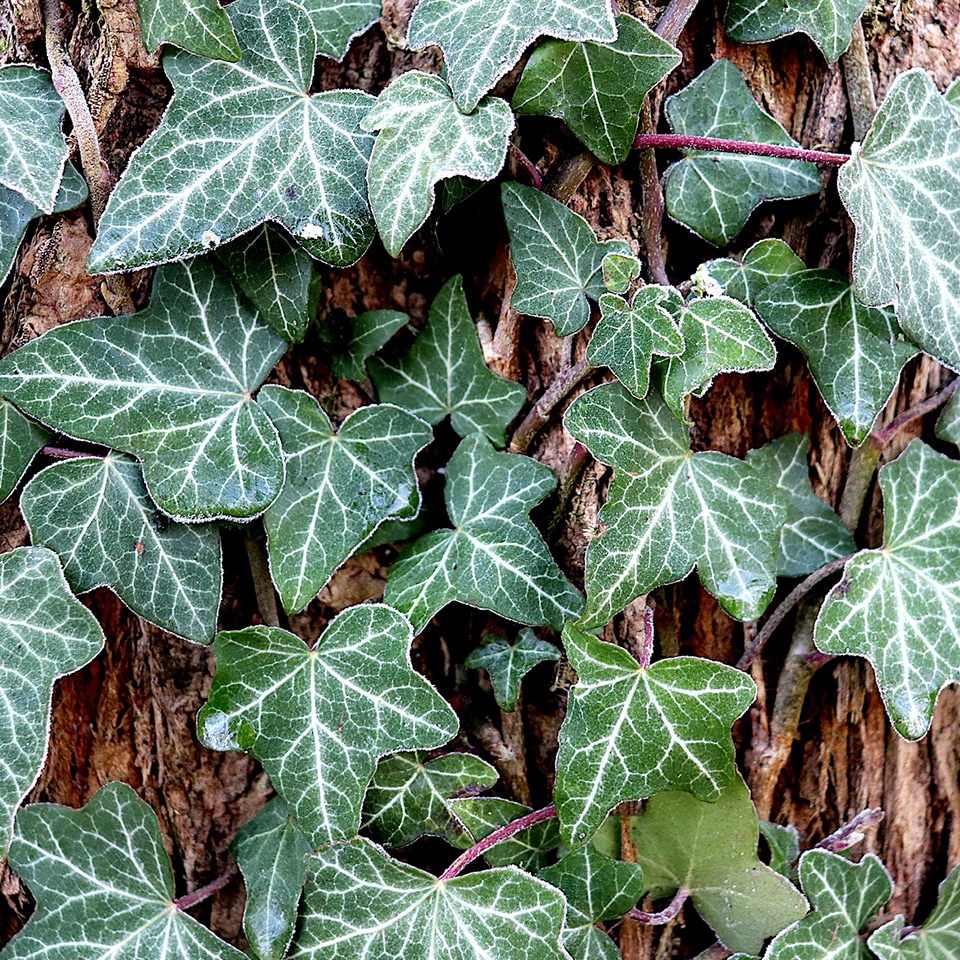
English Ivy
Once recommended for evergreen and ornamental groundcover, this vine easily escapes yards and gardens to take over forests quickly. English Ivy forms thick mats on the forest floor and climbs up trees and shrubs, strangling them and depriving them of sunlight.
This is just a selection of invasive trees and shrubs harming our local ecosystem. There are many others, including Autumn Olive and the Tree of Heaven, and herbaceous plants such as Fig Buttercup, Japanese Stilt Grass, and Yellow Flag Iris. To see a full list of invasives, visit The NC Invasive Plant Council.
If you have any questions about invasive plants or you are looking for suggestions about native trees and shrubs to plant instead, send us a message.