Not So Scary: 12 Common Spiders That Help Your Yard Thrive
From orb weavers to trapdoor spiders, these fascinating arachnids are worth a closer look.
The better you know them, the less you’ll fear them! Here are 11 common spiders and a spider relative you might find in your yard or in nearby natural spaces. From impressive orb webs to sneaky ambush tactics, spiders employ incredible skills to catch their meals and keep garden pests in check.
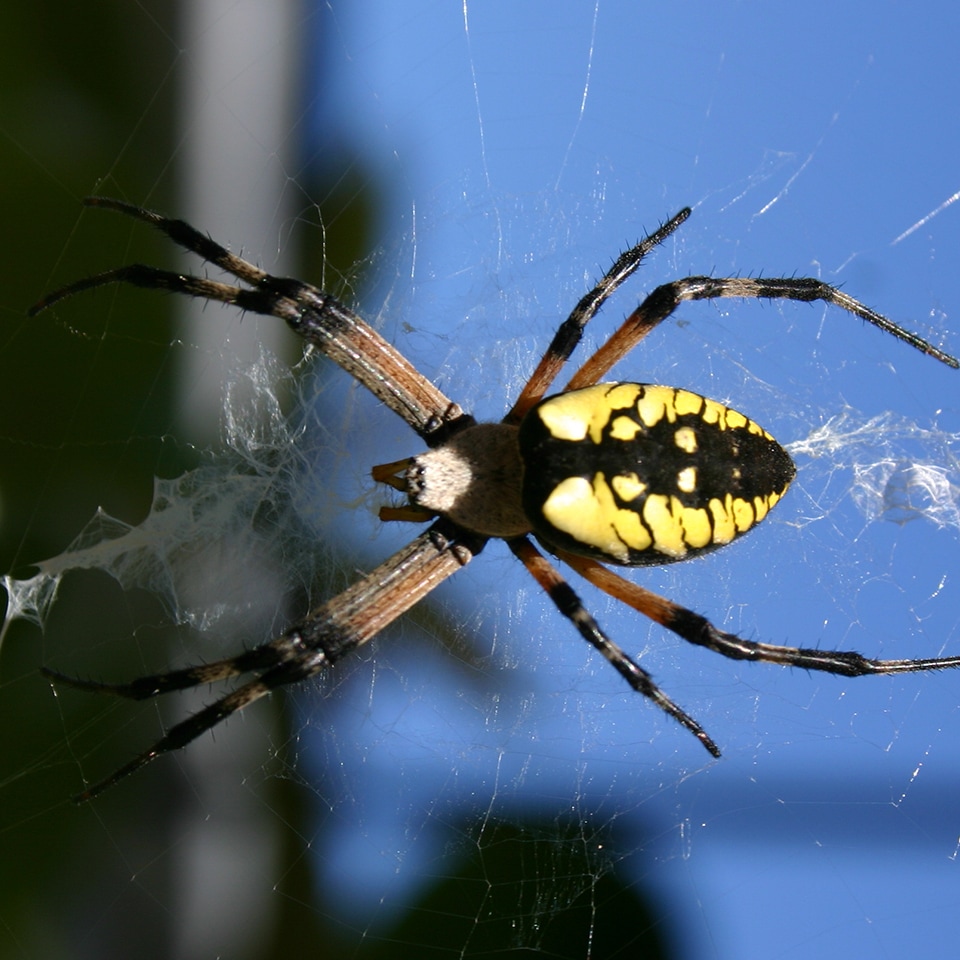
Yellow Garden Spider
(Argiope aurantia) – an orb weaver
Orb weavers are the Charlottes of the spider world. This striking species can be found anywhere it can spin its impressive web. Females reach up to an inch long (or 3 inches with legs!) and build webs with a zigzag band called a stabilimentum—whose purpose remains a mystery. Most live only one year, reaching full size by fall when they hang right at face level.
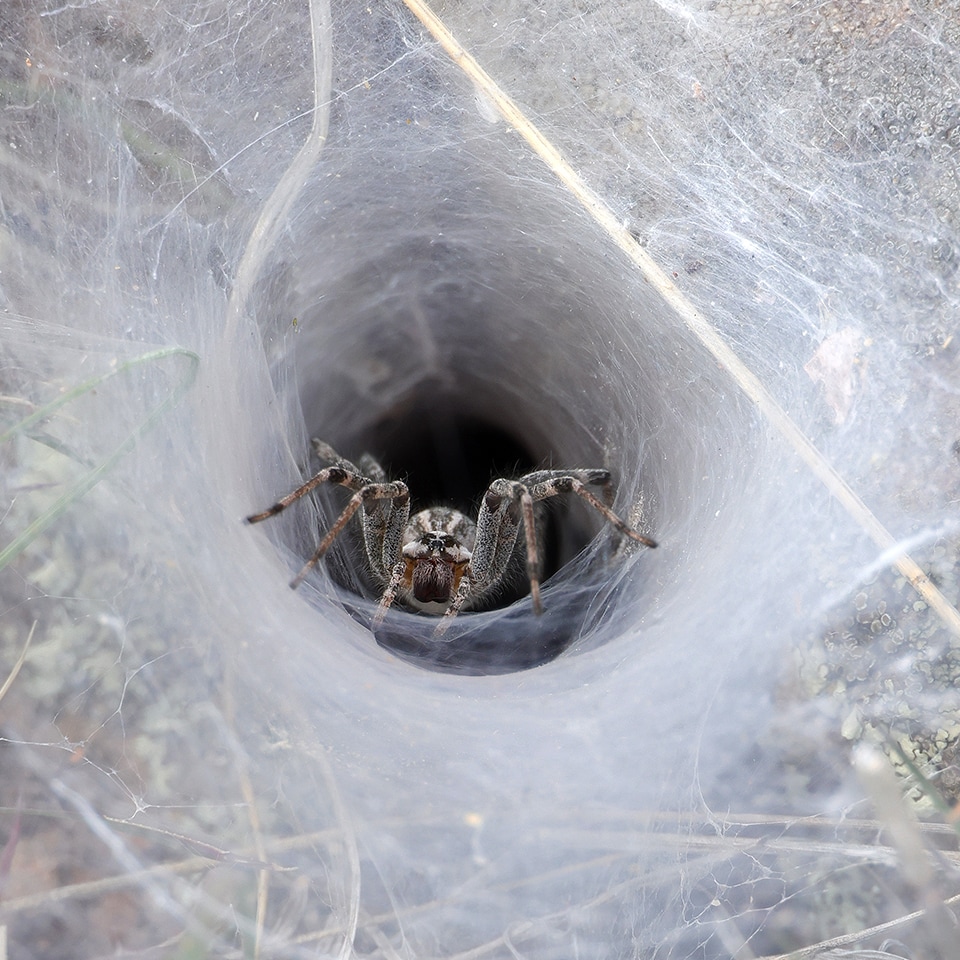
Funnel-Web Spiders
(Agelenopsis spp.) – funnel weavers
These large spiders weave sheet-like webs in grass with a funnel-shaped retreat at the center. They race out at lightning speed to capture prey that lands on their trampoline-like web—especially visible on dewy mornings. Harmless and helpful, they shouldn’t be confused with the venomous Australian funnel-webs.
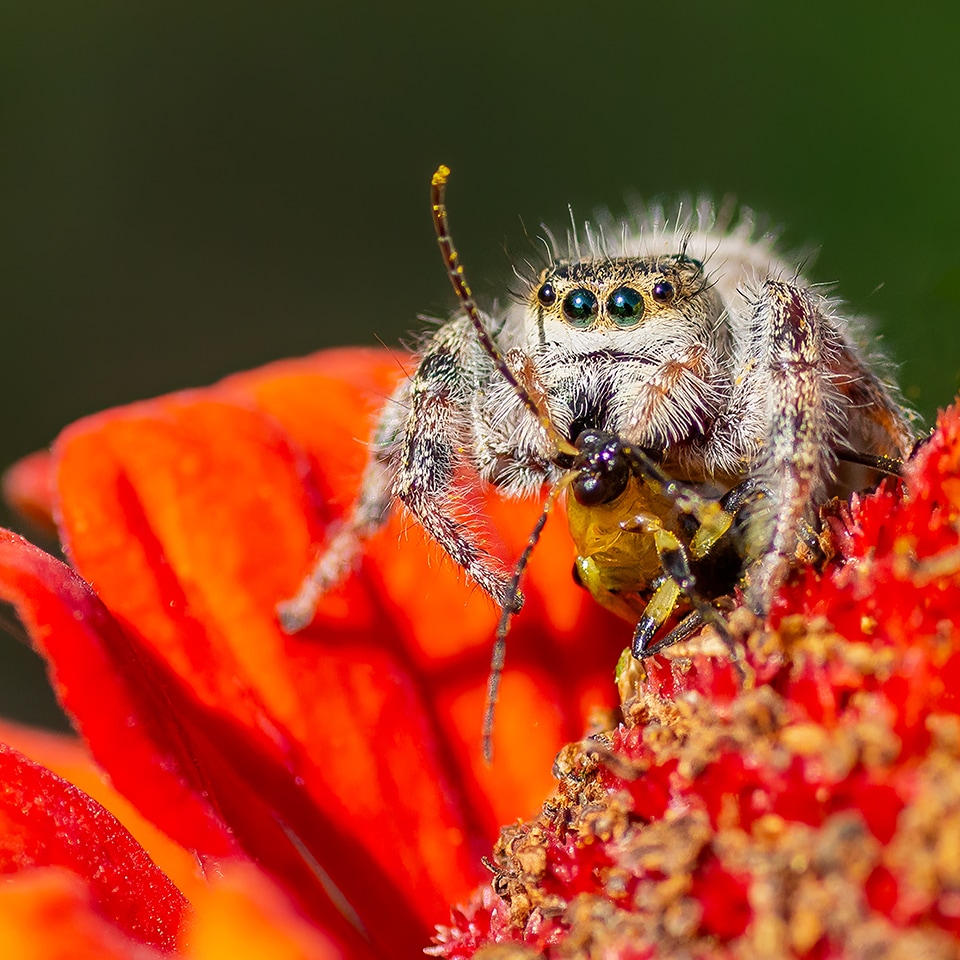
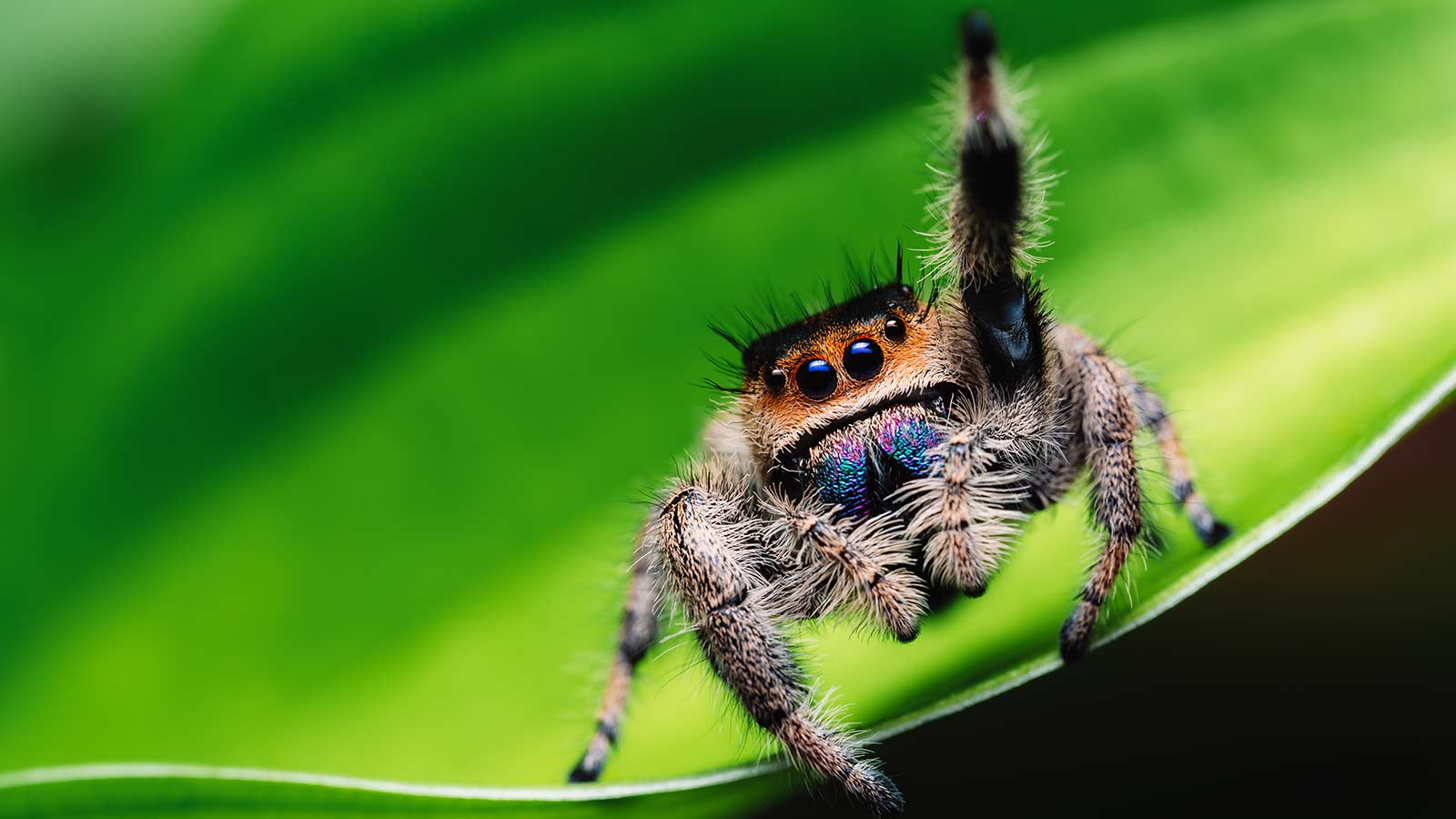
Jumping Spiders
(Phidippus spp.) – family Salticidae
Adorably fuzzy and brightly colored, jumping spiders have huge eyes and excellent vision. They pounce on prey like tiny, deadly kittens, using a silk lifeline when they leap. Their curious behavior and elaborate courtship dances make them surprisingly endearing.
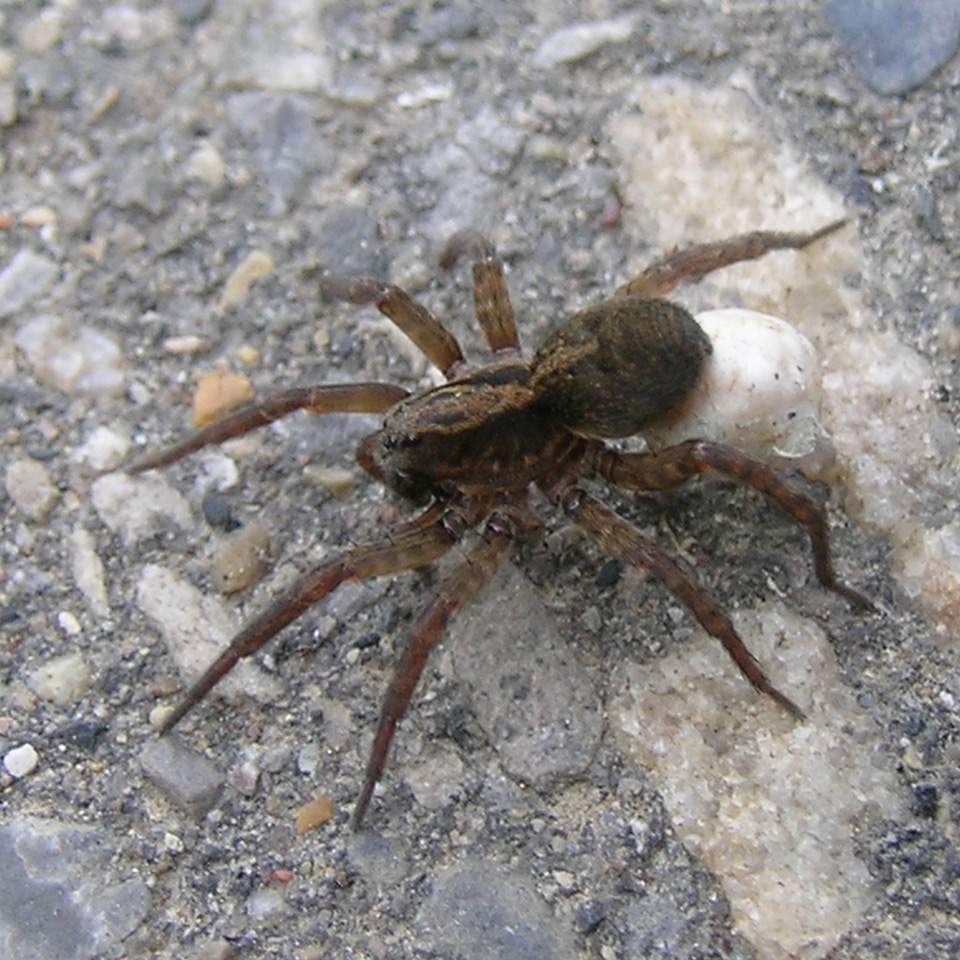
Wolf Spider
(Hogna spp.) – family Lycosidae
Fast and agile, wolf spiders chase down their prey instead of using webs. Females carry egg sacs under their spinnerets, and the spiderlings ride on their mother’s back until they can survive on their own. Their eyes reflect light—spot them at night by scanning mulch with a flashlight.
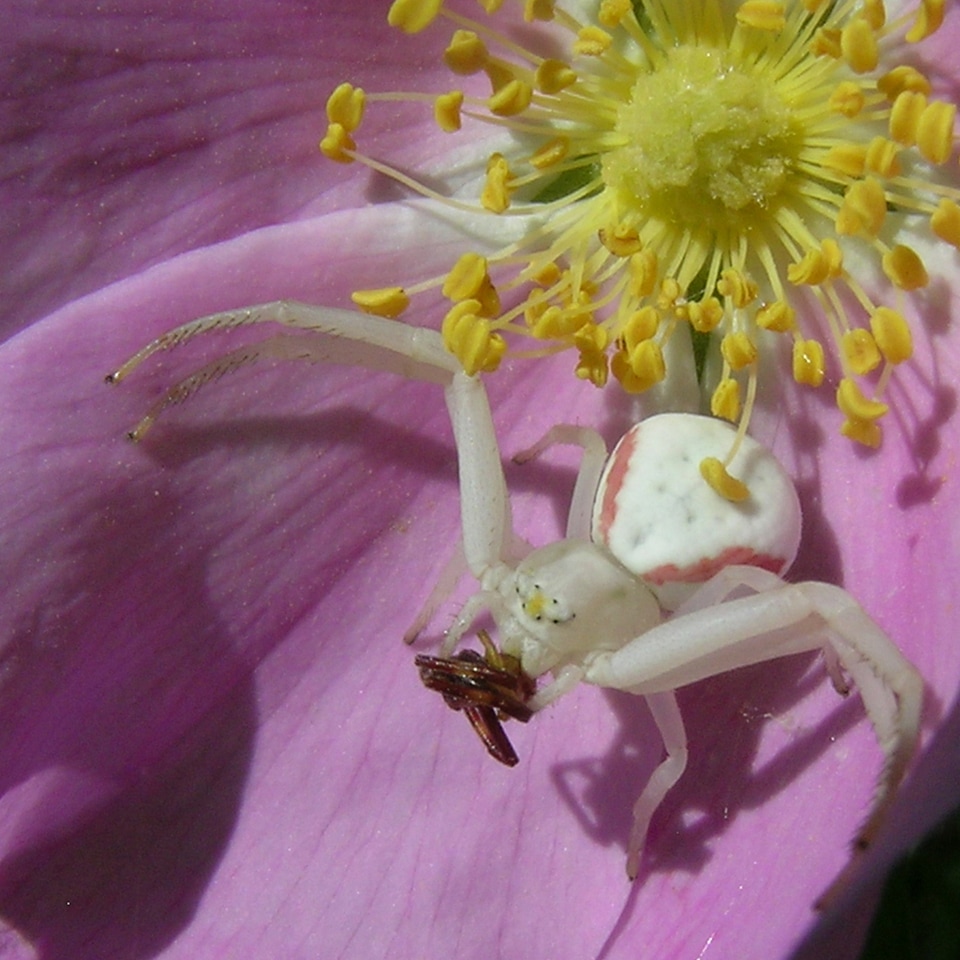
Goldenrod Crab Spider
(Misumena vatia) – family Thomisidae
Named for their sideways walk, crab spiders lie in wait on flowers to ambush pollinators. This species can change color—white, yellow, or pink—to blend perfectly with its floral perch.
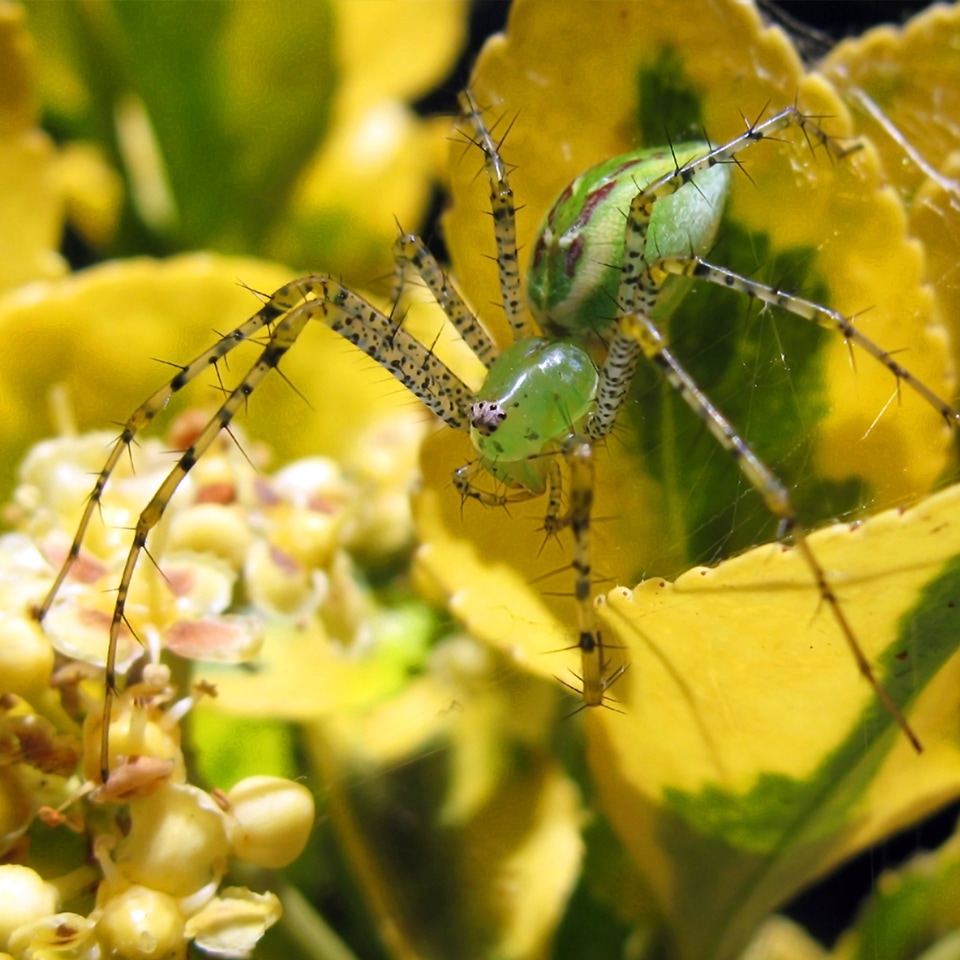
Green Lynx Spider
(Peucetia viridans) – family Oxyopidae
Daytime hunters of meadows and gardens, green lynx spiders stalk prey among blossoms. They’re bright green, quick, and can even spit venom when threatened—an unusual skill for a spider!
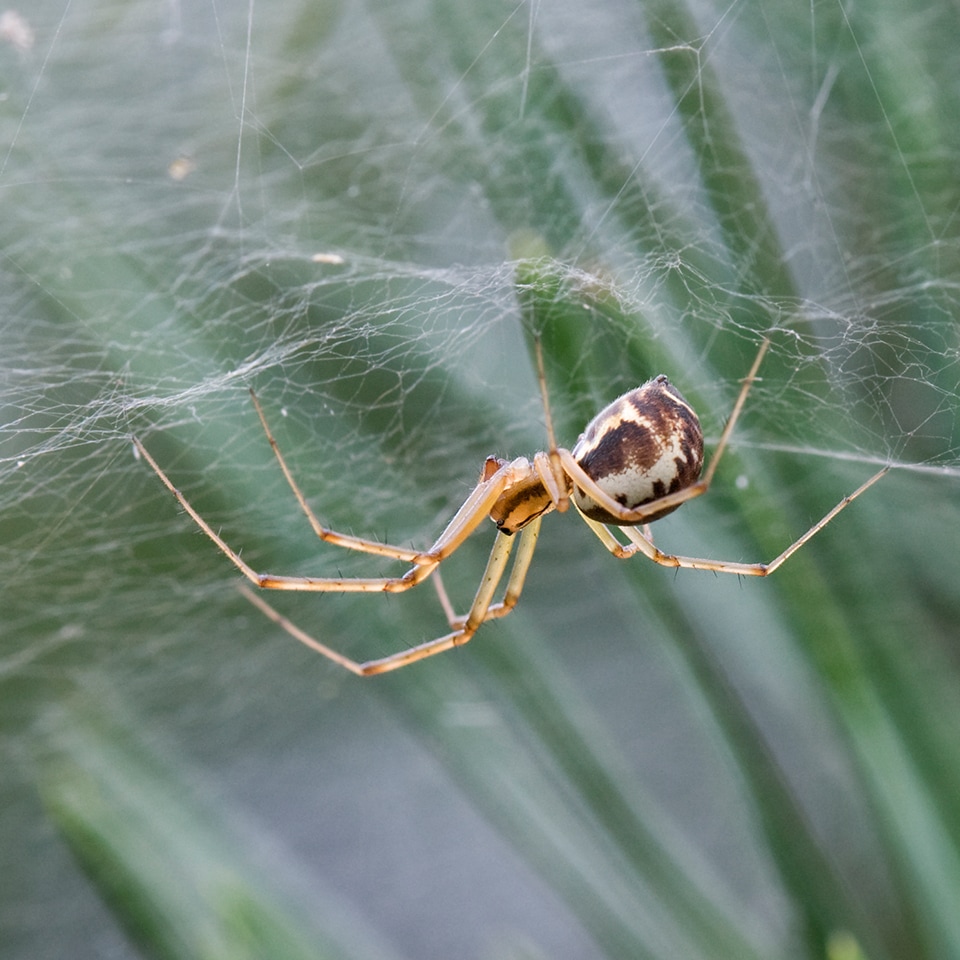
Sheet-Web Weavers
family Linyphiidae
These small spiders build delicate sheet- or dome-like webs across shrubs and grasses. Their finely woven nets catch tiny flying insects, especially visible when covered in dew.
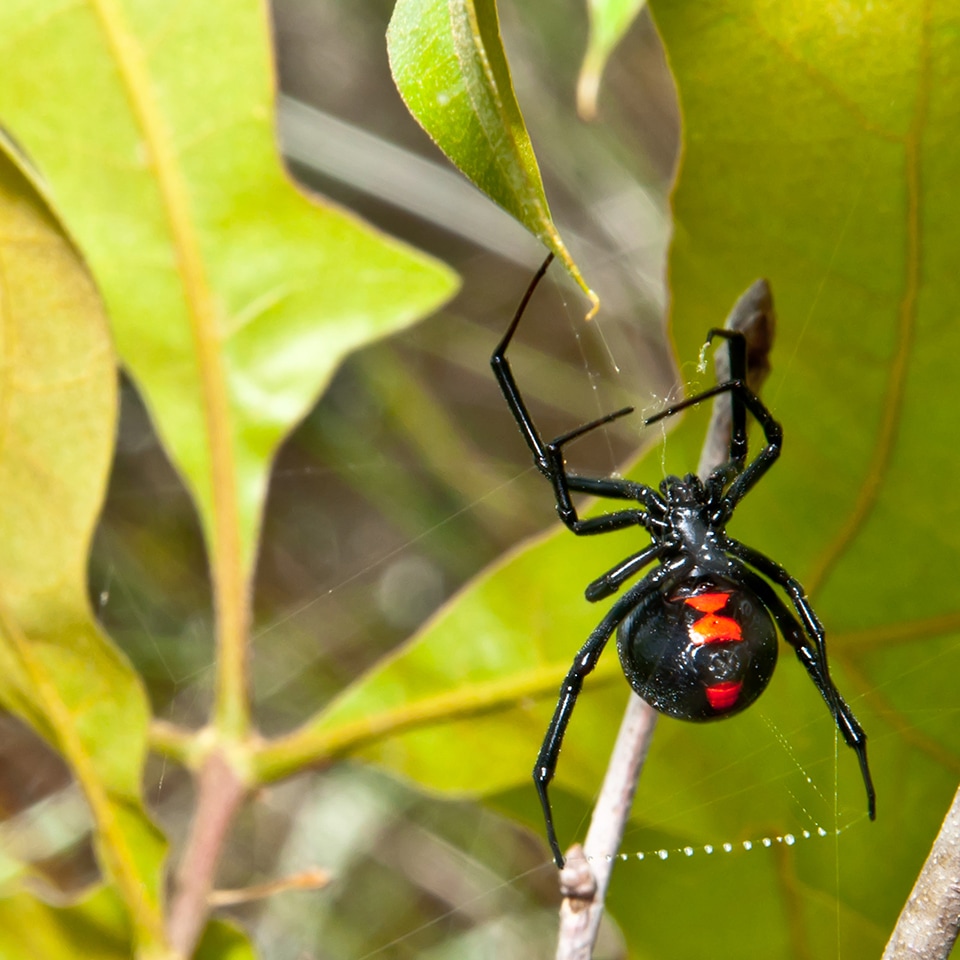
Cobweb Spiders
including house and widow spiders – family Theridiidae
Over 200 cobweb spider species live in North America, including the familiar house spider and the black widow. They spin messy, tangled webs and help control insect populations around homes and gardens.
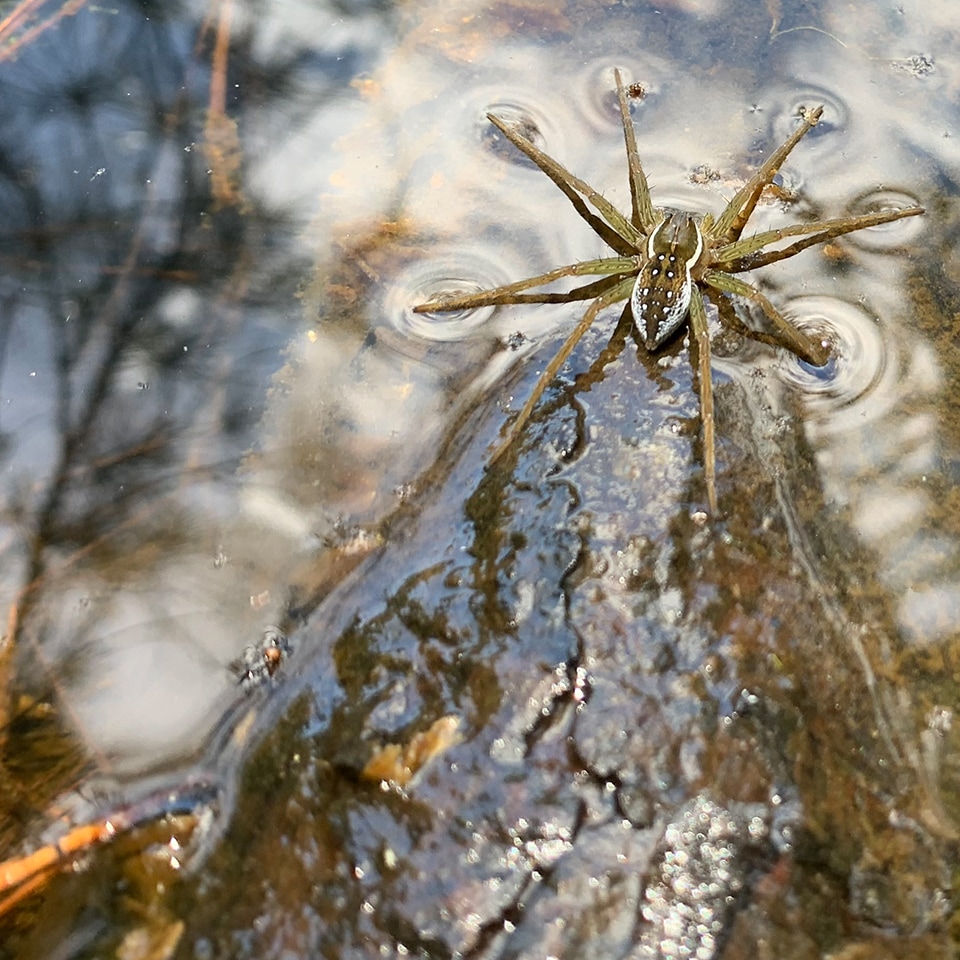
Nursery Web / Fishing Spiders
family Pisauridae
These large spiders often live near water. Some can dive or walk on its surface! Females carry egg sacs in their jaws and guard their young in protective webs until their final days.
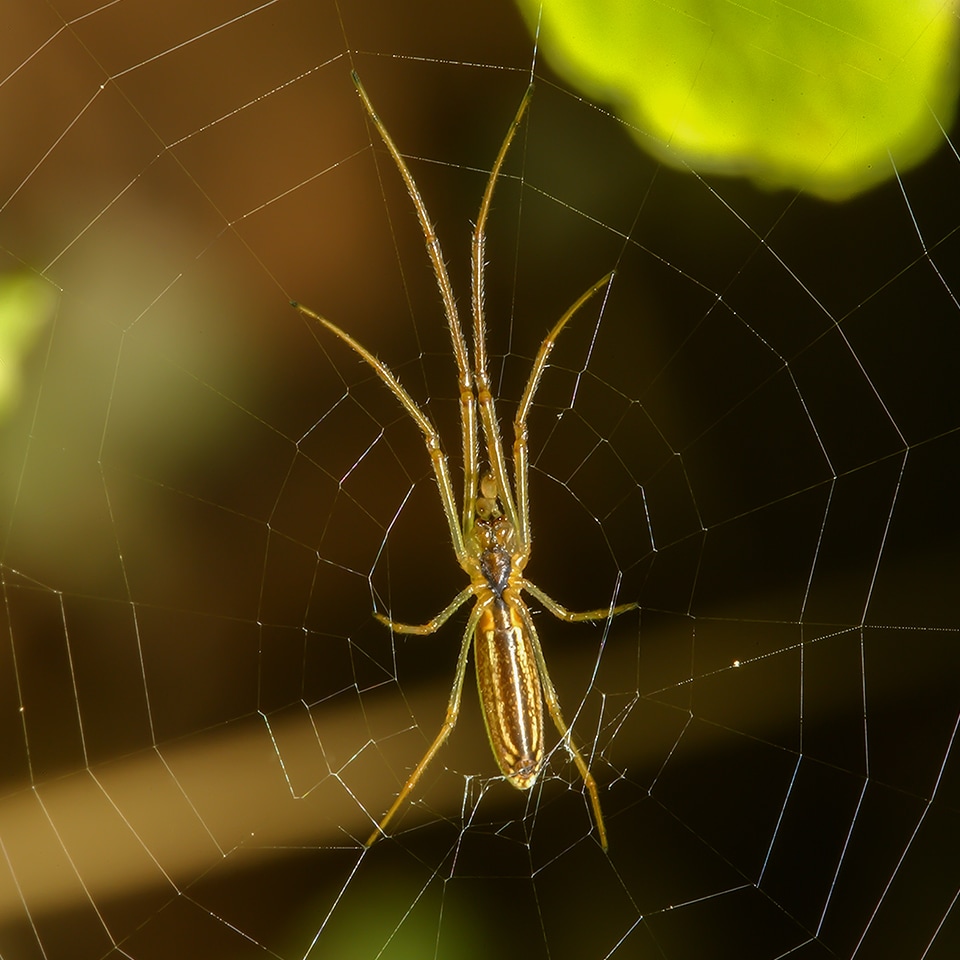
Long-Jawed Orb Weaver
family Tetragnathidae
Slender-bodied with extra-long legs, these spiders hunt from orb webs near water. During the day, they hide by aligning their legs along grass blades to become nearly invisible.
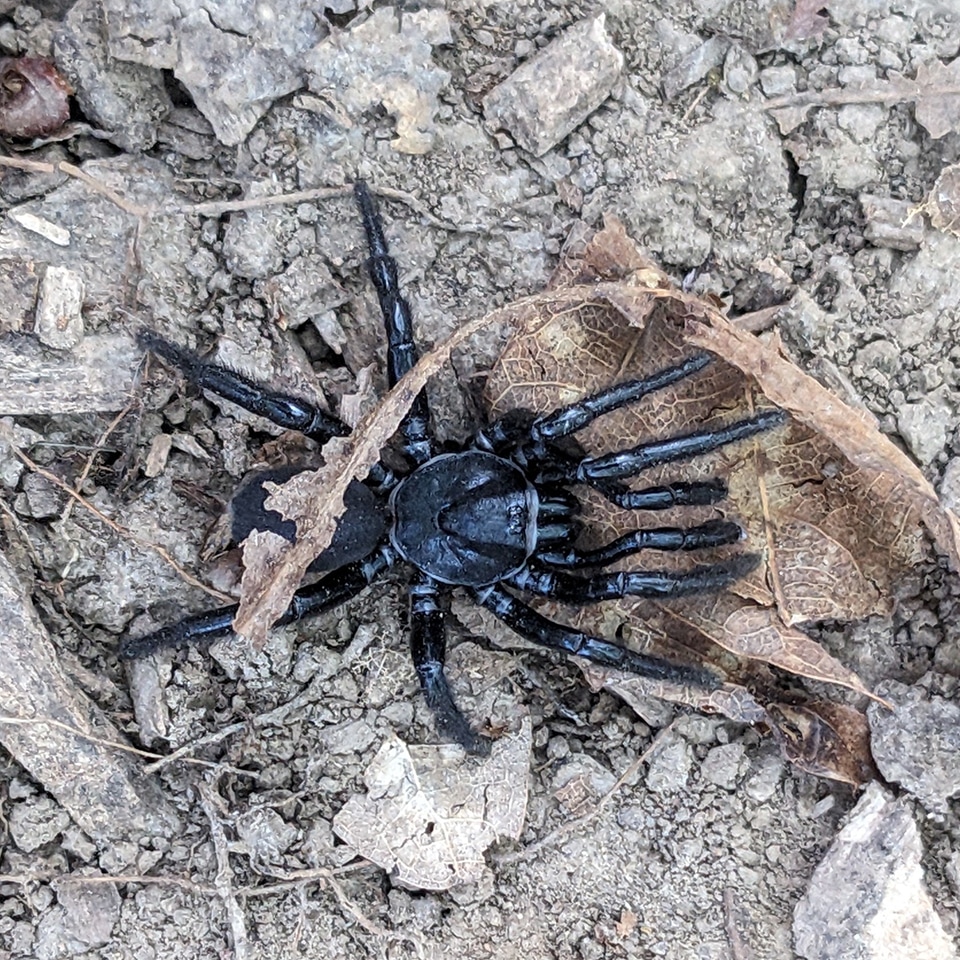
Trapdoor Spider
(Ummidia audouini)
Burly and tarantula-like, these shy spiders stay hidden in silk-lined tunnels sealed by a trapdoor. Found in the southeastern U.S., they wait patiently underground for prey to pass by.
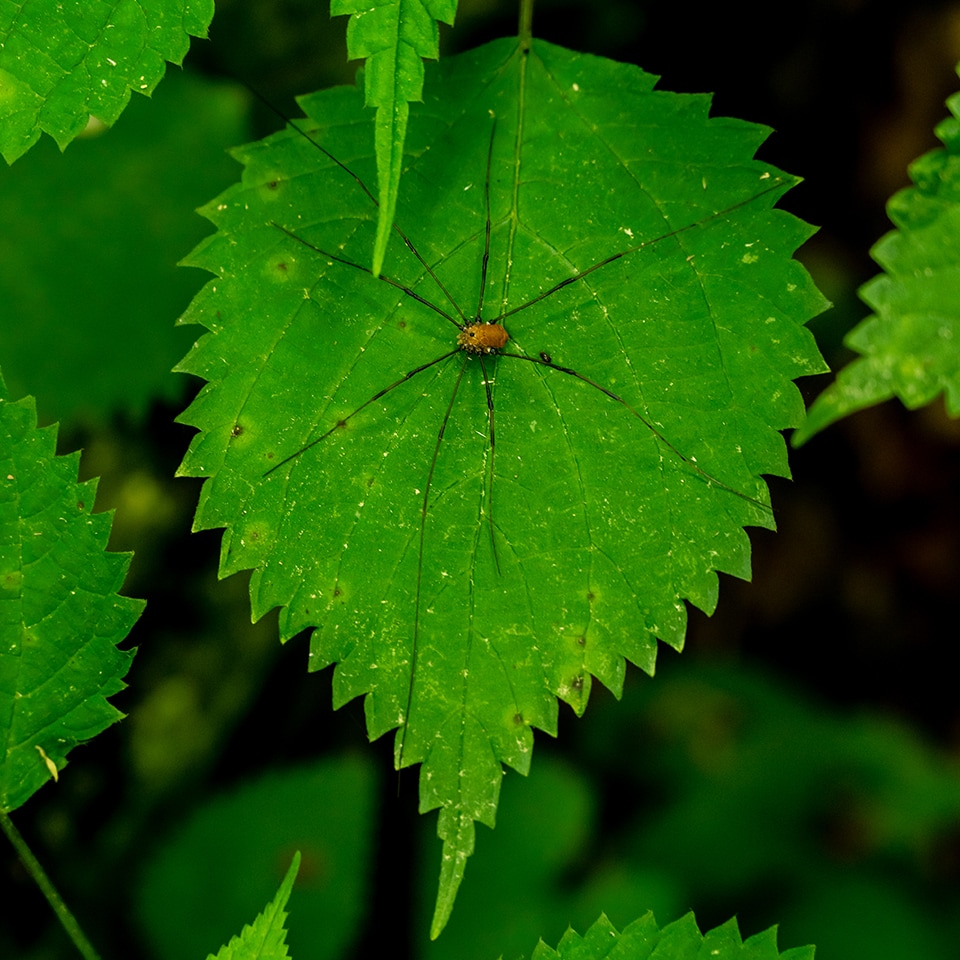
Harvestmen (Daddy Longlegs)
Order Opiliones
Not actually spiders, harvestmen have fused bodies and don’t spin silk. They use their front legs as feelers and feed on small prey, fungus, and detritus. Despite myths, they are not venomous—and can be found almost anywhere.
Spiders are essential members of healthy ecosystems, helping to balance insect populations and enrich biodiversity. The next time you see one in your garden, take a closer look—you might just find beauty behind the web.
Understanding spiders helps transform fear into fascination. Many are harmless, even helpful, and all are integral to a thriving natural world. If you’d like to learn more about creating a garden that supports beneficial creatures like spiders, send us a message.