16 Fascinating Facts About Fungi
Fungi play a vital role in plant health and they contribute to our ecosystem in so many different ways.
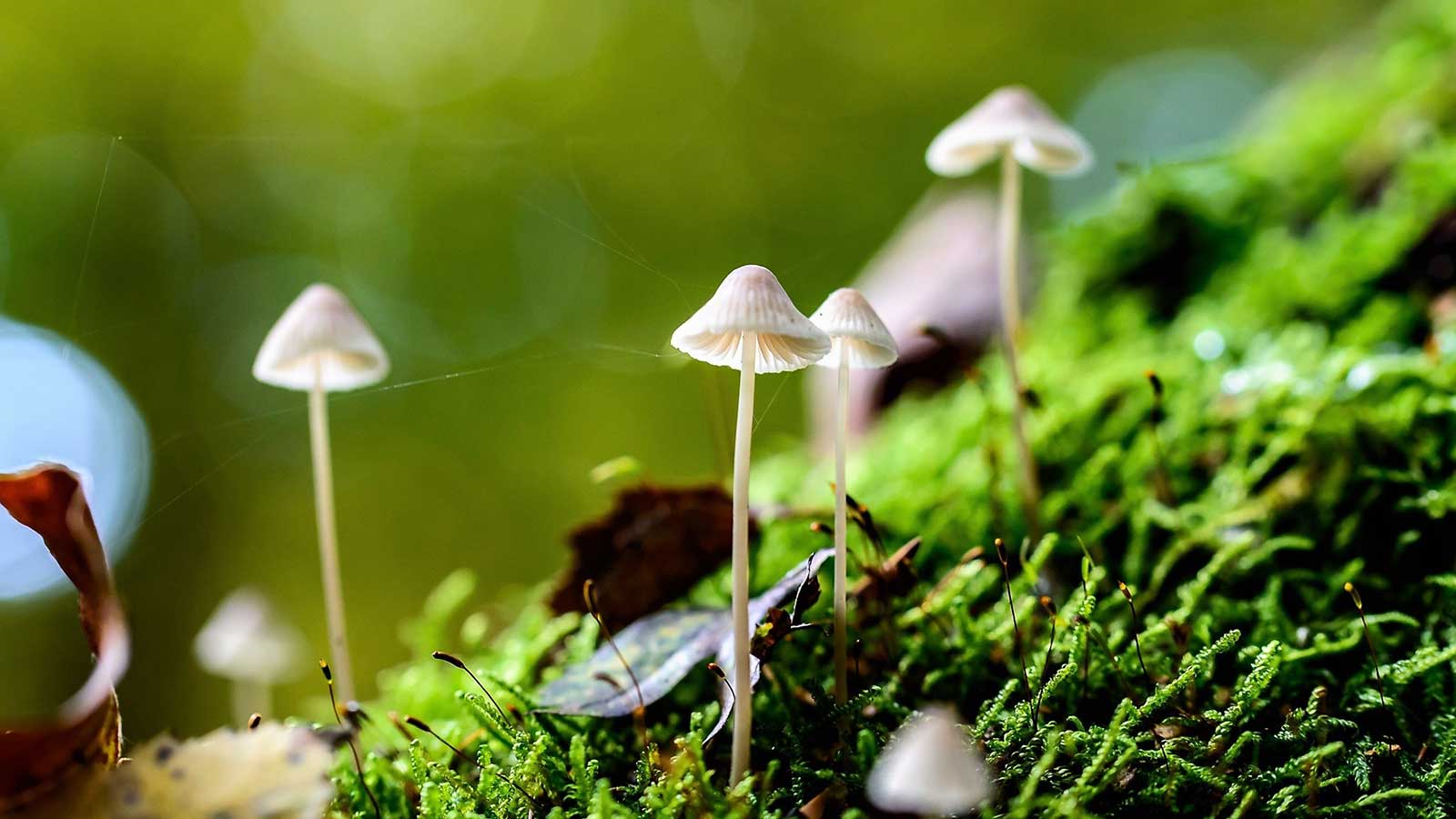
What do you think of when you hear the word “fungi”? Toadstools growing in the yard after an autumn rain? Button mushrooms on a salad? Those are only a small fraction of the kinds of fungi that exist in the world. There are 120,000 classified types of fungi. Scientists estimate that there are 2.2 – 3.8 million species in total, including mushrooms, yeast, lichens, rust, and mold. There is much to learn about this fascinating world of fungi.
Here’s something you probably didn’t know: fungi are the unsung heroes of tree and plant care. One specific type of fungus, the Mycorrhizal fungus, (say that three times fast!) forms an essential symbiotic relationship with plant roots. Mycorrhizal fungi help tree and shrub roots find water and nutrients. In return, the roots give the fungi carbon, carbohydrates, and other nutrients.
Want to learn more about fungi? Here are 16 of our favorite fungi facts.

Fungi are fashionable!
A specific type of fungus, Trichoderma reesi, is sometimes used to make stonewashed jeans. The enzymes produced by this fungus break down cotton jeans, making them feel softer.
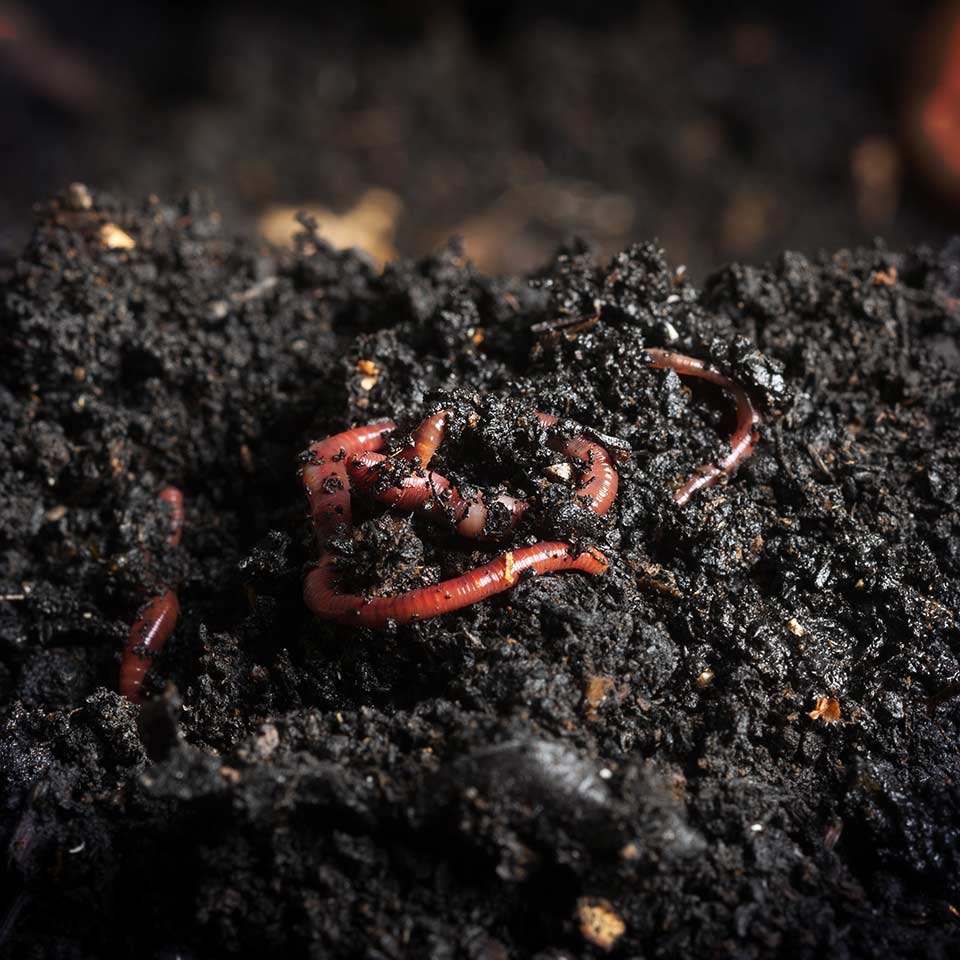
Researchers have measured up to 8 miles of fungi filaments in one teaspoon of soil.
One single hypha can be anywhere from a few cells to a few yards long.

15% of all vaccines and therapeutic proteins are made in yeast.
Hepatitis B vaccines are made using just simple baker's yeast.

Itaconic acid, an enzyme produced by fungi, is used to make Legos.
The enzyme is also used in UV coatings and printing ink.
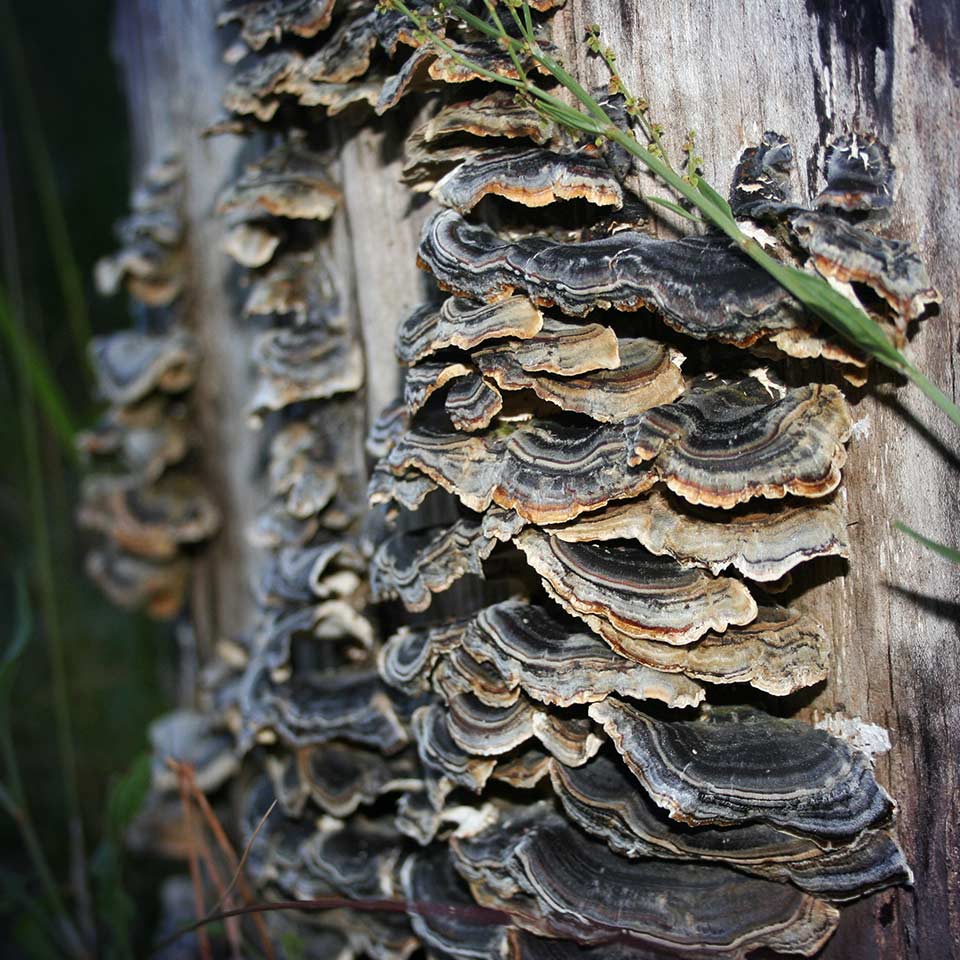
Modern medicine depends on fungi.
Medicines developed from fungi have been used to treat everything from high cholesterol to multiple sclerosis. Some fungi are even used to treat cancer.

Mushrooms are not the only kind of fungi you eat.
Roquefort and Camembert cheese, soy sauce, sourdough bread, and tempeh are all made using fungi.
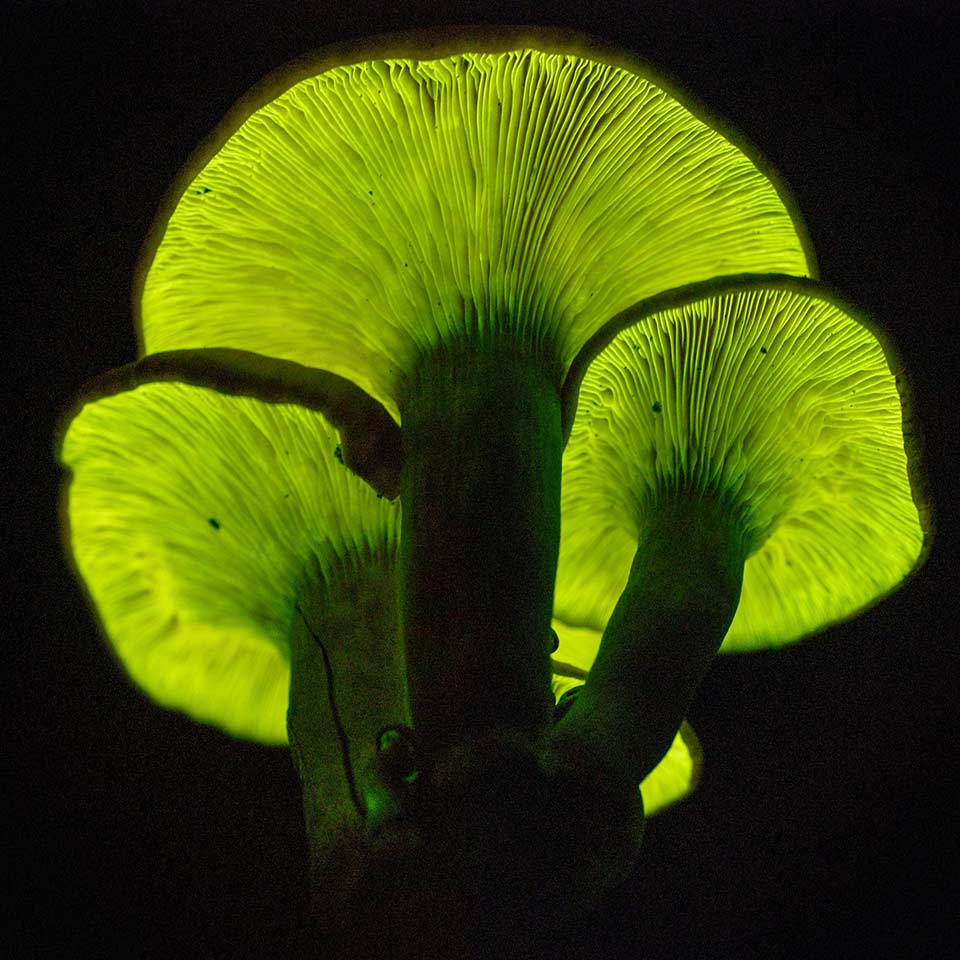
Some fungi are bioluminescent (they glow in the dark!).
The compound that makes them glow is found in fireflies too.
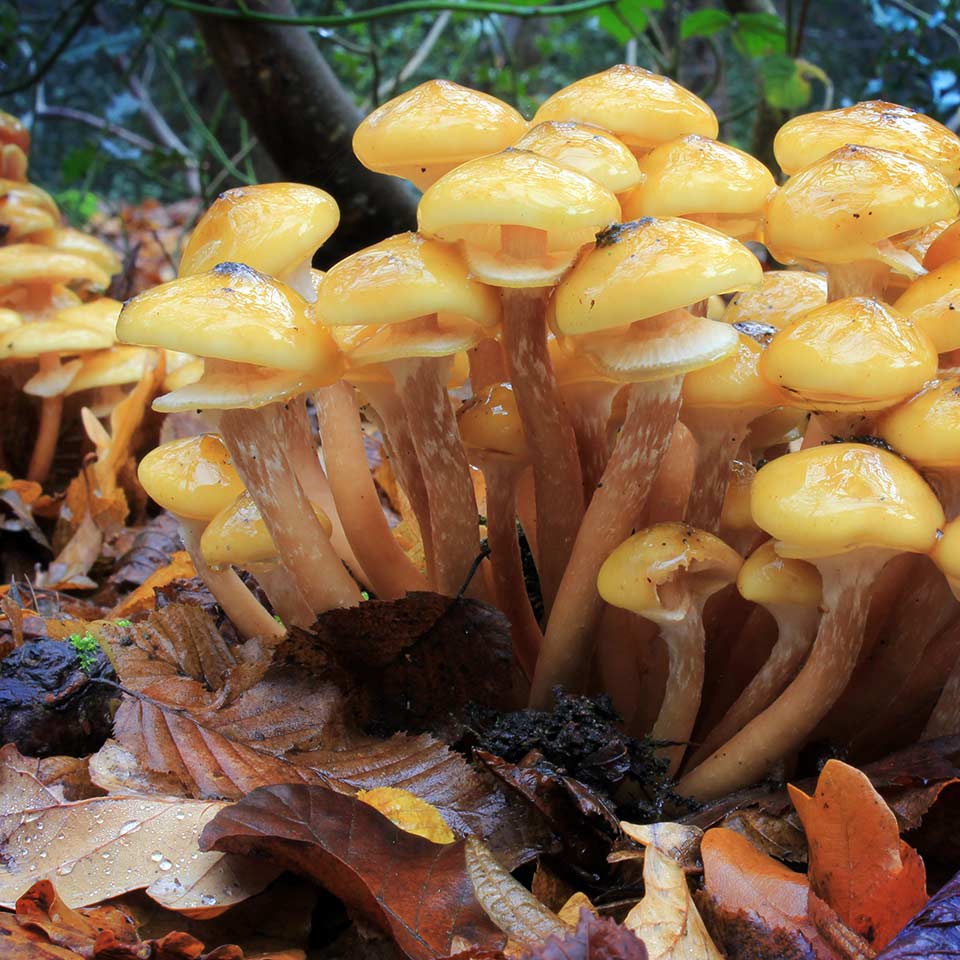
The largest living organism in the world is a mushroom.
The honey mushroom covers 2.4 miles in the Blue Mountains of Oregon. Despite its sweet name, the honey mushroom kills trees and woody plants.
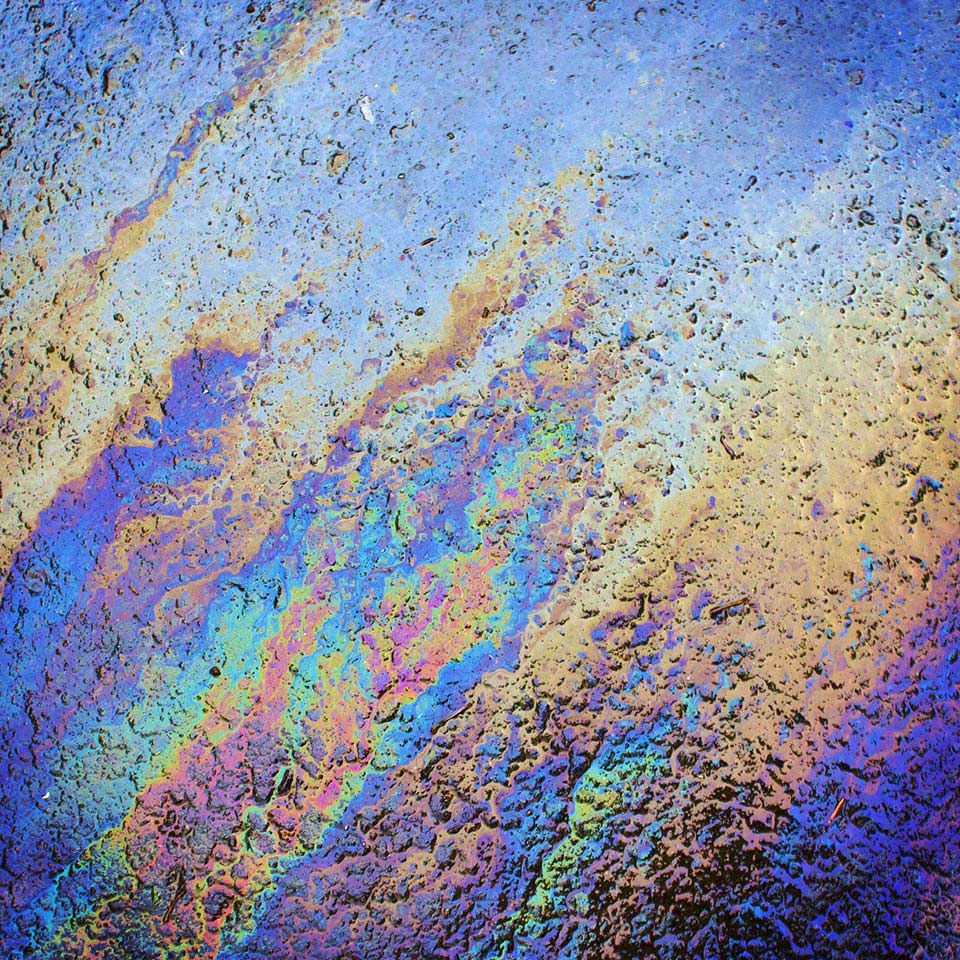
Special types of fungi are used to clean up oil spills and toxic chemicals.
Radiation-loving mushrooms were even used to clean up the nuclear disaster in Fukushima, Japan.
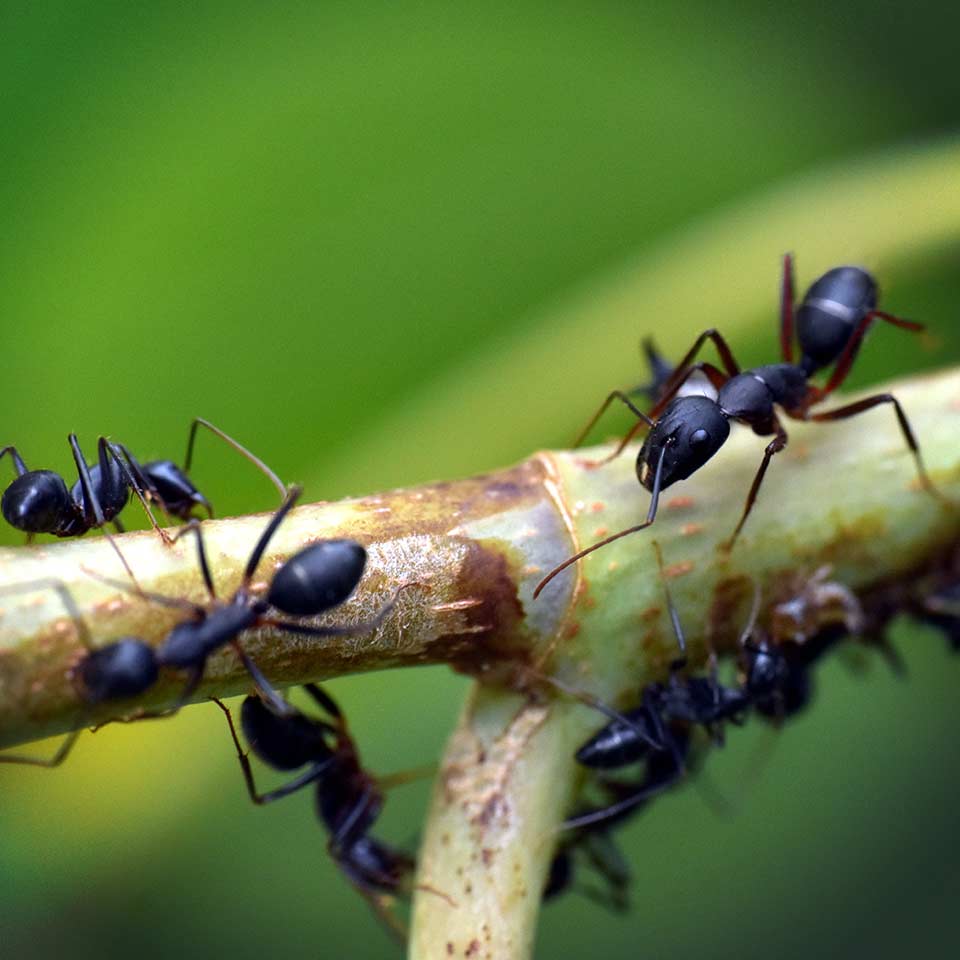
Fungi create zombie ants.
You read that right: zombie ants. A particular type of fungus infects carpenter ants and eventually controls their brains. The fungus needs a specific environment to reproduce, and gets there by hijacking theses ants who then carry the fungi to where they need to go.
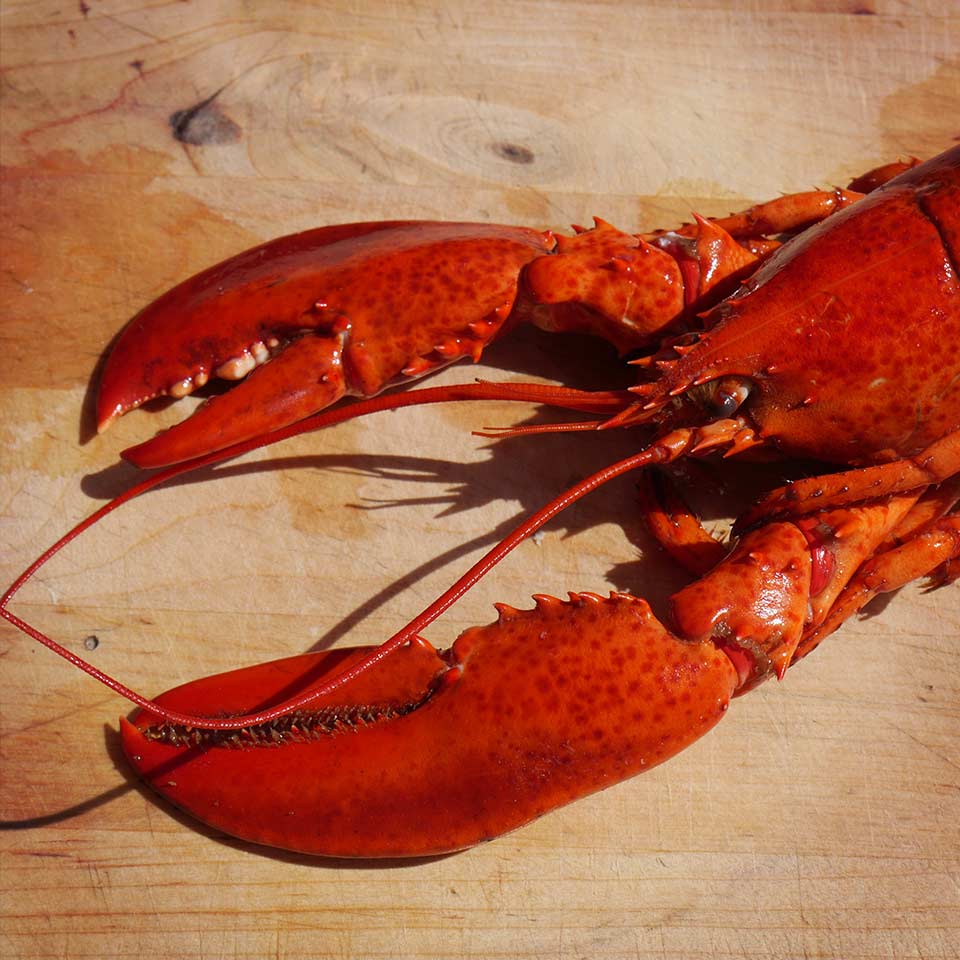
Fungi used to be classified as plants.
Actually, they have more in common with lobsters than with trees.
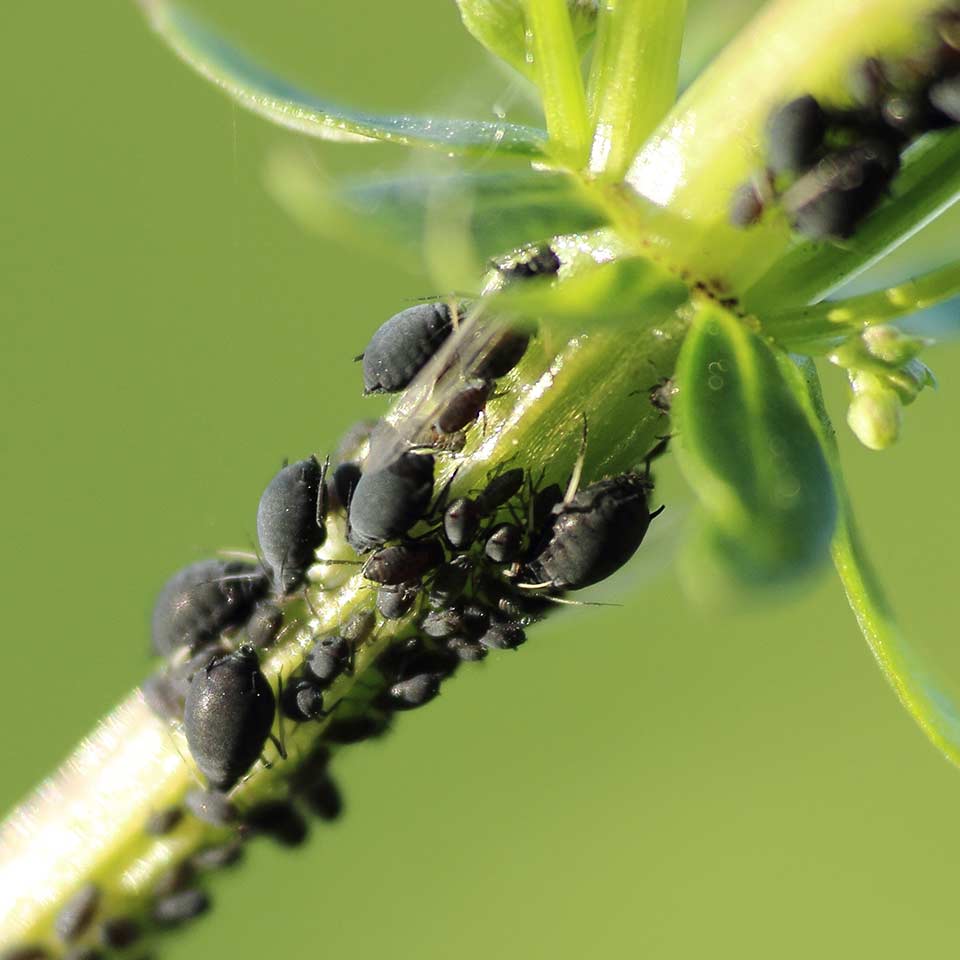
Fungi can control pests.
The fruiting body releases spores that infect insects and grow through their exoskeletons, suffocating them. Sometimes fungi create deadly toxins to speed up the process.
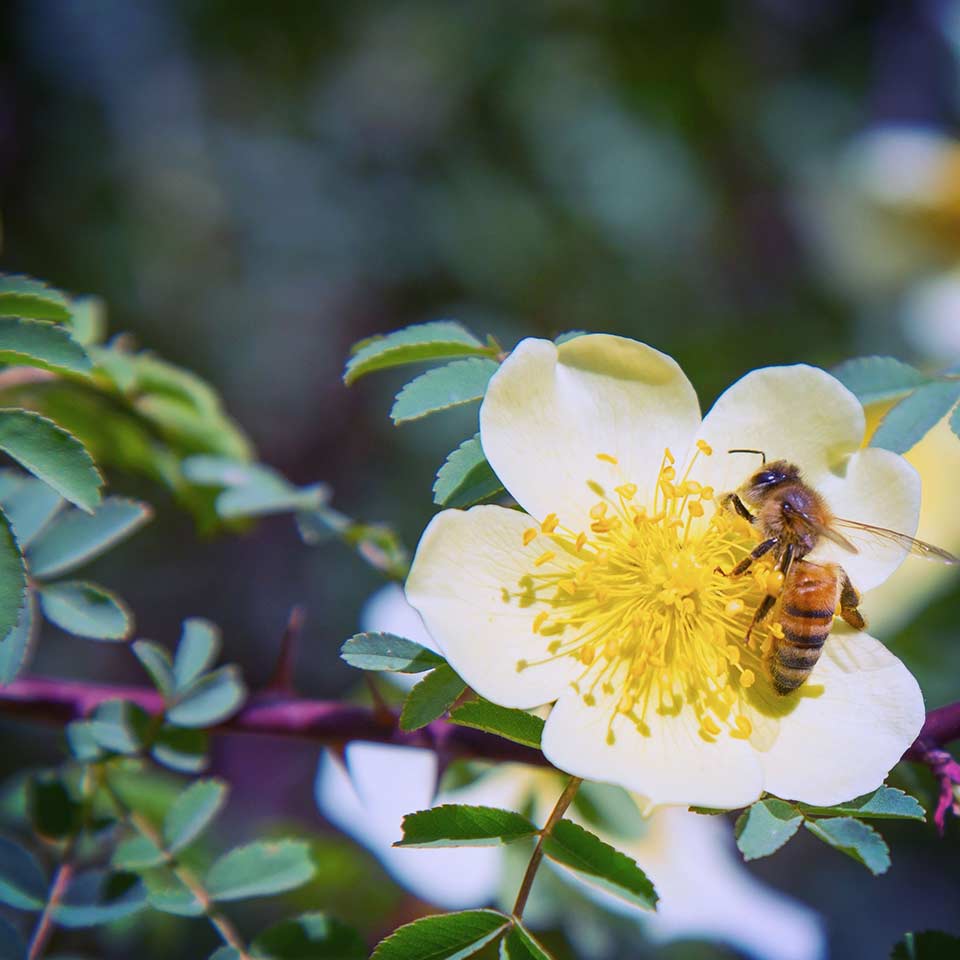
Mushroom tinctures are being tested on honeybees to protect them from a virus-carrying mite.
The tinctures could protect the bees’ immune system from the virus.
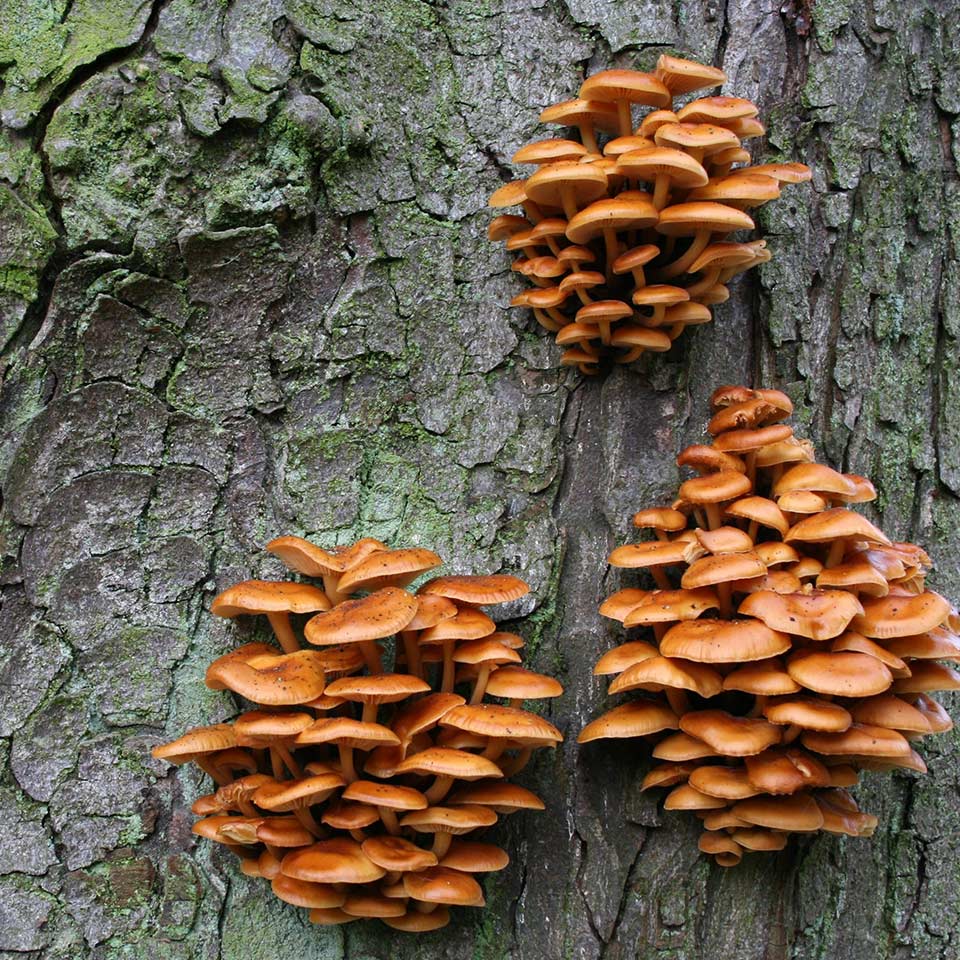
Fungi allow trees to talk to each other.
The “Wood Wide Web,” as coined by Dr. Simard, is a network of Mycorrhizal fungi that form a symbiotic relationship with tree roots. The vast network allows trees to warn each other about pests, drought, and disease.
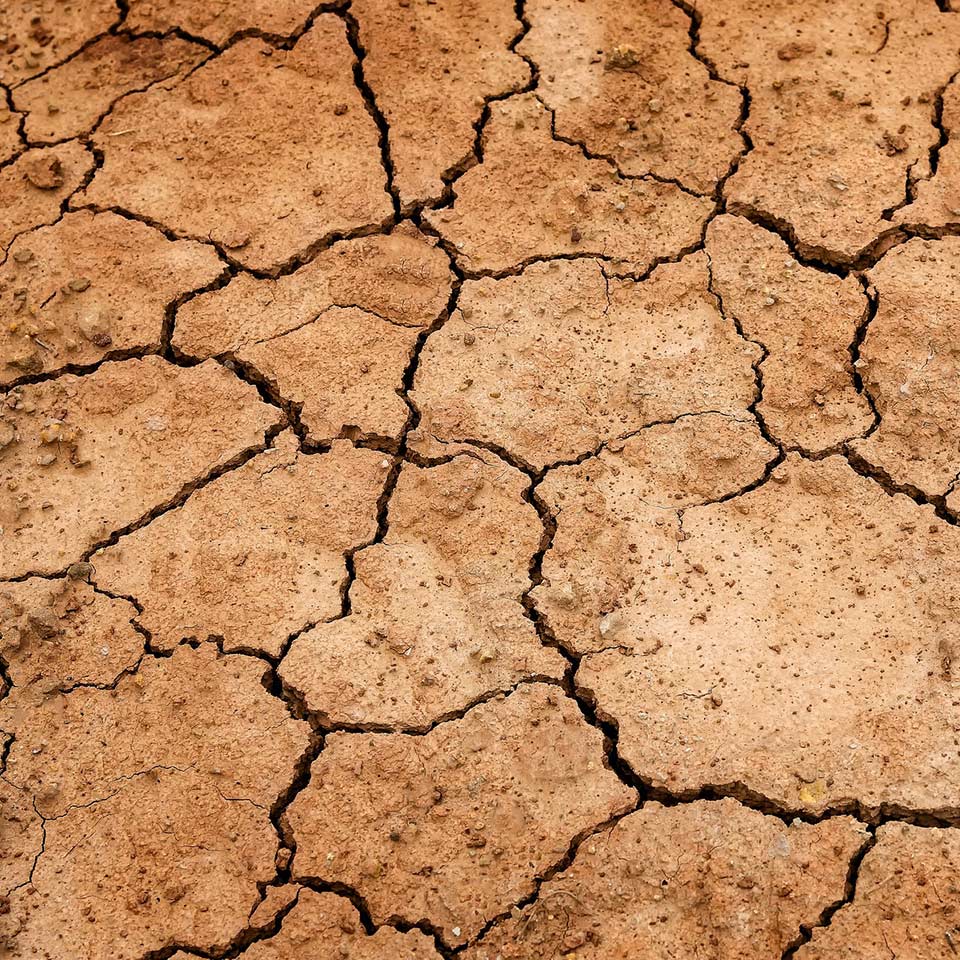
These magical Mychorrzial mushrooms can even help reverse climate change.
Glomalin, a by-product from mycorrhizal fungi, can capture and store carbon in the soil, removing it from the atmosphere.
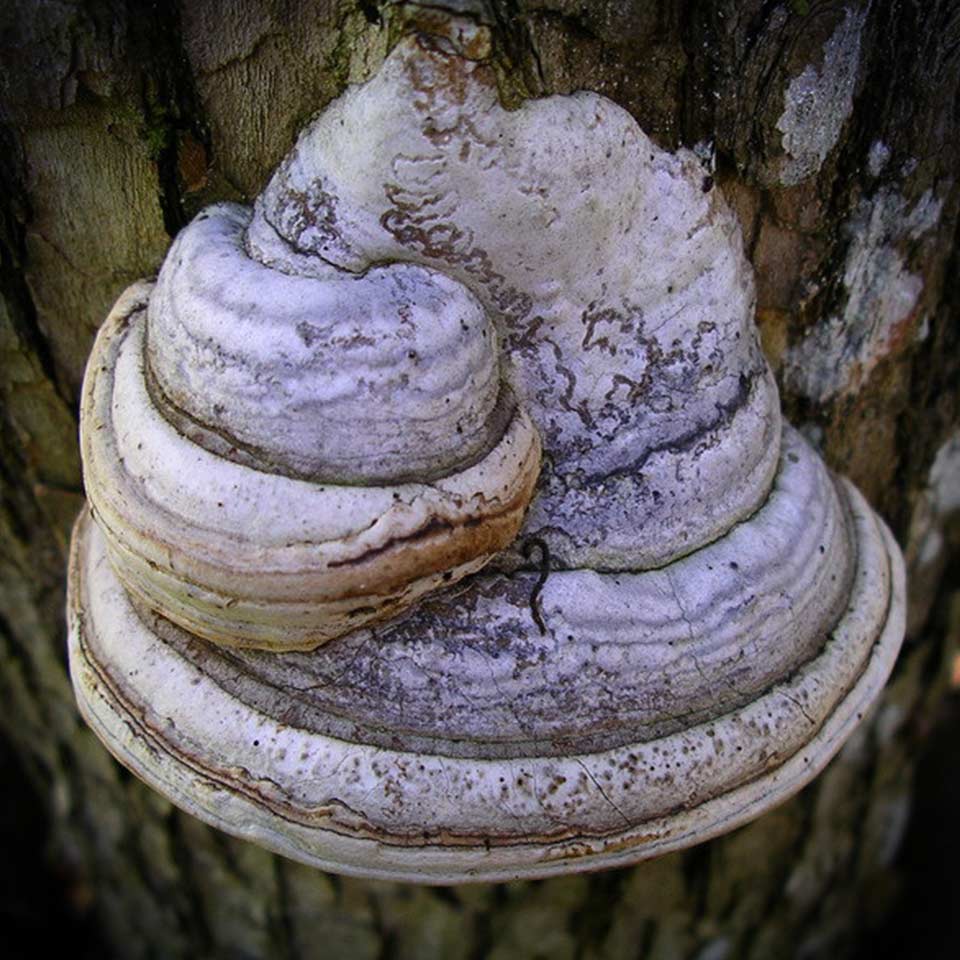
Humans and mushrooms have a history.
Amadou mushrooms, for instance, have been used for everything from starting fires to creating felt-like fabric and artificial leather. An Amadou mushroom was even found with the 5000 year old remains of “Otzi the Iceman.” So yeah, mushrooms and humans go waaay back!
Fungi are fantastically diverse and involved in so many different parts of our ecosystem. These examples are just the tip of the iceberg. Thousands of new species are discovered every year, so it’s impossible to know all of the ways fungi impact our environment.
However, we do know that fungi play a vital role in plant health. Without fungi, there is no healthy soil, and without healthy soil, there are no happy trees.
If you have any questions about fungi or want to know how we use fungi to keep trees healthy, send us a message.