6 Reasons Why Planting A Native Tree Benefits the Environment and Our Local Ecosystem
Native trees need less care, have a better chance of survival, and provide food and shelter for local wildlife.
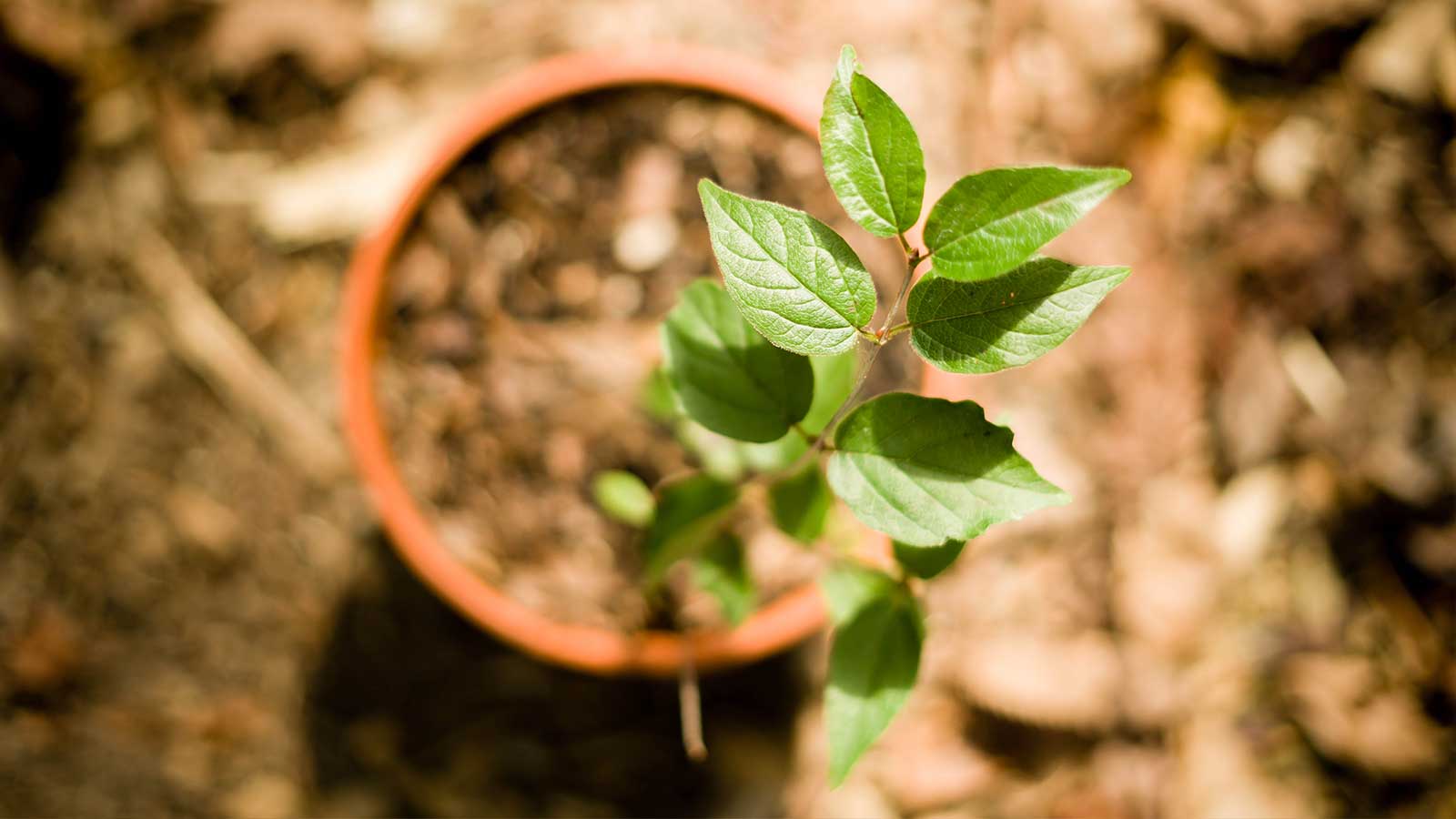
At Project Pando, we are growing native trees that have been cultivated from seeds collected from our own backyards. But we often get asked why it is important to plant trees that are native to our local ecosystem.
There are so many benefits to planting native trees over non-natives.
These trees are well adapted to their environment, provide many benefits to the local ecosystem, and require little care after they become established. But that is just the very beginning.
Here are 6 reasons why you should choose native trees:
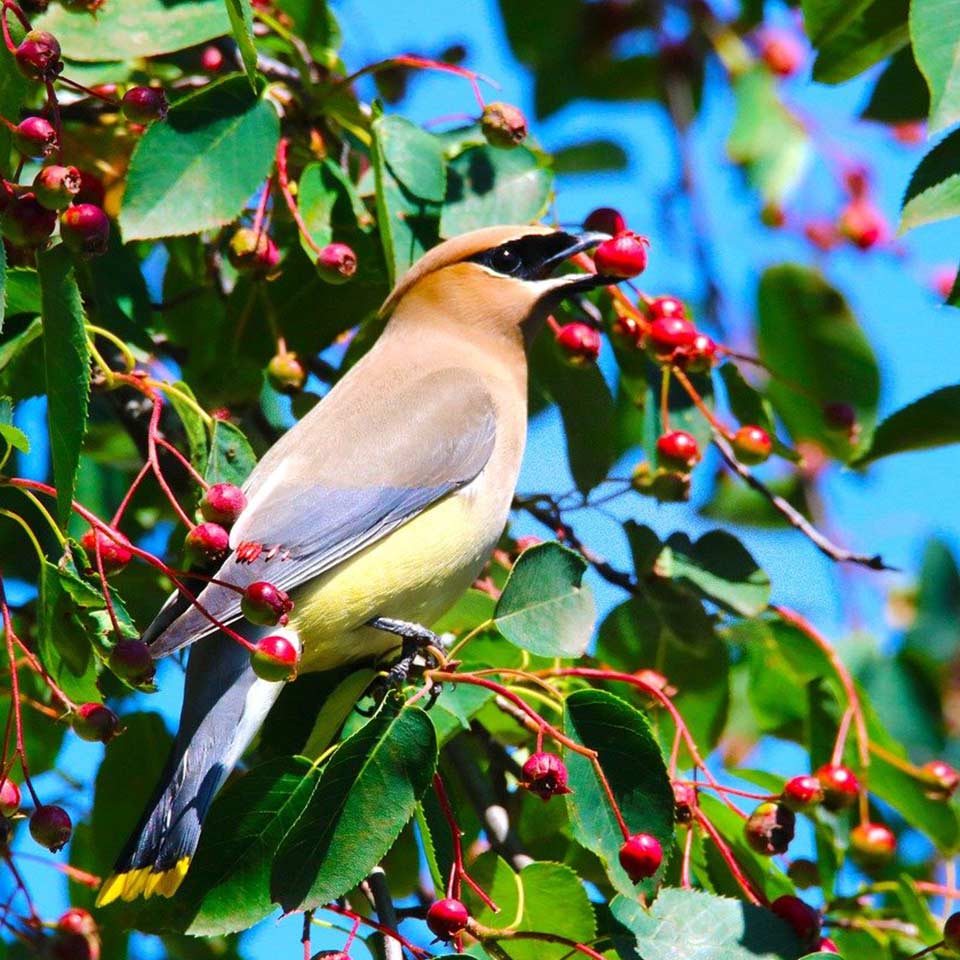
1. Provide food and shelter for local wildlife
The native cherry tree (Prunus serotina) can support 448 different species of moths and butterflies. And that's just ONE tree. Compare that to a Japanese cherry tree (Prunus serrulata) that only supports a handful of birds who eat the fruit. Insects, birds, and small mammals are dependent on the shelter and food sources that native trees provide.
2. Better chance of survival
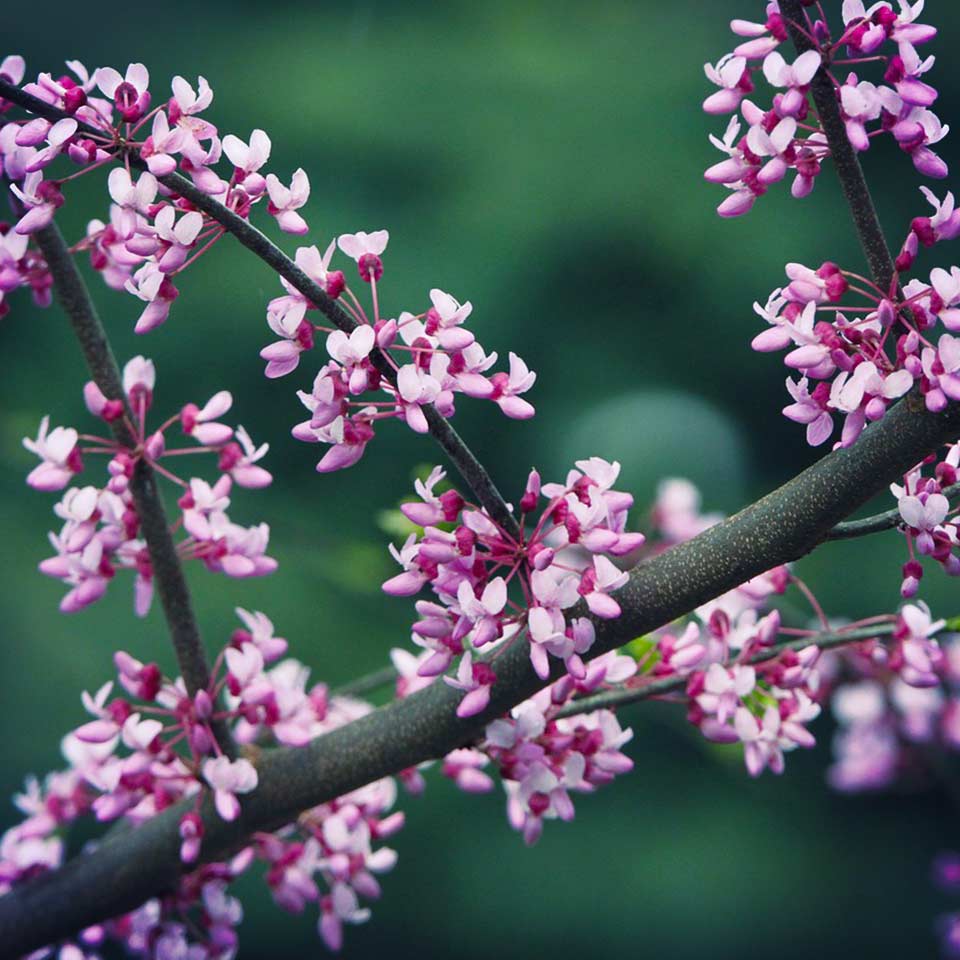
Native trees have a better chance of survival because they have adapated to the environments where they naturally grow. They can handle the cold winters and hot summers of their native regions’ climate.
3. Less need for fertilizer
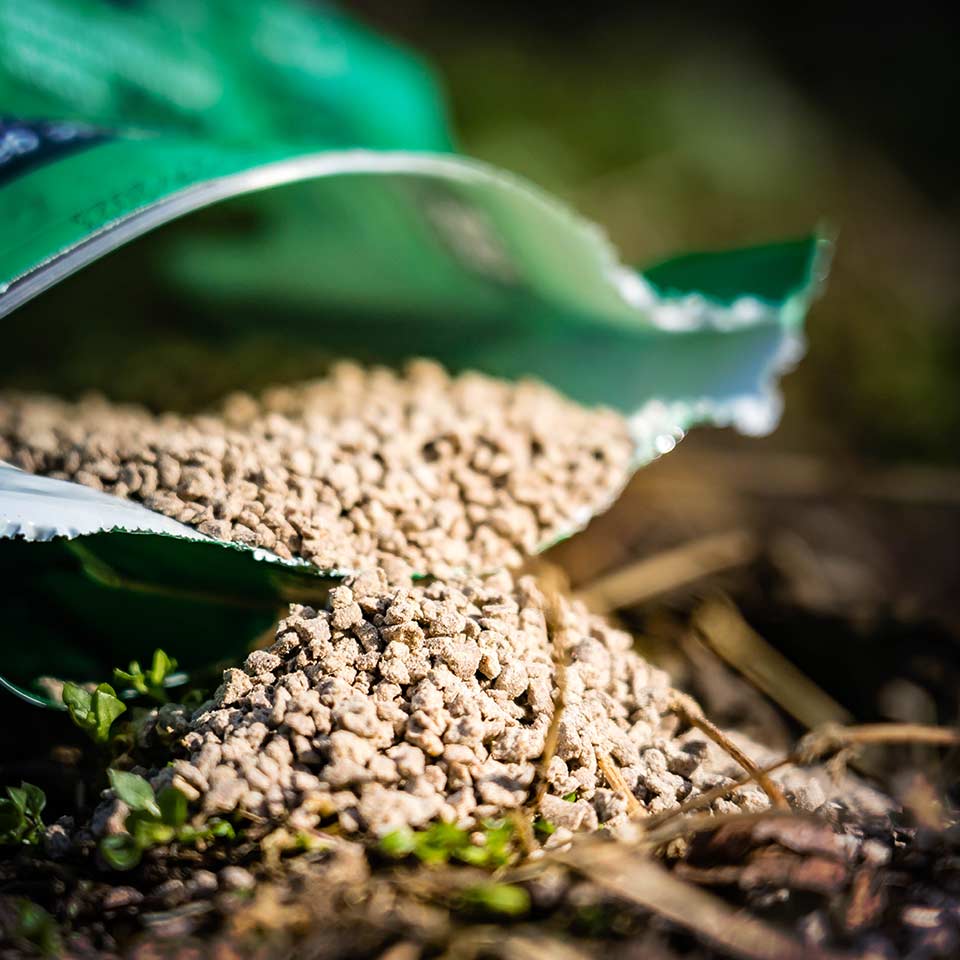
In addition to adapting to the environment, native trees are accustomed to the soil conditions in their native region. If the surrounding soil is healthy, they will have access to all the nutrients they need. This means that you don’t have to add special fertilizers to “fix” the soil.
4. Saves water
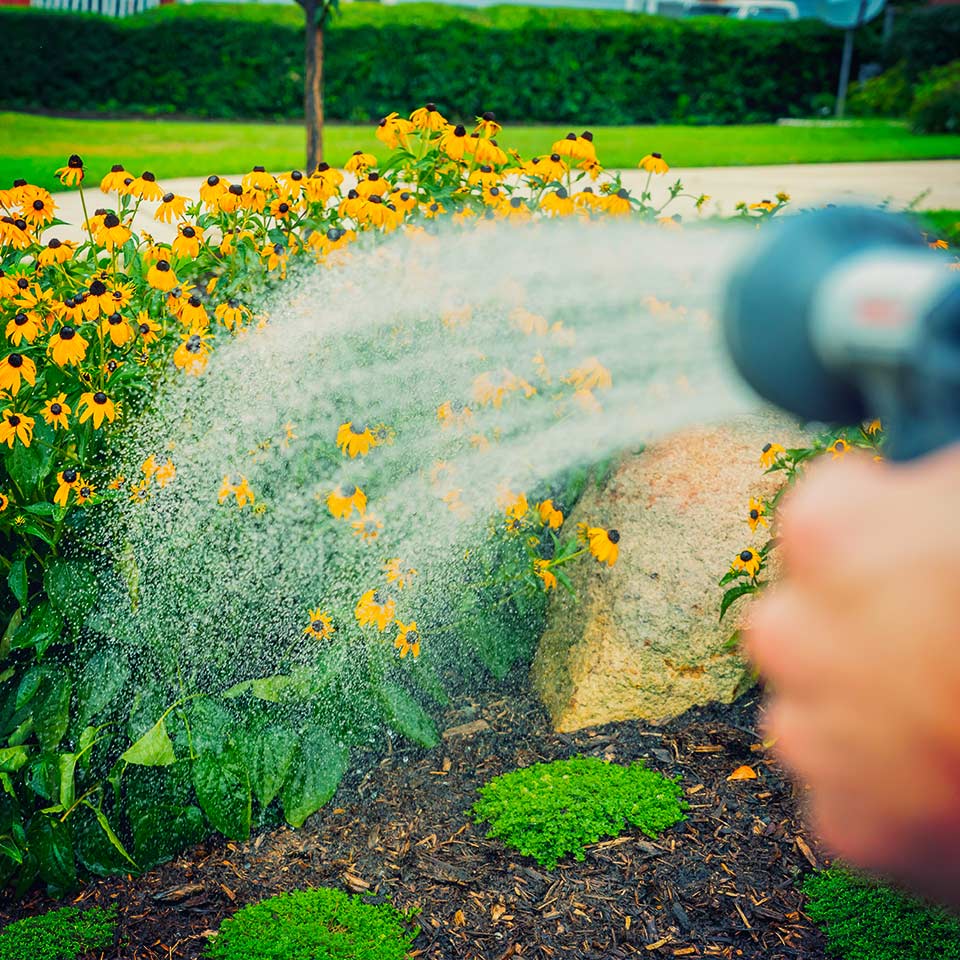
Once established, native trees require less water because they can withstand the weather conditions where they naturally grow. For example, Smoketrees, native to central North Carolina, are drought resistant and do well in clay-rich soil. On the other end of the spectrum, Bald Cyprus trees are native to southern swamps, which means they can grow in sandy soil and withstand flooding.
5. They are non-invasive
Native trees and shrubs have natural limits that help keep their growth in check. This means that they won’t take over an area through unrestricted growth. However, too much of a good thing can be harmful, even when it comes to native trees. No one wants a monoculture.
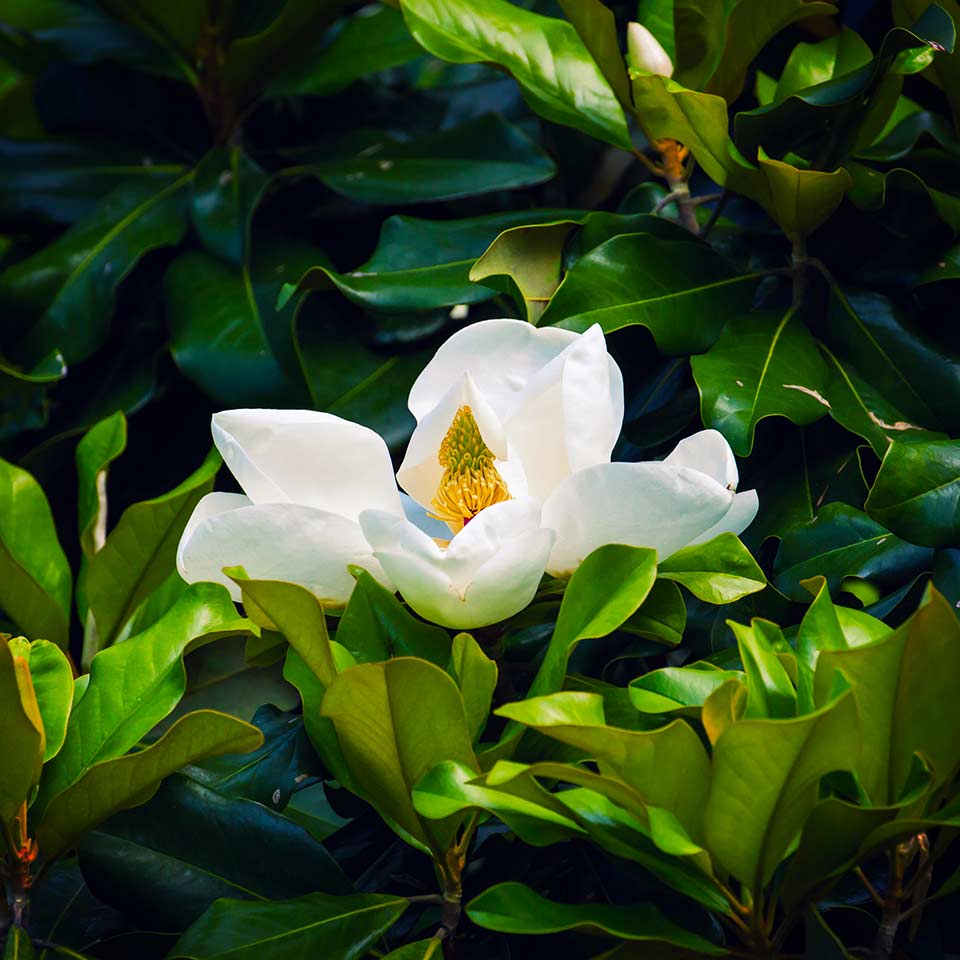
6. They’re beautiful!
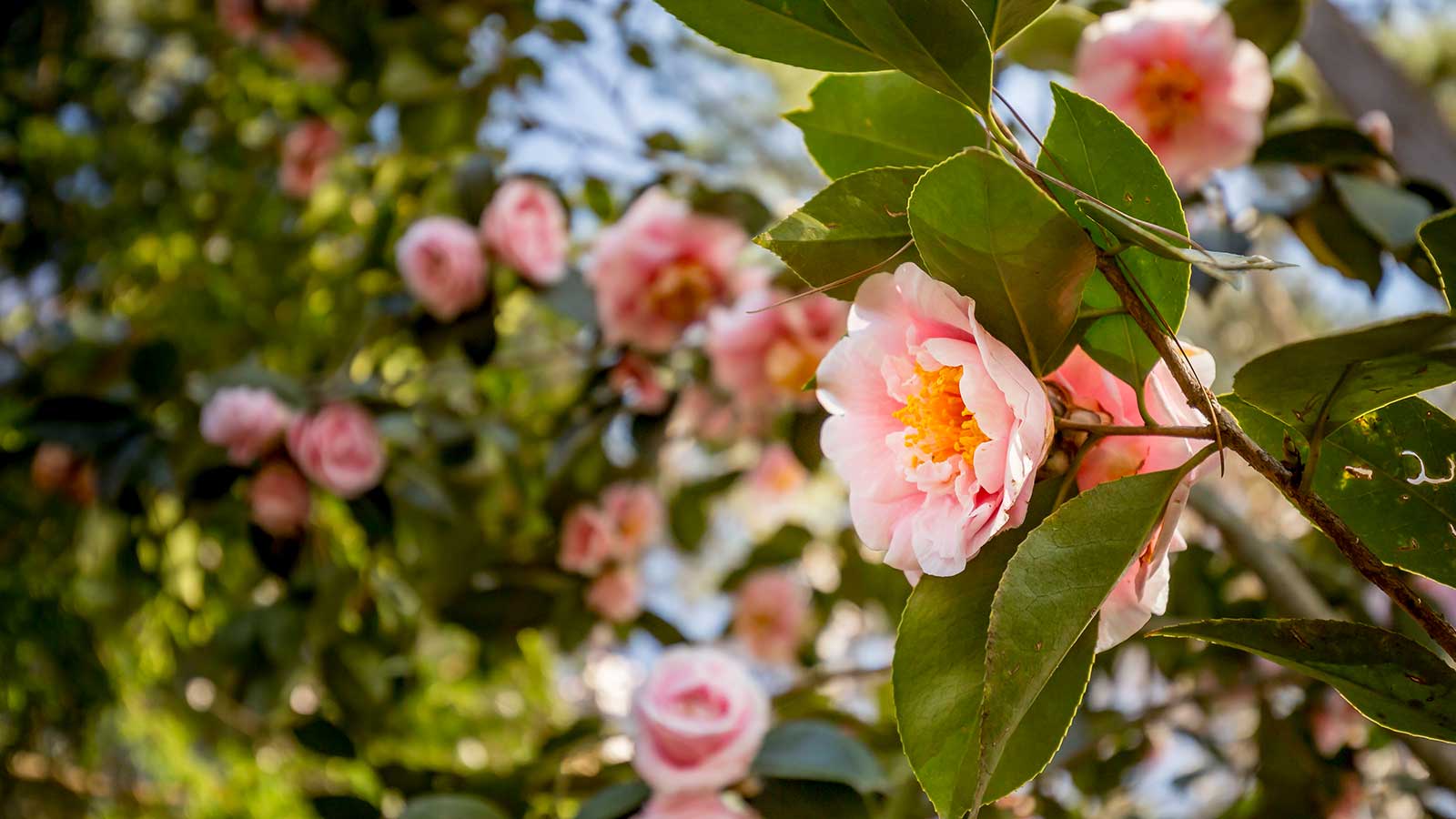
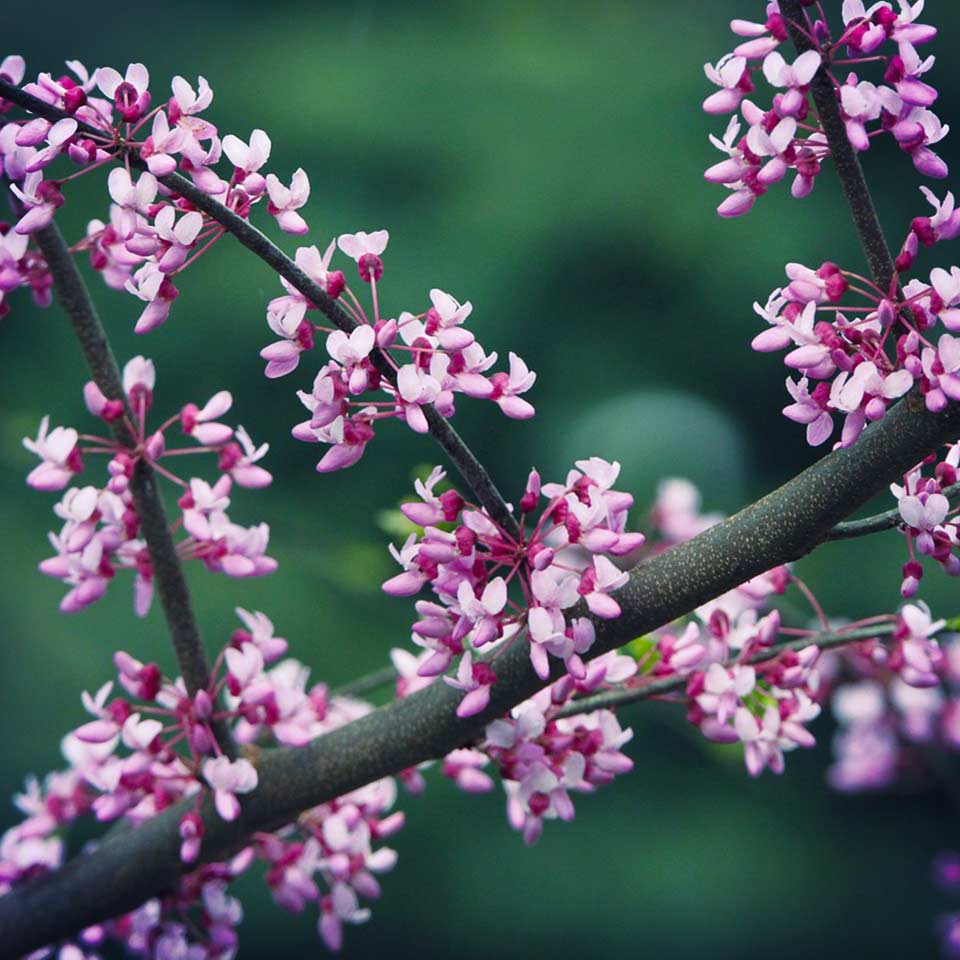
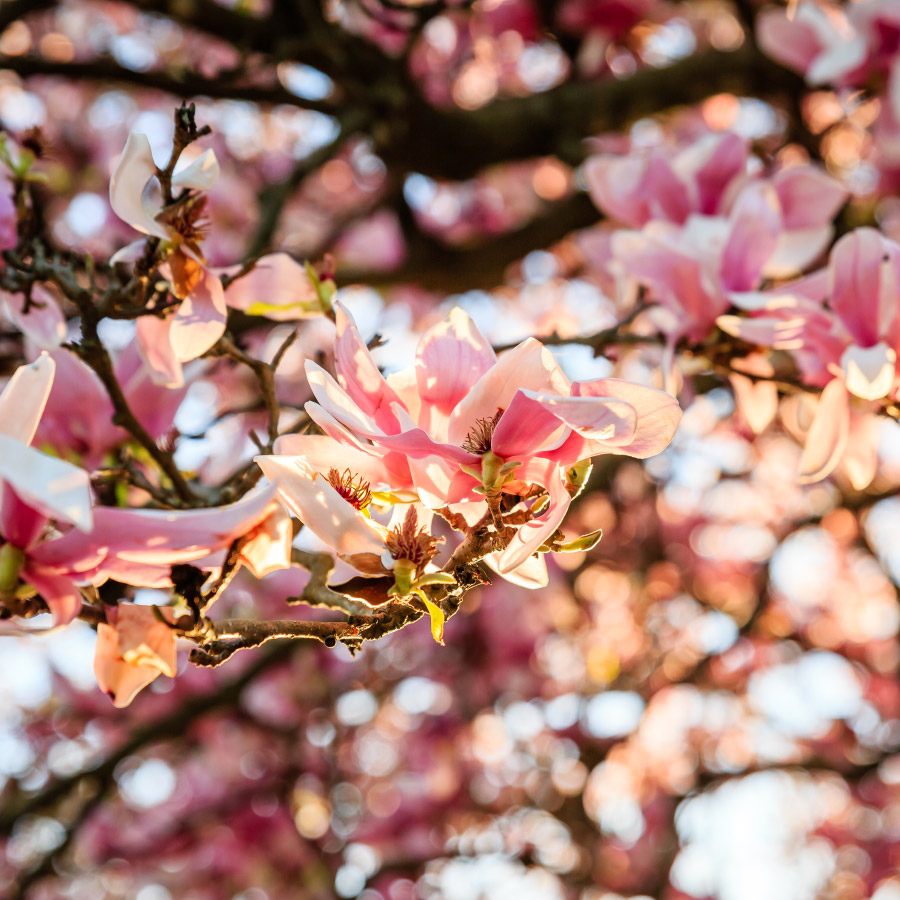
Have you ever seen a willow oak’s leaves change color in the fall? What about a Sweetbay Magnolia tree in full bloom in the spring? These native trees add so much beauty to our yards.
As you can see, native tree species are not only beneficial to our local ecosystem, but planting trees in the environment to which they have adapted means they will have a better chance at a long and healthy life.
BONUS: If you want to take your native planting game to the next level, try harvesting seeds from the wild. By doing so, you help increase the genetic diversity of our urban forest. This increases the resilience of our neighborhood canopies, increasing their ability to withstand future pressures from new pests, a changing climate, and so forth.
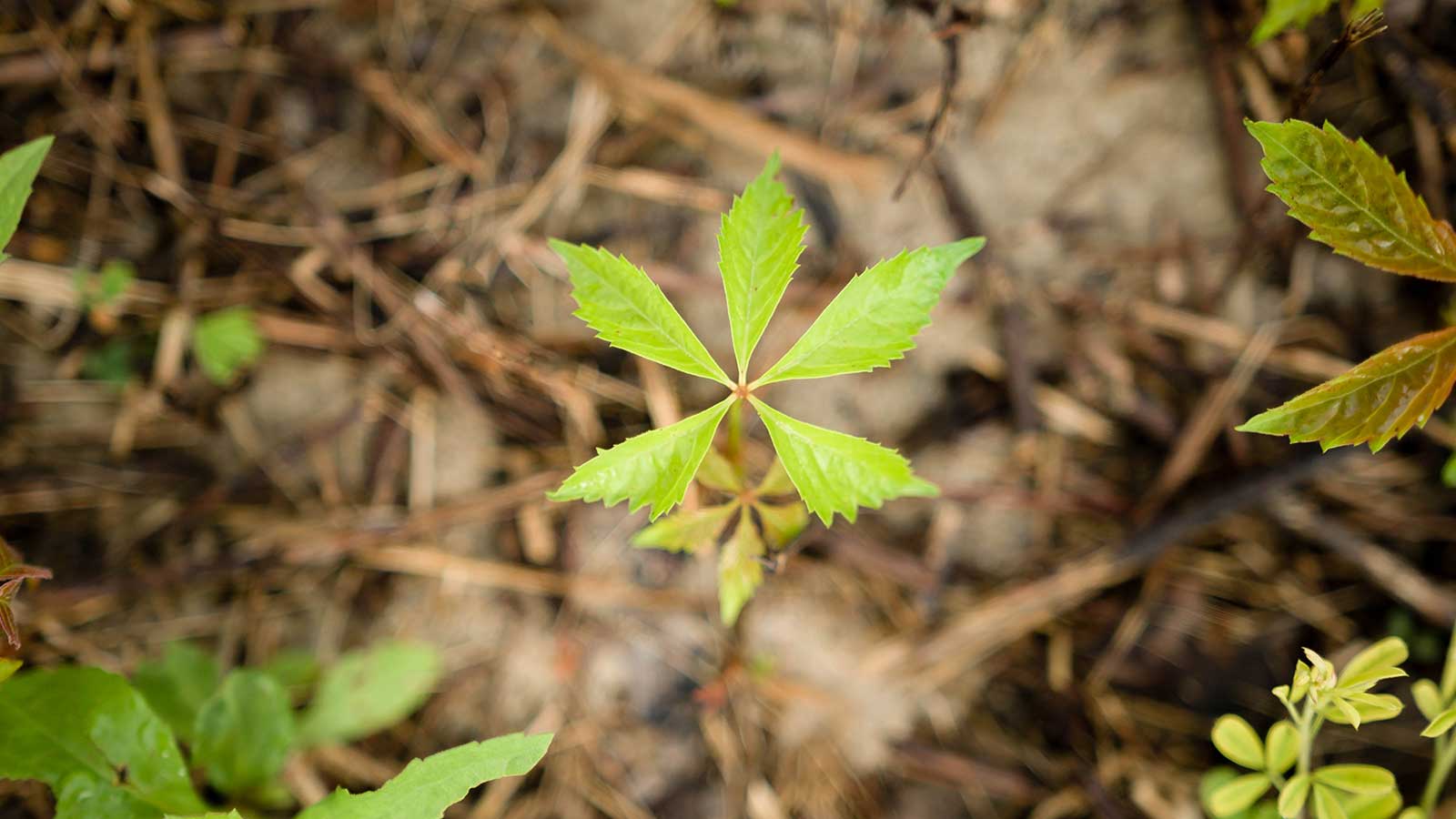
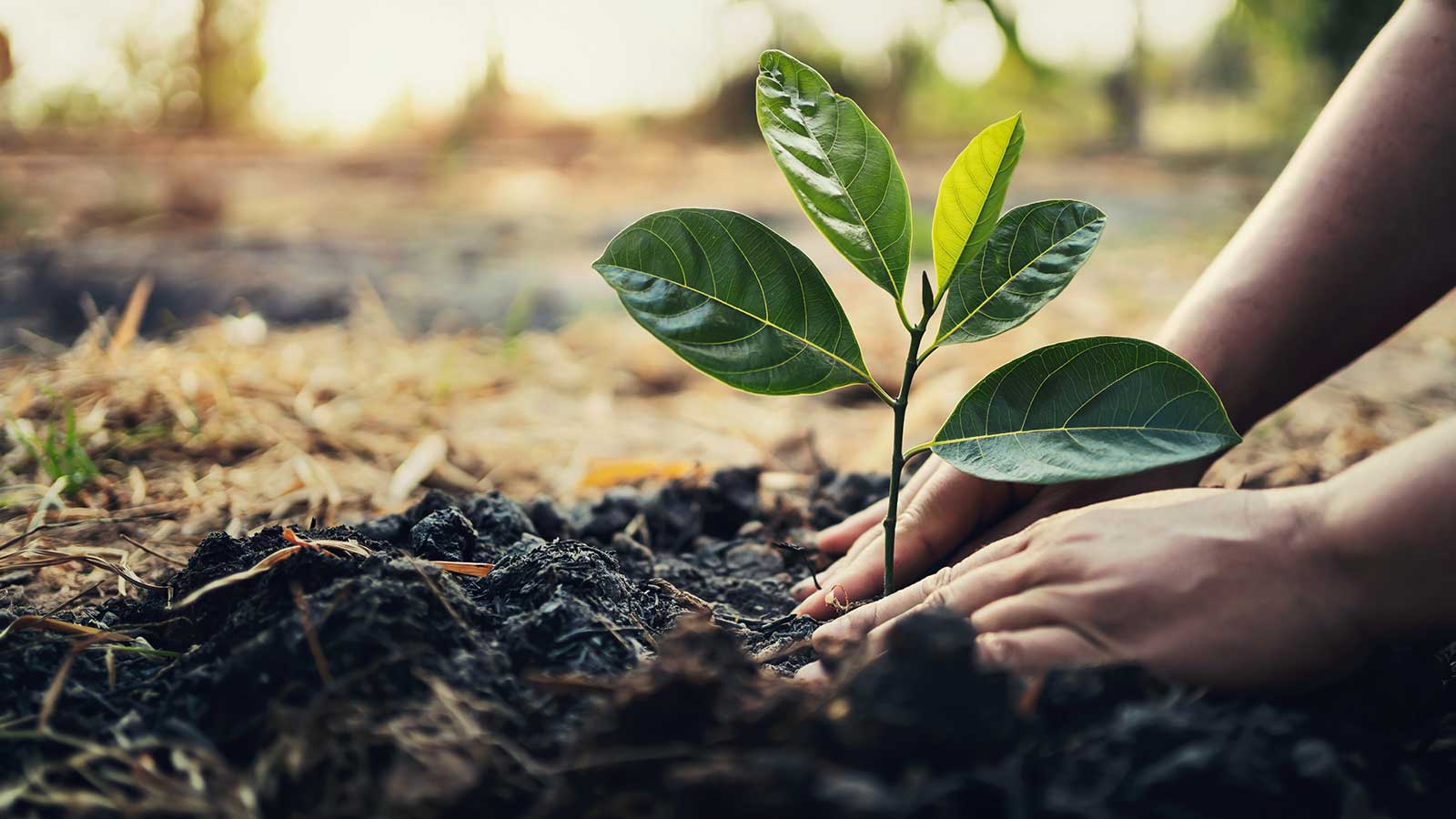
Lastly, if you decide to plant a native tree species, plant them as saplings! Smaller trees have a better chance to establish strong root systems and, in turn, will grow more quickly.
Need help deciding which trees to plant? Want to get involved in Project Pando? We’re only an email away. So feel free to send us a message.