Chemical Fertilizers: 3 Surprising Myths and Why You Should Choose Organic Matter Instead
Resist the urge to use chemicals on your trees and shrubs. Use compost, wood chips, or leaf mulch instead.
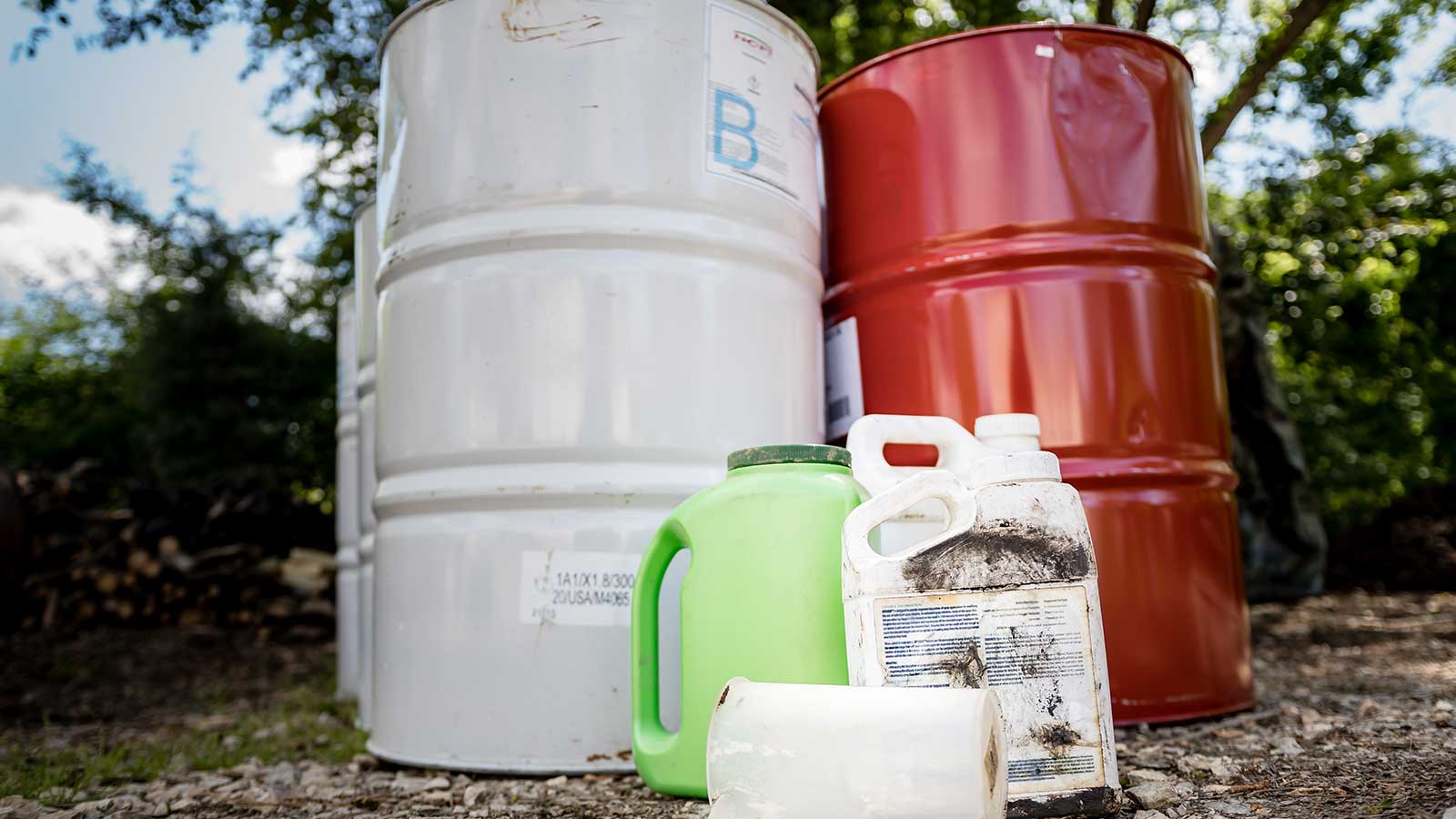
When you walk into any big box gardening store, it’s easy to assume that fertilizer is essential to the health of your plants. There are aisles and end caps dedicated to the chemicals that magically make your lawn greener, your trees healthier, and your vegetables more bountiful. However, like the aisles of sugary sodas in grocery stores, those rows of fertilizer do more harm than good.
Chemical fertilizer is not the miracle remedy for all that ails your plants.
These three myths about chemical fertilizers are examples of why you should resist the urge to use chemicals on your trees and shrubs.
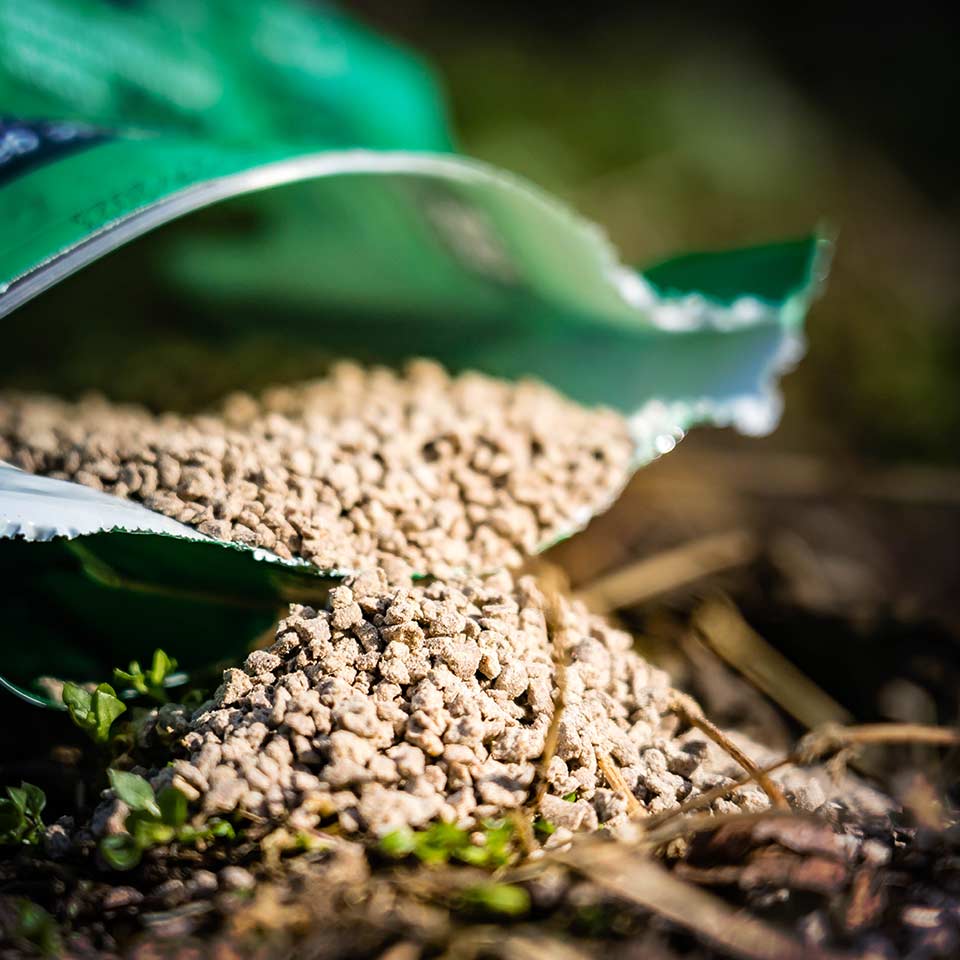
Myth 1: Fertilizer feeds your tree
Unless you are a commercial farmer, chances are pretty good that the dirt around your tree or shrub has all of the nutrients that your plant needs to be healthy. More often, the problem is that there is no life in the soil to break down those nutrients so that roots can consume them. The nutrients and minerals are NOT what is missing.
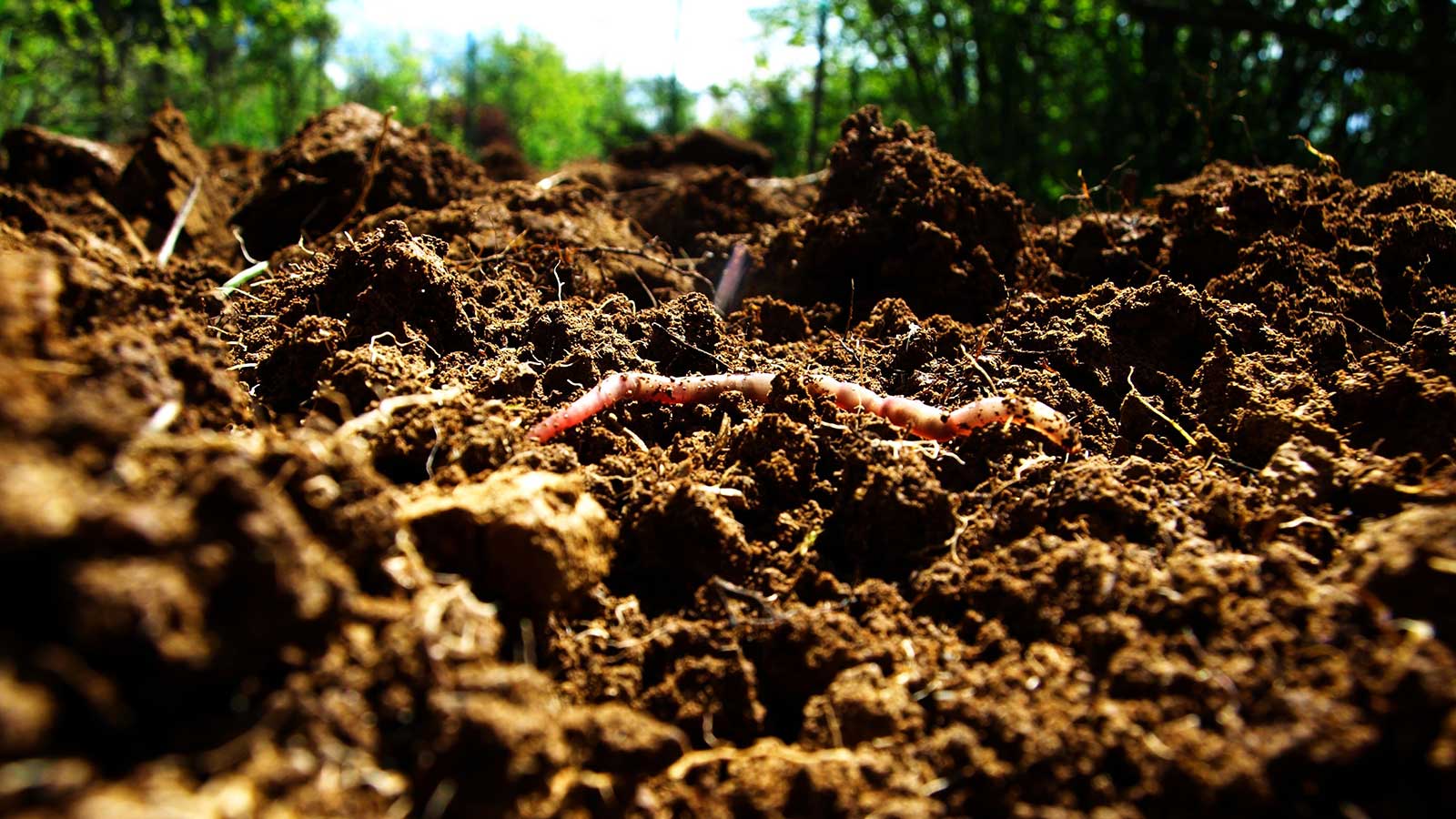
Millions of tiny critters live in your soil, such as fungi, bacteria, and earthworms. These microscopic creatures extract minerals from the earth and turn them into tree food. They give the tree everything it needs, including nitrogen, phosphorus, and potassium.
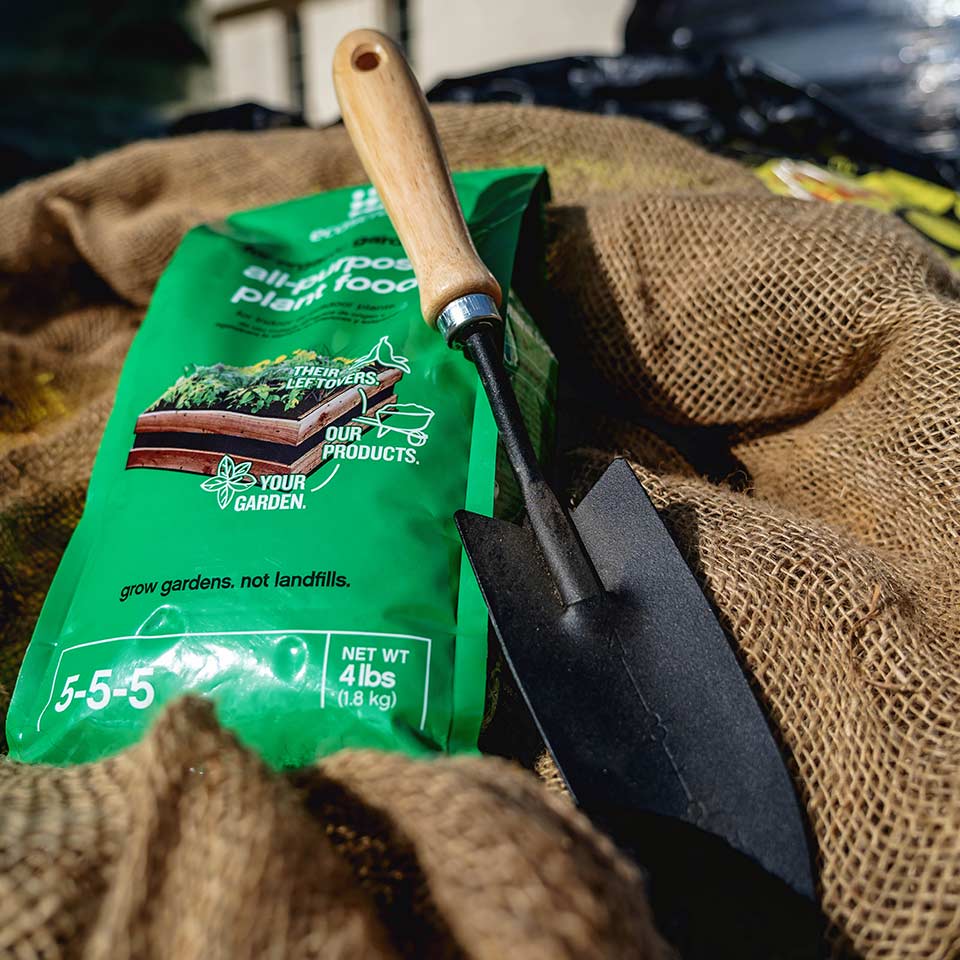
Myth 2: Fertilizer makes your tree healthier
Chemical fertilizer might offer short-term gain, but it hurts trees and shrubs in the long run. Those tiny creatures we mentioned above? Fertilizers can damage or kill the life in your soil.
When the life in the soil dies, the dirt around your tree becomes denser or more compact. This causes a multitude of issues for your tree. Compacted soil restricts root growth and makes it more difficult for roots to access the water and nutrients they need. The little critters in healthy soil create "pore space" or room for water and oxygen to move through the ground and to reach the roots of your tree or shrub.
Myth 3: Fertilizer is safe for people and the planet
Certain chemical fertilizers claim to be safe for people and the planet, but it’s not that simple.
Yes, some products are safe when applied to your plants, but that is not the whole story. Let’s look at nitrogen as an example.
Nitrogen is commonly found in chemical fertilizers; however, most nitrogen applied to your trees and shrubs runs off into waterways. Why is this a problem?
According to Dr. Bill Schlesinger at the Duke Nicholas School of the Environment, nitrogen runoff can “render drinking wells unusable in some farming communities.” Nitrogen also encourages excessive plant growth, known as algae blooms, in streams and rivers. When the algae decompose, it consumes oxygen from the water, causing fish to die in large quantities.
“An area of the Gulf of Mexico, about the same size as New Jersey, now appears to be a “dead zone,” as a result of nitrogen pollution carried by the Mississippi River.” – Dr. Bill Schlesinger, Duke Nicholas School of the Environment
These products are not safe for the planet. Furthermore, the downstream effects cause immense harm to our local ecosystems.
There are so many other harmful impacts of using store-bought fertilizer: the plastic waste from packaging, the energy that goes into the manufacturing of these products, and the fuel needed to ship it across the country (in some cases, around the globe).
The good news is that the alternative to store-bought fertilizer is better for the planet, free, and widely available in your backyard or kitchen.
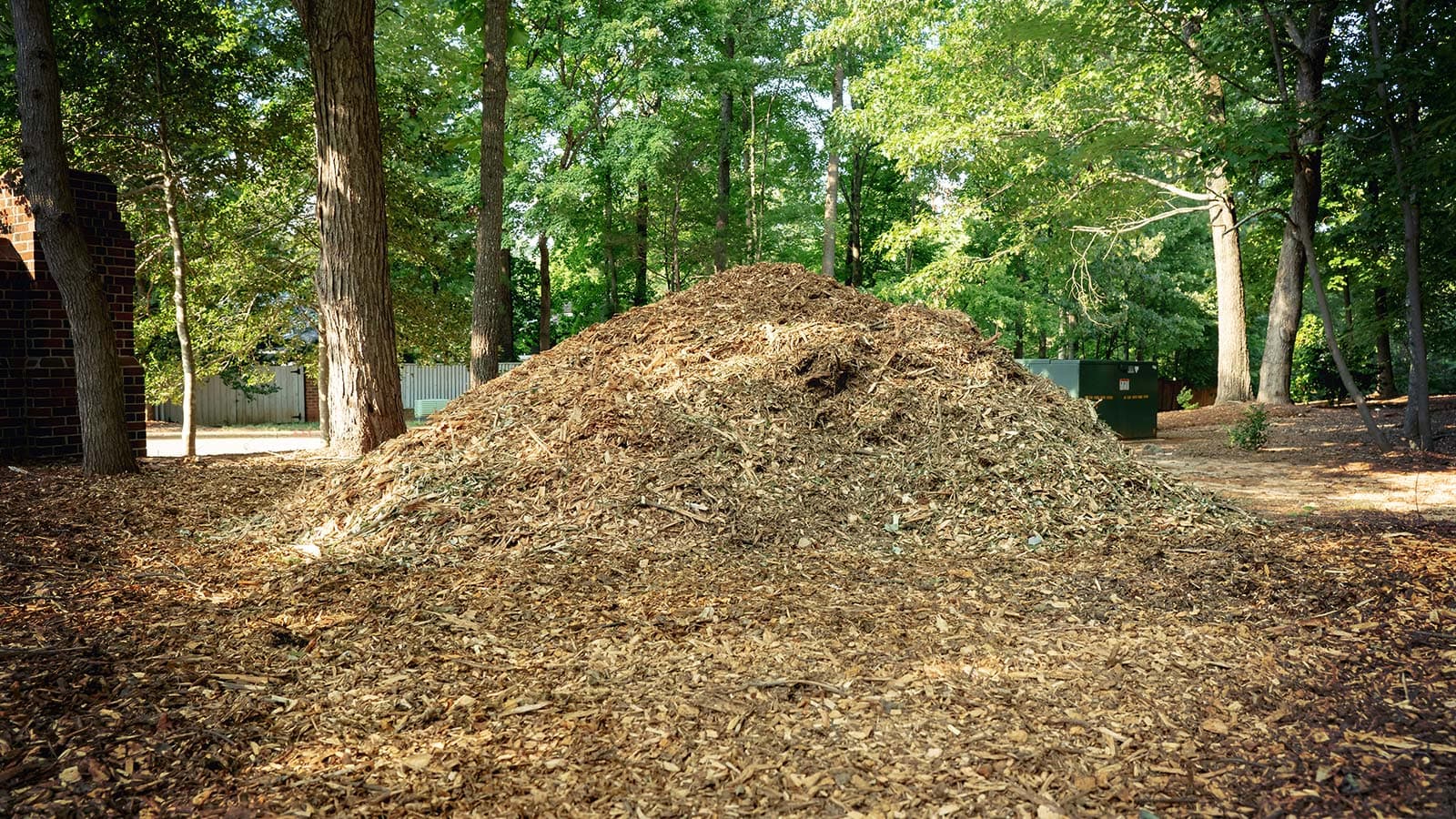
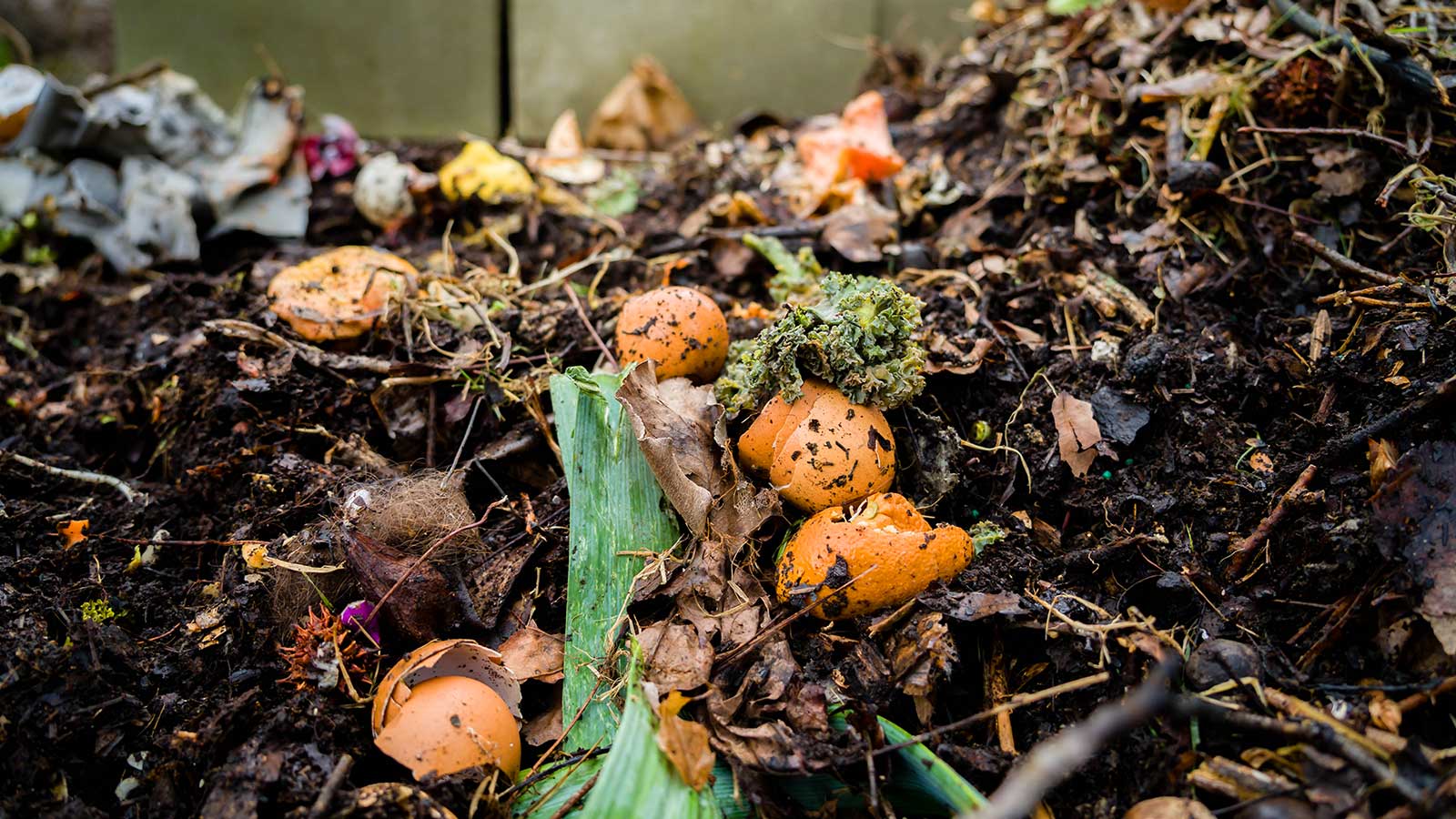
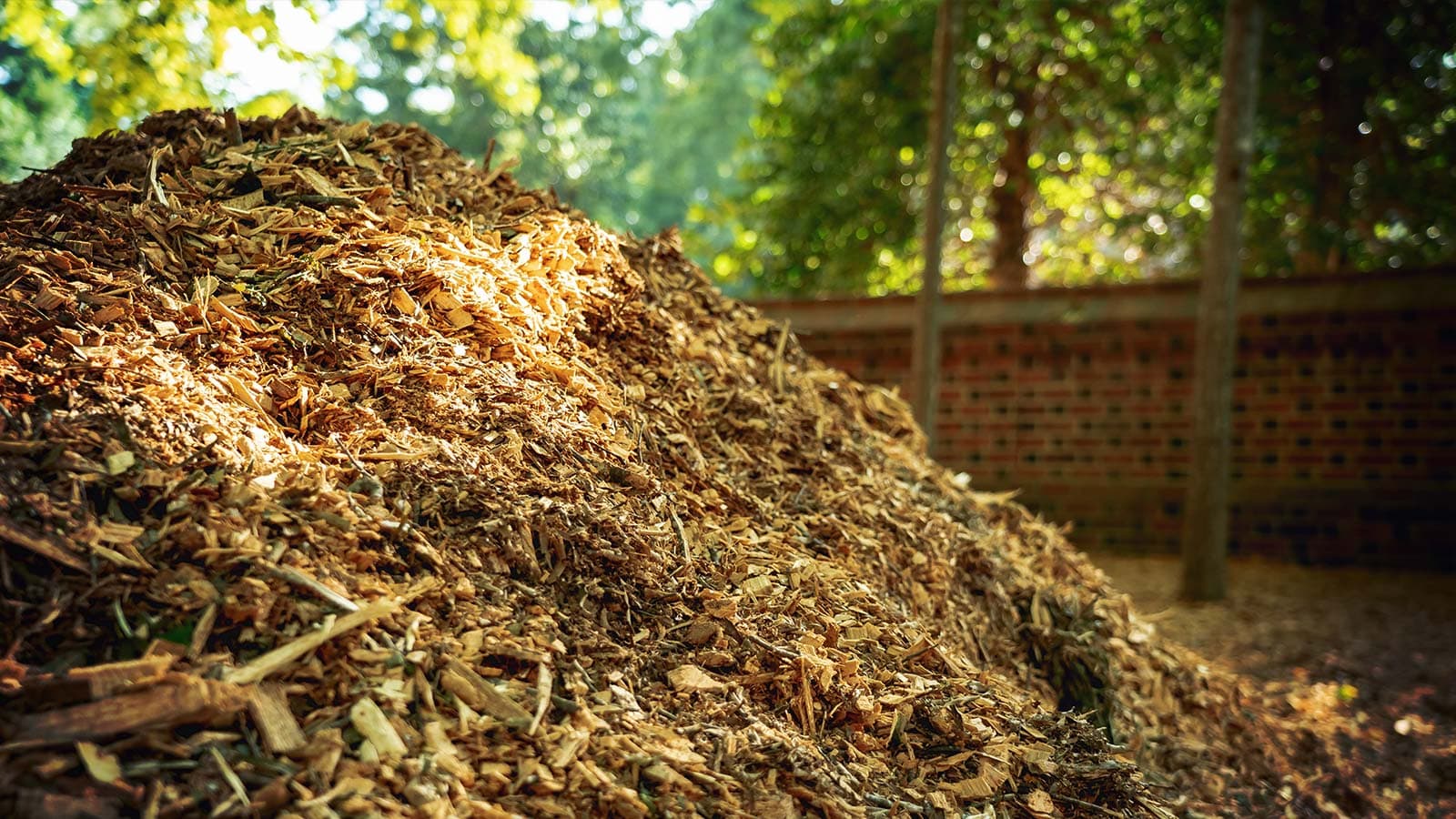
Using organic matter like compost, leaves, or wood chips feeds the critters that live in your soil. This mimics how trees get nutrients in the forest which means that it is sustainable and eliminates harmful impacts. Ditching chemicals for rotting stuff like wood chips, leaves, and compost is genuinely safe for people, plants, and the planet.
Want to learn more? Read 4 Options for Fertilizing Trees and Shrubs the Cheap, Easy, and Healthy Way.
Have questions about fertilizer? We’re always happy to chat about all things rotting stuff. Send us a message, and one of our Treecologists will get back to you shortly.