Not Sure How to Care for your Trees? 4 Simple Steps to Happy, Healthy Trees
Do this, not that, when caring for your trees.
Trees in the forest have all of the resources they need, but trees in the urban environment are outside their natural habitat, so they need more attention and care.
They become stressed from construction, traffic, drought, and other environmental factors. This stress impacts their overall health and can make them more susceptible to pests and disease. The good news is that there are a lot of things you can do to care for your trees.
Want to ensure that your trees live long, healthy lives? Here are four things you shouldn't do and options for what you should do instead.
Structure
In the forest, trees compete for space. They grow close together and the ones that thrive are the ones with strong central trunks and compact crowns. They search for the sun by growing one way: up.
In the urban environment, trees don’t have the same constraints. We intentionally plant trees with a calculated amount of space between each plant. They have lots and lots of room to take up. They search for the sun by doing precisely that, taking up space. This causes trees to overgrow and break.
Do This
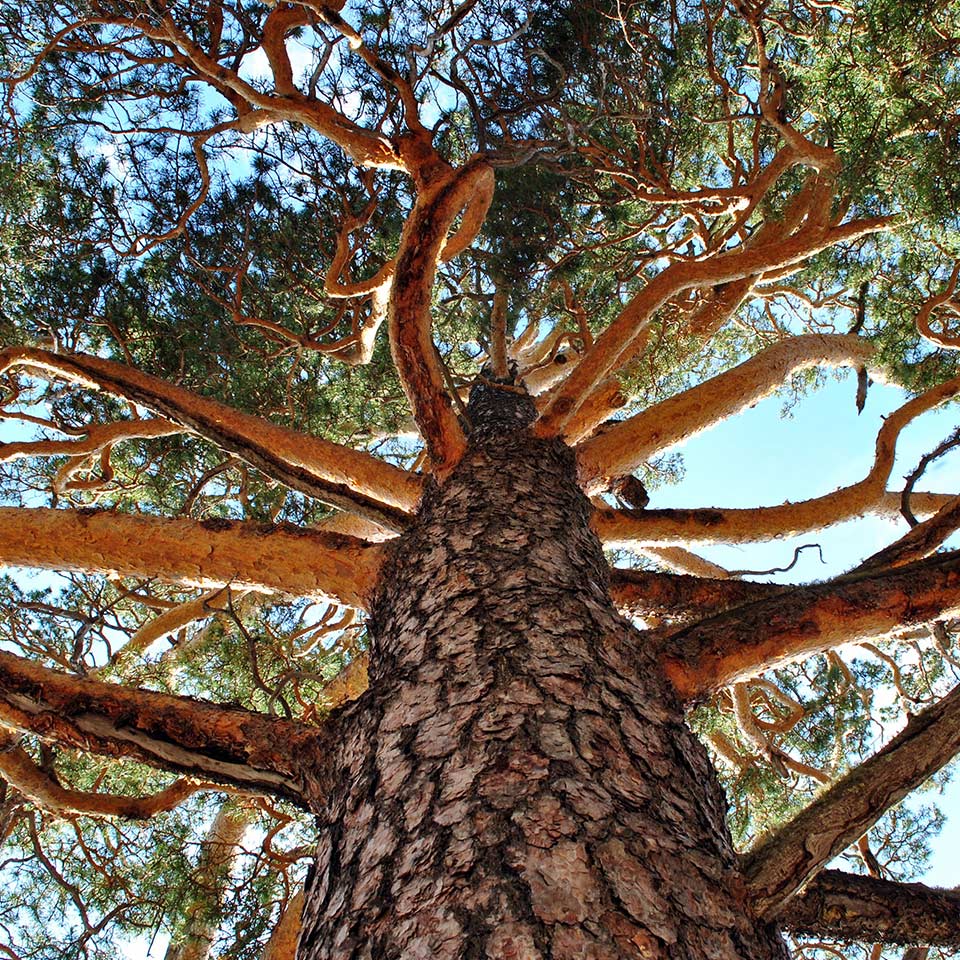
It is essential to prune regularly, ideally starting when the tree is young. Trying to correct structural issues in large, established trees is much more difficult.
Structural pruning helps trees establish a strong central trunk, it balances the crown, and prevents splitting. Remember: structure is strength. That strength means that trees are safer and healthier.
Not That
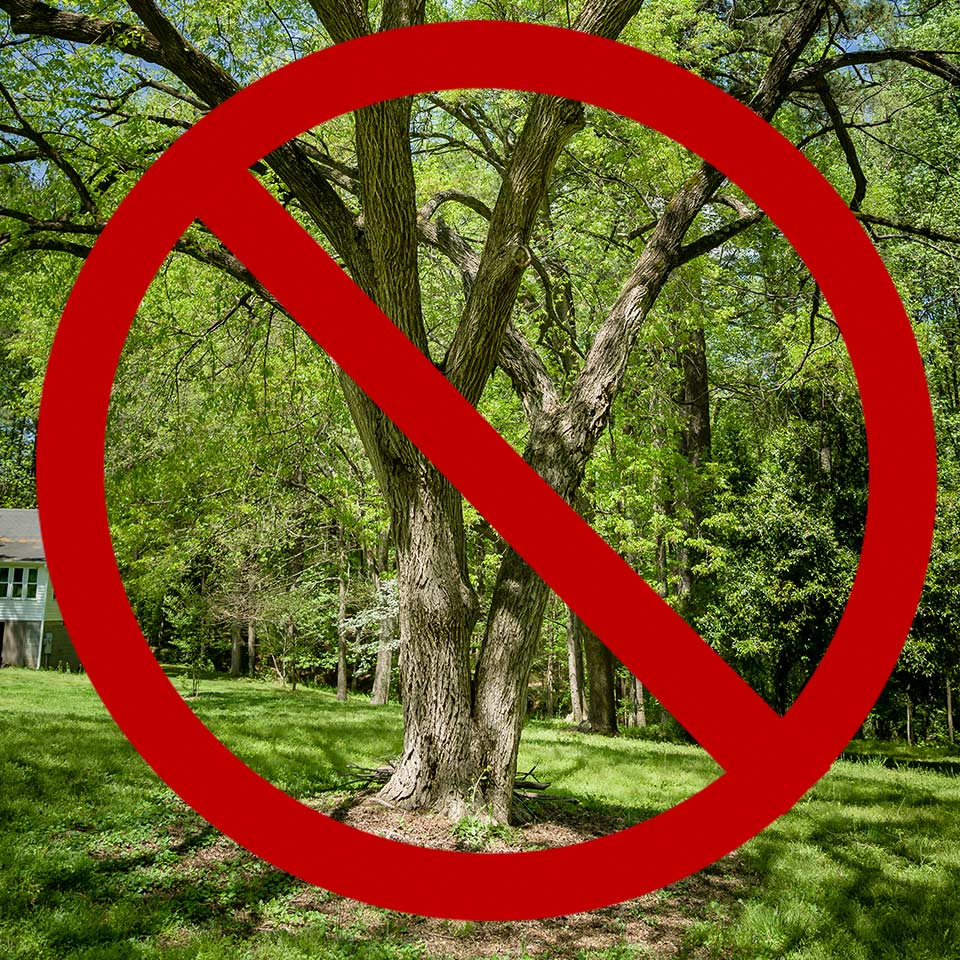
In the urban environment, trees will take up lots and lots of space if they are not properly pruned. And while massive canopies might be awe-inspiring, when they become overgrown, they can be dangerous to people, property, and the tree itself.
If this type of overgrowth has not been contained by structural pruning, it can cause a variety of problems, including long arching branches that extend over walkways and houses, forked trunks that can split, and large branches that are too heavy for the trunk to support.
Root Collar
In the forest, root collars are naturally exposed. The root collar is where the roots transition to the trunk.
In the urban environment, root collars are often buried under mulch. Roots are designed to suck up lots of moisture, but trunks are designed to grow above ground where conditions are dry. Burying trunks under mulch traps moisture in places that it shouldn’t be, which can cause various health issues for your tree.
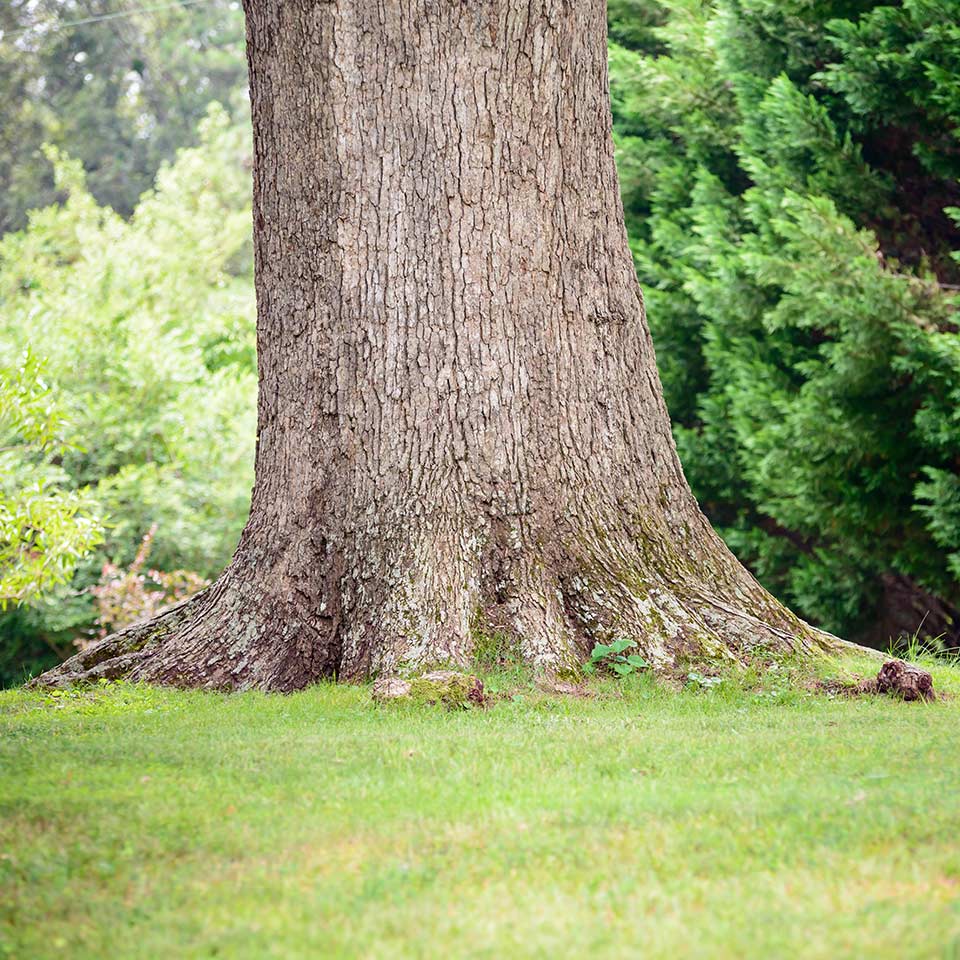
Do This
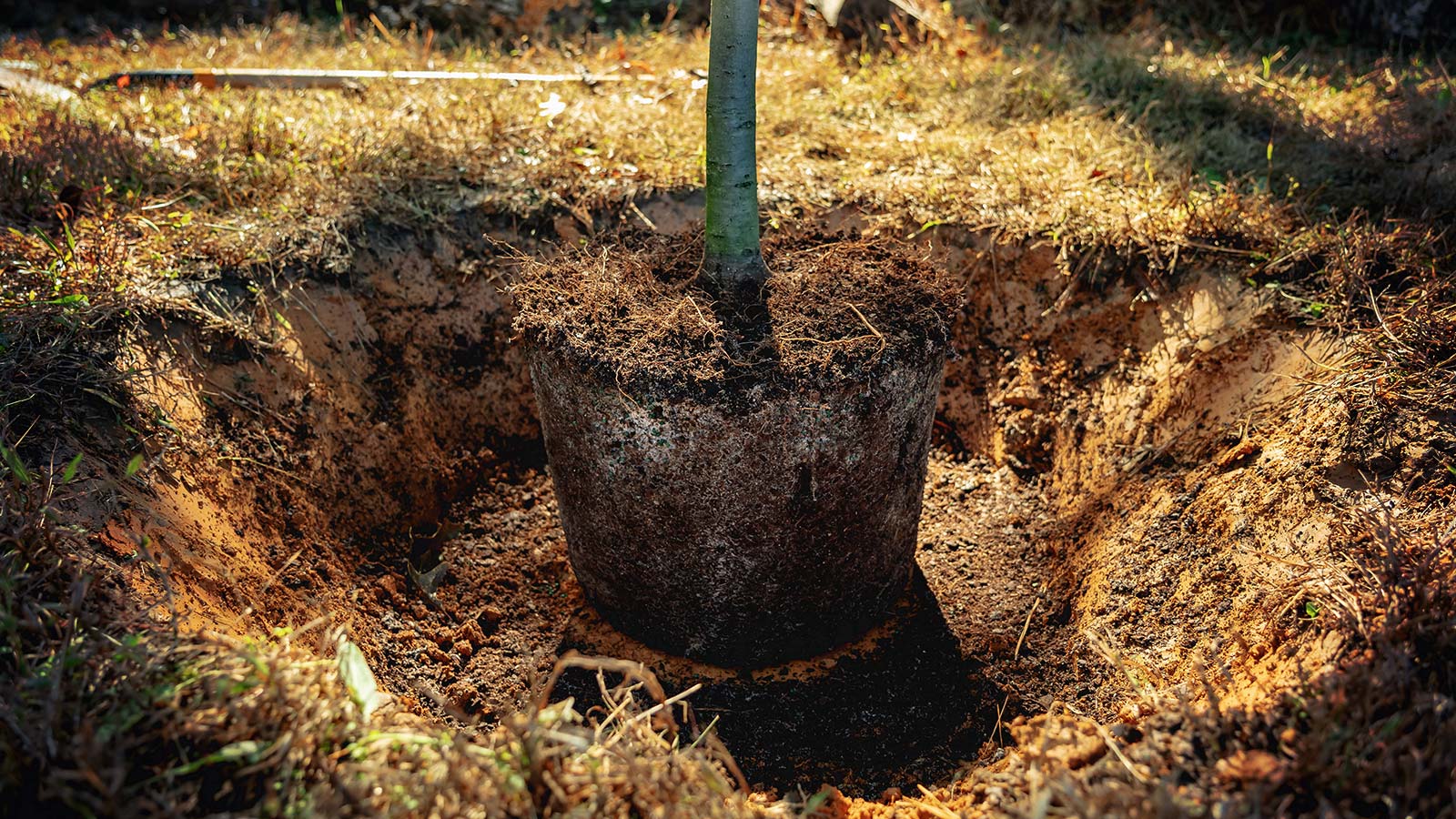
When planting a tree, make sure the root collar is above ground. When installing wood chips, be sure that they are 6 inches away from the trunk. Applying woodchips properly keeps moisture away from the trunk while still protecting the roots and feeding the soil.
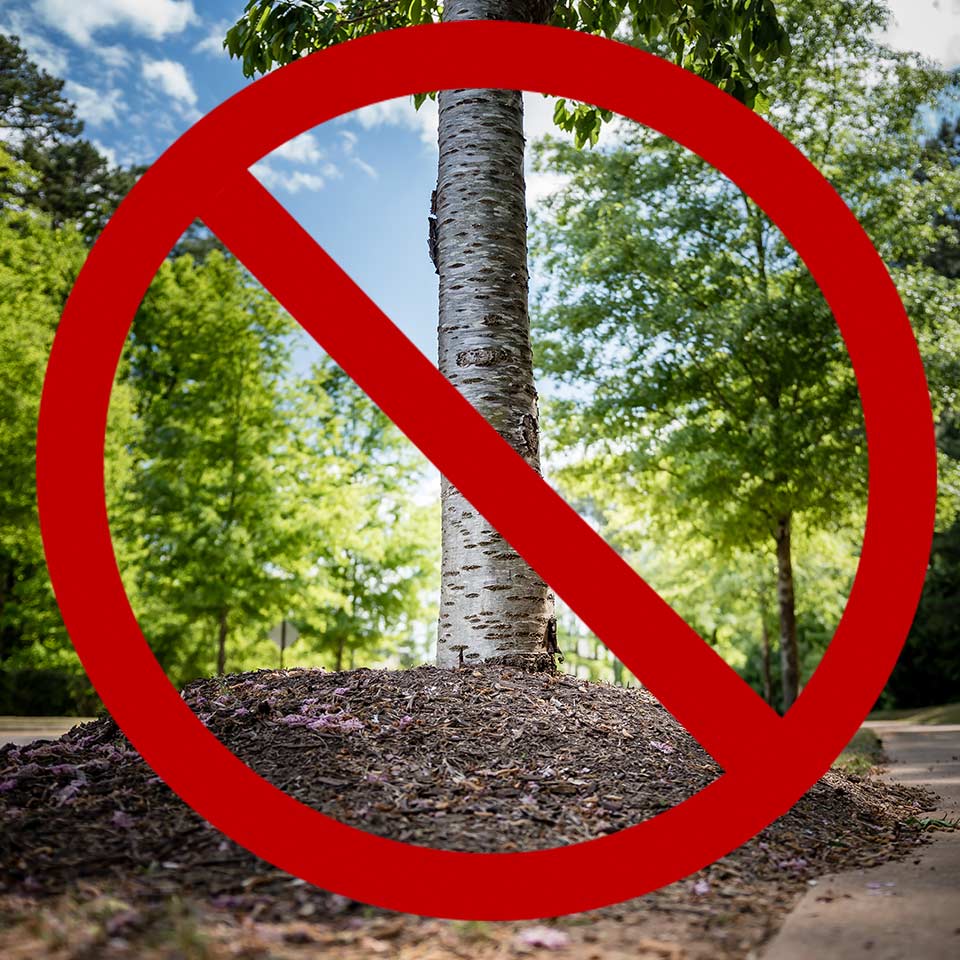
Not That
Do not pile mulch or other debris around the base of the trunk, otherwise known as a mulch volcano. This traps moisture at the base of the trunk, which can cause health issues for your tree in the long run.
Mulch volcanoes also encourage roots to circle the trunk instead of spreading outwards. This girdling action strangles the tree and deprives the roots and canopy of necessary resources.
Soil
In the forest, trees are surrounded by healthy soil. Leaves and all different types of rotting stuff break down in the soil, leaving it full of nutrients and minerals that make trees happy.
In the urban environment, construction turns healthy soil into dead dirt. Heavy machinery and construction compact and disturb your soil, stripping it of microbes, fungi, and other living creatures that make soil alive! This leaves behind dead dirt, void of the nutrients your trees need to thrive.
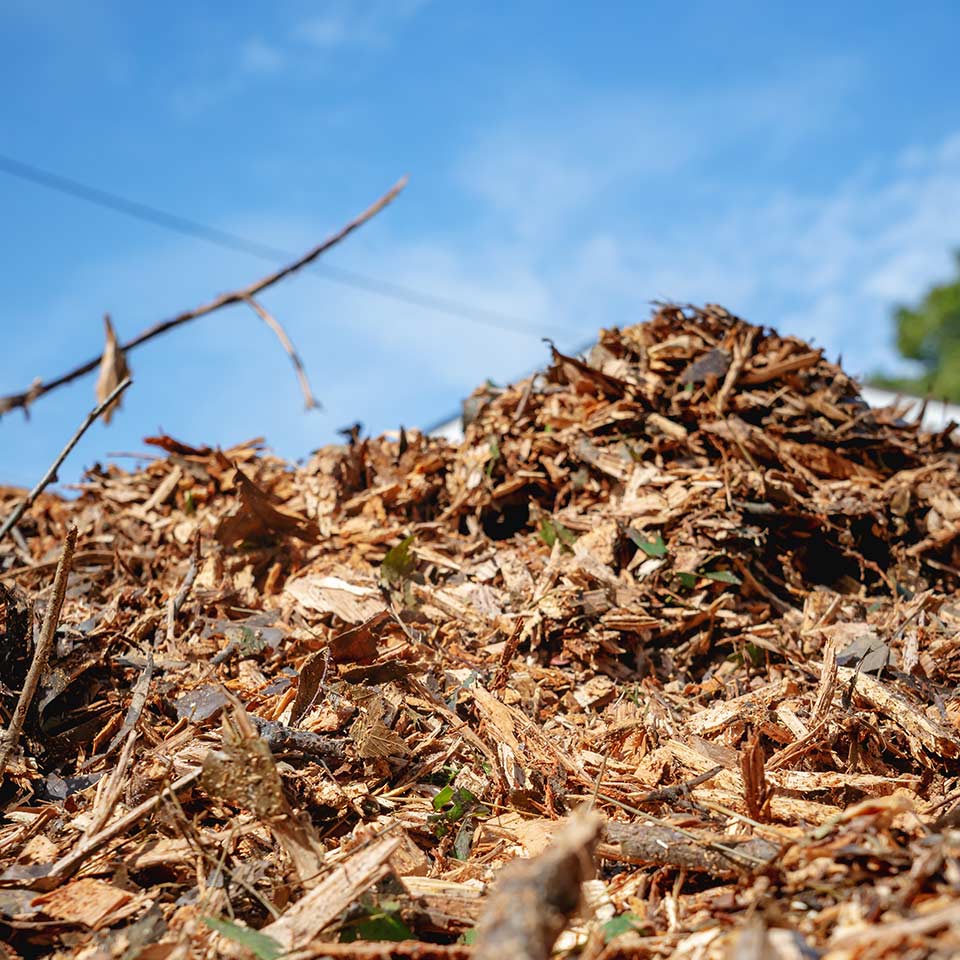
Do This
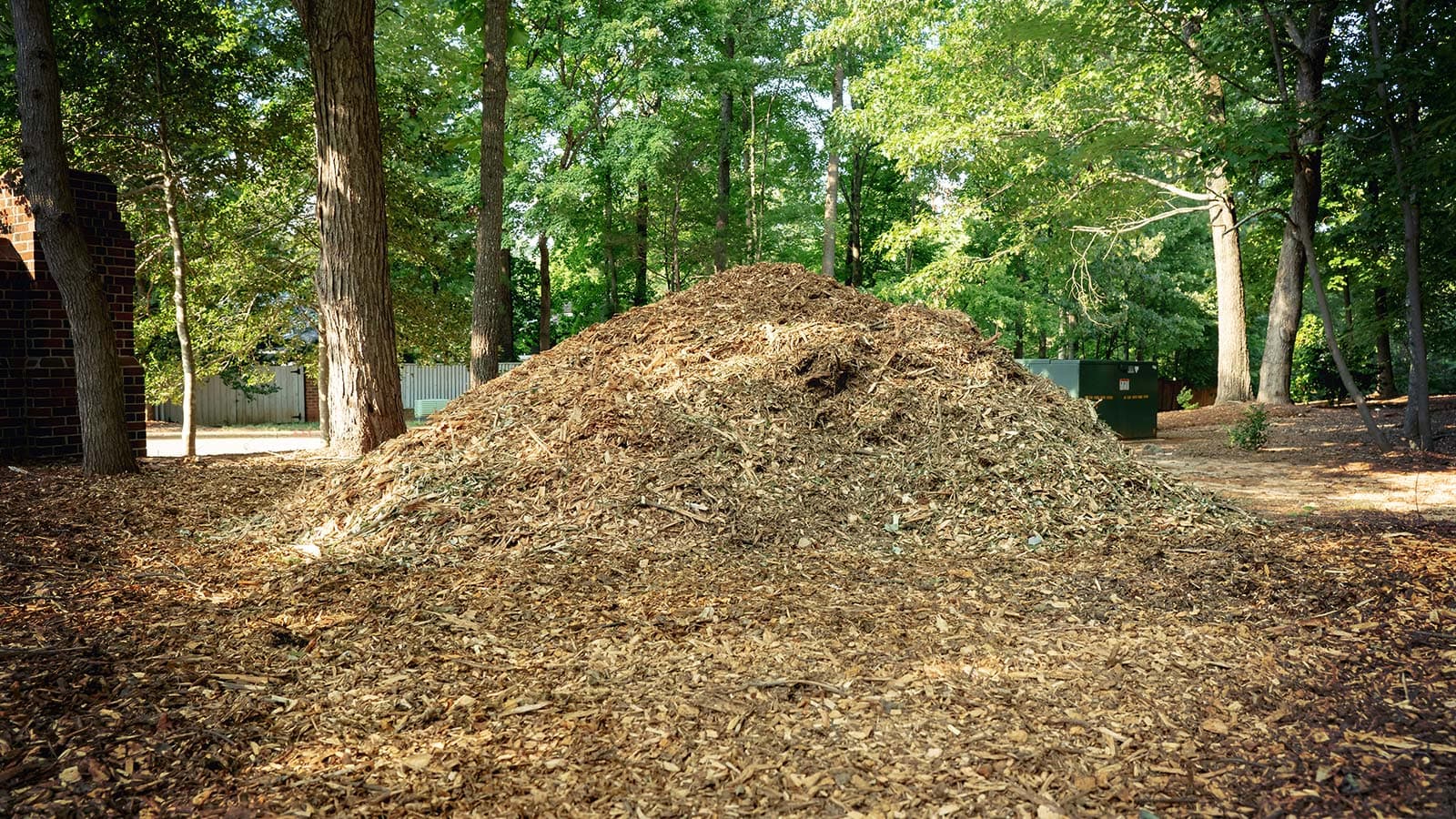
Install woodchips at the base of your tree. Wood chips are the secret ingredient to healthy trees.
Not only do they feed the soil, they also regulate temperature, suppress weeds, regulate moisture, and protect trunks from string trimmers.
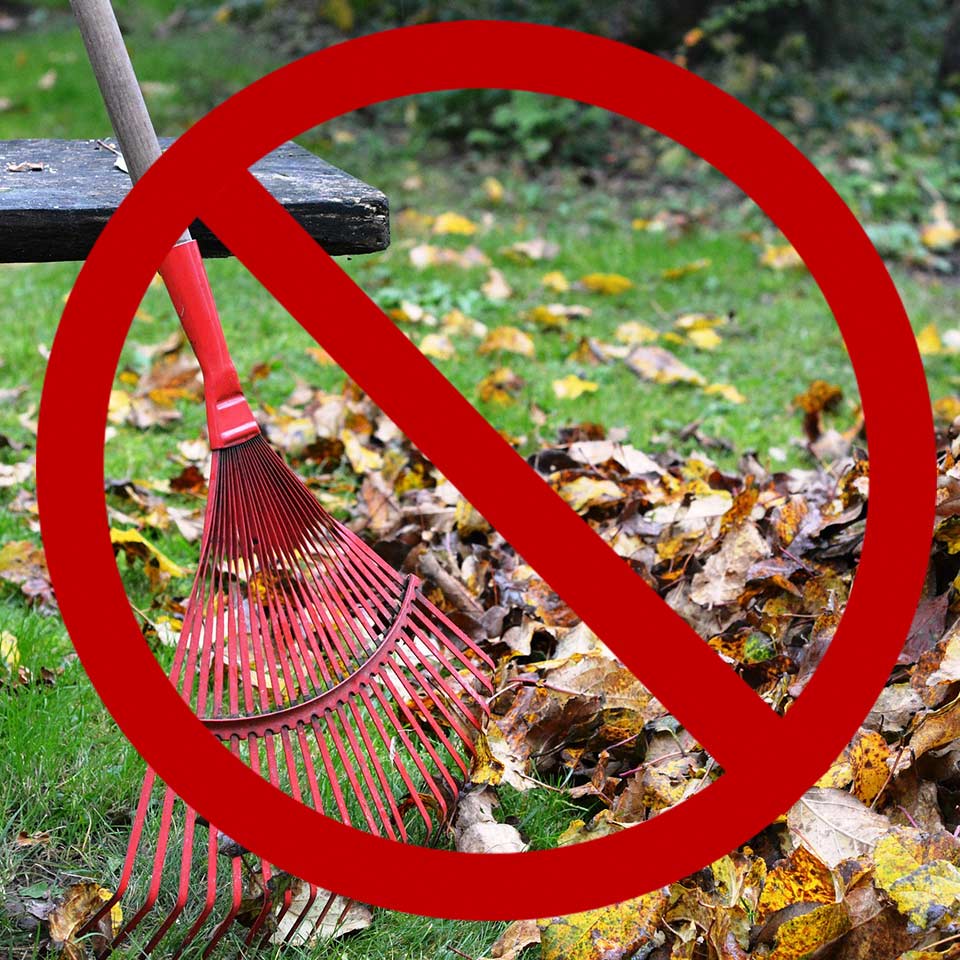
Not That
Don't rake your leaves. Leaf mulch is part of a tree’s natural cycle. It is nature’s way of recycling important nutrients and protecting the tree’s roots during the harsh winter months. Leaf mulch also fortifies soil by providing rotting stuff, which is the foundation of healthy soil.
Fertilizer
In the forest, trees have natural fertilizer from leaves and other rotting stuff. They get all of the nutrients they need from the forest floor, so there is no need to add anything to the soil.
In the urban environment, trees sometimes need an extra boost. This can be for any number of reasons: they are planted in an area where their roots cannot reach necessary nutrients, or there was recently construction nearby. However, using chemical fertilizer will destroy your soil and eventually the health of your tree. It’s a short-term gain for long-term pain. Instead, you should use compost and other natural products to boost the health of your tree.
Do This
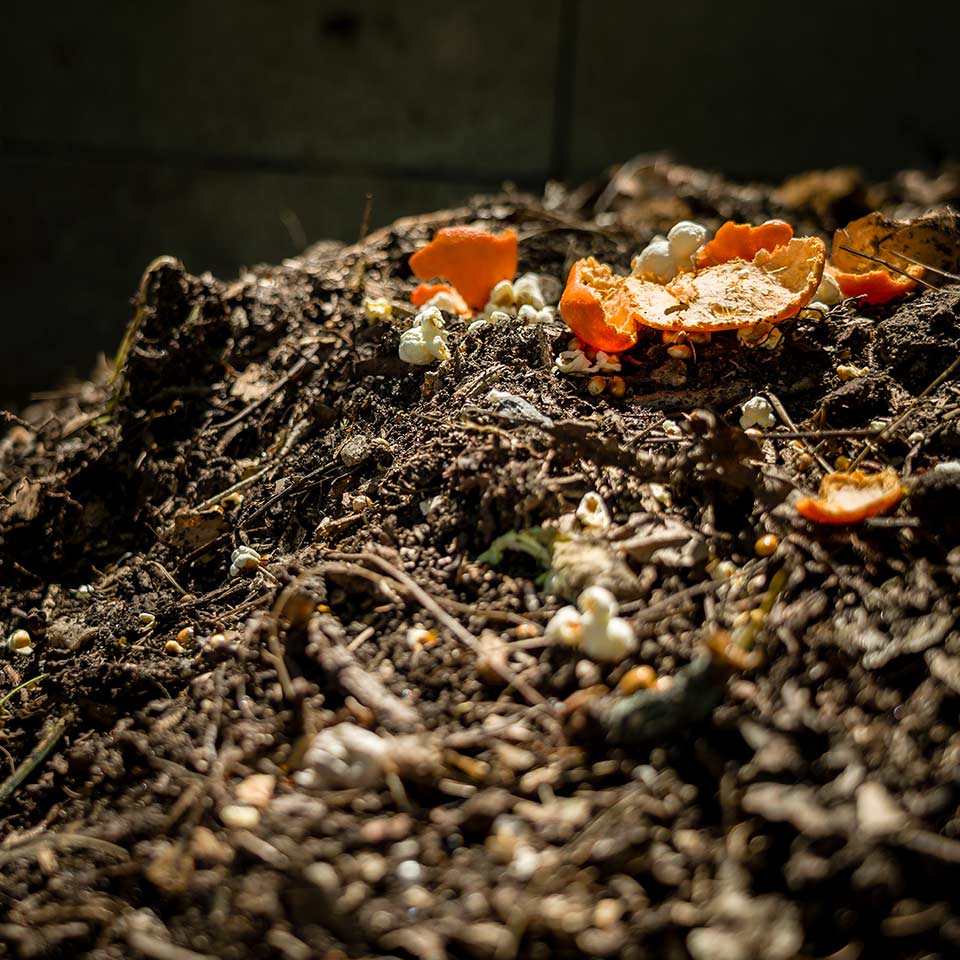
Use compost or compost tea. Soil is a living, breathing, eating organism that needs rotting material like compost, leaves, and wood chips to stay healthy. If it has the rotting stuff it needs, there is no longer a need for chemical inputs like fertilizer.
Not That
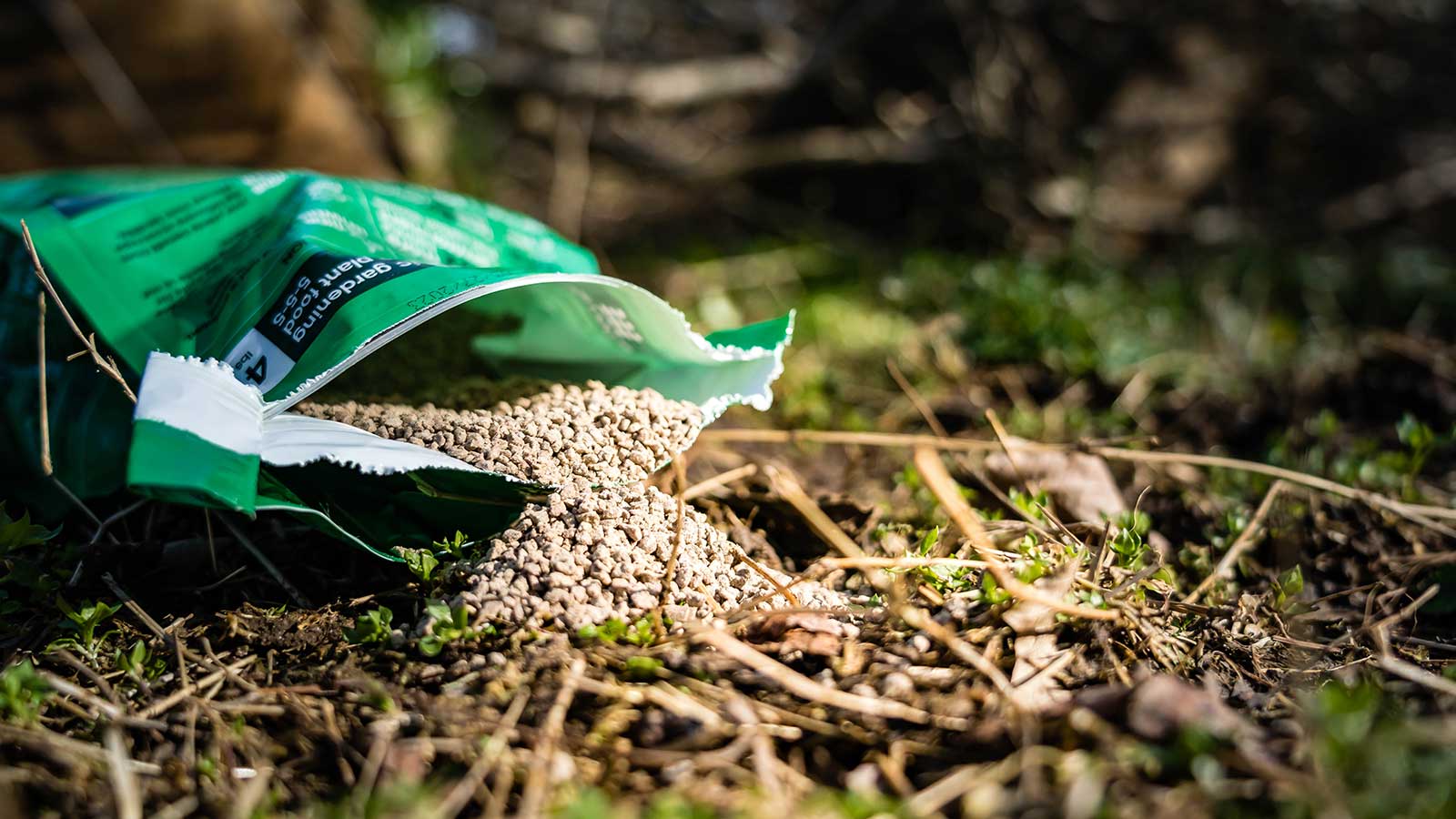
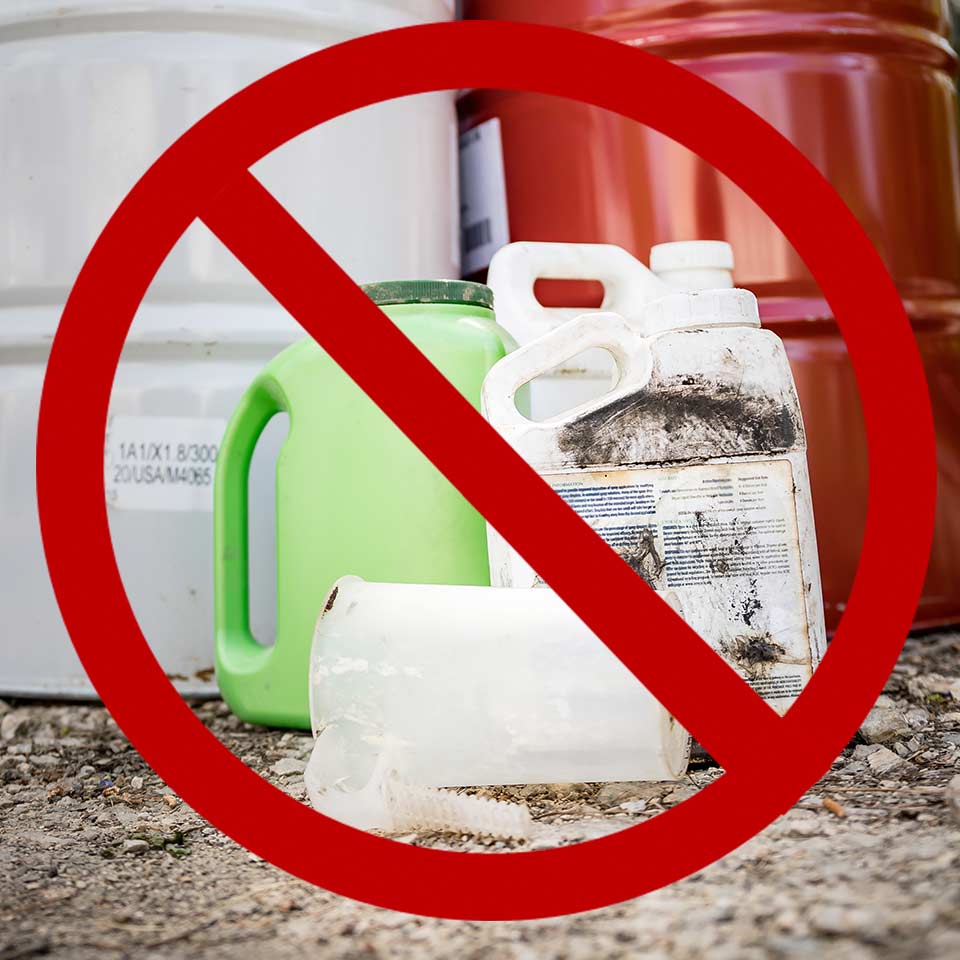
Do not use chemical fertilizer. These chemical inputs can give your plants an immediate boost, but they can be very harmful in the long term.
Chemical fertilizer can compromise root systems, block the uptake of micronutrients, encourage attack from harmful pests, and cause a host of other issues for plants. They also pollute waterways.
If you follow those four steps, your tree will be well on the way to a long and happy life. The older trees live, the more benefits they provide to our neighborhoods, ecosystems, and planet. This is why it is essential to plant new trees AND take care of ones already in the ground.
Unsure about any of these steps or just have questions for our Treecologists about how to best care for your tree? Send us a message.