Is a Tree With a Hollow Dangerous? How to Know What’s Safe
Expert guidance to assess decay, prevent hazards, and support wildlife-friendly trees in your yard.
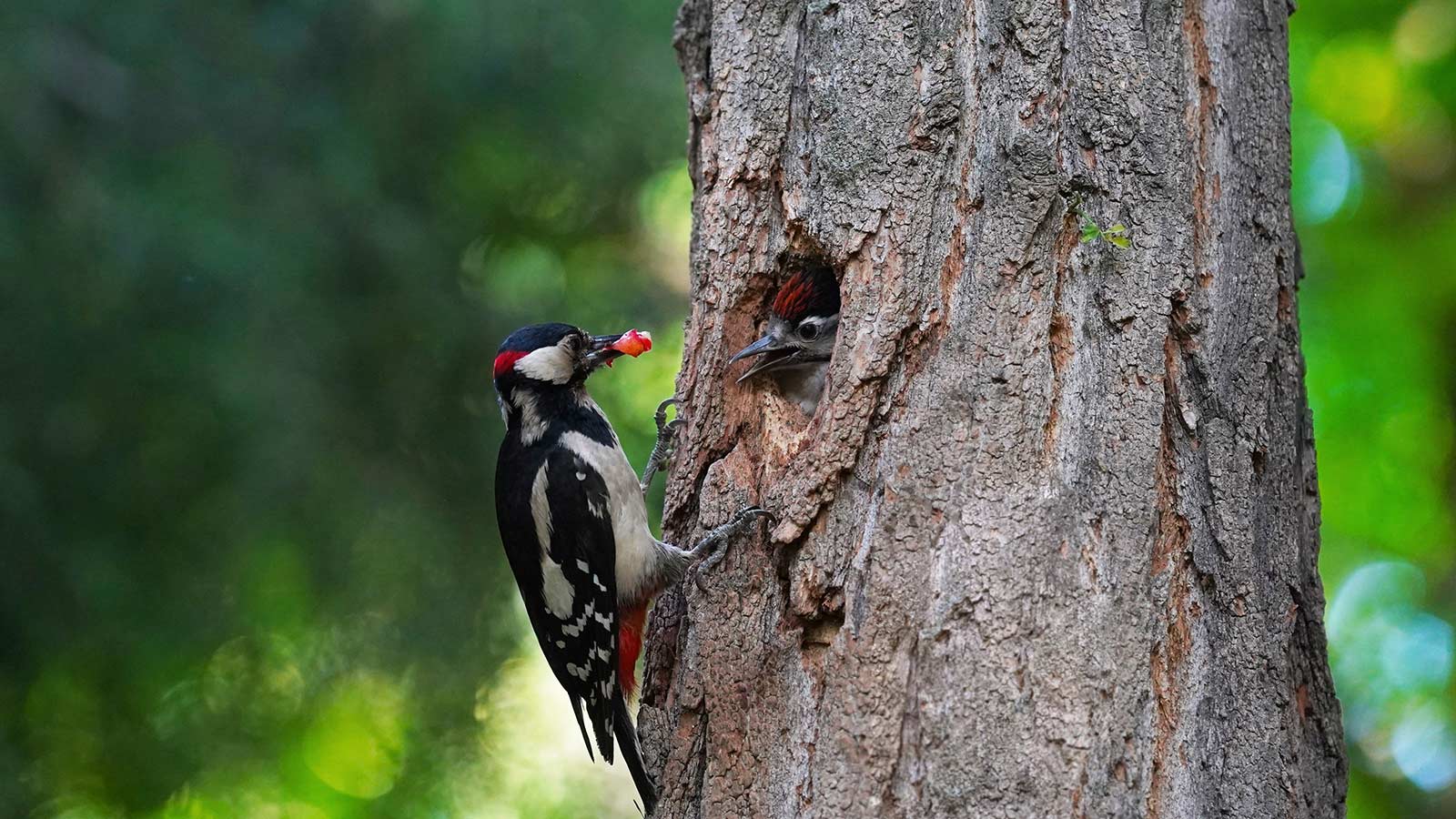
Hollow trees often grab our attention, sparking concern about safety or the health of the tree itself. But in many cases, a hollow trunk is not a sign of weakness—it can be a natural stage in the life of a mature tree. These trees serve as both living organisms and vibrant ecosystems, offering beauty, structure, and habitat all at once.
Why Do Trees Become Hollow?
Hollowing usually begins with fungi breaking down the non-living heartwood in the center of the trunk. This is a natural process of decomposition. Over time, wounds, pests, or environmental stressors may accelerate the process, leaving a cavity inside the trunk. Importantly, the living tissue of a tree is just beneath the bark, not in the center. That means even with a hollow core, a tree can remain strong and healthy, sometimes for decades.
Do Hollow Trees Pose a Danger?
A hollow trunk doesn’t automatically mean the tree is unstable. A tree’s strength lies in its outer ring of wood, which functions like a cylinder. If that outer structure remains sound, the tree can remain upright and stable. Whether a hollow tree poses risk depends on the extent of the decay, the size of the remaining healthy wood, and the location—particularly whether people, vehicles, or buildings are nearby.
Signs That a Hollow Tree May Need Attention
Assessing risk requires expertise. Warning signs might include large cracks, extensive decay near the base, fungal fruiting bodies, or a visible lean. Because these can be subtle or misleading, it’s best to have a professional inspection rather than making assumptions based on hollowness alone.
Management Options Beyond Removal
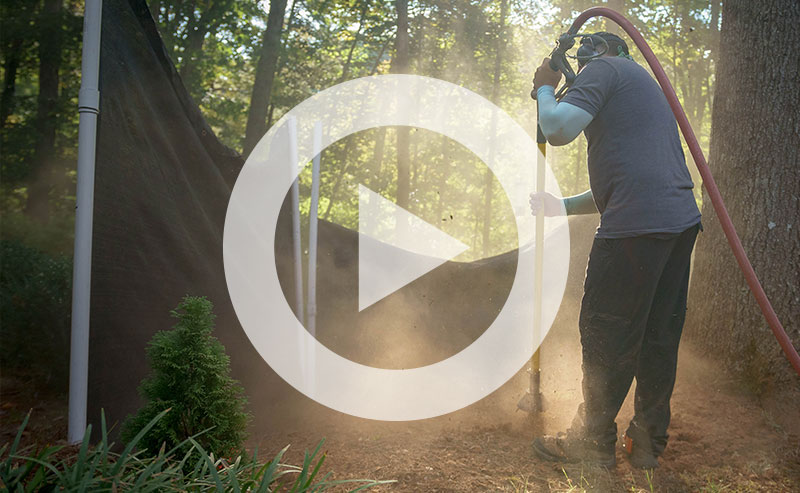
Contrary to common belief, hollow trees are not automatically candidates for removal. In fact, they play an essential ecological role as nesting and shelter sites for birds, small mammals, and pollinators. When safety allows, management tools such as careful pruning, cabling, or bracing can preserve a hollow tree for years to come. Soil health improvements—such as adding mulch or compost—can further support the tree’s vitality.
When to Call in a Treecologist
Calling an ISA Certified Arborist or Treecologist is wise if you are concerned about a tree’s structure, notice signs of decline, or are planning significant pruning. A thorough inspection looks at the tree’s roots, trunk, crown, and surrounding site conditions. A professional can also help you navigate any required permits and local ordinances, as some communities protect older or ecologically significant trees.
The Ecological Value of Hollow Trees
Before removing a hollow tree, it’s worth remembering the life it may be housing. Owls, woodpeckers, flying squirrels, bats, and countless insects rely on tree cavities for food, shelter, and nesting sites. Preserving a hollow tree, when safely possible, is an act of stewardship that strengthens biodiversity right in your neighborhood.
Working with Leaf & Limb
At Leaf & Limb, our Treecologists specialize in tree care rooted in ecological restoration. Instead of rushing to remove a hollow tree, we focus on preserving it whenever safely possible—building resilience for both the tree and the wildlife that depend on it. If you have a hollow tree on your property, we’d love to help you understand its role in your landscape, evaluate its safety, and support its health with practices such as pruning, soil improvement, or habitat-friendly landscaping.
Ready to give your hollow tree the care it deserves? Contact Leaf & Limb to schedule a consultation and explore options that honor both safety and ecology.