Drop that Shovel! 5 Questions to Ask Before Planting
How to assess the qualities of a location before planting.
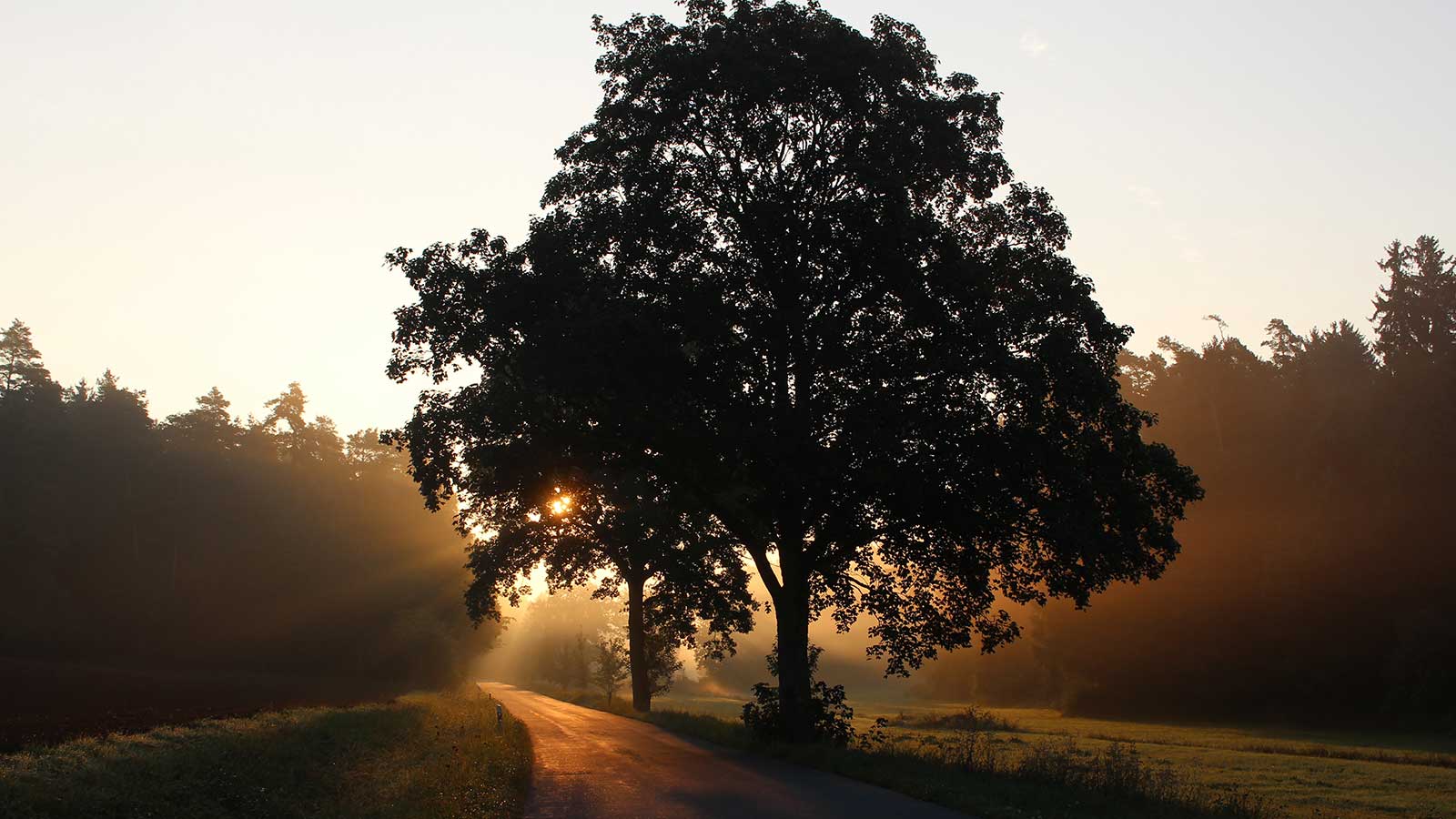
The dormant season is the ideal time to plant trees and shrubs. You might think that the first step in planting a tree is digging a hole. But before you pick up a shovel or haul out your compost, you first need to assess the planting location to ensure that you select a tree that will thrive in that space.
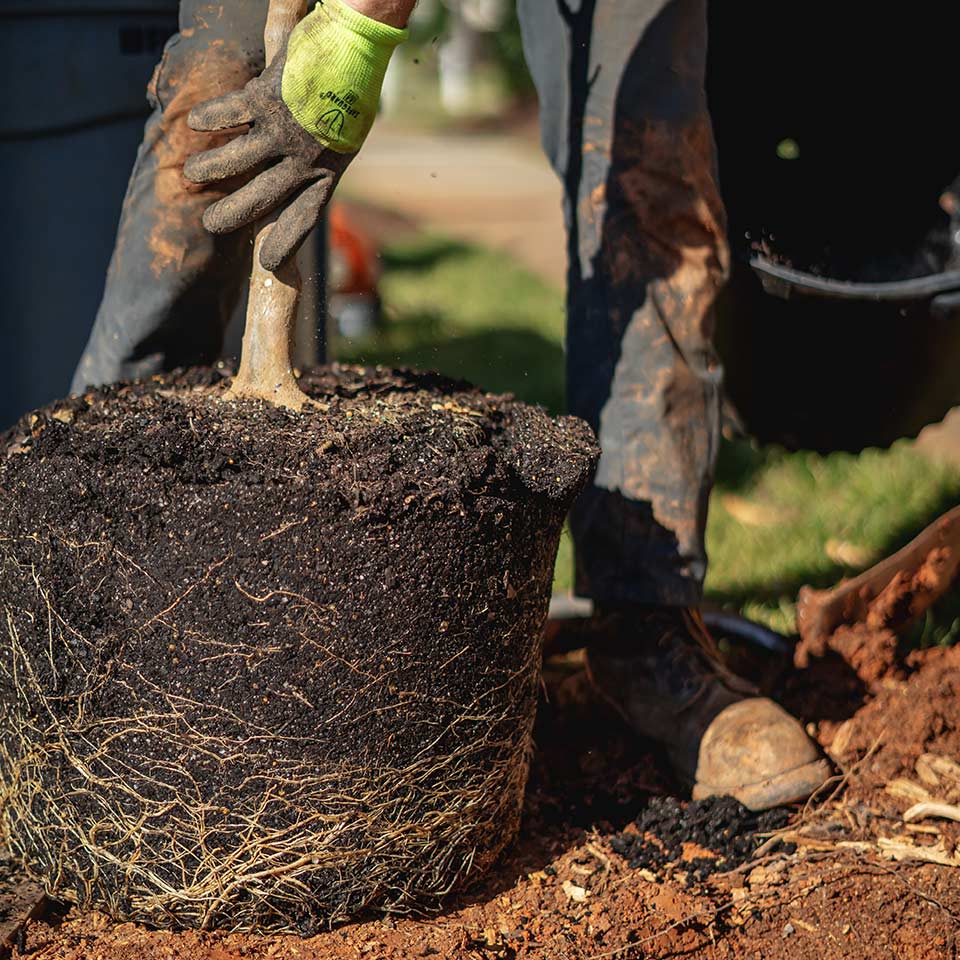
There are several things to consider when determining the quality of a location.
This includes the amount of space available, the quality of the sunlight, and more. While it might seem overwhelming at first, this process boils down to five simple questions.
Here are five questions to ask yourself when assessing a location:
- How much sunlight is available? All trees require sunlight to grow, but some need a little more sunshine while others are understory trees. Understory means that these trees will still thrive under the canopy of larger trees. You can either observe the location throughout the day or get a more precise reading with an app like Sunseeker.
- How much space is there for the tree to grow? Look up. Are there power lines or roof overhang that might obstruct the growth of the tree? It’s often hard to imagine that a tiny sapling will one day become a towering oak, but you won’t be able to move it once it’s fully grown, so be sure to plan ahead. Look for a location with enough space above that it does not restrict canopy growth. You won’t want to have to cut down or restrictively prune a healthy, mature tree just because it has run out of space.
- How much soil is available? Look down. Roots take up even more space than the canopy of a tree. Is there enough soil space for the tree to grow? Look for roads, utilities, or foundations that might impede roots.
- How much soil is enough? As a general rule of thumb, you need at least 250 cubic feet of soil for small trees, 500-1,000 cubic feet for medium trees, and 1,000-2,000 feet for large trees. The tricky part is that roots typically do not grow deeper than two feet into the soil. This means that you have to measure space out from the trunk rather than deep into the ground.
- What is the condition of the soil available? Just as important as the soil space available, you need to consider the condition of the soil. Is the ground in the area often soggy or dry? Some trees prefer more arid conditions while others like moist soil. What are the properties of the soil itself? If it’s mostly clay, you may want to treat the soil before you plant or look for a tree that is tolerant of poor soil. There are trees for any soil condition, you just need to know what you are working with before you make a selection.
- What is the goal of the tree? If you have a specific reason for planting a tree, like providing a privacy screen or providing shade, be sure that the tree you select can achieve that goal in the location you have chosen. For example, evergreen trees are more suitable for privacy screens than deciduous trees that will lose their leaves in the winter.
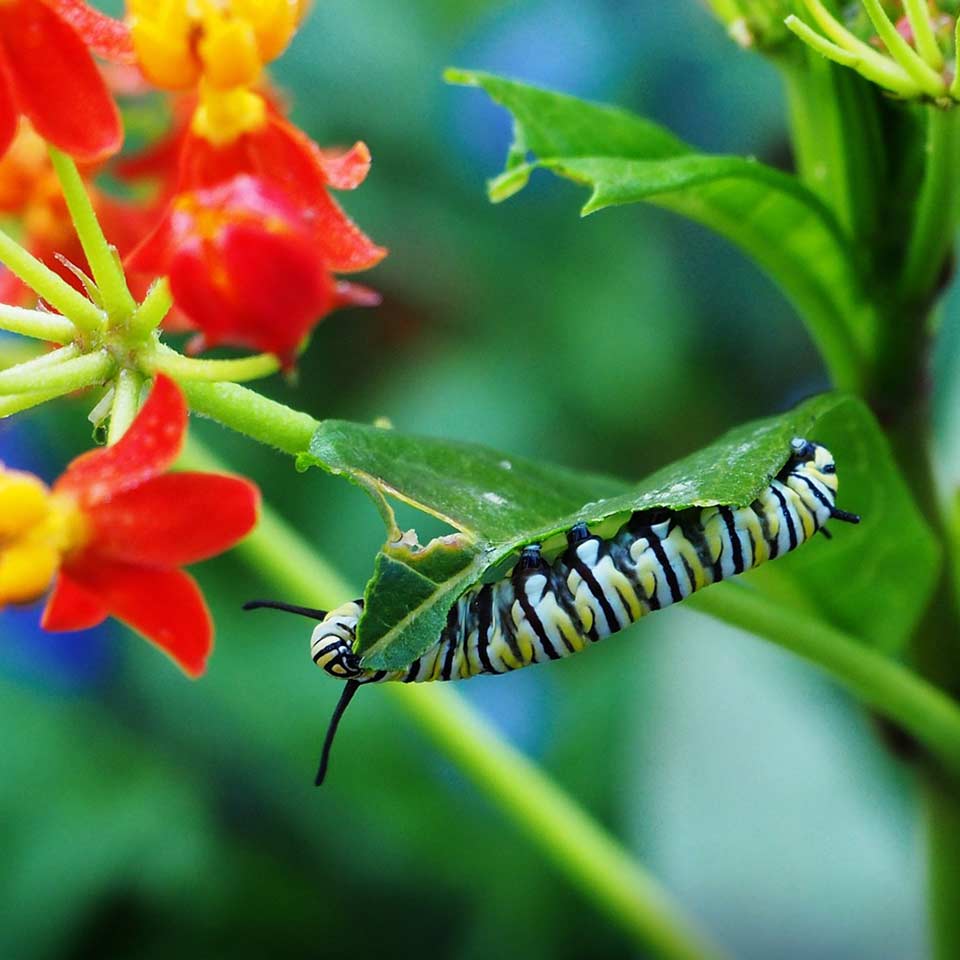
It is essential to plant native trees.
After you have assessed the quality of a location, there is one other factor we would strongly encourage you to consider. There are a lot of gorgeous non-native trees that would be a perfect addition to your yard. However, it is essential to remember that trees are part of a larger ecosystem. When you plant native trees, those trees provide food and shelter for wildlife.
For example, a Japanese maple might support less than 10 species of insects. However, a native oak tree can support 517 species of moths and butterflies—that one, single oak tree benefits tens of thousands of caterpillars instead of just a few.
Selecting native trees means that the ecosystem as a whole is healthier which in turn means that your trees will be healthier too.
We’ve compiled a list of our favorite native trees that thrive in zones 7b/8a, but you can also use the National Wildlife Federation's Native Plant Finder to find trees and shrubs that are native to wherever you live.
One last thing: once you get your tree in the ground, be sure to avoid these 8 ways to accidentally kill your tree when planting.