Mycorrhizal Fungi: The Unsung Heroes of Tree Care
Trees and shrubs cannot survive with out this helpful fungi.
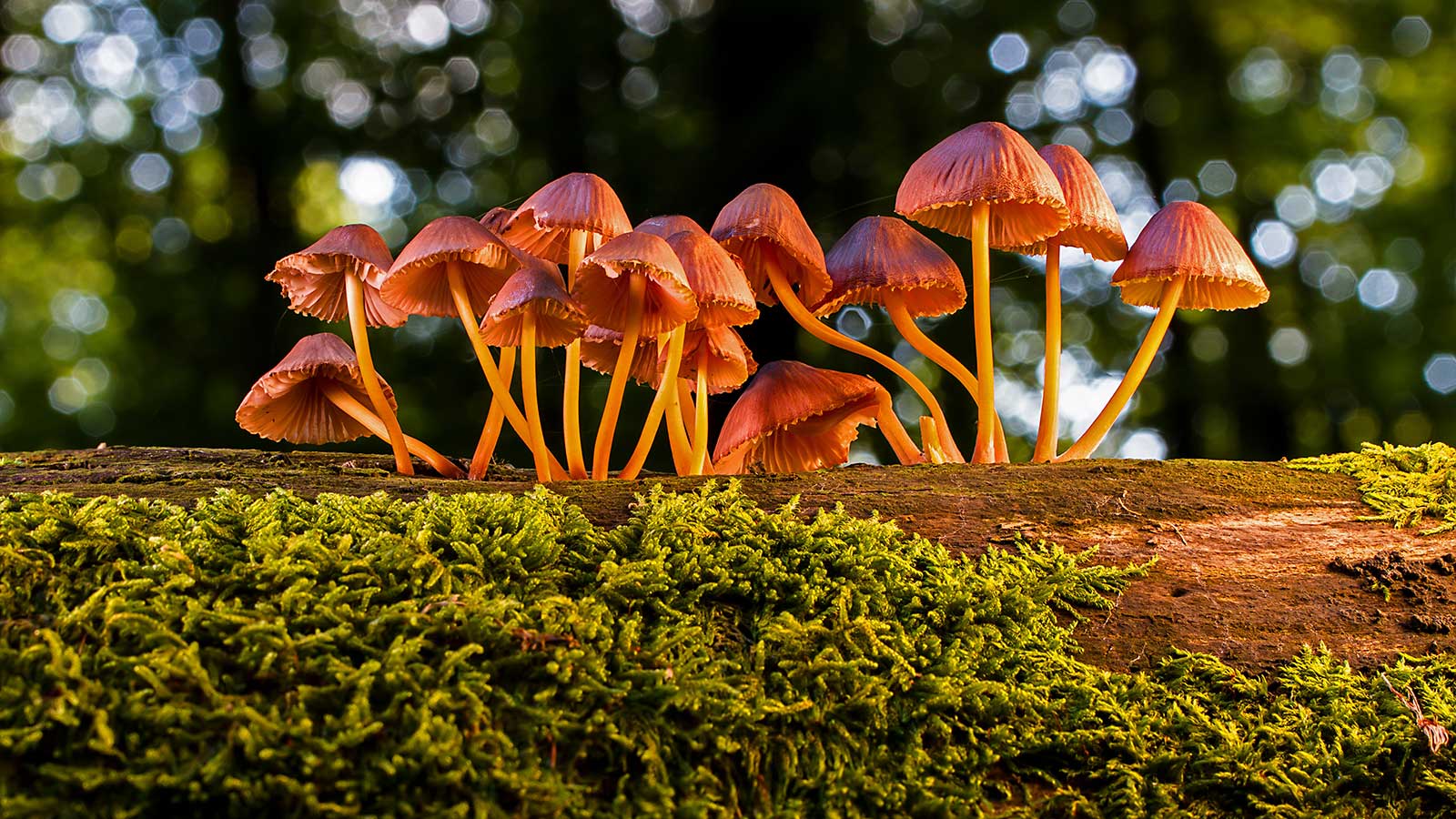
Fungi are the unsung heroes of tree and plant care. They protect roots and help plants find water and nutrients.
If you have ever held a handful of healthy soil, you’ve likely seen the fibrous white threads of mycelium, the vegetative part of a fungus. These threads, or hyphae, are part of a healthy soil-food web, which is essential to tree health. Let’s take a closer look at one type of fungus that lives in healthy soil: mycorrhizal fungi.
Plant roots and fungi form symbiotic relationships. The fungi help trees or shrubs, and in return, the roots give the fungi carbon, carbohydrates, and other nutrients. The symbiotic relationship between fungi and plant roots is called a mycorrhiza. The specific fungi involved are called mychorrizal fungi.
Here are some of the ways mycorrhizal fungi help plants:
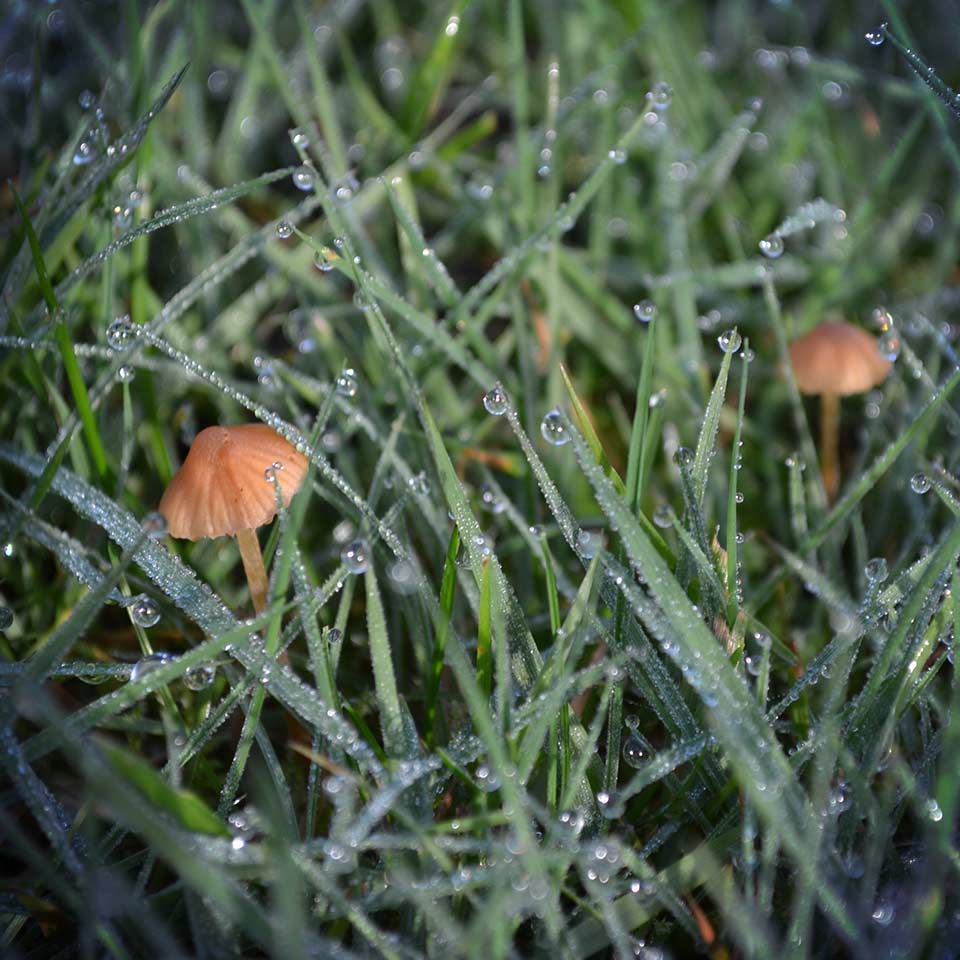
They help roots find water in difficult-to-access places.
Fungal networks help trees survive droughts by increasing a root’s surface area by 1000x and reaching places that roots alone cannot access. During a dry spell, trees can access more water sources.
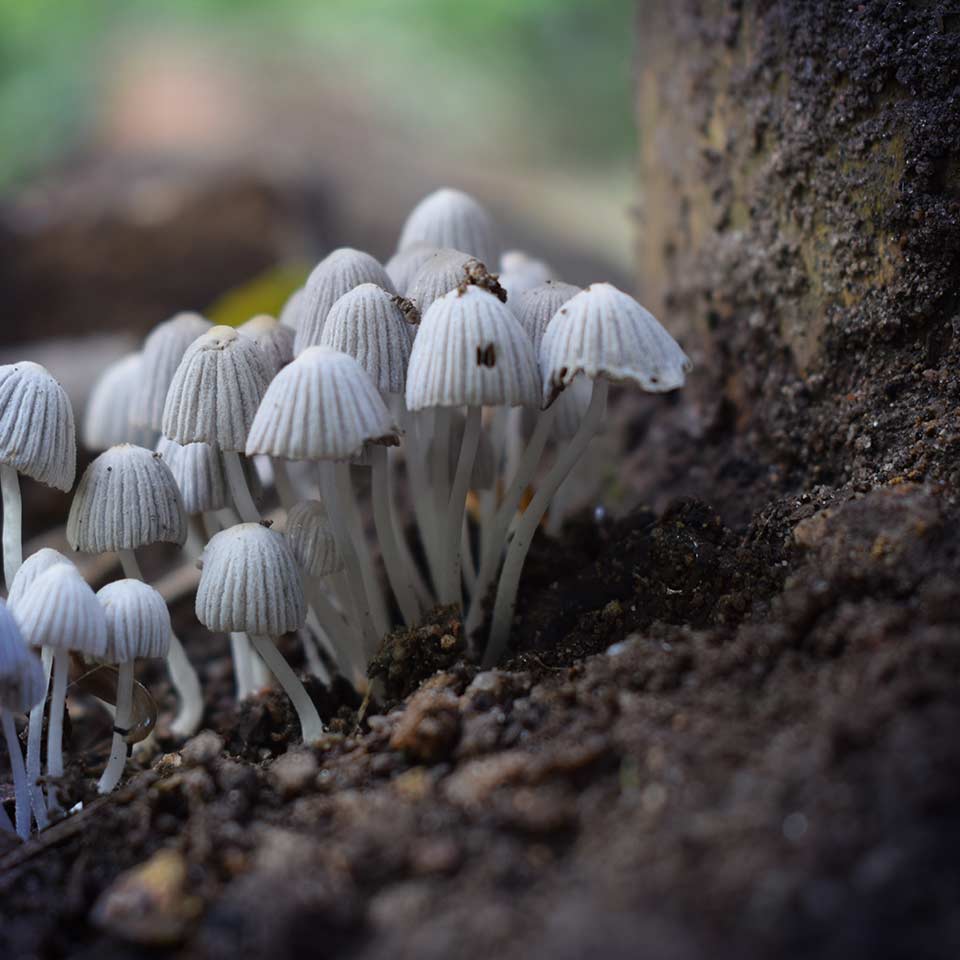
They help roots find and absorb nutrients.
Mycorrhizal fungi take up essential nutrients like phosphorus, copper, calcium, magnesium, zinc, and iron. Without these expanded fungal networks, plants can’t access the quantities of nutrients they need to thrive.
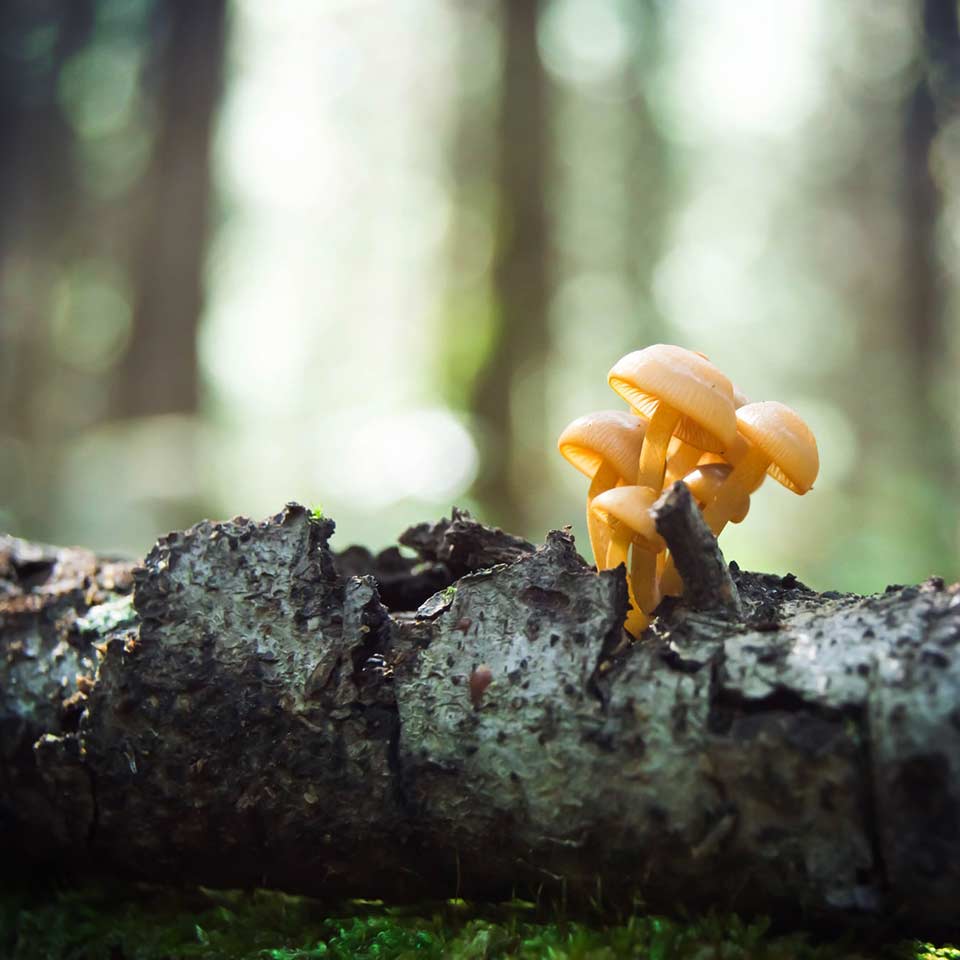
They protect trees and shrubs.
Not all fungi are good, and some can devastate trees. Mycorrhizal fungi, however, create protective webs around the roots of trees, blocking harmful fungi. They also block certain types of harmful bacteria from infecting the plant.
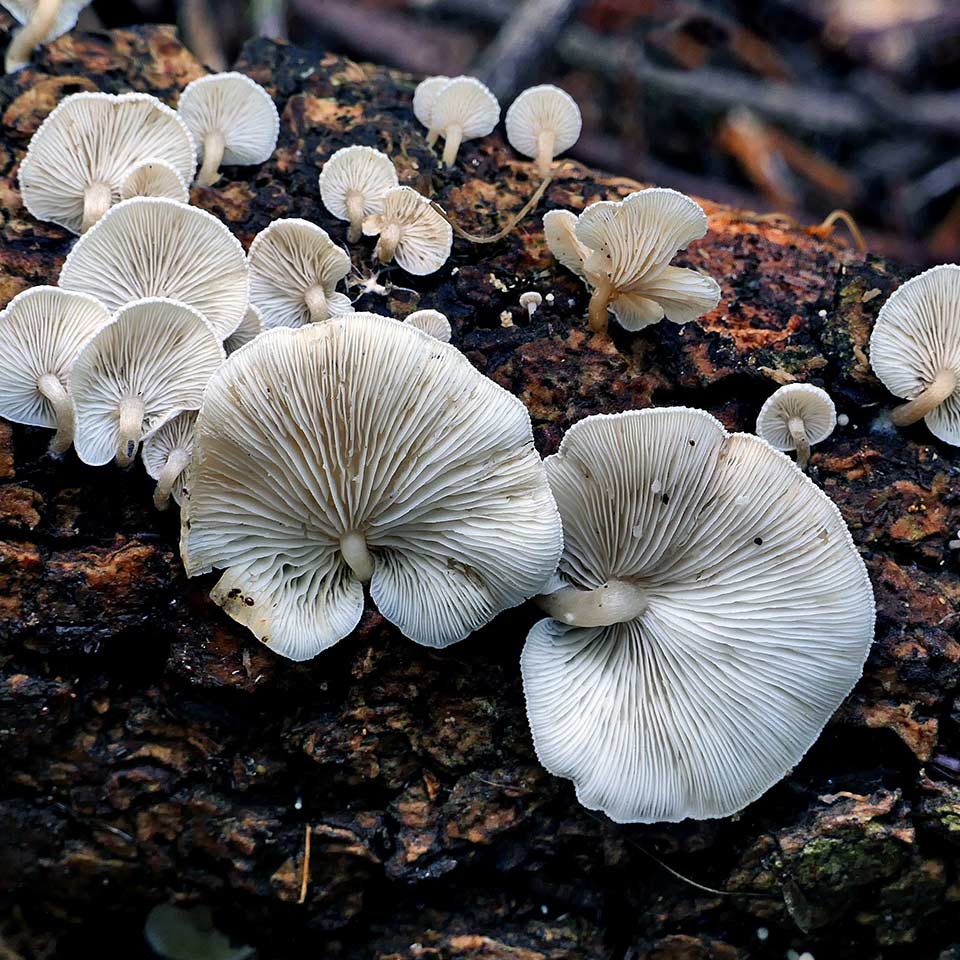
They also help trees communicate.
In The Hidden Life of Trees, Peter Wohlleben talks about how mycorrhizal fungi create communication systems among nearby trees. Through the “wood wide web” (a phrase coined by Dr. Simard in Nature), trees communicate about insect attacks, drought, and other dangers. In addition, these good fungi make good neighbors by sharing nutrients with nearby roots in their networks.
Clearly, fungi play an essential role in supporting plant health. Here’s what you can do to create optimal soil conditions so that fungi thrive:
- Avoid using concentrated NPK fertilizers. Phosporus, the "P" in NPK, damages mycorrhizal fungi. Follow this rule of thumb: fertilizers should be organic, have less than 5% nitrogen(N) and no phosphorus(P).
- Avoid using broad spectrum fungicides, pesticides, and herbicides. Some versions of these products are safe to use, but most kill off fungi, depleting the soil.
- Do not spray for mosquitos. Similar to fungicides, herbicides, and pesticides, mosquito sprays settle into the soil and destroy helpful fungi.
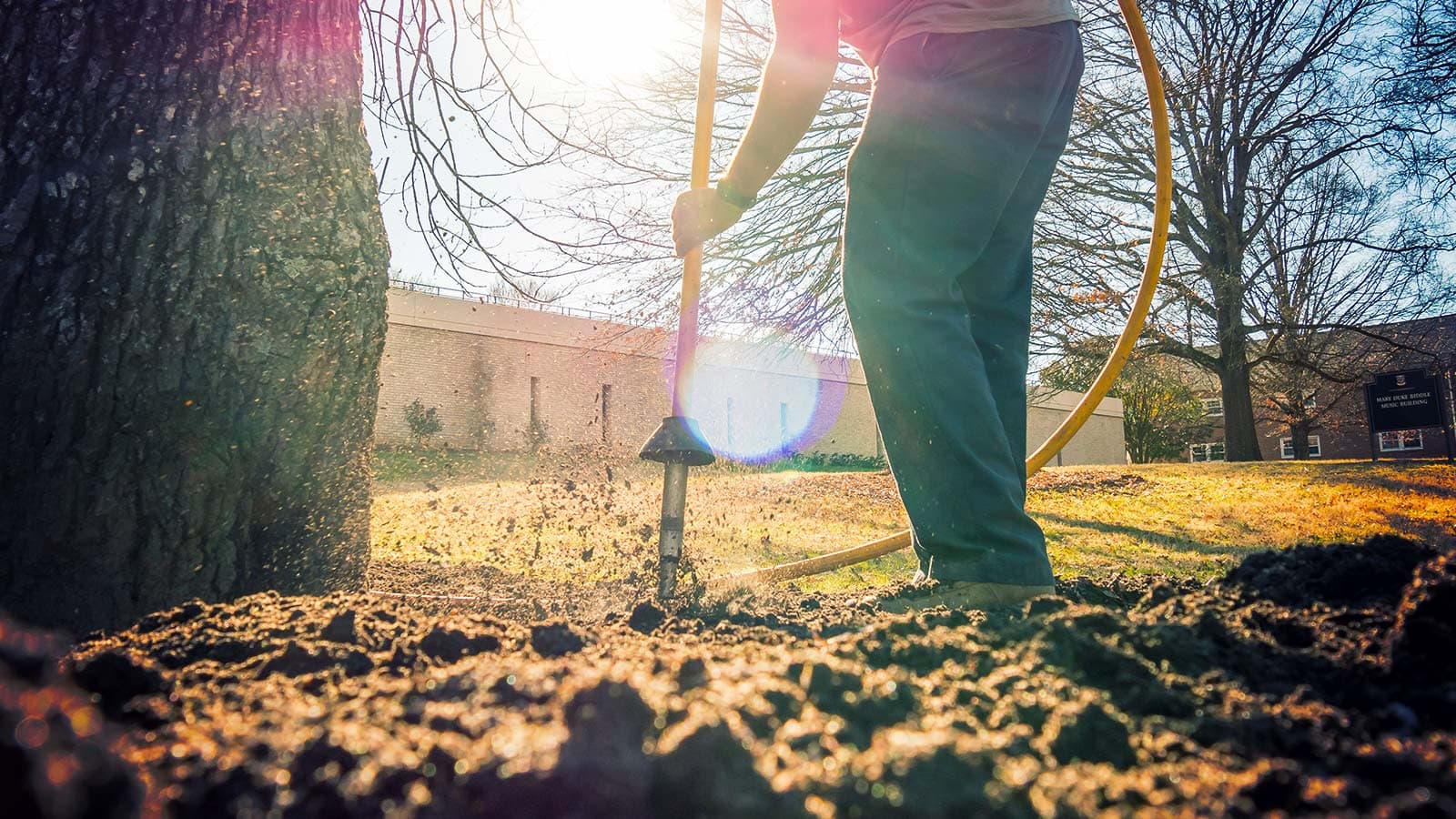
- Avoid compacting or tilling your soil. Compacting soil will crush delicate fungal tubes, and tilling will tear apart the fibrous networks.
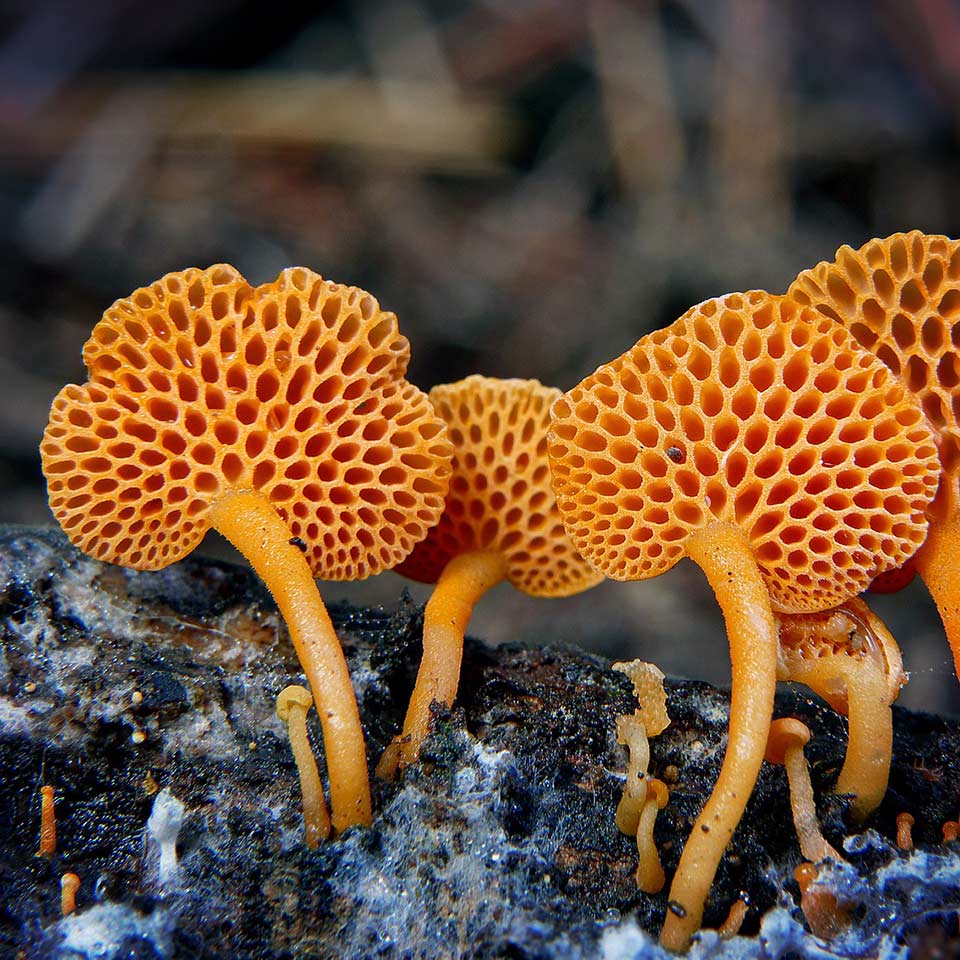
This partnership is so essential to plant life that over 95% of the world’s plant species form mycorrhiza
These tiny filaments are lifelines for trees and shrubs. Chances are, your trees couldn’t survive without mycorrhizal fungi. So remember, fungi are friends, not foes. Healthy fungi, happy trees.
Have questions about fungi? Want to learning more about creating soil where fungi thrives? Send us a note.