Opposums are Awesome (and No, They Don't Have Rabies)
These magnificent marsupials help control ticks and venomous snakes.
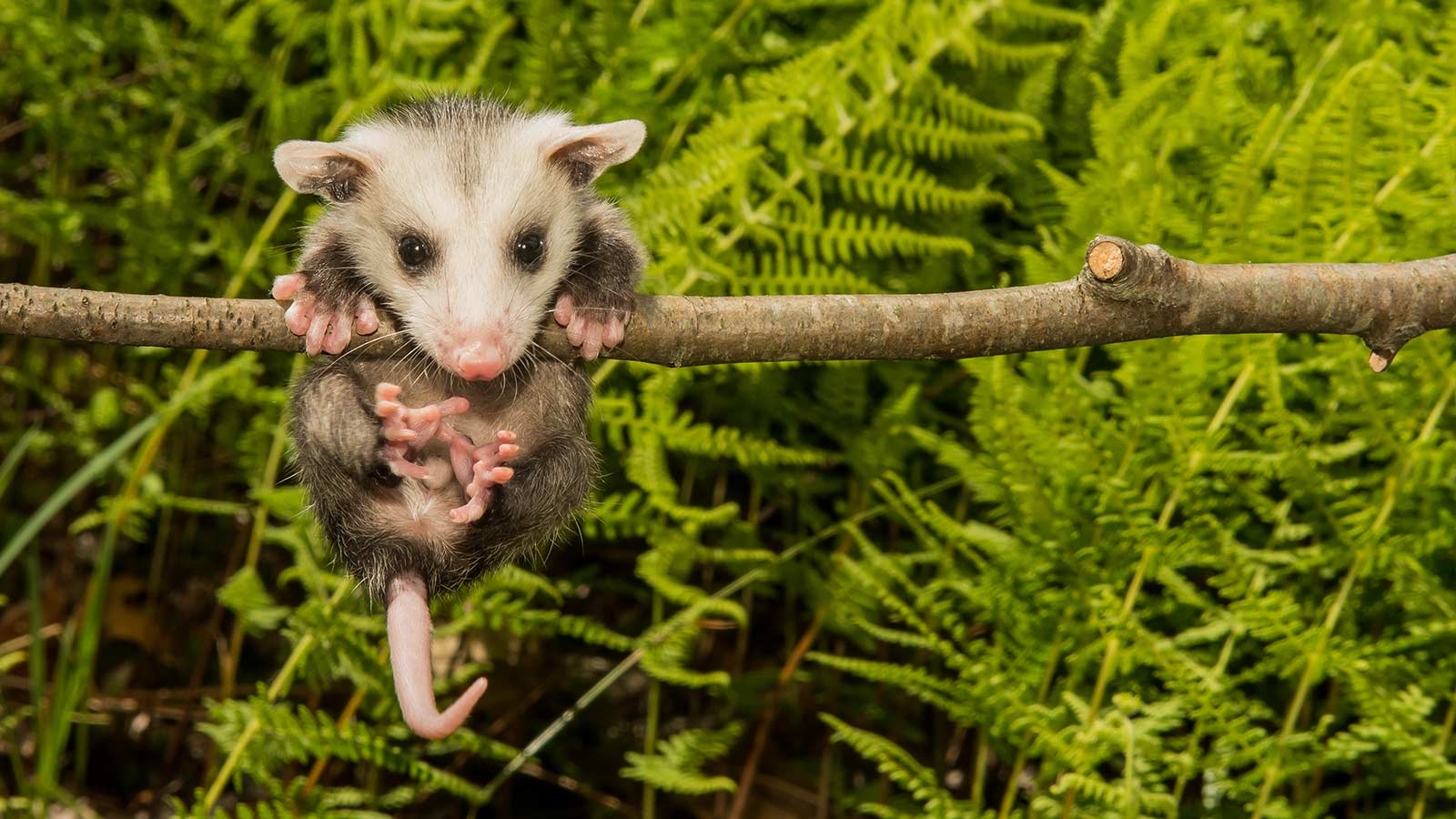
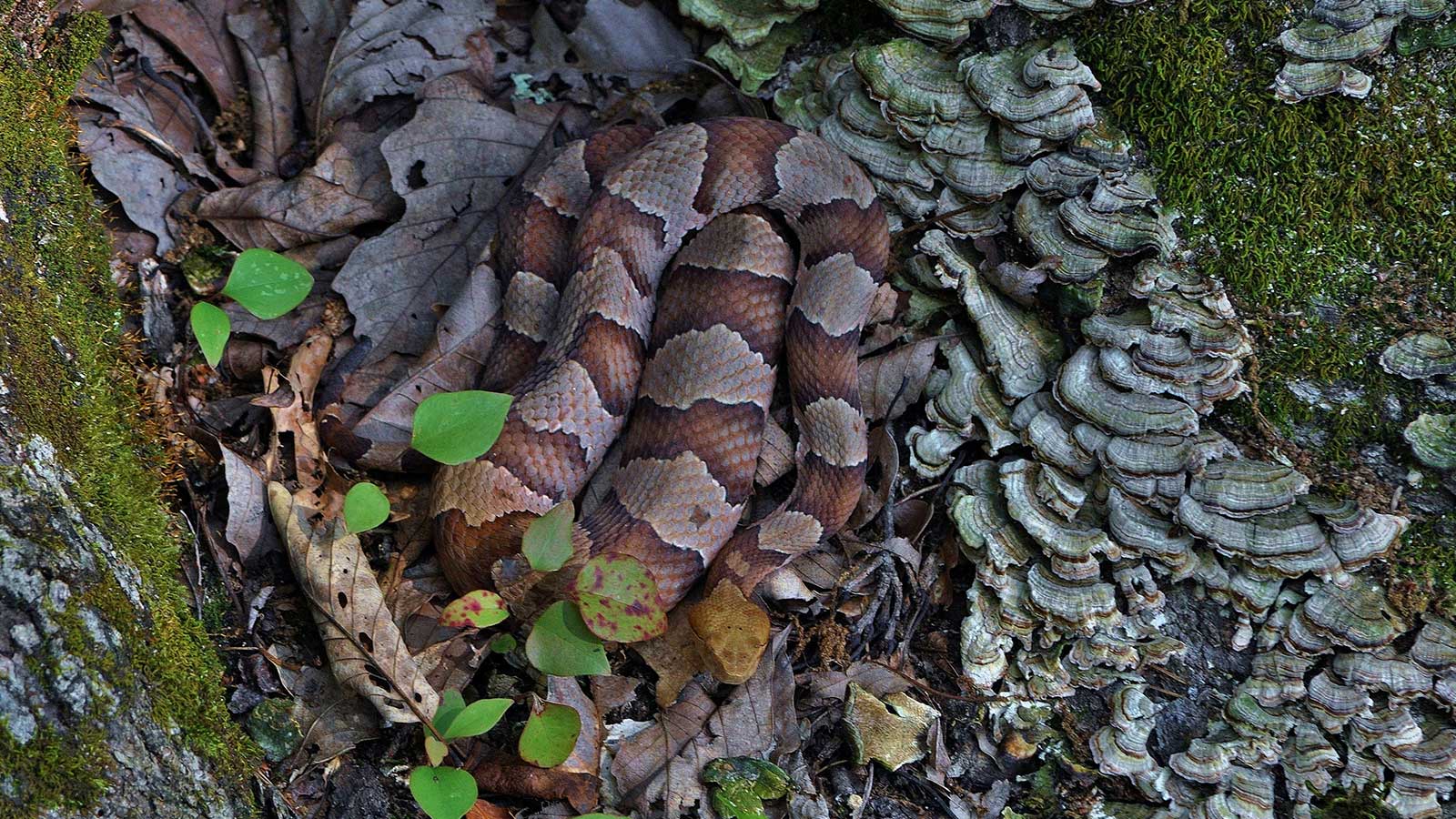
Worried about ticks or copperheads in your yard? One of the simplest ways to reduce the threat of unwanted pests is to make your space more hospitable to opossums and small mammals.
Alas, our opossum friends get a bad rap. What's the first thing you think of when you hear the word "opossum"? Likely overturned trash cans, rabies-infested pests, or red, beady eyes glaring from the dark, right?
The truth is that opossums are fascinating and beneficial creatures that are essential to a healthy ecosystem. They are nature's cleanup crew, eating insects, carrion, and even ticks and venomous snakes! There is a hot debate over the exact number of ticks an opossum eats, but the bottom line is that you are putting pressure on pests in your yard when you create a safe space for marsupials and mammals to thrive.
Nocturnal, Not Sick
A common myth is that opossums are rabies carriers because they are frequently seen at night, often behaving sluggishly. In reality, opossums are almost entirely immune to rabies due to their low body temperature, which makes it difficult for the virus to survive in their systems. The risk of contracting rabies from an opossum is incredibly low.
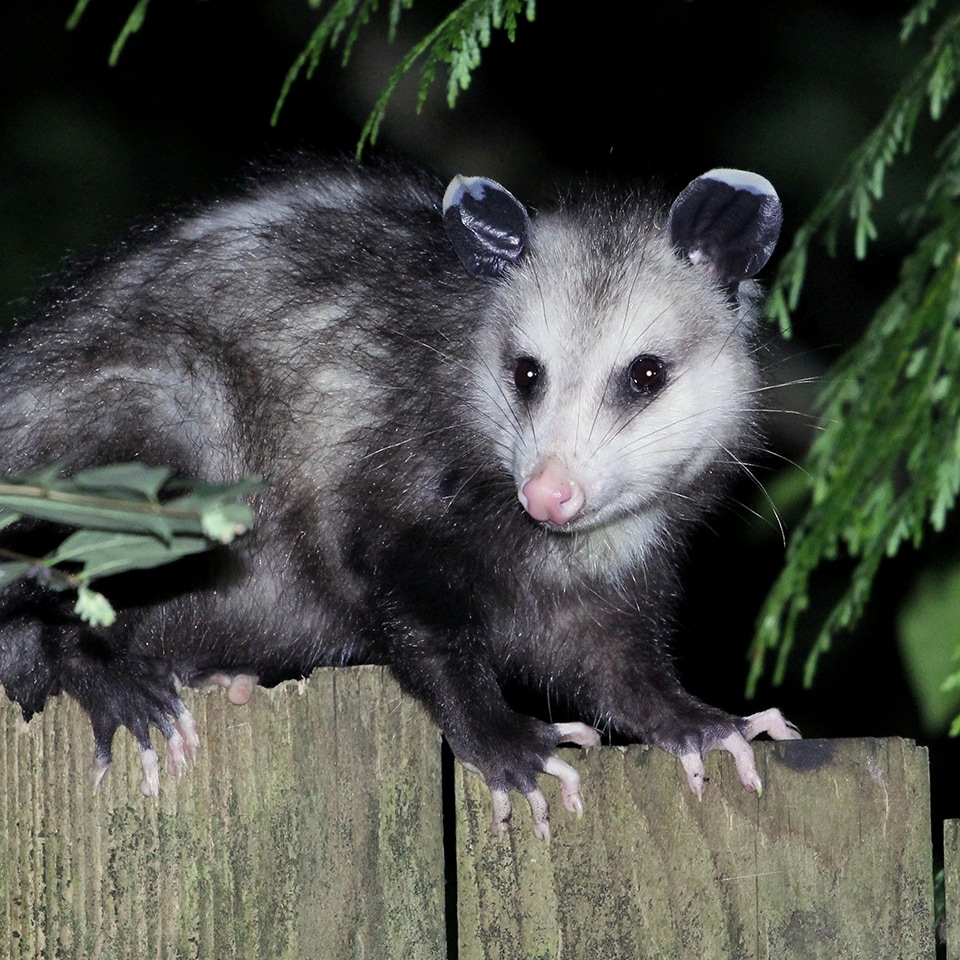
Still not convinced that opossums are awesome? Here are some of our favorite, fascinating facts about these underappreciated marsupials:
- Opossums are North America's only marsupial, which is an animal that carries their young in a pouch, like a kangaroo does.
- They eat garden pests like slugs, snails, and beetles, reducing the need for chemical pesticides.
- An opossum's diet includes carrion, which helps keep our environment free of dead animals that could otherwise spread disease.
- They have a natural immunity to snake venom, allowing them to hunt and eat venomous snakes, which keeps those populations in check.
- When threatened, opossums "play dead," a behavior called thanatosis, to avoid predators. They fall over, become limp, and excrete a foul odor to deter attackers.
- They are clean animals that groom themselves meticulously, similar to cats, and they help reduce tick populations by eating them off their fur.
- Opossums have prehensile tails and opposable thumbs on their hind feet, which are useful for maneuvering through the treetops and make them excellent climbers.
Despite all these unique traits, opossums are often treated as pests instead of pals. But remember, these nocturnal critters are actually essential to maintaining balance in our ecosystems.
So, what can you do to help these gentle night wanderers?
- Create a healthy habitat in your yard. Plant native trees and shrubs and leave organic matter for wildlife to use. A brush pile provides food and shelter for birds, all sorts of insects, chipmunks, salamanders, turtles, and other life. It also supports opossums, hawks, and raccoons that feed on the creatures living in the brush pile.
- Avoid using chemical pesticides. Opossums will help manage insect populations naturally.
- Secure your trash cans. While opossums can help clean up, they should not rely on human food waste for survival.
- Be mindful when driving at night. Opossums are often hit by cars, so keeping an eye out for wildlife on the road can help reduce fatalities.
- Spread the word! Opossums need advocates to counteract the myths and misinformation that surround them. Help your friends and neighbors understand the benefits of opossums.
If you'd like to learn more about supporting local wildlife or need advice on making your yard more opossum-friendly, send us a message.