Piedmont Prairies: The Process & What to Expect
Creating a Piedmont Prairie takes time and patience, but it is well worth the wait.
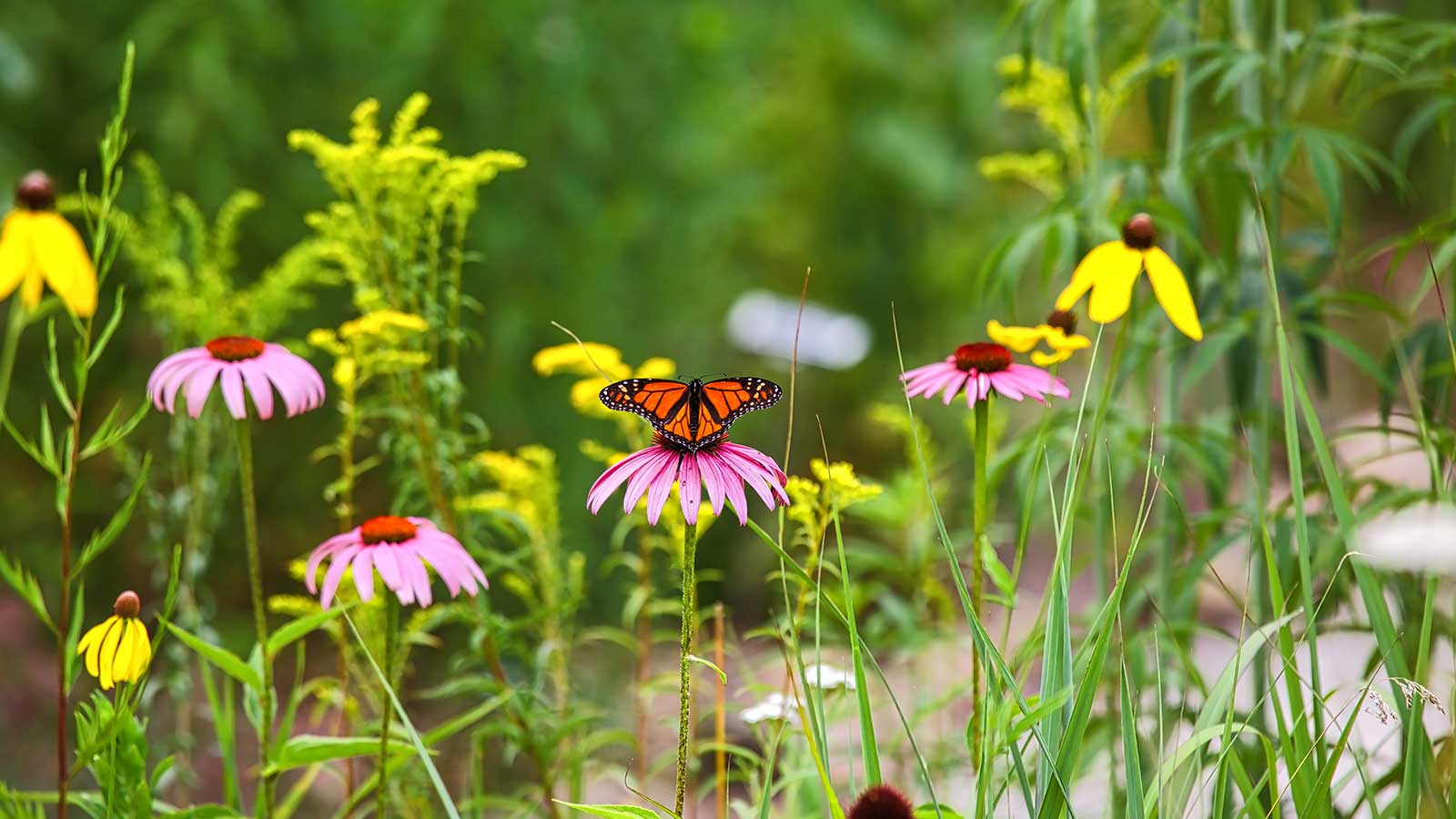
Creating a Piedmont Prairie takes time and patience - there is no instant gratification. On the contrary, it is quite the opposite. Typically, it takes several years for a prairie to begin looking incredible. But let us assure you, the effort and patience are well worth the outcomes.
Here is our general process and what to expect:
Site Assessment: First, we must explore and understand the site. We evaluate things like sun exposure, slope, and soil composition. We also consider other factors like deer or rabbit pressure, moisture levels in the soil, water runoff patterns, competition from nearby trees, how people engage with the site, and more.
Site preparation: Once we understand the site's details, we begin killing the vegetation on site. This step is one of the most crucial parts of this process. The degree to which we control the existing vegetation correlates strongly with how prosperous the Piedmont Prairie will be. For this reason, we typically use a glyphosate herbicide since other options are generally ineffective. The idea is we are taking one step back for two (or ten) steps forward. It is still not ideal; hopefully there are better methods yet to be discovered.
Seed preparation: We will formulate an appropriate blend of seeds based on the site assessment. If the site or project warrants, we may intermingle different combinations or supplement additional seeds in certain areas (e.g., more water-loving plants in wet areas).
Get Your Hands Dirty!
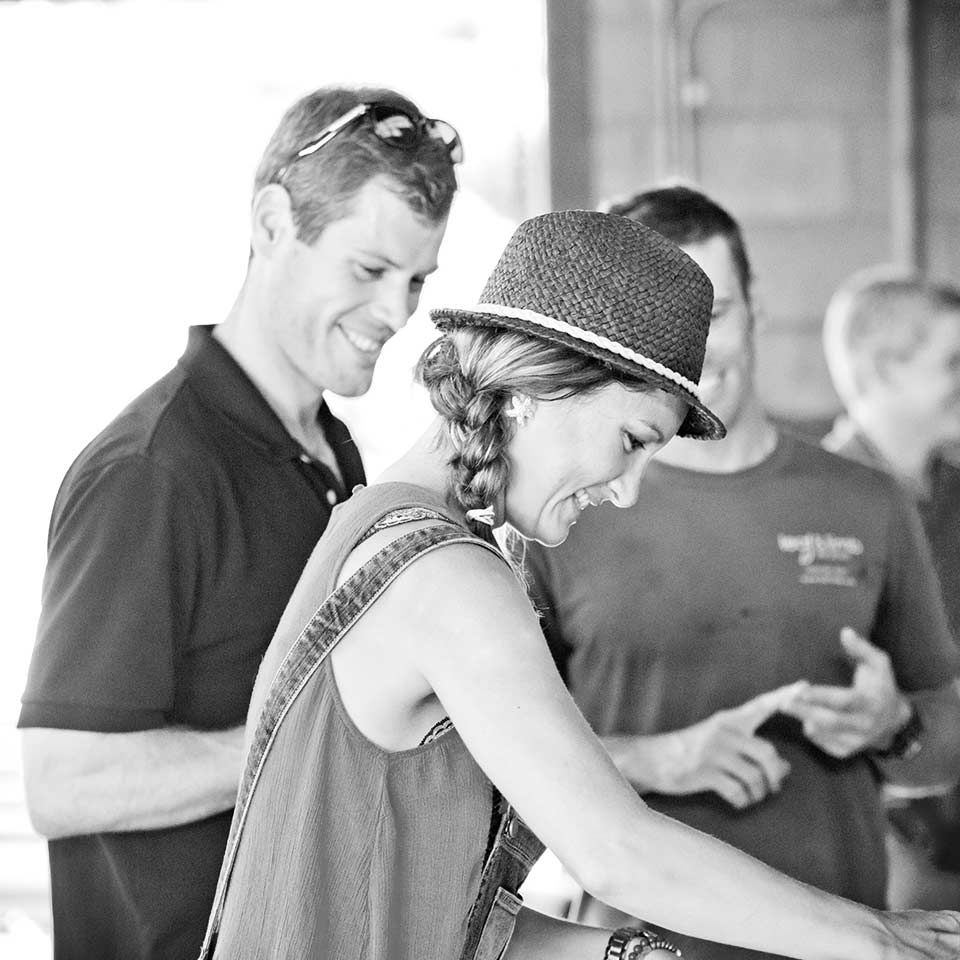
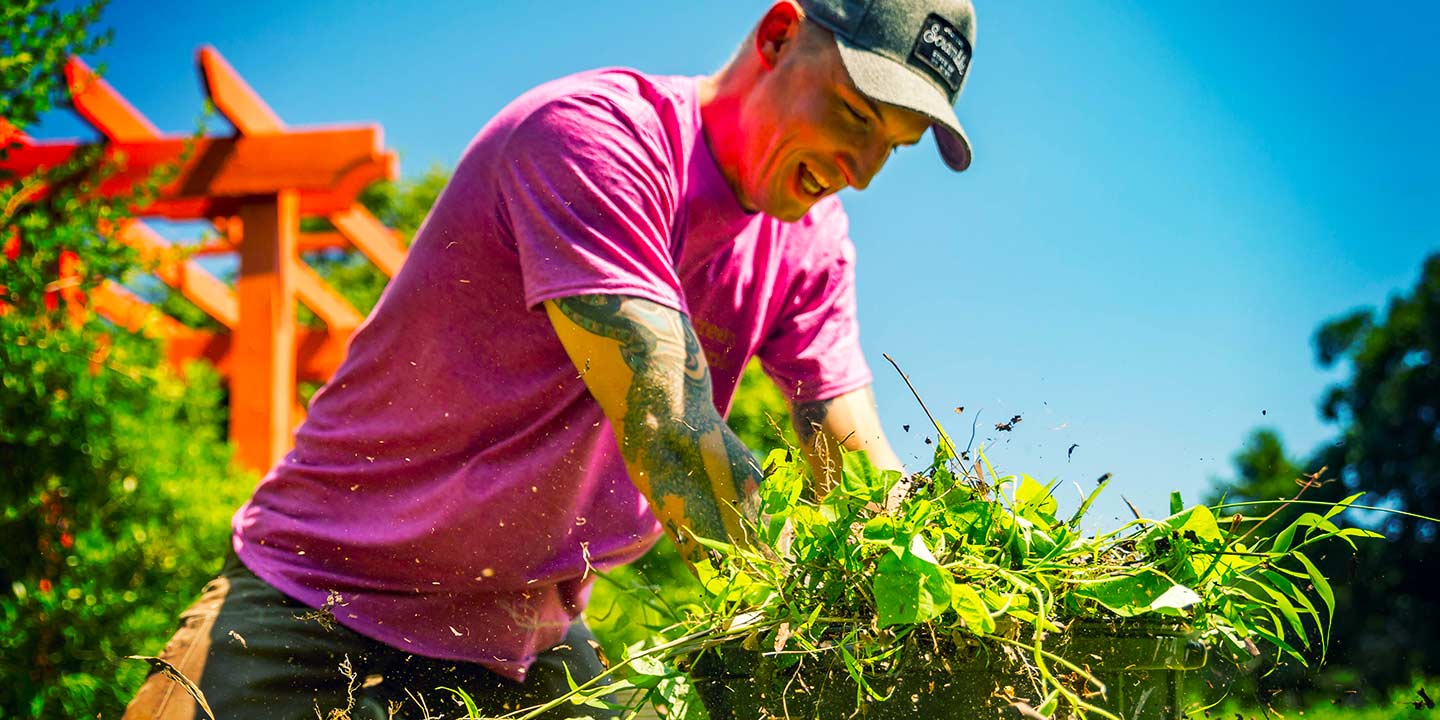
If you hire us to install a Piedmont Prairie for you, we would love to have you join this process as much as you are willing! It's not that we need additional help. We don't. Instead, you can more deeply connect to this incredible ecosystem by being part of this awe-inspiring process. Working with plants will improve your health and likely lead to a plethora of other meaningful improvements in your life.
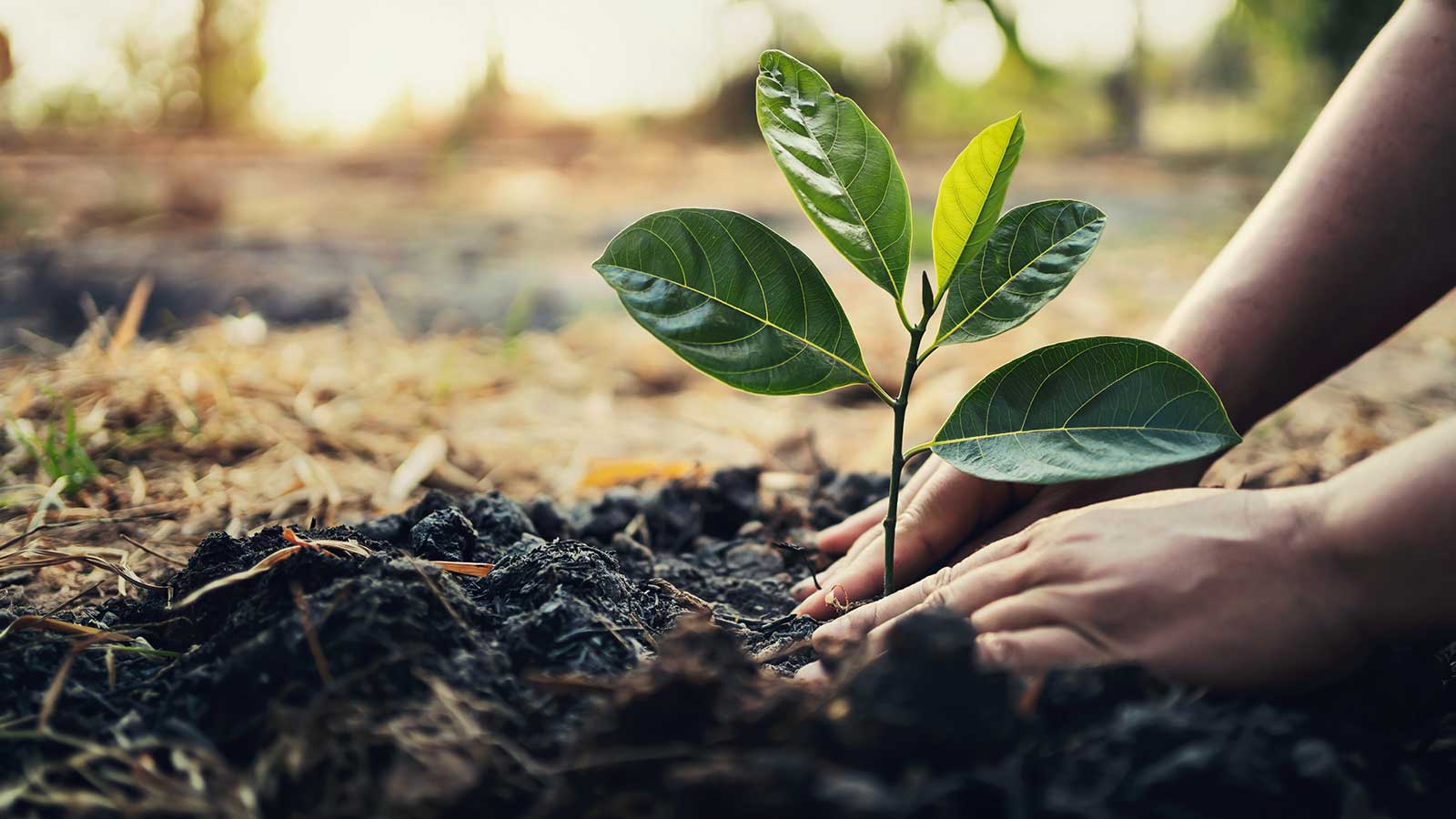
Seeding: Now comes the fun part! We will sow seeds during the dormant season. This step involves removing thatch, preparing the soil, spreading seeds, and pressing them into the ground. In addition, we may lay down erosion control devices for some sites, such as weed-free straw or jute fabric overlay.
Years 1 and 2: Watch and react: the next phase varies considerably based on the site, weather conditions, and other factors outside our control. We must closely monitor what is growing on site and cut vegetation often. When there are weedy grasses and other invaders, which there almost surely will be, we must do our best to prevent them from reproducing. This can be highly challenging for some species, such as bermudagrass and nutsedge. It is best to expect nothing for the first season. Most sites look like a sorry excuse for a yard.
But not to worry! Most sites begin blooming with life during the second growing season. We may have to do some string trimming and site management during the second growing season, but it is usually much less than the first. It is a rare occurrence, but some sites may have to be reseeded and restarted from scratch. Additionally, there are instances where major weather events make this necessary.
Years 3, 4, and 5: Now the fun really begins! By year 3, most work should be done, except for the annual cut or burn. (A burn is preferred but is not always possible in specific neighborhoods.) New species are emerging in each of these years, and the site is evolving dramatically.
Years 5 and beyond: We've made it! The Piedmont Prairie should be mostly mature by the 5th year. It will still evolve and change. But at this point, as long as annual maintenance is performed, it will be mostly self-sustaining.