How to Spot a Southern Pine Beetle Infestation
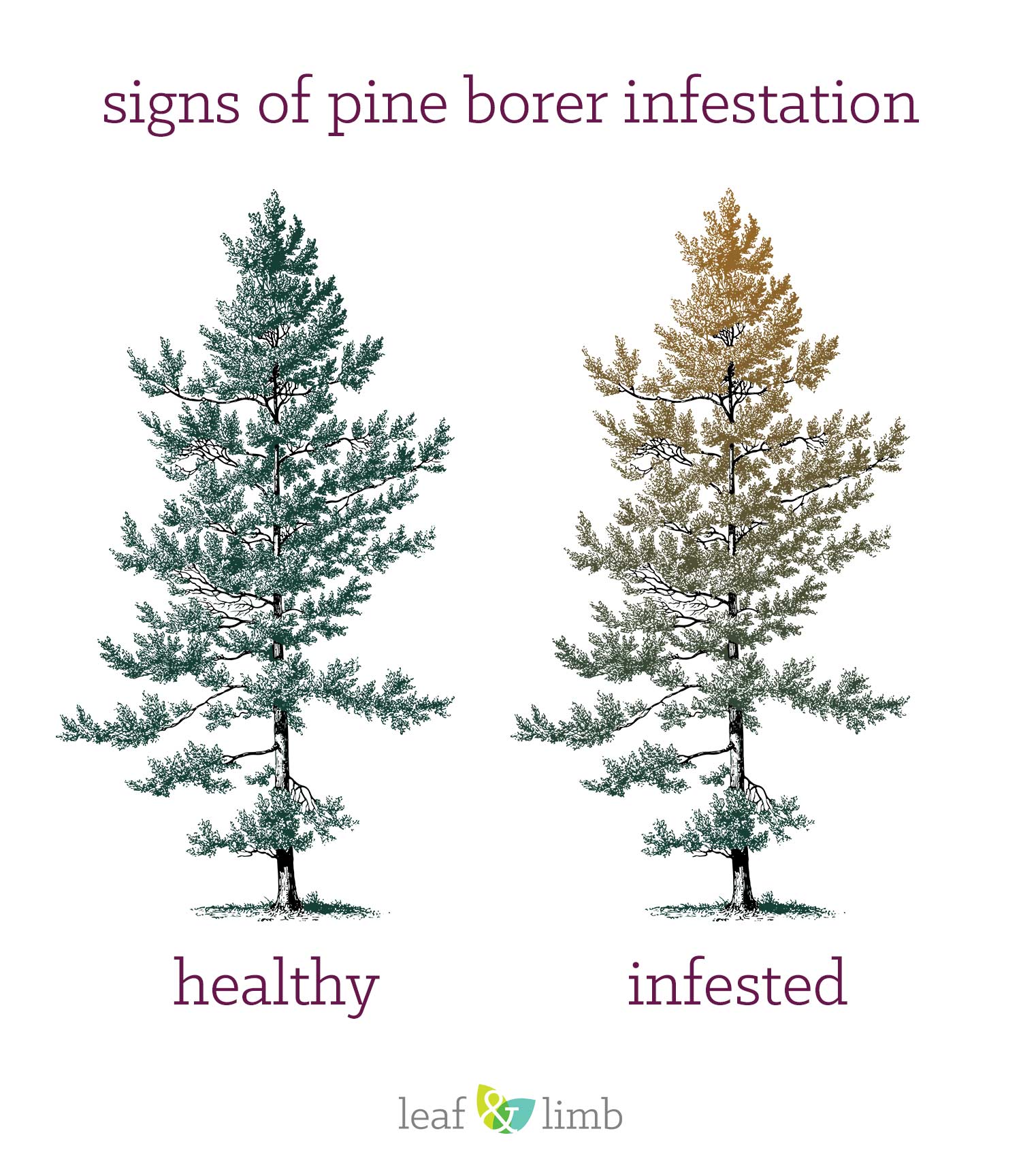
Have you noticed your pine trees are turning brown from the top down? You might have a problem.
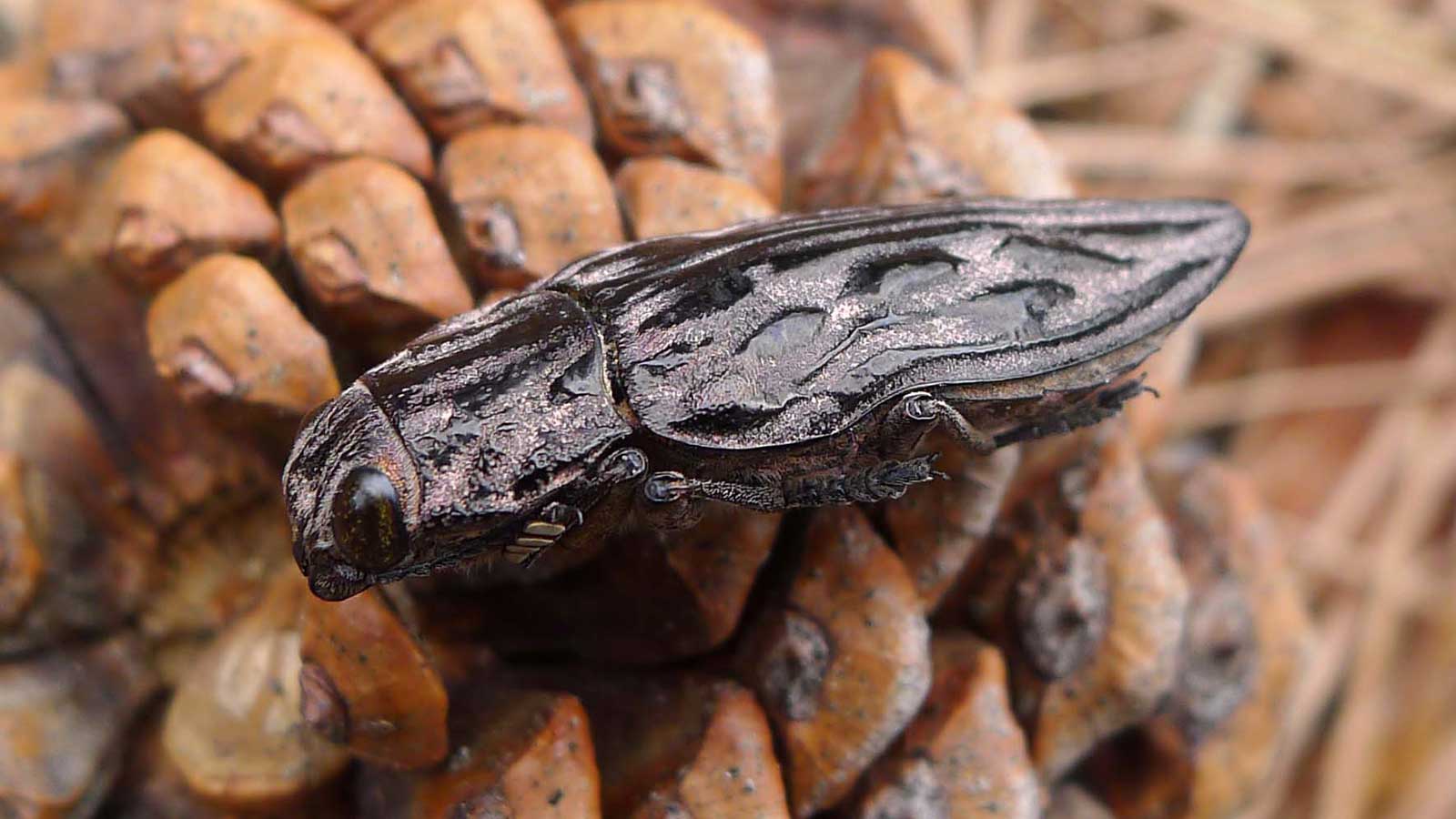
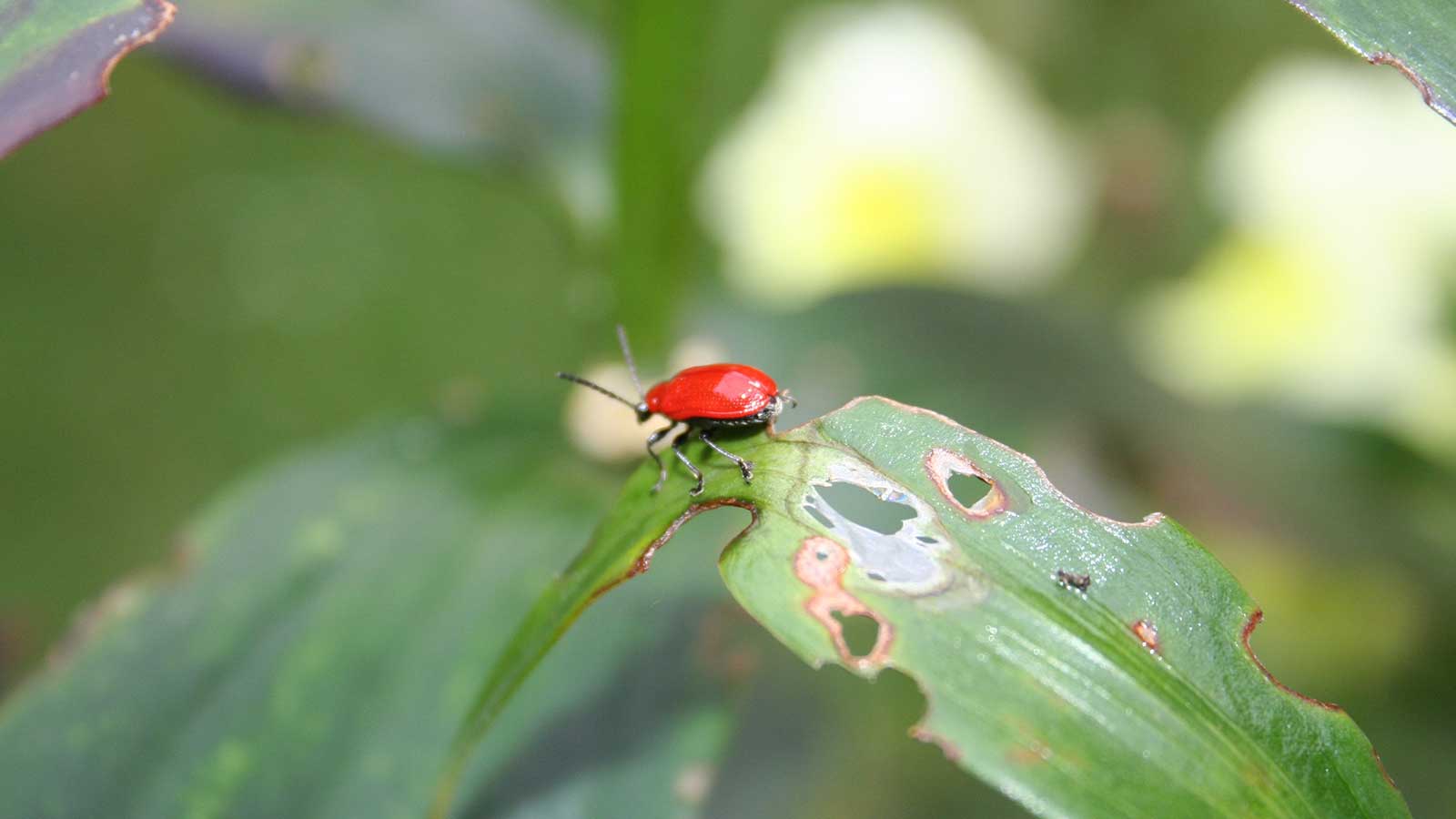
There is a pest that can do significant damage to large groups of trees in central North Carolina: the southern pine beetle. This pest has been found all over the Triangle. The infestations are in high enough numbers to cause irreversible harm to our community trees.
Unfortunately, you can’t do anything to treat the tree once they have them, but you can prevent them from spreading by diligently looking for and reporting signs of attack.
How to spot them: Pine trees should have green pine needles all year round. If you notice that one or more pine trees are turning brown (typically from the top down) or if you see a lot of fine sawdust around the base of a pine tree, please call an arborist to have the tree inspected.
If you are unsure, call us or send us a message to schedule a free consultation.