A Worm’s Eye View of Soil Renewal
How healthy soil comes back to life — told by Ernie Earthworm
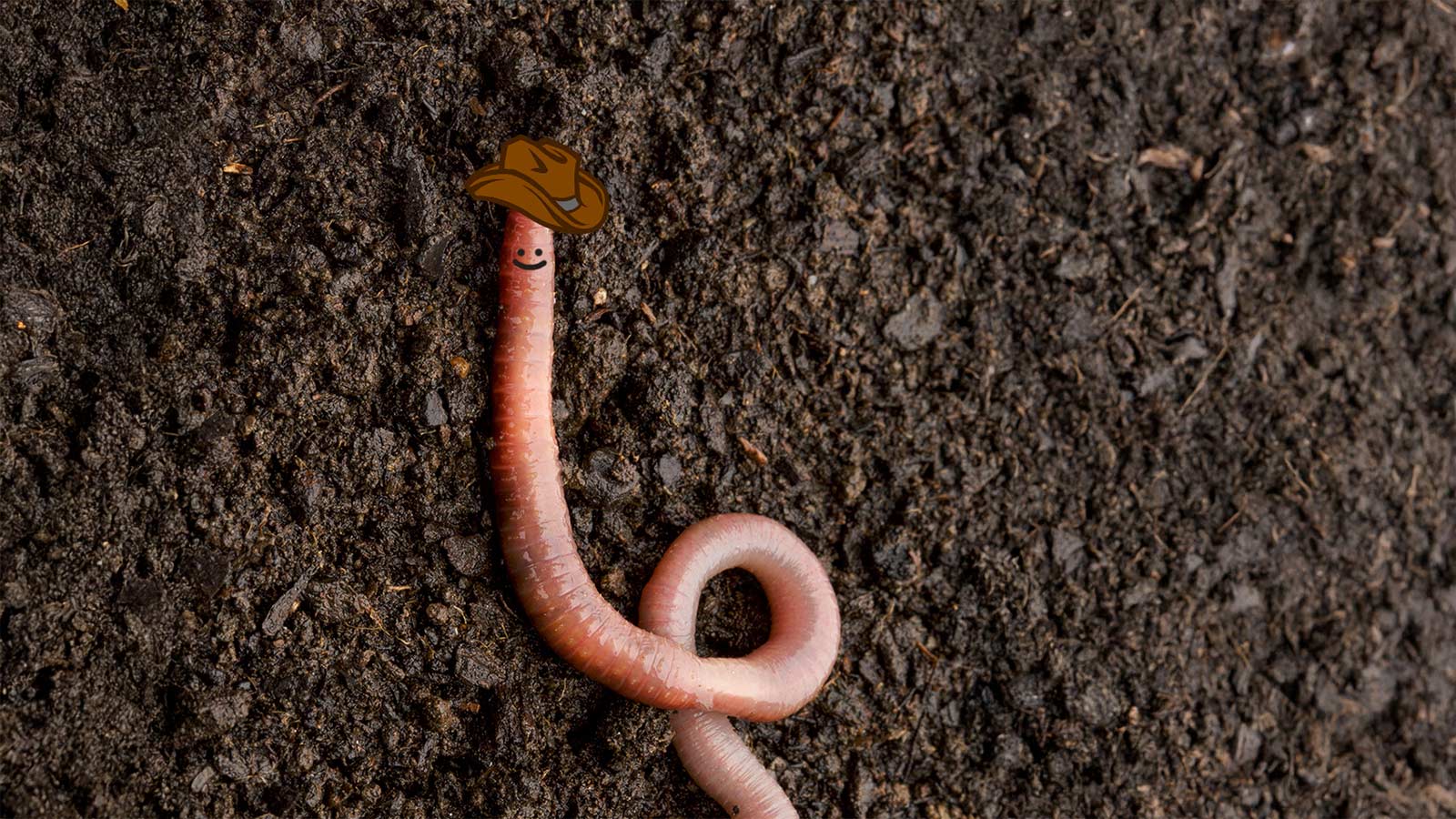
It’s me again, Ernie Earthworm.
I’m very happy. My neighborhood — in fact, my whole underground town — has undergone a complete renovation. I’m excited to tell you about it, in my own words:
Back When This Was Forest
Many moons ago this was all forest. We lived a pretty good life. Sure, there was the occasional upheaval. Trees would topple over; sometimes a whole bunch of them. There was even a fire once. But we were OK. We were prepared for these kinds of things and could get our homes back the way we liked with everyone’s help.
Life in Loam Hollow went on as it always had. When rains came, precious water trickled down between the roots. Mycorrhizal fungi were networking with roots to bring nutrients, water and other necessary products where they are needed.
In fall, leaves blanketed the surface of our world. This was my busy season, pulling leaves into my burrow to make castings, which, not to toot my own horn too much, are packets of goodness delivering nutrients and my little bacterial buddies where they are needed, all the while improving the soil texture.
When I’m not doing that, I have my infrastructure engineer hat on, excavating burrows which help move air and water around.
Ants, the original soil excavators and aerators were busy moving things around, aerating soil, cleaning up unwanted elements. Microbes and roots were making business deals to exchange goods in a win-win environment. Our town was thriving.
When the Machines Came
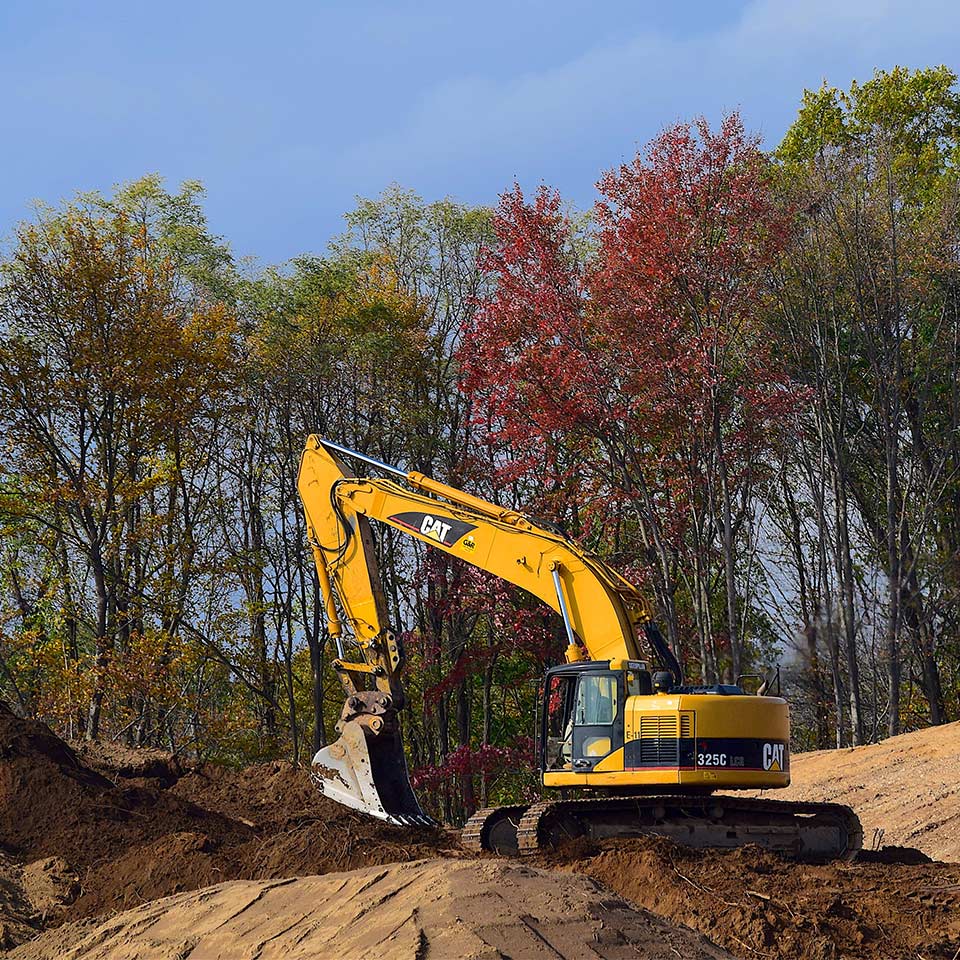
Then, one day big machines came and scraped it all away.
I was lucky enough to hide away amongst the roots of a tree in the Oakroot Quarter that was spared — which has since become “my tree”. A house was built and a human family moved in.
Strange plants, I believe called “turf grass,” were rolled out onto part of the barren clay left exposed after the machines pushed over the trees, roots and all, and scraped the mulch and rich forest soil that had been building since before my time.
Almost everywhere I travelled, I was impeded by compact clay. Most of my neighbors — the ants, beetles, nematodes, and the communities of bacteria — were killed or fled.
I still lived within the roots of my tree, but these roots were showing signs of distress, and the further I explored from the trunk, the worse it was. I encountered few of my old neighbors.
Things were quiet for many moons, but our soil world slowly got worse. The soil beneath the turf grass worsened even faster. Hardly anyone wanted to live in these Clay Flats, which grew ever denser over time.
Not much of the rain that fell got down where we really needed it. Twice a year, the Clay Flats were drenched with fertilizer, herbicide and fungicide. The leaves that fell were collected and taken away.
We fared slightly better in the Oakroot Quarter, but I’m not gonna lie, it was a hard many years. Puns aside, the soil has been so hard and lifeless that we were contemplating a complete evacuation.
But it was home, and likely a long way to something better. We continued to do the best we could, but it was too little. We knew that not just our world, but the world above, in the light — where the other half of my oak tree lived — was not faring well either.
But several moons ago, something great happened, and we are on the road to prosperity again!
And Then, The Soil Could Breathe Again
It started with a roar. The cement-like soils of our town were broken up by blasts of air, driven by a machine that could make the very wind drive down into the earth.
It was disorienting, but despite the maelstrom, the roots of my tree in Oakroot Quarter were not harmed.
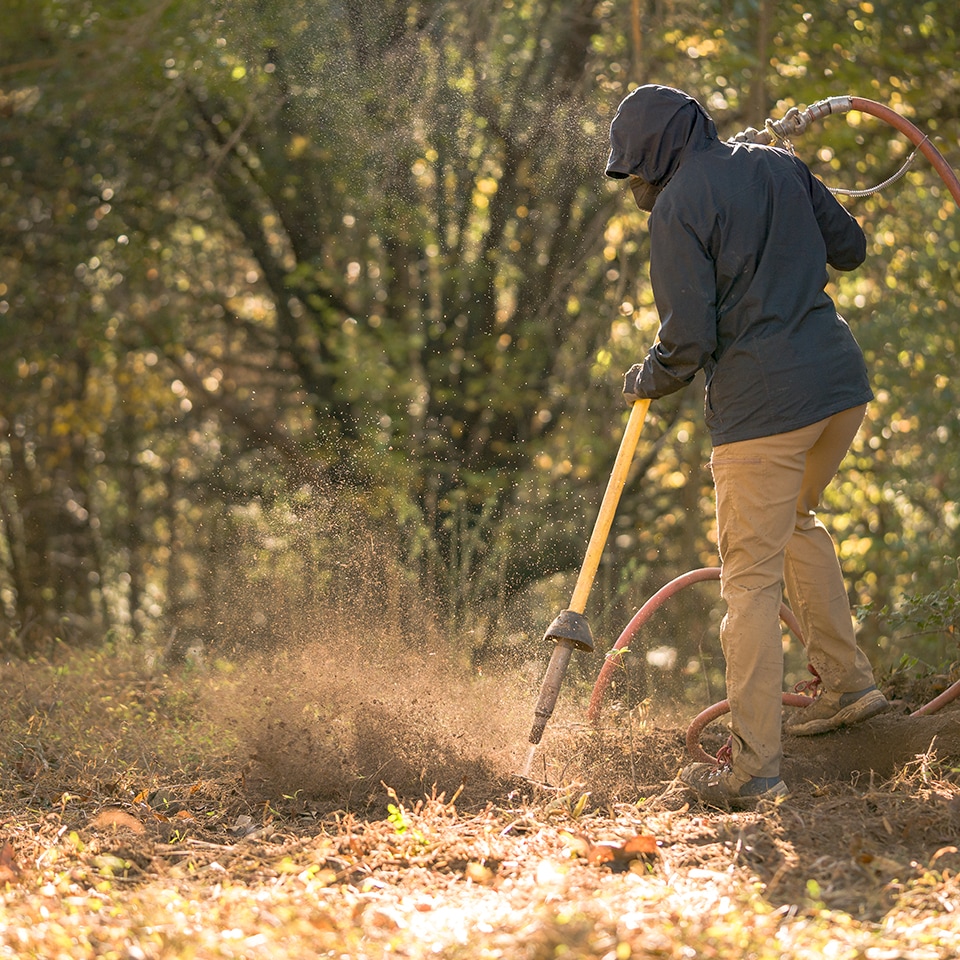
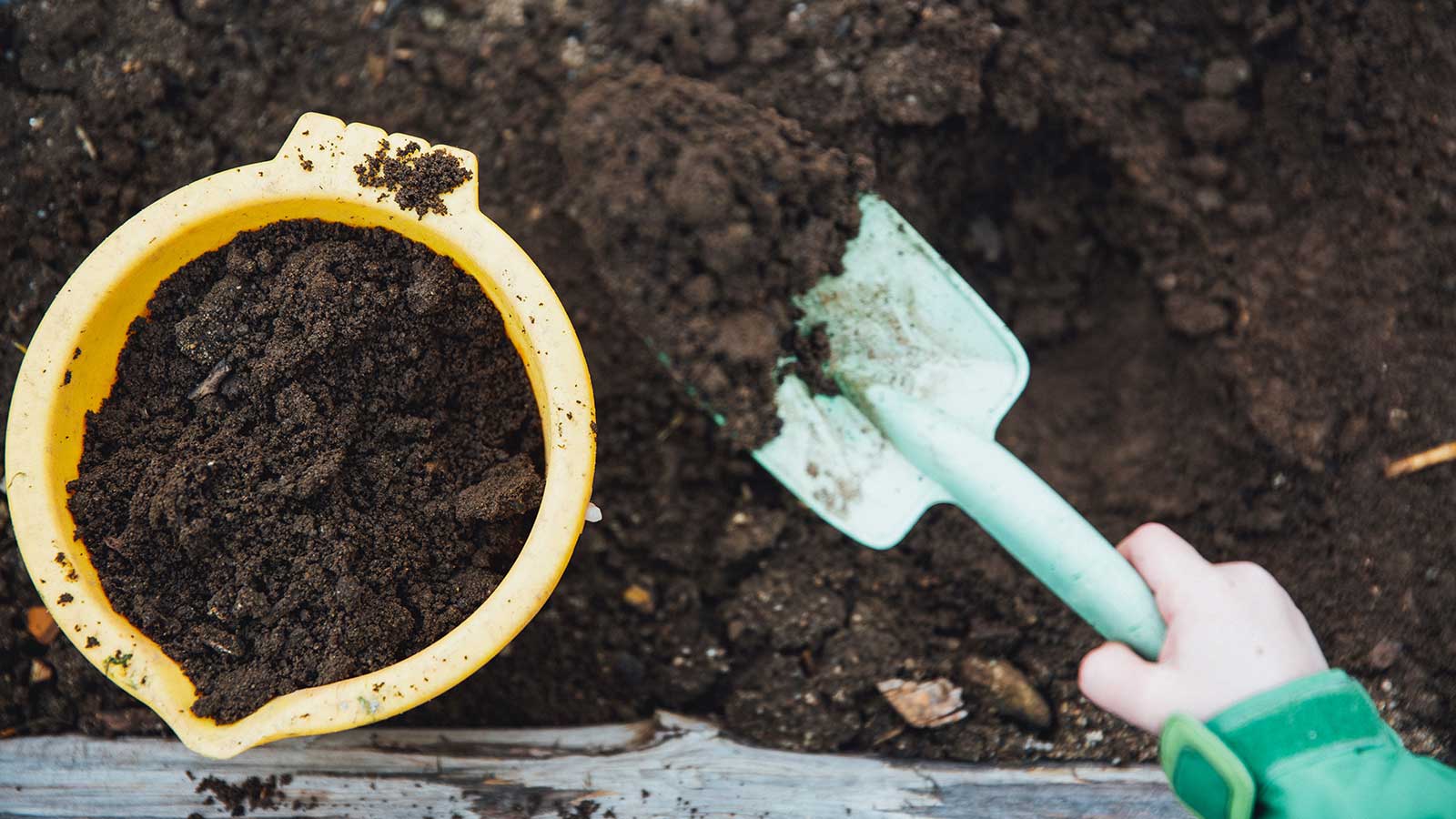
Then great dollops of rich compost were swirled in. A lot was happening fast, and I hightailed it out of there while it lasted.
Then things got very quiet underground as a blanket of wood chips was laid over everything.
A gentle infusion of liquid compost, teeming with old neighborhood communities I had not seen for ages — the fungal friends and bacteria buddies were back!
There’s air down here again — we can breathe and move around more. We are rebuilding the Burrow Borough!
There’s moisture and nutrients too. The rain that hardly penetrated now passes into the soil in gentle subterranean rivulets. The soil is a more comfortable temperature with the wood chips overhead.
Signs of Life Returning
The roots of my tree are showing signs of renewed vigor. They are growing like I haven’t seen in moons. Root hairs and their fungal and bacterial partners are “back in business” again, and that business is booming.
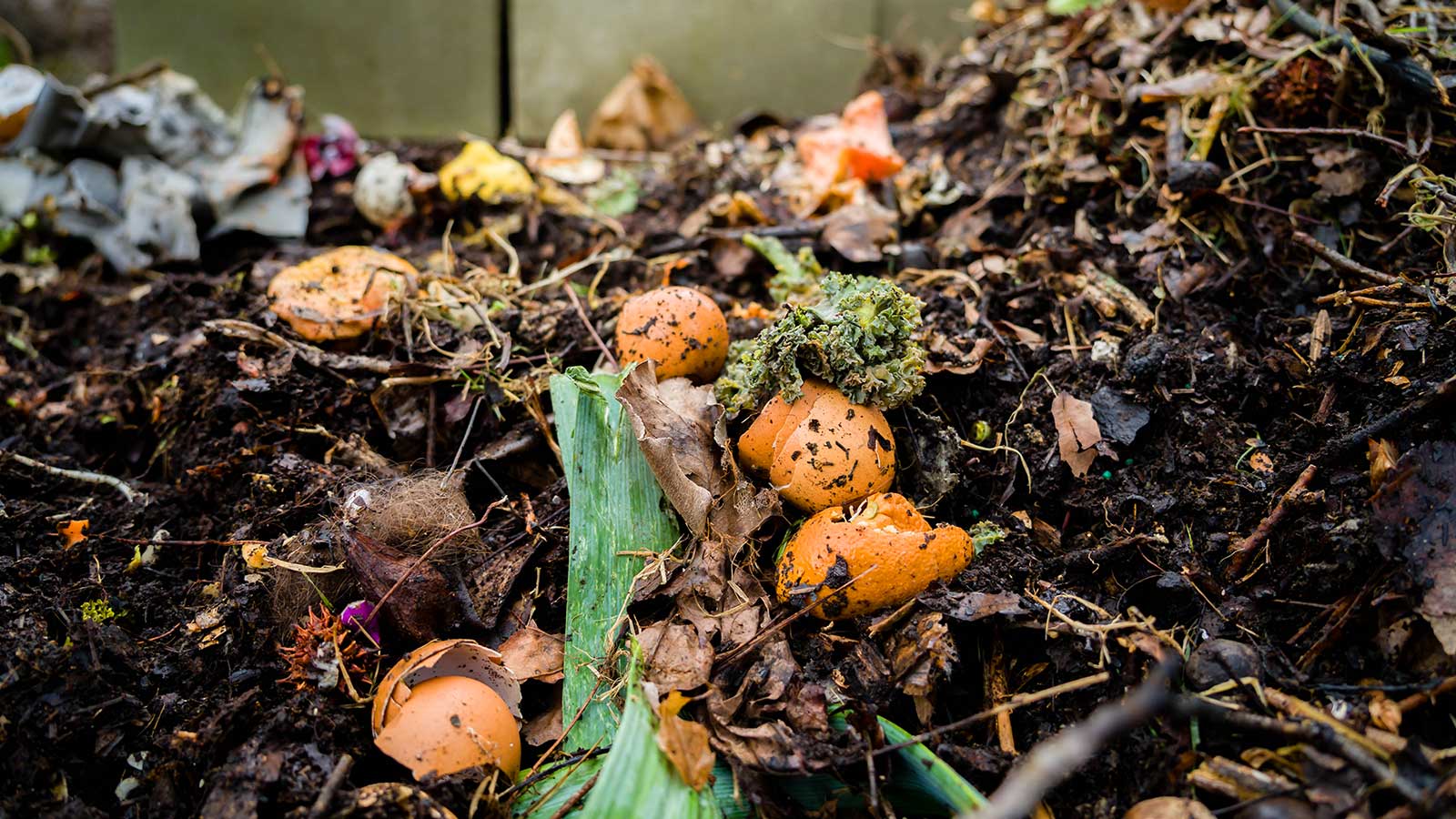
Critters are moving back into the neighborhood. Mites, ants and springtails — and even bigger creatures like glow worms and goliath beetles — rumble through the lighter loamy layers.

Some of us were worried that the chemical storm would come again (trad fertilizers), but it hasn’t. Big sigh of relief.
Even Clay Flats is undergoing neighborhood rejuvenation with the seasonal and regular “rain” of liquid compost.
Life has returned to Loam Hollow. You can feel it in the tunnels, hear it in the quiet chewing of the springtails and sowbugs, and myriad other creatures getting back to work.
P.S. Ernie doesn’t know why these good things happened — he’s just happy that they did.
We can tell you that the human family that was concerned about their venerable oak (Ernie’s tree) are smiling to see vigor return to its heavy and ancient boughs.