Managing Invasive Plants
Some strategies for removal include pulling, smothering, starvation, containment and more.
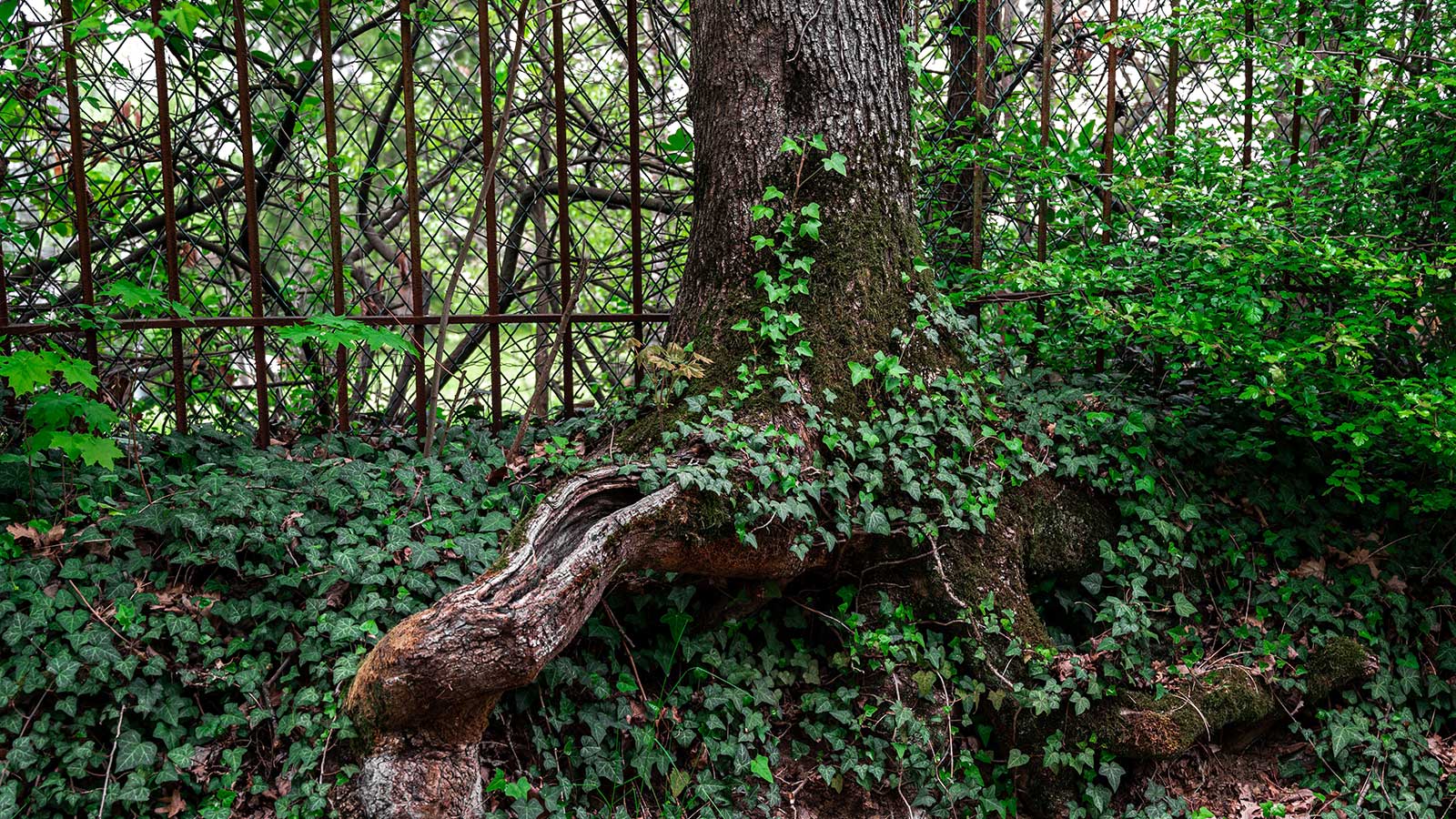
Invasive plants are species that are introduced to a new region and have no natural predators, diseases, or competition to stop them from growing and overtaking native vegetation and devastating ecosystems.
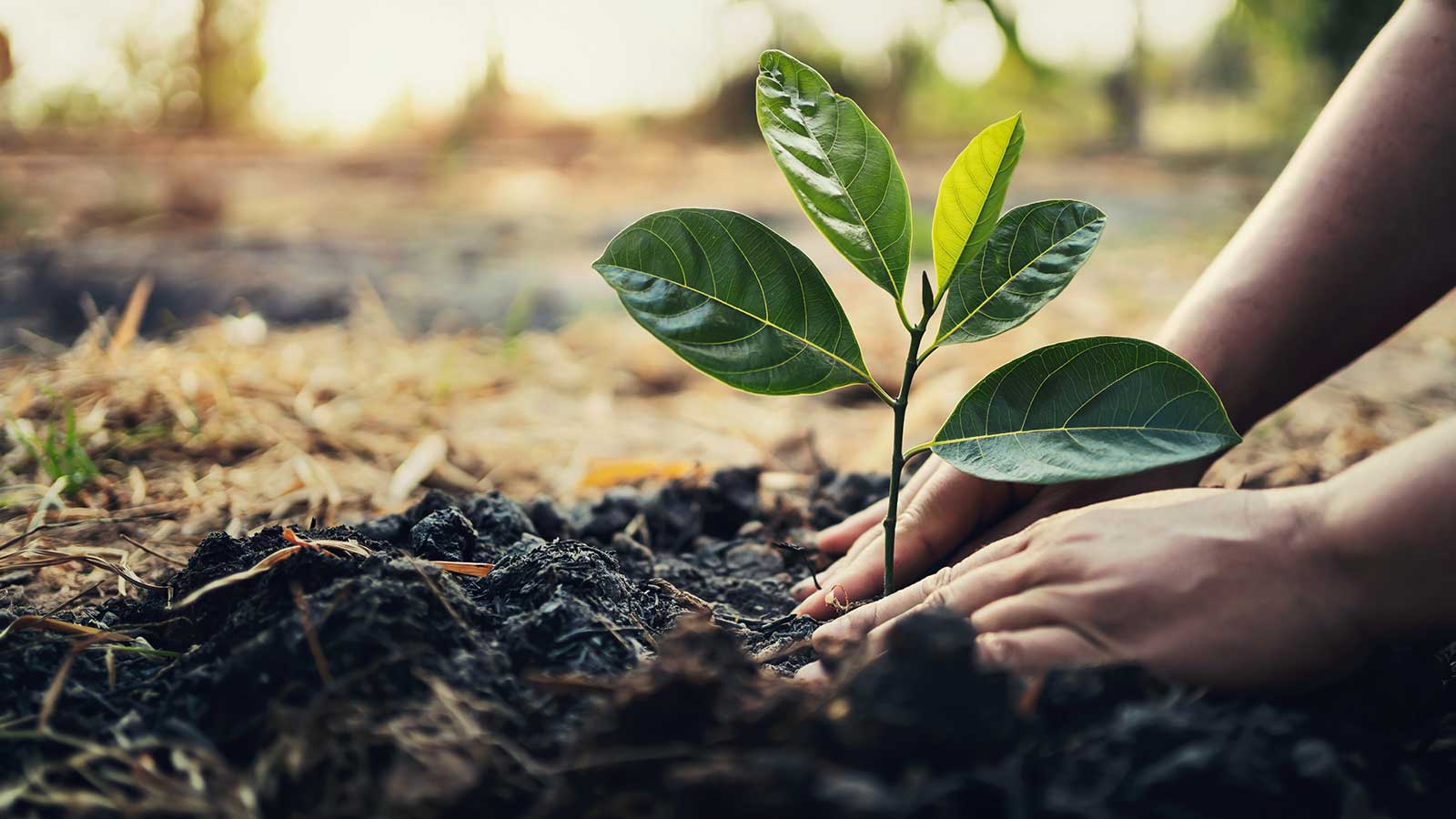
At Leaf & Limb, we remove these invasive plants and replace them with native trees and shrubs that support balanced and robust ecosystems and allow an abundance of life to flourish. By doing this we can increase the amount of food available to insects and other animals by up to 96% and create lush new native habitats.
To manage invasive species, we use a variety of strategies including:
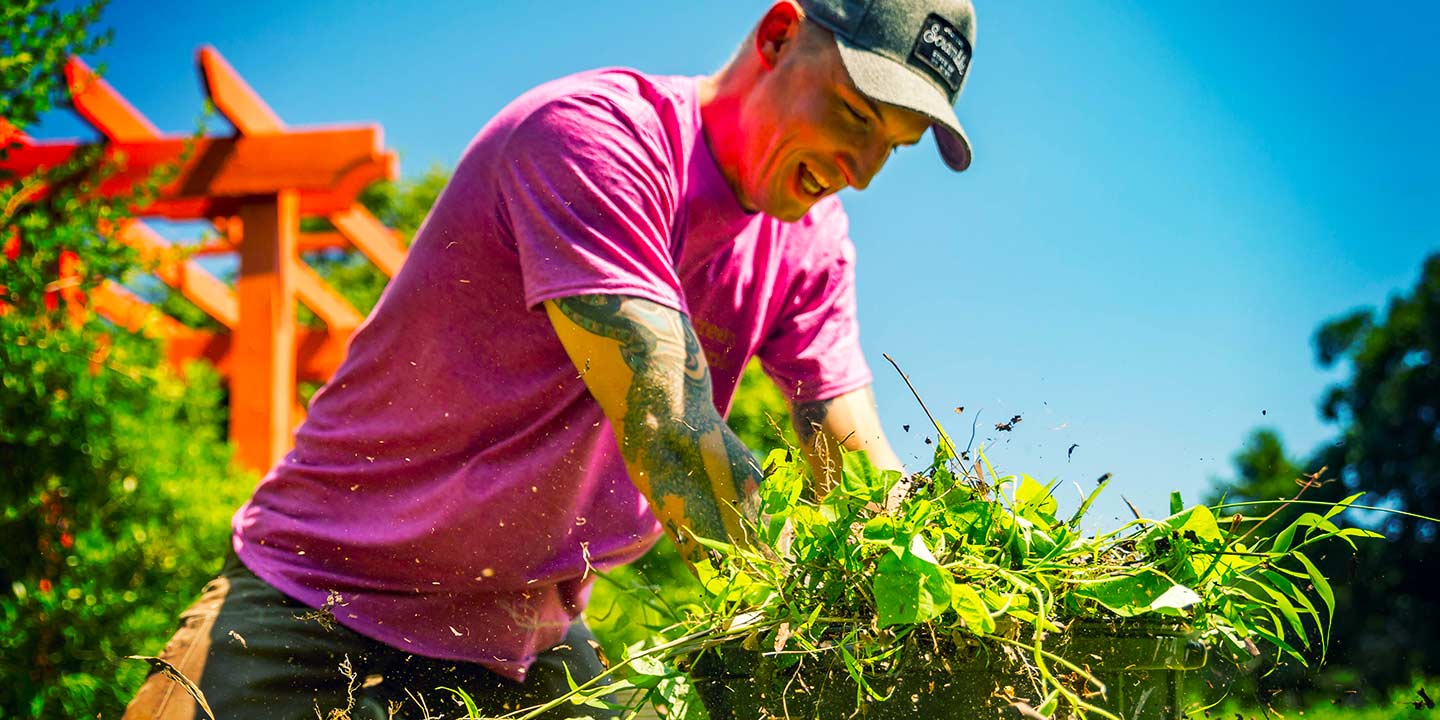
- Pulling: for some herbaceous plants, this may be the best approach. But this is generally not very effective.
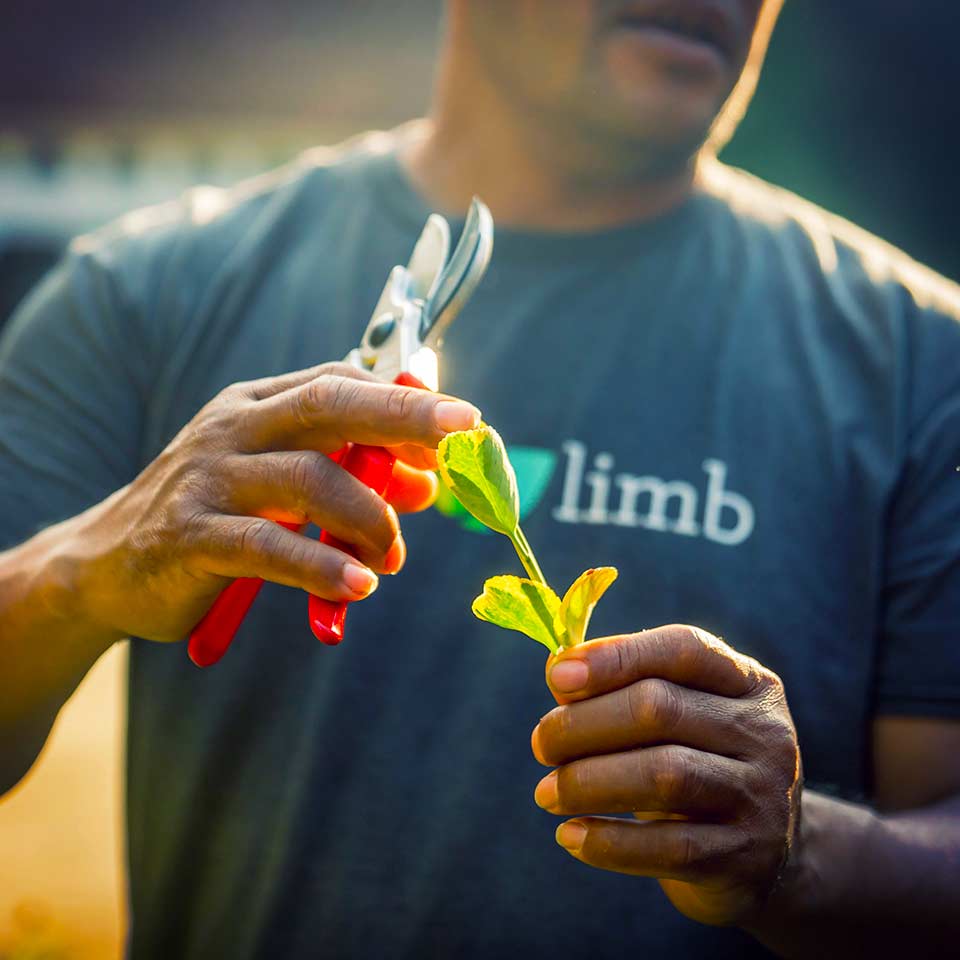
- Cut & paint: for small trees and shrubs that resprout vigorously, consider using a standard paintbrush to paint the stump with a 15-25% glyphosate concentrate after you cut it down. Determining whether to use herbicide will depend on a number of factors.
- Smother: sometimes the best approach is brute force – just bury the plants under layers of cardboard and wood chips. This strategy works well where there is dense ground cover. This may take multiple attempts, but it works for many species.
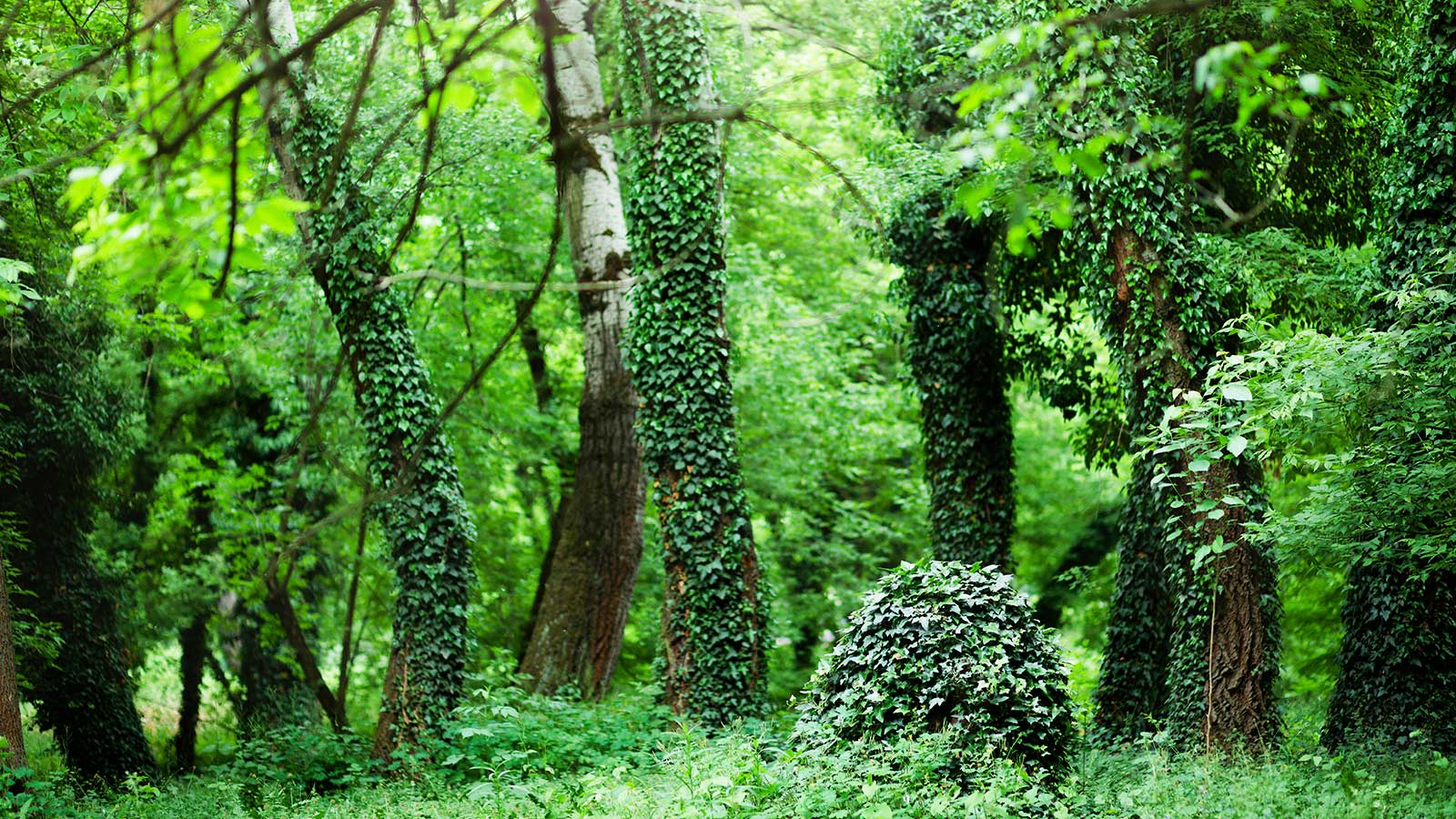
- Sever vines: there are a number of invasive vines here in the US that harm our native ecology. Once they become wrapped up in canopies and spread across great distances, removing them is impossible. But all vines must grow from the ground. Remove a section of the vine near the base and the plant will die. It may take a few years to rot and fall out of the trees, but at least it is dead. We use this approach a lot at Leaf & Limb for English ivy, wisteria, and kudzu.
- Starvation: most plants store energy in their root systems. So even if you cut them back, they can still grow sprouts. If you can prevent it from making new energy through photosynthesis, the plant will be forced to use food reserves stored in the root system to keep producing new shoots and leaves, until the point at which it is depleted. Keep cutting the sprouts to prevent them from photosynthesizing. Bamboo is a great example. So long as you keep cutting any and all shoots that grow, thus preventing the bamboo from making new energy, you will eventually starve it.
- Root containment: some invasive plants spread via rhizomes underground. In this case, you either have to contain the growth of the roots via root barriers installed around the root system, or you have to chase any and all new growth per the starvation method above. Again, bamboo comes to mind. So does Japanese knotweed.
- Using multiple strategies at once: for example, bamboo needs both containment and starvation. Another example: Japanese stiltgrass (
Microstegium vimineum ) propagates from both a clonal root system and seeds. To manage this particular invasive, you will need to be mindful of both features.
Not bad, just lost.
Invasive plants have value too. They sequester carbon and help build healthy soil. They are just lost because we humans moved them. They do, unfortunately, need to be removed for the overall health of the local ecosystem.
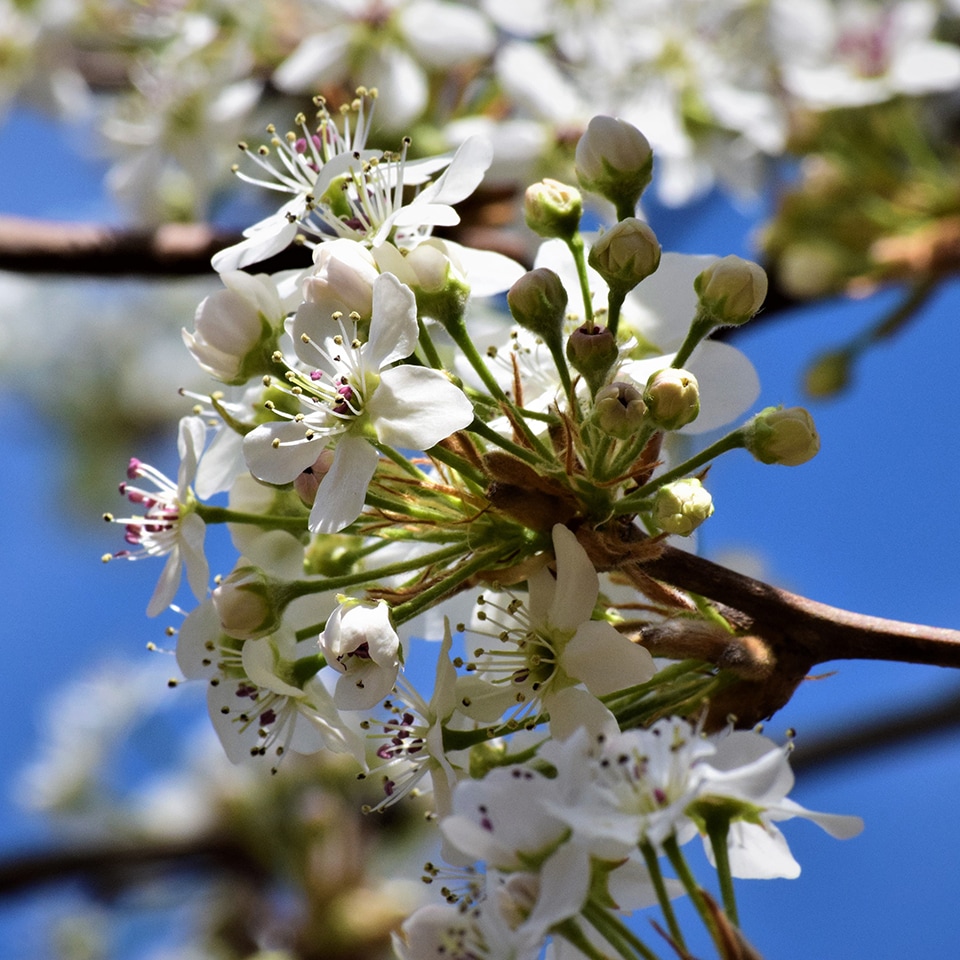
What do we recommend planting instead?
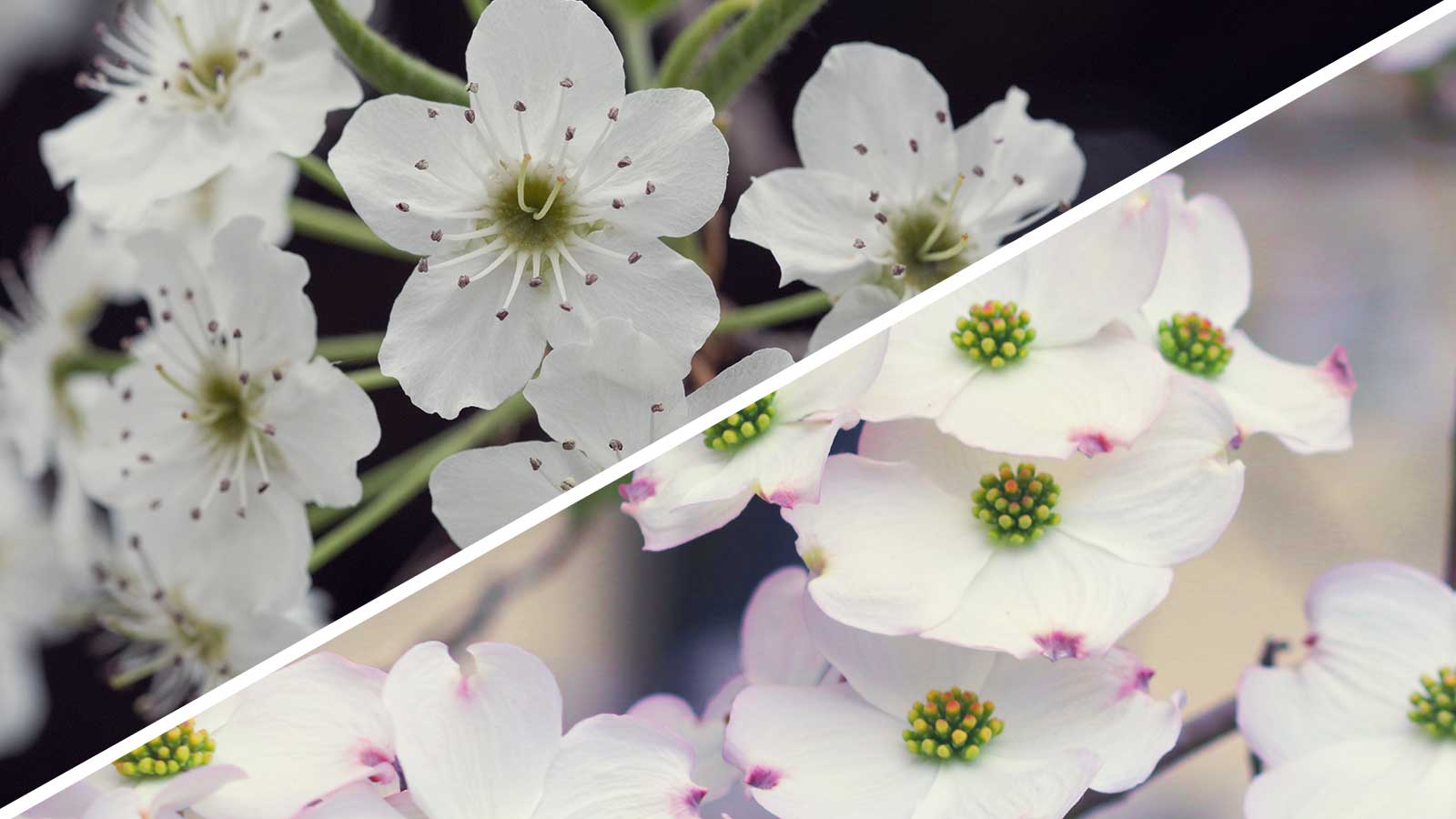
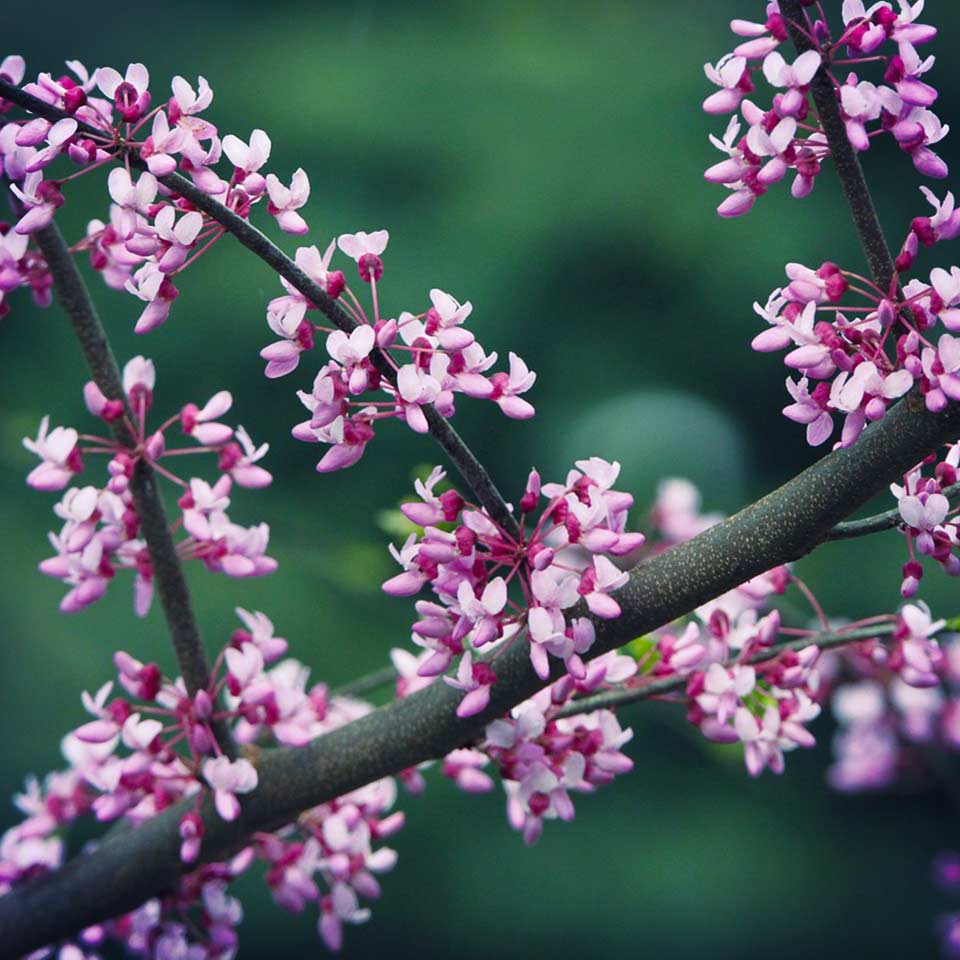
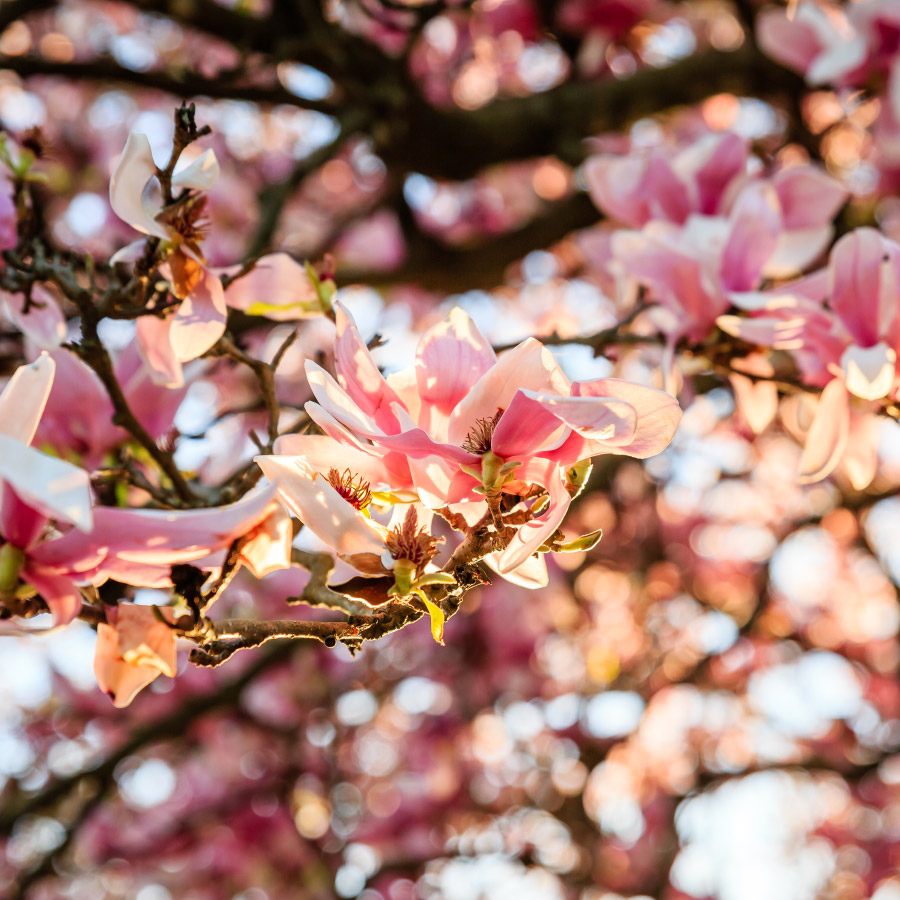
Some of our flowering favorites are Carolina cherrylaurel, fringe tree, and green hawthorn. Low-maintenance native species such as flowering dogwood or serviceberry feed the ecosystem around them by providing habitat, pollen, and a rich food source for animals. See a list of native trees and native shrubs.
We’re passionate about making sure the right tree ends up in the right place, and our invasive plant removal services and customized native plantings are one way we make that happen. By taking these small steps, we can all show our commitment to increasing the health of our planet.