Does Your Tree Really Need to Be Cut Down?

Avoid a costly mistake. Learn why 90% of tree removals aren't necessary.
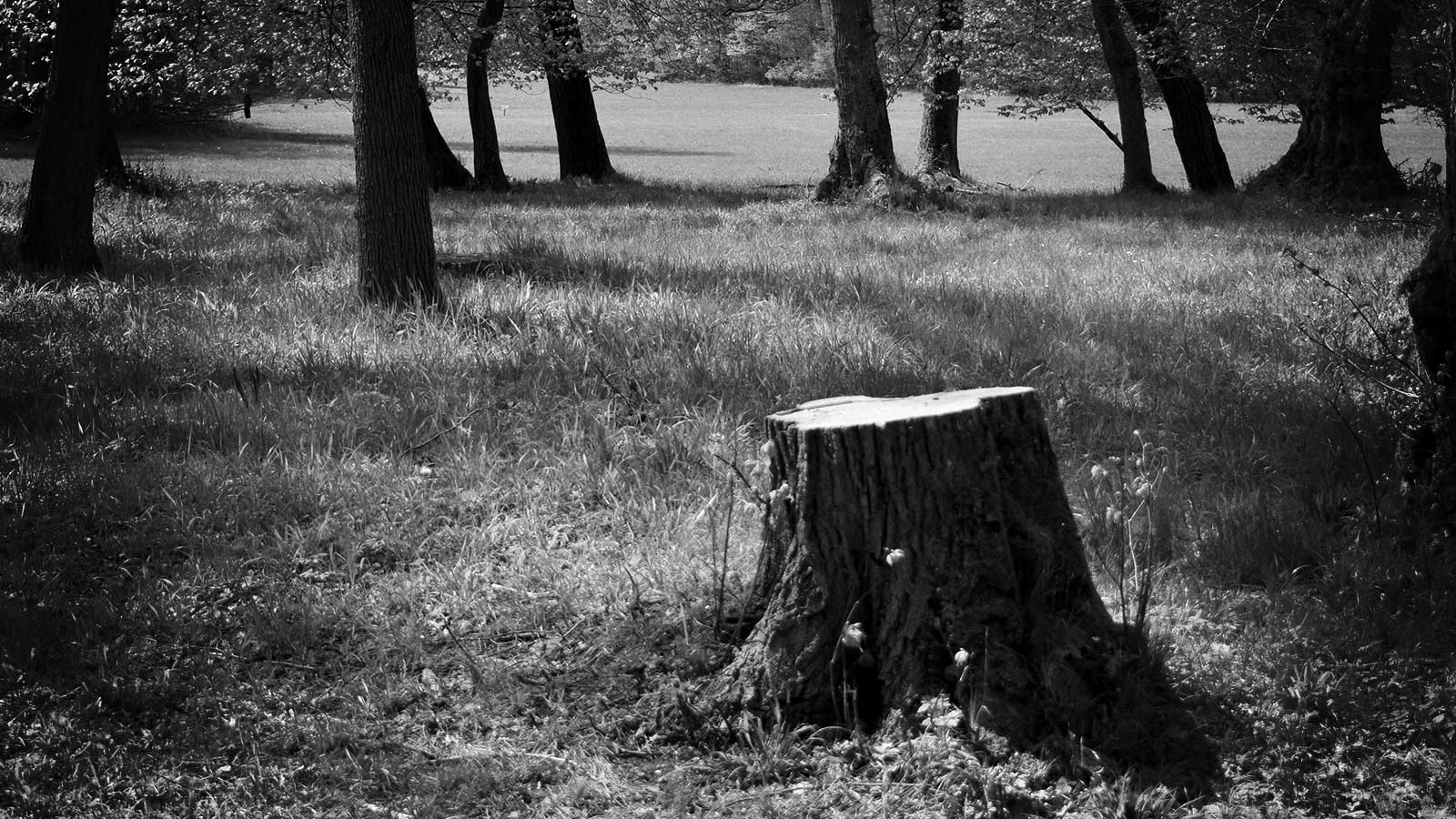
black and white photo of a tree stump

Thinking about cutting down a tree? Tree removal is permanent and expensive! It often costs thousands of dollars.

What if there was a way to save money and save your tree? In our experience, less than 10% of trees that people think need to be cut down actually need to be removed. Each year, we meet with thousands of clients to talk about this very issue, only to discover that the trees in question are safe, have a lot of life left in them, or simply need a more cost-effective service like pest treatment, pruning, or soil improvement.

Get a Diagnosis, Not a Sales Pitch

Wait a second. Someone told us our tree is dangerous and needs to be cut down.

We hear you (and we hear this a lot). Imagine for a moment that your car sounds a bit off, so you take it to an oil-change shop. What do you think they are going to recommend? And what happens if you drive it across the street to a muffler shop? A better option would be to go to a well-rounded mechanic who assesses all of the systems in your car to diagnose the root of the problem.
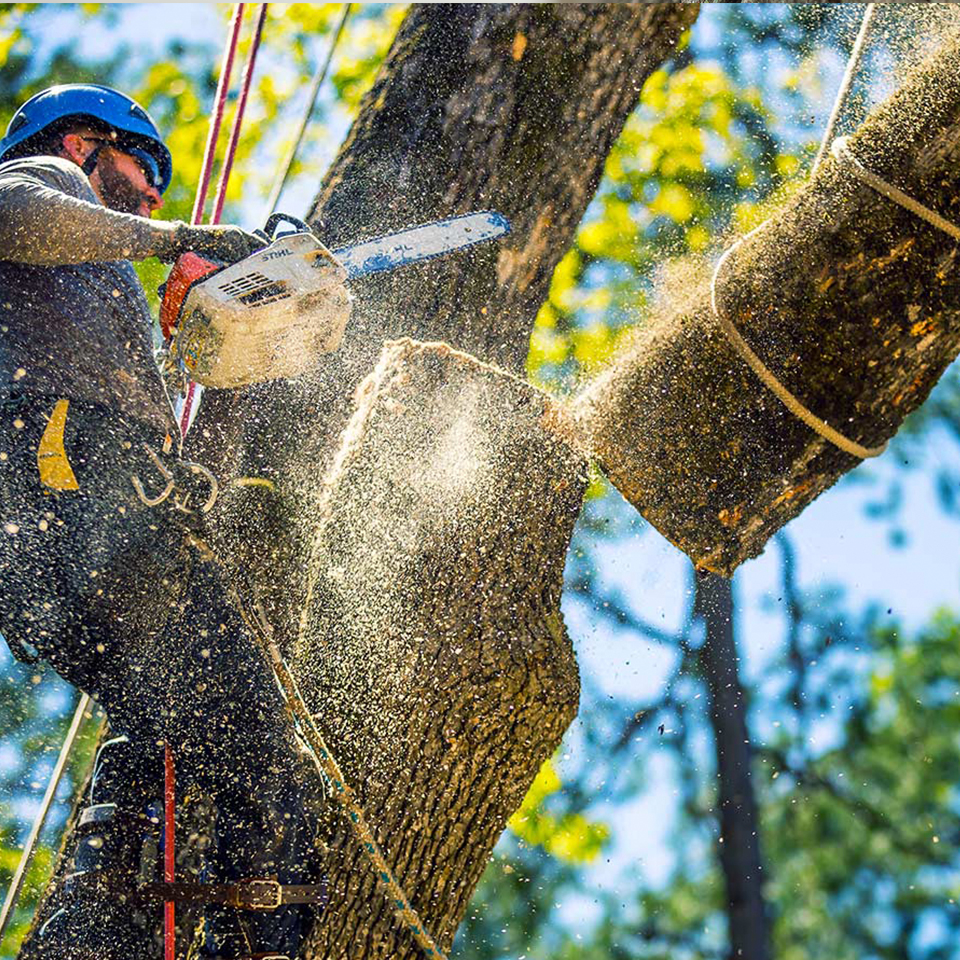
arborist in tree with chainsaw removing a large part of the trunk

The same is true in the tree industry. Many companies, even the ones that say they care for trees, make a majority of their money from tree removals. And when removal is the shiniest tool in their toolbelt, it's typically the only solution they'll suggest.

Do you trust a removal company to give you the truth about whether your tree needs to be removed?

This is one of the reasons we do not offer tree removal services. We aim to provide unbiased opinions on whether trees need to be removed.

Alternatives to Cutting Down a Tree

90% of the time, the tree in question is fine as-is or needs something to boost its health that costs a fraction of the removal cost, including:

  • Structural pruning
  • Soil care and improvement such as air spading, compost fertilizer, or arborist woodchips
  • Pest and disease management

Even when it comes to dead trees, if there is nothing nearby that it could harm, leave it! Dead trees, also known as snags, provide a new life for many migrating birds and insects that rely upon them.

When Removal is Necessary

There are times when they do need to be removed. Examples include:

  • A dead tree near the sidewalk where people pass by
  • A tree uprooting beside a busy street
  • An invasive tree adds no environmental benefits and takes resources from more valuable native trees

But these are the exceptions to the rule.

If you’ve read this far and are not convinced, we understand. We aren’t the right fit for what you need. Here is a short article about how to choose the right tree service for a removal and why it is important that they are properly insured.

However, if you are convinced, before you make an expensive and irreversible decision about your tree, why not contact us to book a paid consultation with one of our ISA-Certified Treecologists? If we find that there are other services your tree needs, and you book the service with us, we’ll credit this meeting fee towards the scope of the work.

Our frequently asked questions below include some of the most common concerns we hear from clients, along with our expert opinions on each topic.
Frequently Asked Questions
“I saw my tree swaying in the wind (or a storm) and I’m worried it’s going to fall on my house!”

Tree movement is a good thing! Trees are supposed to move. As they move, trees grow stronger by developing something called response growth.

“The tree is too close to my house. I’m afraid it will fall and cause damage—and maybe kill someone!”

It’s not how close a tree is to your house that makes it dangerous — it’s how it falls and how much force it builds up on the way down. In fact, trees that are farther away often cause more damage because they can swing a longer distance and hit with greater force. In the unlikely event that a tree beside your home fails, the limbs and leaves closest to your roof will help absorb some of the force from higher parts of the tree.

“That tree is HUGE! It scares me so much—it needs to be cut down.”

Huge trees are usually the oldest ones. They have survived many years and weathered many storms. They have developed great strength and resilience through many challenges. Paradoxically, these are usually the safest trees, and we should fear them the least.

“I need to remove the tree because its roots are cracking my pipes, damaging my foundation, raising my sidewalk, or ruining my parking lot.”

Tree roots seek food, air and water. They have no interest in foundations and pipes, and cannot punch through uncracked walls or pipes. Tree roots are like melted cheese; they ooze through and around objects, searching for the path of least resistance. Only when they encounter a cracked pipe will roots enter, because every time you flush, you give them (you guessed it) food, air, and water. Roots can lift sidewalks, but there are ways to deal with that, that will preserve the tree for less than the cost of removal.

“I want to thin out some trees to increase the health of the largest trees.”

Trees want to grow in forests. Trees are stronger and healthier in groups that include many young trees than they are as individuals. Thinning trees could creates issues, and does not solve them. Better to ignore the situation and let the trees sort things out among themselves.

“I need to remove the tree because it is at the end of its lifespan.”

Are you sure it is at the end? Trees live a very long time. Maples can grow to be 400 years old. Some pine species here in North Carolina can be 200 to 500 years old. There are oaks in the UK that are over 1,000 years old. Unless there is a specific issue, age alone does not warrant removal.

“I have to remove the tree because squirrels use it to get in my house/building.”

Squirrels do not need a tree to reach a roof or enter a building. They can easily climb walls and jump very far. The most effective strategy to keep squirrels out is to ensure there are no entry points. If they are already inside, hire a professional who can trap them and remove them from the premises. Then seal all entry points.

“I need to remove the pines since they are dangerous.”

Pines have a reputation for being dangerous trees that are likely to fall during storms. There is no research or anecdotal evidence to support this. Quite the contrary! Pines are wonderful, resilient trees that live for hundreds of years if given the chance and are important to their native ecosystems.

“I need to remove my trees so the grass will grow.”

Not necessarily. There are grasses that are more shade-tolerant. Pruning some limbs to increase sunlight to the ground will help. Or, create a bed of mulch under the tree. This will boost the health of the and cover up the sparse, patchy grass that is growing below the canopy. You can plant ferns and other plants that like shade in the mulch bed for added appeal. Many of our clients love this approach.

“What if a tornado or hurricane hits? My trees will fall and damage my home.”

With storms, all bets are off. If your trees have survived past storms and have not fallen, they are likely to remain firmly rooted, as long as there have been no changes in their health or stability. Even if you do remove all trees from your property, this will not keep you safe. Serious storms could still drop trees and branches from quite a distance onto your home. We have witnessed this on multiple occasions.

“The tree is leaning – it has to go.”

Trees often grow at odd angles as they reach for sunlight, especially at the edge of woods. This can often be corrected through structural pruning – specifically, weight reduction. Then again, sometimes a leaning tree does need to be removed. Depending on the lean, we recommend consulting with a qualified professional.

“It is dropping leaves/acorns/branches/debris in my gutters or on the grass.”

Would removing this tree eliminate this problem? After all, leaves and debris blow great distances during the windy days of autumn. Is there a cheaper or easier way to deal with this issue? For example, gutter guards keep debris out of gutters. There are many creative ways to solve this issue more effectively than removing trees.

“We want solar panels and the trees are in the way.”

Solar energy is a great choice for many sites (our Leaf & Limb office is run on solar electricity). But it should not necessarily come at the cost of removing many trees. For a heavily wooded site, we must consider the pros of gaining solar energy against the cons of removing trees. For example, trees help reduce air conditioning costs in summer. Trees don’t just cool the air with shade — they act like natural air-conditioners, releasing water through their leaves (a process called transpiration) that chills the air even more.

“I’m allergic to pollen.”

Pollen can float for miles – removing trees will not help alleviate this issue.

“My trees attract bees and bugs that sting.”

Bees, wasps and other insects rarely sting. Like snakes, they attack only in self-defense. Everything in our yards, including lawns, shrubs, and mulch beds attracts insects. Even our homes attract them (think about the carpenter bees that excavate holes in soffits). There is no way to avoid insects, including the stinging ones, and we need them. They help create a diverse ecosystem. Insects provide essential food for birds, which are in decline due to habitat loss and diminishing food resources among many other pressures.

“Birds and bugs in the tree poop on my car/driveway/sidewalk/parking lot/etc.”

The mess can be annoying, but cleaning a car, driveway, or sidewalk is cheap and easy. And we get to keep a tree with its many ecosystem and other benefits! A little well-thought out pruning might also go a long way to reducing some annoyance.

“It would be cheaper to cut my trees down and start with good ones.”

Sometimes this is true, especially with trees that are young and have serious health issues. For example, in new communities we often find that trees have been planted improperly and have developed so many issues that fixing them is not possible. But when it comes to mature trees, this is rarely the case. There are usually ways to fix issues with mature trees that are cheaper and easier than removal.

“My tree has a hole or hollow spot and needs to be removed.”

Holes and hollows are quite common, and not always a death sentence. As long as the hole or hollow is less than 1/3 of the circumference of the tree, it is likely OK. If it is greater, this may require a closer inspection by a trained professional.

“A tree company/tree professional/landscaper told me my trees are dangerous.”

If this was unsolicited advice, then beware – they may just want to sell a service. If you have asked for advice, we recommend obtaining multiple opinions from qualified professionals before making the expensive decision to remove a tree. Even if you did solicit the advice, consider that the majority of tree services earn most of their revenue from removals.

“The roots are growing on the surface of my lawn.”

This is probably more related to soil health. Roots are often unable to grow into compacted dirt and instead grow along the surface. Cover the roots with arborist wood chips. This will protect the roots from lawnmower damage and help improve the soil. It also looks a lot better.

“My tree drops lots of little branches all the time so it’s dying and needs to be removed.”

This is usually a normal sign of a tree being a tree. Trees shed old and inefficient growth, just like we shed hair and skin cells. Picking up fallen branches is part of routine maintenance. Pile them discreetly in a back corner of your yard for added wildlife benefits.

“My tree dropped a big limb that damaged my roof.”

It could be that your tree is just shedding dead limbs it doesn’t need anymore, or it could be a sign that the tree is struggling. In either case, it doesn’t necessarily mean the tree is dying. It may just need some TLC. Hire a professional that can remove threatening dead branches, and also provide additional services to help a struggling tree.

“My neighbors are worried/do not like my tree and want me to remove it.”

a. Give them a copy of our book, “From Wasteland to Wonder.“ ☺

Start your next project with us!

Get a free quote for tree and shrub care, compost tea, planting, pruning, Piedmont Prairies, Pocket Forests, and more!

Call Leaf & Limb Send an Intercom Message