Tree Root Structure

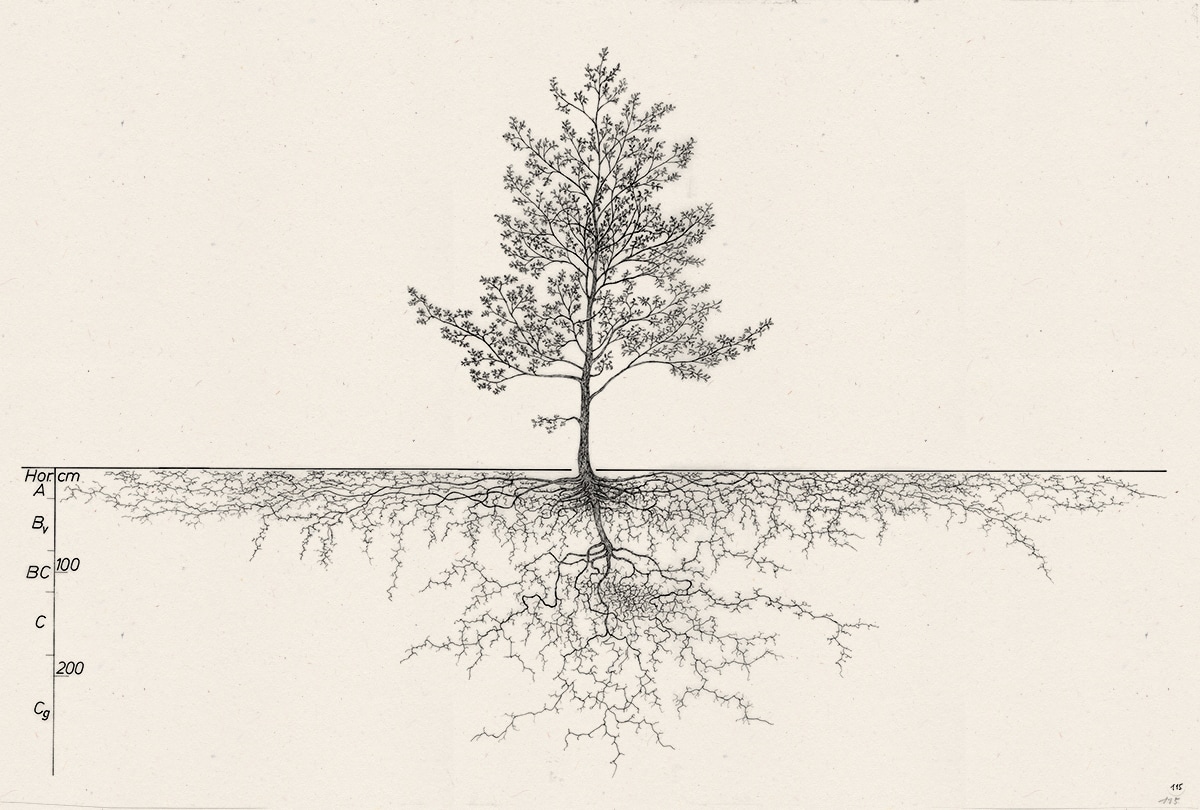
A look at healthy tree root structure.

Two English oaks (Quercus robur), at different stages of development
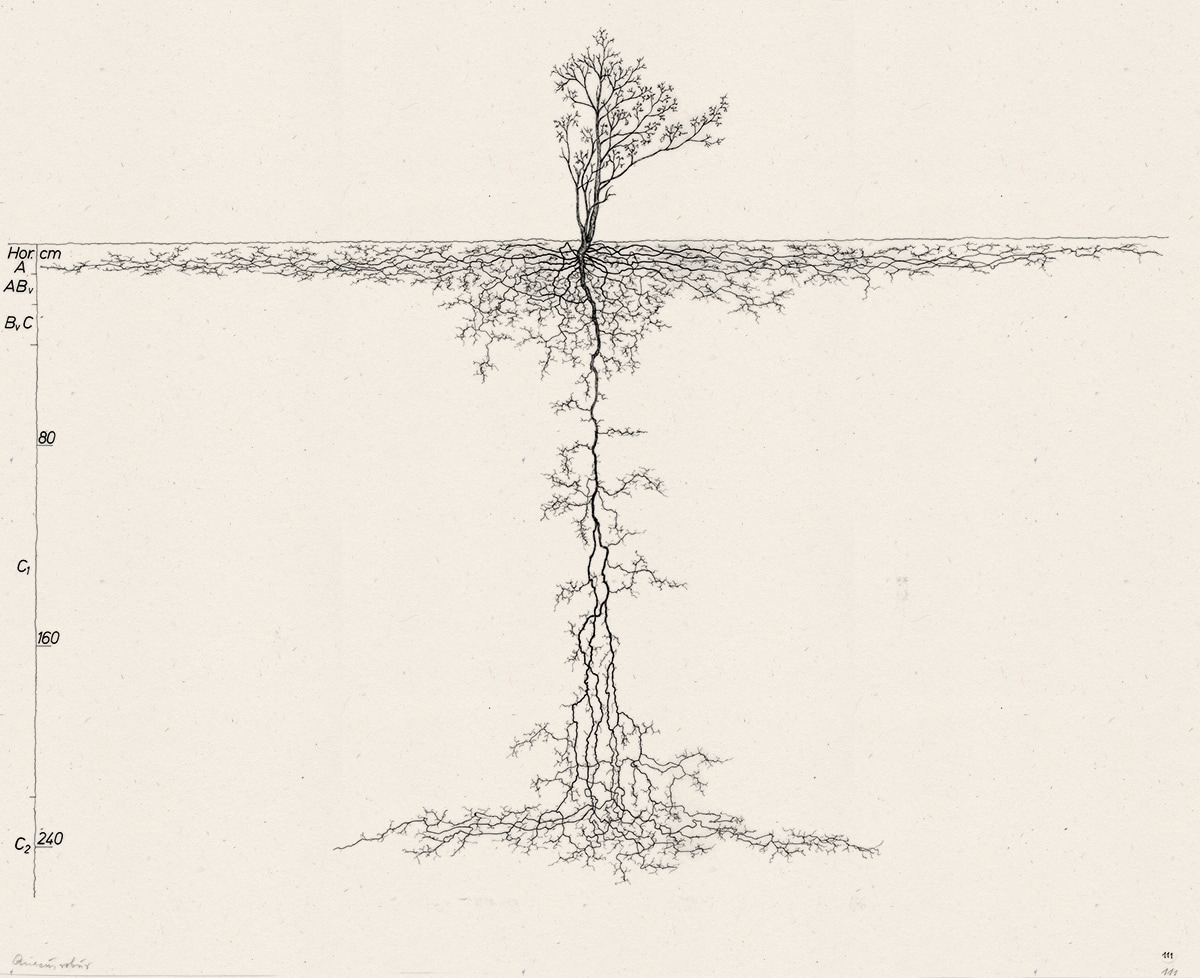
Two English oaks <em>(Quercus robur)</em>, at different stages of development

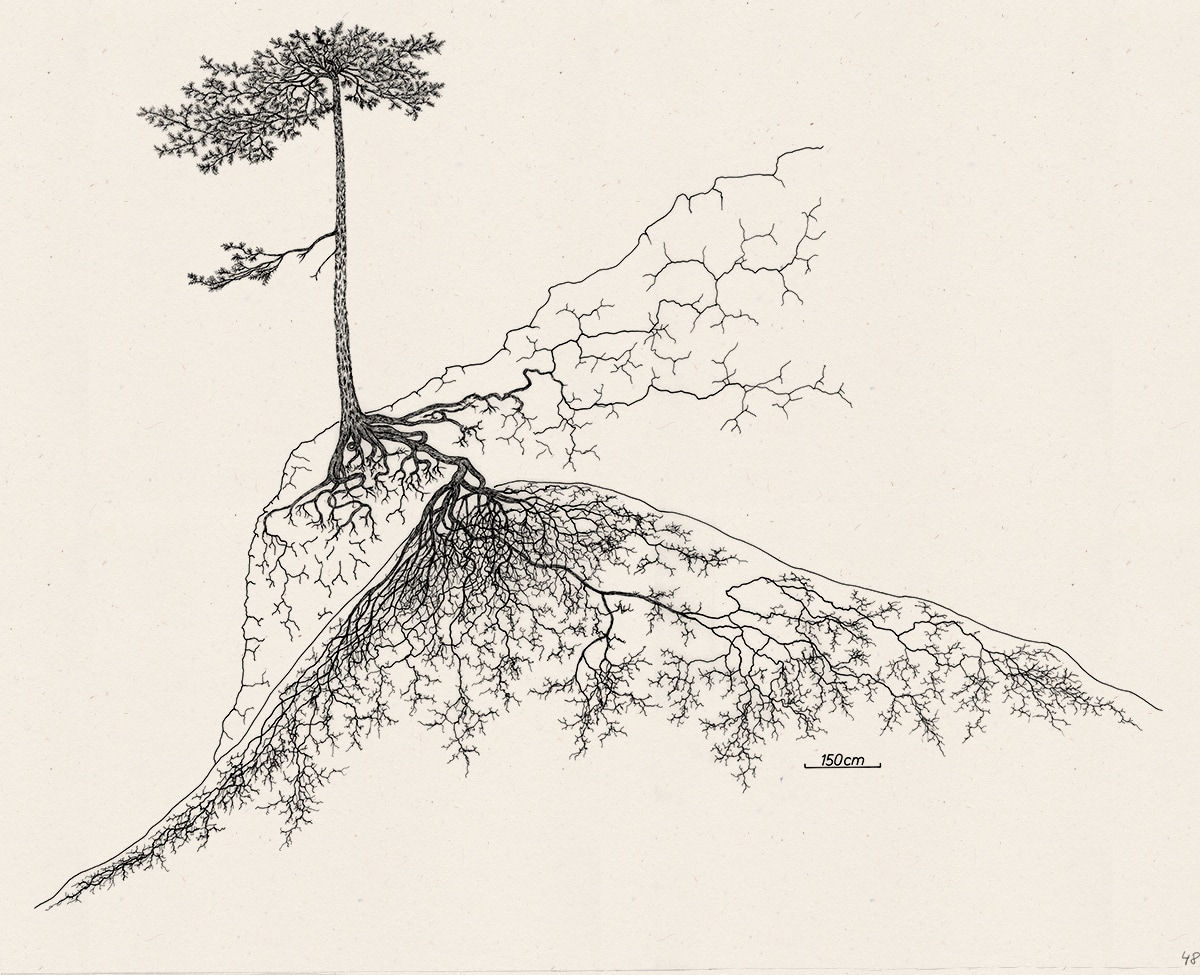
Two black pines (Pinus nigra) with radically different root structures based on their location
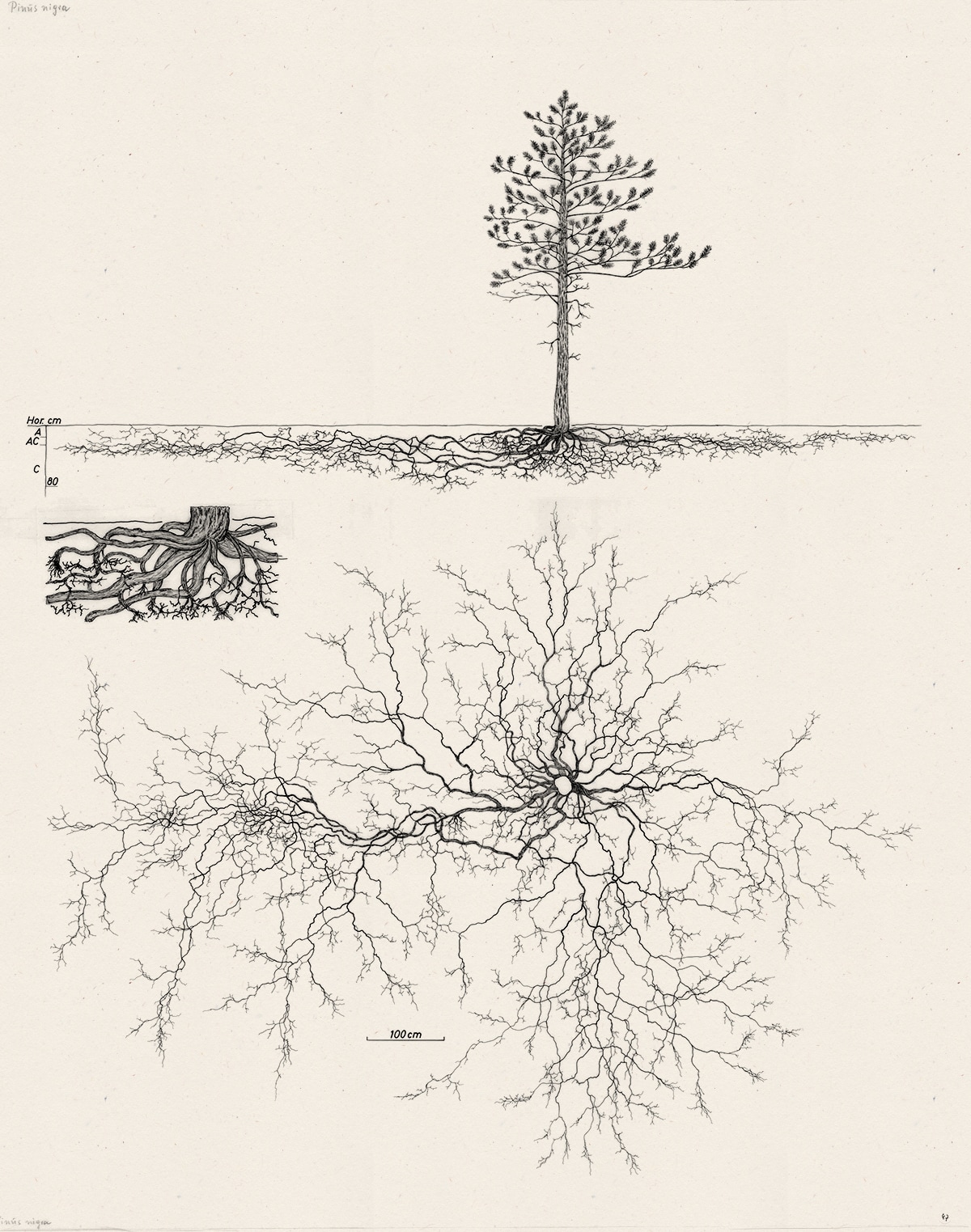
Two black pines <em>(Pinus nigra)</em> with radically different root structures based on their location

This European beech (Fagus sylvatica), has a shallow root system typical of its species
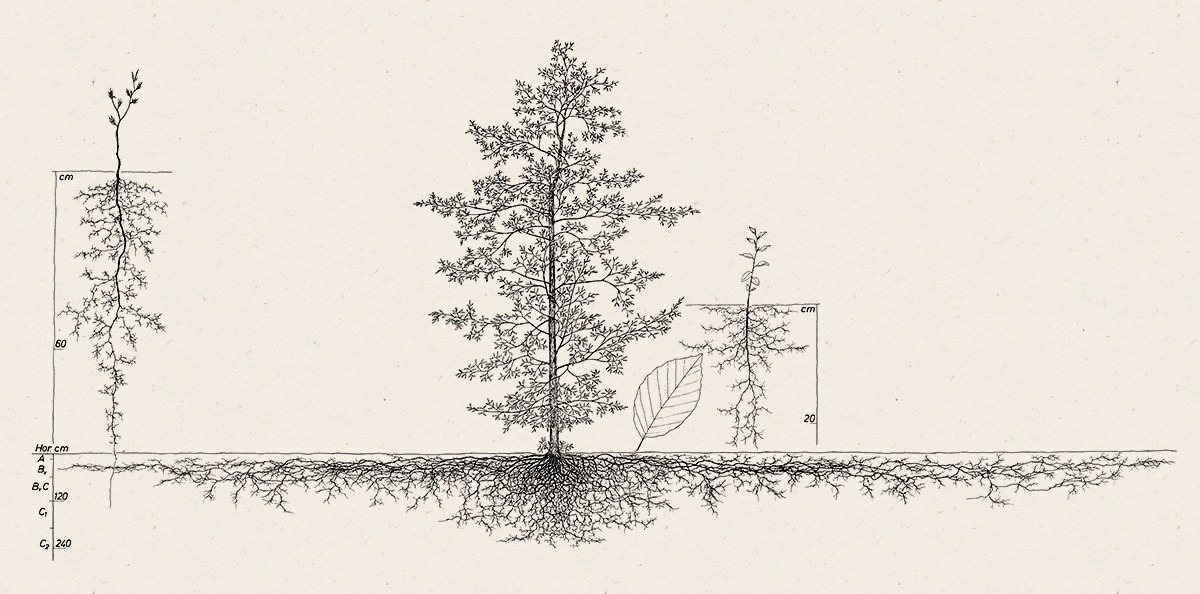
This European beech <em>(Fagus sylvatica)</em>, has a shallow root system typical of its species

A European ash (Fraxinus excelsior) with an early stage of development pictured beneath. Note how the younger ash has already put out extensive roots on its uphill side
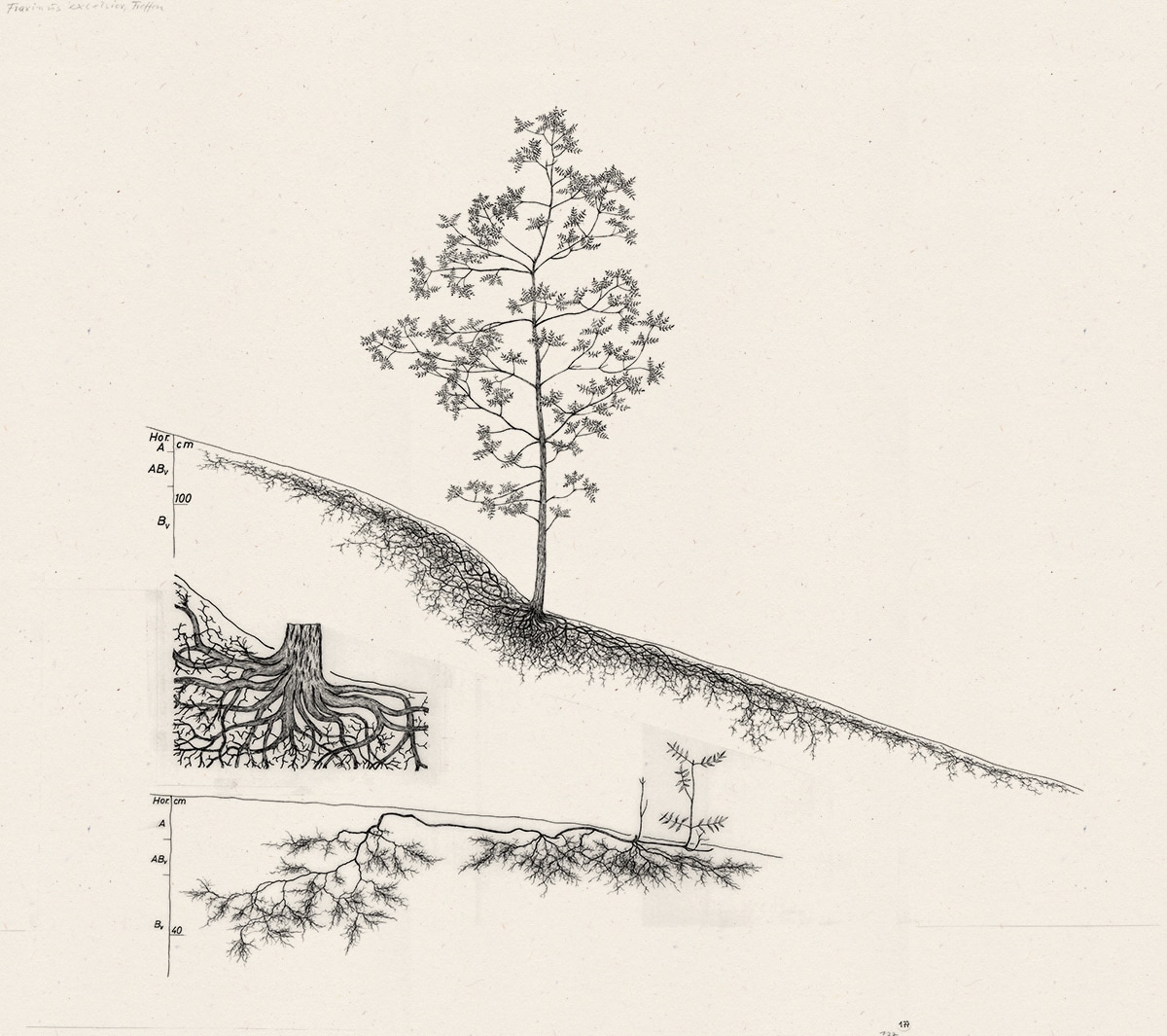
A European ash <em>(Fraxinus excelsior)</em> with an early stage of development pictured beneath. Note how the younger ash has already put out extensive roots on its uphill side

The common juniper (Juniperus communis ssp. communis) can take a wide range of forms, from creeping groundcover to upright tree. This individual exhibits a more upright growth habit.
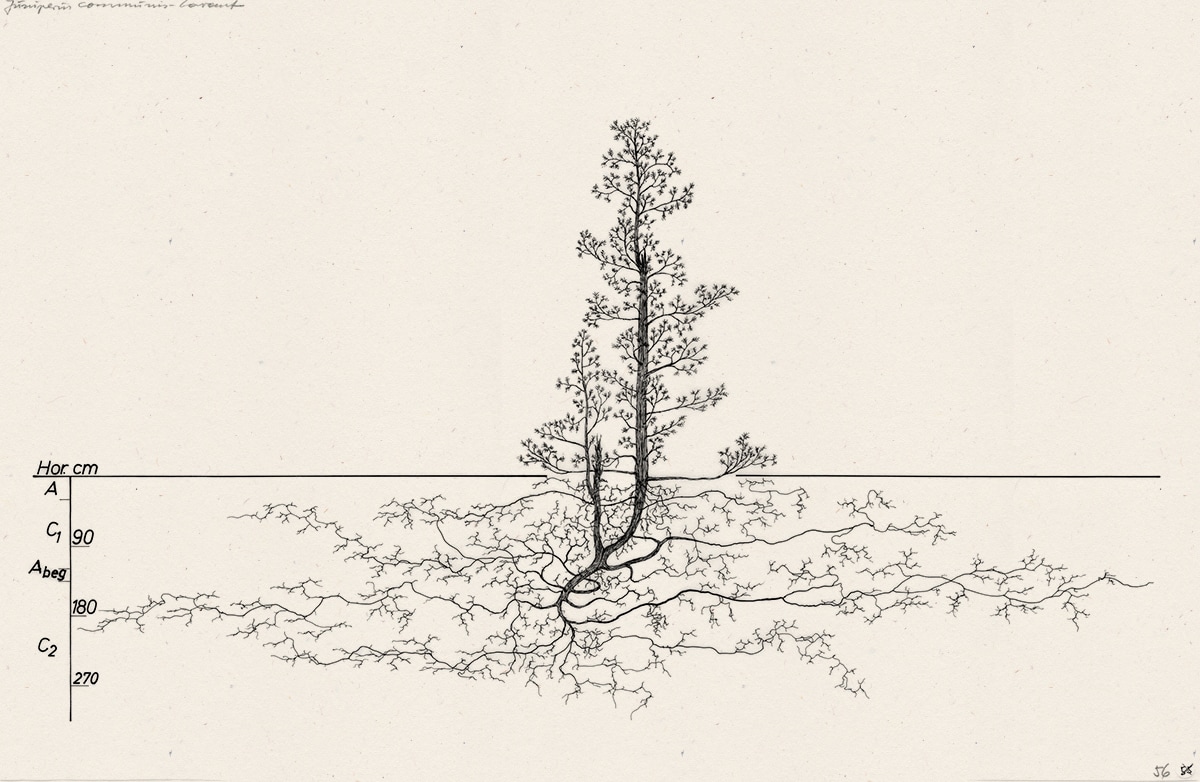
The common juniper <em>(Juniperus communis <span class='text-regular'>ssp.</span> communis)</em> can take a wide range of forms, from creeping groundcover to upright tree. This individual exhibits a more upright growth habit.

A European aspen (Populus tremula) growing on a slope. Note the basal shoots (“suckers”) sprouting from its root system
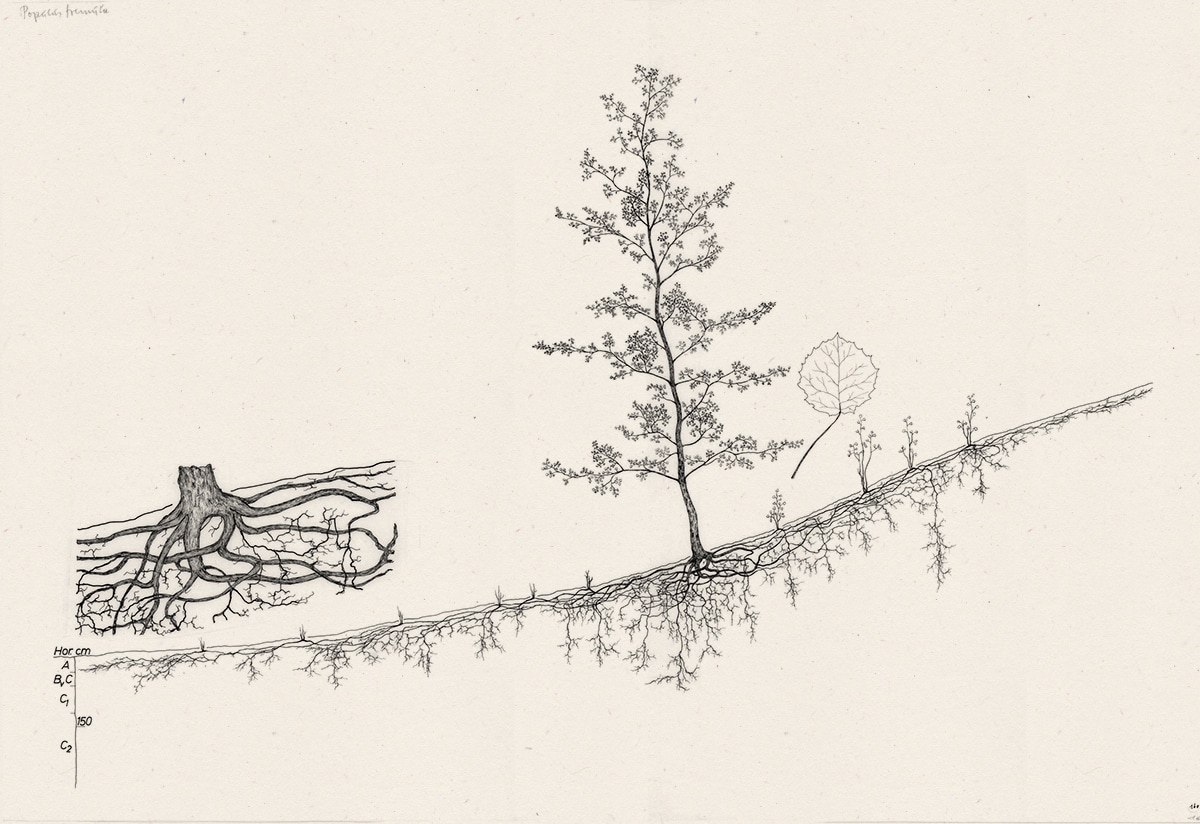

A European aspen <em>(Populus tremula)</em> growing on a slope. Note the basal shoots (“suckers”) sprouting from its root system
Start your next project with us!

Get a free quote for tree and shrub care, compost tea, planting, pruning, Piedmont Prairies, Pocket Forests, and more!

Call Leaf & Limb Send an Intercom Message