Tree Trimming FAQ: Simple Fixes for Common Tree Problems
Real Questions from Real Homeowners with Straight Answers
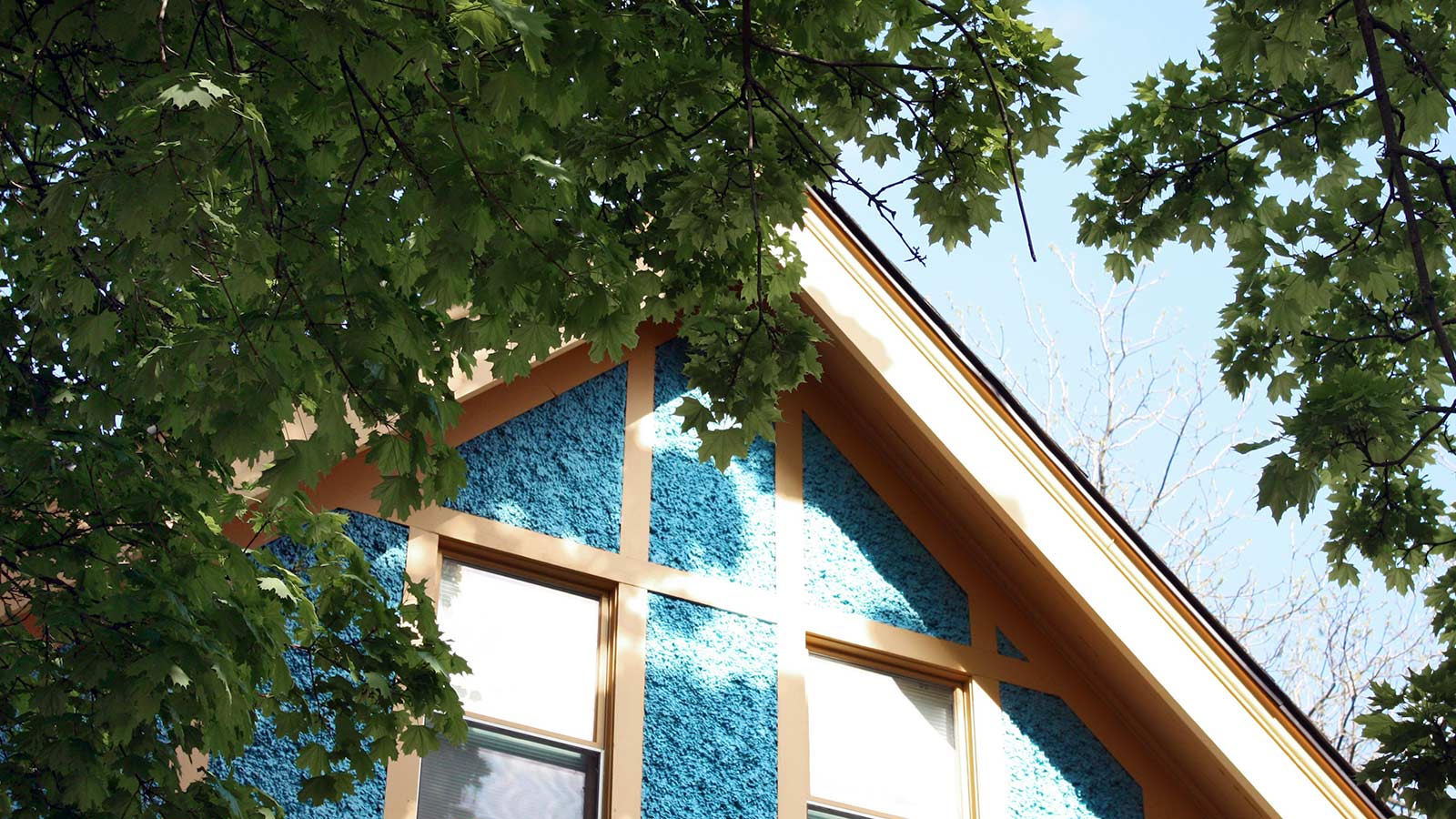
When your trees start tapping on your windows or dragging limbs across the roof, it’s nature’s gentle (or not-so-gentle) reminder: it’s time to trim your trees. Think your job might be too small for us? It’s not. Leaf & Limb handles everything from mature oaks to your backyard maple (and even shrubs). Whether it’s one annoying limb or larger structural prune, we’re here to help.
Not sure what type of trimming is the right fit? Homeowners often ask us:
- Is it okay to cut branches that touch my house?
- What should I do if a tree branch looks dead?
- Does trimming hurt my tree?
- Can I take lower limbs off, so they don’t get in the way when I mow my lawn?
In this article, we’ll answer all of those questions, explain why pruning is important, and how it only hurts your tree if it is not done properly.
What the Heck is the Difference Between Trimming and Pruning, Anyway?
If you asked that question to a roomful of arborists, you’d get a lot of passionate answers. Everything from “Trimming is just for Christmas trees!” to “There isn’t any difference” and a lot of answers in between. They’d all be able to back up their reasoning because there’s no one right answer. A useful middle ground to consider is that “trimming” suggests tidying up or reducing size, which seems more suitable for shrubs. At the same time, “pruning” seems more appropriate for trees because it is often done for reasons other than size management. Ultimately, whatever you call it, what matters most is that any proposed trimming addresses a legitimate goal and is conducted to professional standards.
Why Trim Your Trees?
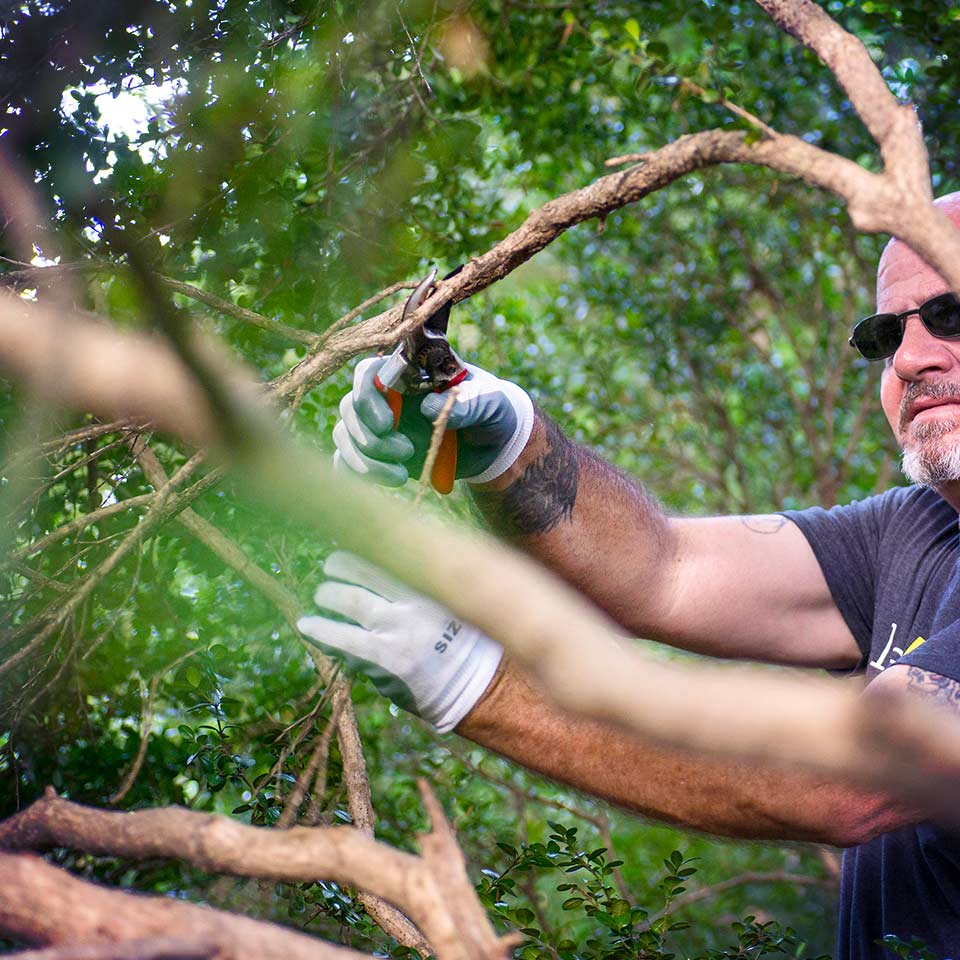
Someone knowledgeable said that arborists facilitate the relationship between trees and people. While some trimming is done to benefit trees, much of it is performed to resolve conflicts between trees and humans, such as limbs that lean on roofs.
Real Questions from Real Homeowners—With Straight Answers
Q: Branches are rubbing on my roof. Is it OK to cut them off?
A: Branches dragging over roofs or slapping the siding on windy nights can cause damage or at least disturb your sleep. Ideally, pruning is done when the tree is still young and the limbs are small compared to the trunk. Removing large limbs causes wounds on the trunk that take a long time to heal, increasing the risk of decay, so it’s better to avoid this. However, large limbs on older trees can be skillfully shortened to an appropriate growing point rather than completely removed.
Q: My willow oak has a large branch that doesn’t have leaves. I think it might be dead. Do I need to remove it?
A: Large dead limbs should be removed if they are hanging over your home or dangling above a deck. Even if a dead limb doesn’t pose an immediate hazard, it’s worth having a professional take a look. Removal can support tree health or be left in place to support wildlife.
Q: My maple is getting too large. Can I cut it back to keep it the size I want?
A: Unlike that Nelly Stevens holly that’s been crowding your garage for a decade, trees shouldn’t be “trimmed” to keep them small. That is only appropriate for shrubs. Trees can be harmed by trimming them as if they were shrubs.
However, unlike forest trees that tend to have great form, our sub/urban trees benefit from regular, targeted trimming to address specific concerns, such as overly long or crowded limbs. There’s a good chance that your maple could benefit from regular trimming, which will help the tree grow stronger in ways that don’t interfere with your home and recreational spaces.
Q: Can I take these lower limbs off so they don’t get in the way when I mow my lawn?
A: Lower limbs can often be safely removed or properly shortened to create more space for walking or driving underneath. In fact, it’s wise to do this before the tree grows too large because making large cuts, especially at the trunk, causes some harm to the tree while it seals the pruning wound. However, it’s not a good idea to “limb up” the tree so far that the canopy is just a mop on top of a long pole. This makes the tree weaker and more likely to break in a storm. Gradually removing or reducing the lowest limbs over time is a much better solution.
Q: Can you thin out my tree?
A: This type of trimming is typically performed for aesthetic reasons on smaller trees or to allow more light and airflow through the tree. It might also be done to space out crowded limbs. Done well, it can make trees stronger. Done improperly or too much at the wrong time of the year, it can cause harm.
One type of thinning that can be damaging to trees is called “lion tailing.” This involves removing inner foliage from all the main limbs. Lion tailing damages trees similarly to “limbing up." It makes the tree weaker and more susceptible to damage.
Q: What is the best time of year to trim trees in North Carolina?
A: That’s another question that can generate many opinions! There are specific reasons to trim certain trees or shrubs at certain times of the year, but for the kinds of routine trimming we cover in this article, any time of year will work. If trimming will remove more than 25% of the live tree, then winter, also known as the dormant season, is best.
Need Pruning Help? Call the Experts Who Know How and Love Trees
We’ve covered the “what,” “why,” and “when” of trimming. Now, let’s discuss the “how.” Proper trimming or pruning is essential. Trees can easily be harmed by poor trimming or by unexperienced workers. Whether your trees are large or small, Leaf & Limb can trim them in a way that minimizes damage while addressing homeowners’ concerns.
If your tree has limbs brushing your roof, getting in the way of mowing, or just needs a health check, we’ve got you covered. Our Treecologists specialize in thoughtful, tree-friendly pruning for jobs big and small. Call or email us today for a free quote.