April 2025 Treecologist Tribune
Adiós, Pollen! 🤧 Hello, Gorgeous Green! 🌱

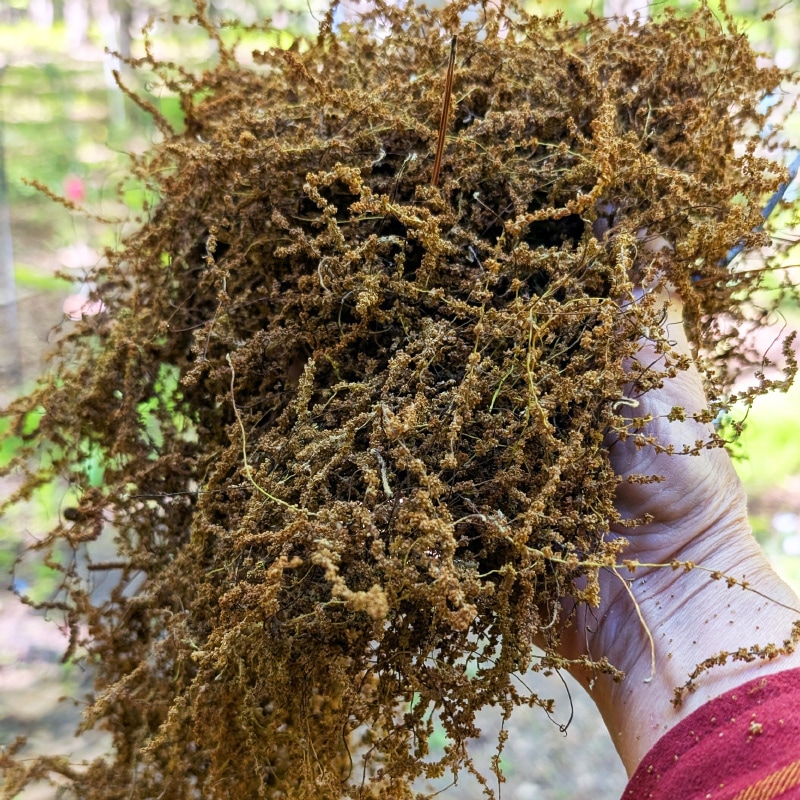
The phenomenon I call “The Pollening” was probably the most noticeable offering from Mother Nature this past month, as pines had their annual orgy in the last week of March. Last month, I mentioned that the oaks would be flowering in April, and even though we humans hardly notice this annual flowering event, the insects certainly do. But now that they’ve finished flowering, it’s hard to miss the swaths and swirling banks of spent oak catkins everywhere. I need to get back up on my roof and clean my gutters.
I think this is my favorite time of year. There is so much happening now!
Weather Notes
We’ve had generally balmy conditions since our last Treecologist Tribune, bringing forth a burst of buds and the buzz of bees. (That’s not quite a tongue twister, but close, maybe).
Typically, we would have received a little over 2” inches of rain over the last month, but we got more than that at just over 3”. So, yay! We still have a slight deficit for the year compared to typical conditions, but perhaps we will catch up. The happy news is that we’ve had a good distribution of rain events and not just a couple of gully-washers.
Rain Summary:
- 3.16” since 3/25 (historic average 2.18”)
- 10.35” Year-to-date (historic average 11.71”)
Garden Sleuthing Lookouts for Late Spring
One of the best things you can do for your landscape to avoid pest problems that might arise is to host an outrageous diversity of native plants, from groundcovers to forest canopy trees in healthy and well-mulched soil. Focusing on those two things shifts the responsibility for finding and treating problems from you to the vast diversity of insects, birds, and the wild collection of underground life who do this for a living. While you’re working on that goal, you’ll still need to ensure some of the more well-known “bad actors” who emerge this time of year aren’t having their way with your treasures.
This is the time of year to look for and treat some common scale insects. Scales don’t even look like insects. They look like immobile dots. Scales feed by sucking the sap from the plant, causing branch die-back. If not treated, they can seriously weaken a tree.
- Crape myrtle bark scale has weakened and blackened crape myrtles in North Carolina since 2016. The scale appears as a white fluffy dot, and its feeding darkens stems and trunks.
- Gloomy scale is so common on red maples, especially those planted by developers in front yards, that it seems almost inevitable for those hapless trees. This scale appears as small dark gray dots, and when they are numerous, they can make the trunk and branches of the maple appear almost black.
These scales can be treated with a year-round treatment plan if detected before they cause extensive tree die-back. Give us a call and we will set your trees on the road to recovery.
A Late Spring Palette
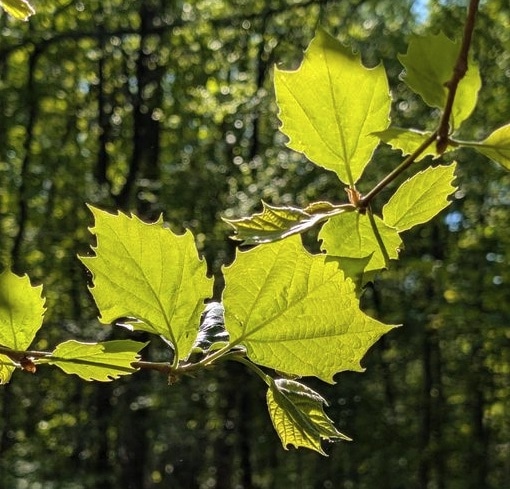
Everything is still fresh, and the bottle green of the newly emerged foliage is like a tonic for the eyes. With the unfurling of the foliage comes generations of caterpillars to feast upon it. And this is a good thing. Wait, really? Really! Our birds need insects to feed their nestlings. Protein, protein, protein is what fuels young birds, and insects are full of protein. Healthy trees and shrubs can easily host caterpillars.
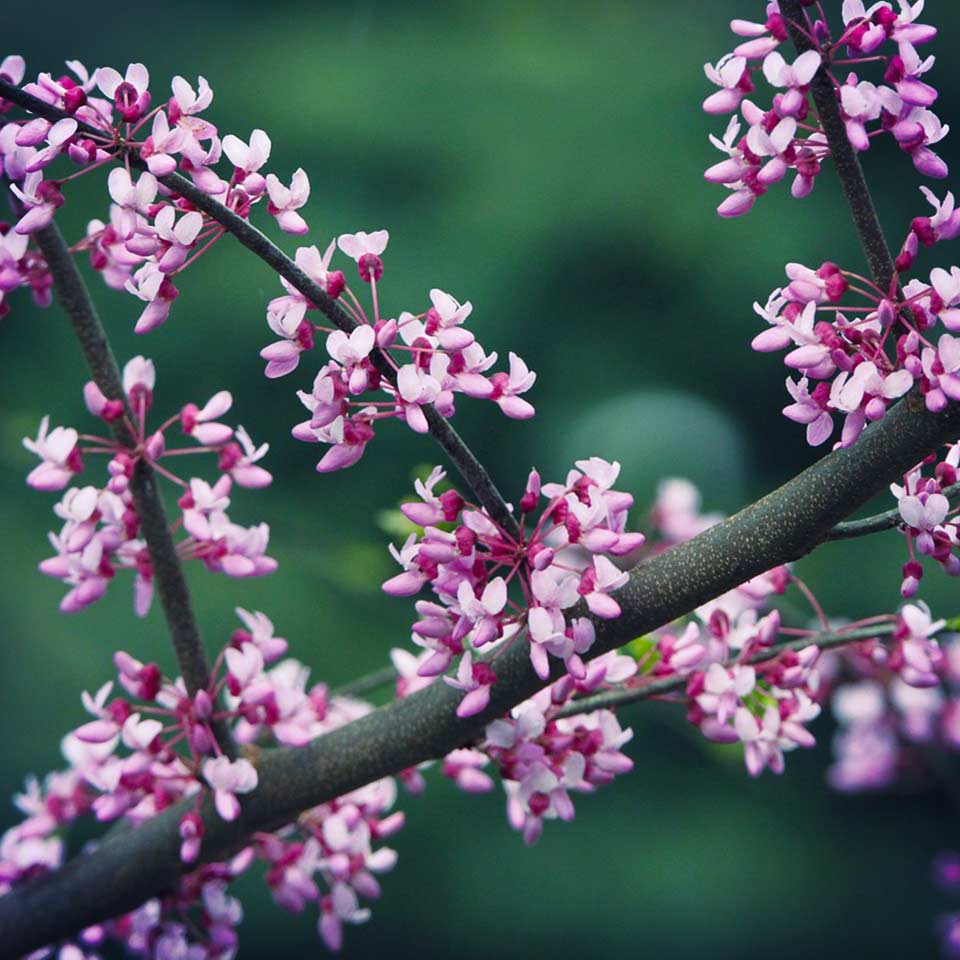
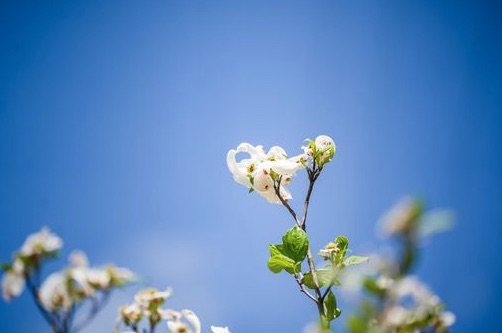
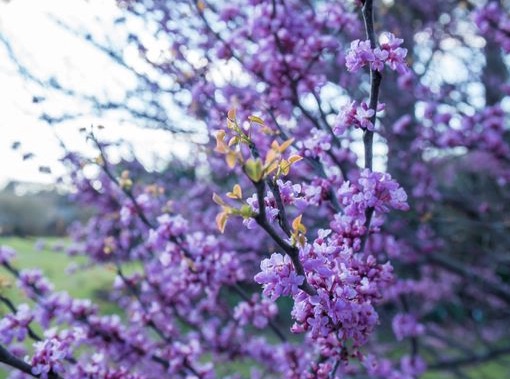
Every spring, the roadside vignette of pink redbuds and glistening white dogwood blooms makes my daily commutes a little brighter. I think this year has shown the nicest display of the dogwoods in a long time. The cold winter, decent rain, and lack of a late spring frost may have been the factors behind this beautiful show.
Redbuds and dogwoods are great choices for our gardens. They are not just ornamentally beautiful, but also native. I encourage gardeners to choose native plants since they host a much greater diversity of life (feed those nestlings!) and they are built tough for our region.
Even so, dogwoods and other species may be affected by fungal infections of the blooms or leaves. The good news is that these infections are typically not serious and primarily detract from the tree’s beauty. Creating a healthy environment for your plants is a better approach than using pesticides, which can be ineffective and harm insects and other life forms that are going about their business in your garden.
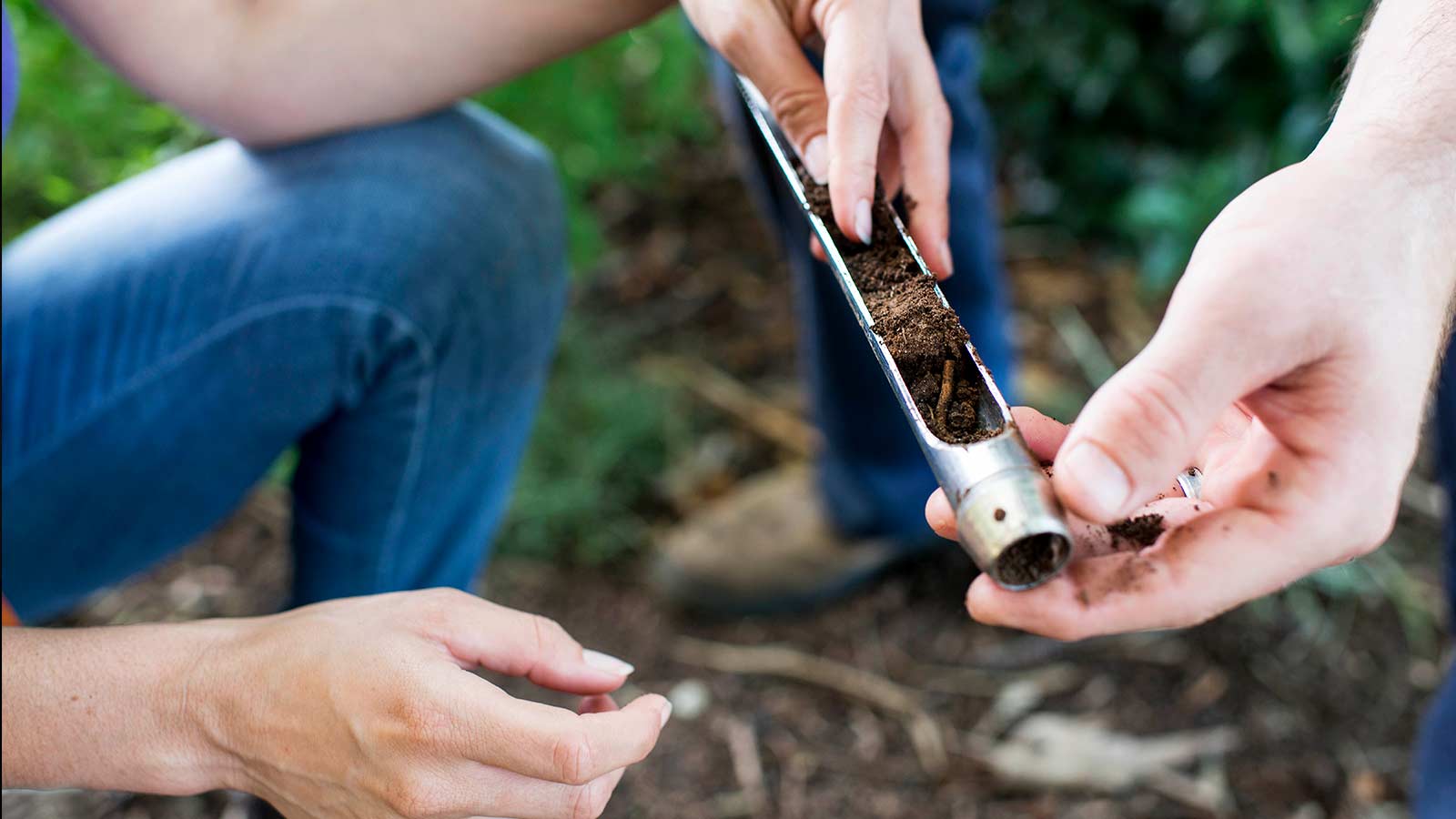
A healthy environment can be distilled to putting the right plant (thrives in our zone, preferably native) in the right place (appropriate sunlight for that species), into healthy soil (always important).
For example, dogwoods and redbuds are understory trees that thrive in dappled shade at the forest edge. If planted in full sun or deep shade, they are more likely to suffer from poor health and reduced resistance to infection. Our plants are a lot like us! People who burn the midnight oil instead of getting sleep and backstopping that lifestyle with Red Bull are likelier to be in poorer health than those who get 8 hours and a decent breakfast.
You can’t always move a plant growing in a poor location, but you can improve the soil in which it is growing. If you’re a regular reader, you already know the recipe for that. Here’s a good primer if this is new for you: From Dead Dirt to Healthy Soil in 7 Easy Steps.
Q&A: Cherry Tree Not Looking Very “Cherry”
Reader James E is concerned about his ornamental cherry tree.
Q: He says it starts out looking nice in the spring, but as the season progresses, it begins to look ragged, with leaves showing spots and holes, and sometimes they fall off before summer is finished. Is there anything to spray or do to keep it nice all year?
A: Although there are native cherry species, the showy ornamental species we add to our gardens are not native. There are some possible reasons they don’t look as good as we hope they would.
Some cherry species aren’t really happy in a Carolina summer and would prefer a cooler climate. They decide to retreat rather than fight the heat. There’s not much to do about that except accept it. These spots and blemishes usually do not harm the tree. If you ever need to replace a failed cherry, look for a species that thrives in our area.
Some species that are container-grown are notorious for developing root systems that wind around in the pots, which can lead to situations where roots begin strangling the tree as it grows. Cherries are frequent offenders! If the issue is identified early enough, Leaf & Limb can rectify this condition and enhance the soil at the same time. Give us a call.
Things to Check Out
-
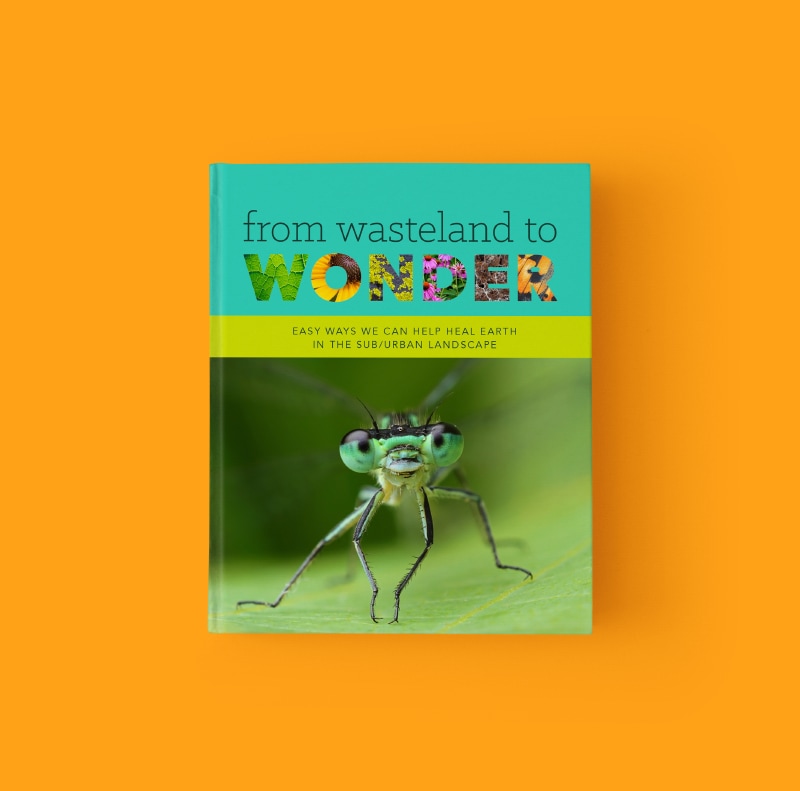
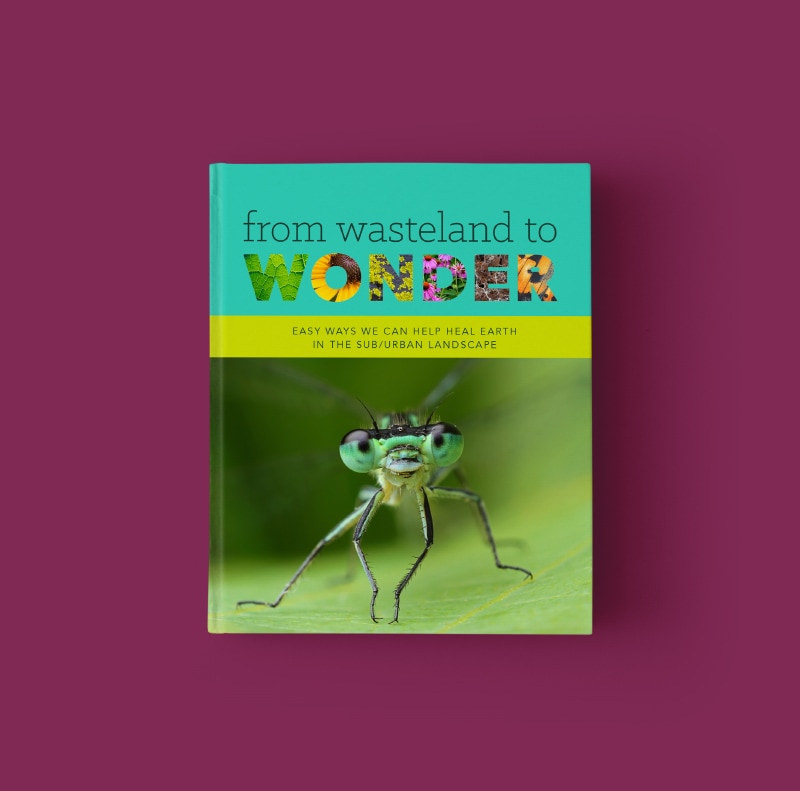
Our book “From Wasteland to Wonder” is a year old! If you haven’t got yours yet, get your free copy here.
- Listen to this thoughtful and rich conversation from the Harvard Divinity School between Basil and Rebecca McMackin, a noted horticulturalist and garden designer.
- This is the season for plant sales. Who can resist that! Check out those at JC Raulston Arboretum, Raleigh Garden Club and North Carolina Botanical Garden.
Until next month, remember to sniff the blooms and listen to the birdsong.