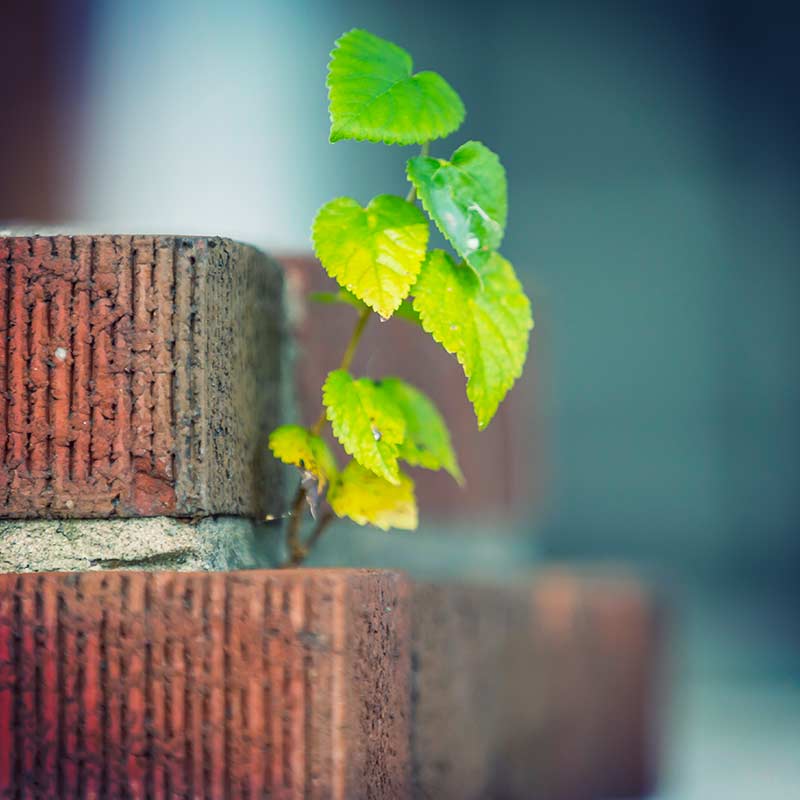
October 2025 Treecologist Tribune
A Bunch of Nuts, Life of a Leaf and Sailing into the Dormant Season 🍂

A loud CRACK of a hickory nut on the metal roof of my saggy shed reminds me that fall is knocking. The first time I heard it, I about had a heart attack! This happens every year, but this year is proving to be a banner year for hickories in my neighborhood. I should wear a helmet when I’m walking around in my yard. I’ve collected a lot of hickory nuts for Project Pando so we can grow more hickories, so that more people can have these valuable trees in their yards. If you’re inclined to collect seeds and try growing them yourself, flip to section 5 in the free Ebook version of From Wasteland to Wonder to learn how, or donate them to Project Pando’s Native Seed Hub.
Weather Notes
The segue into fall is languid in the South. Humid summer days interweave with the perfect days of early fall — one of my favorite times of the year. I think I say that about all the seasons. We are still in peak hurricane season, and we all breathed a sigh of relief when another tropical storm turned out to sea instead of making landfall. But we really could use some rain right now. I’ve started watering some of the trees and shrubs that I added last winter, particularly the container-grown ones. Check your soil.
Rain Summary (from RDU):
- 1.63” since 9/17 (historic average 3.77”)
- 35.10” Year-to-date (historic average 37.77”)
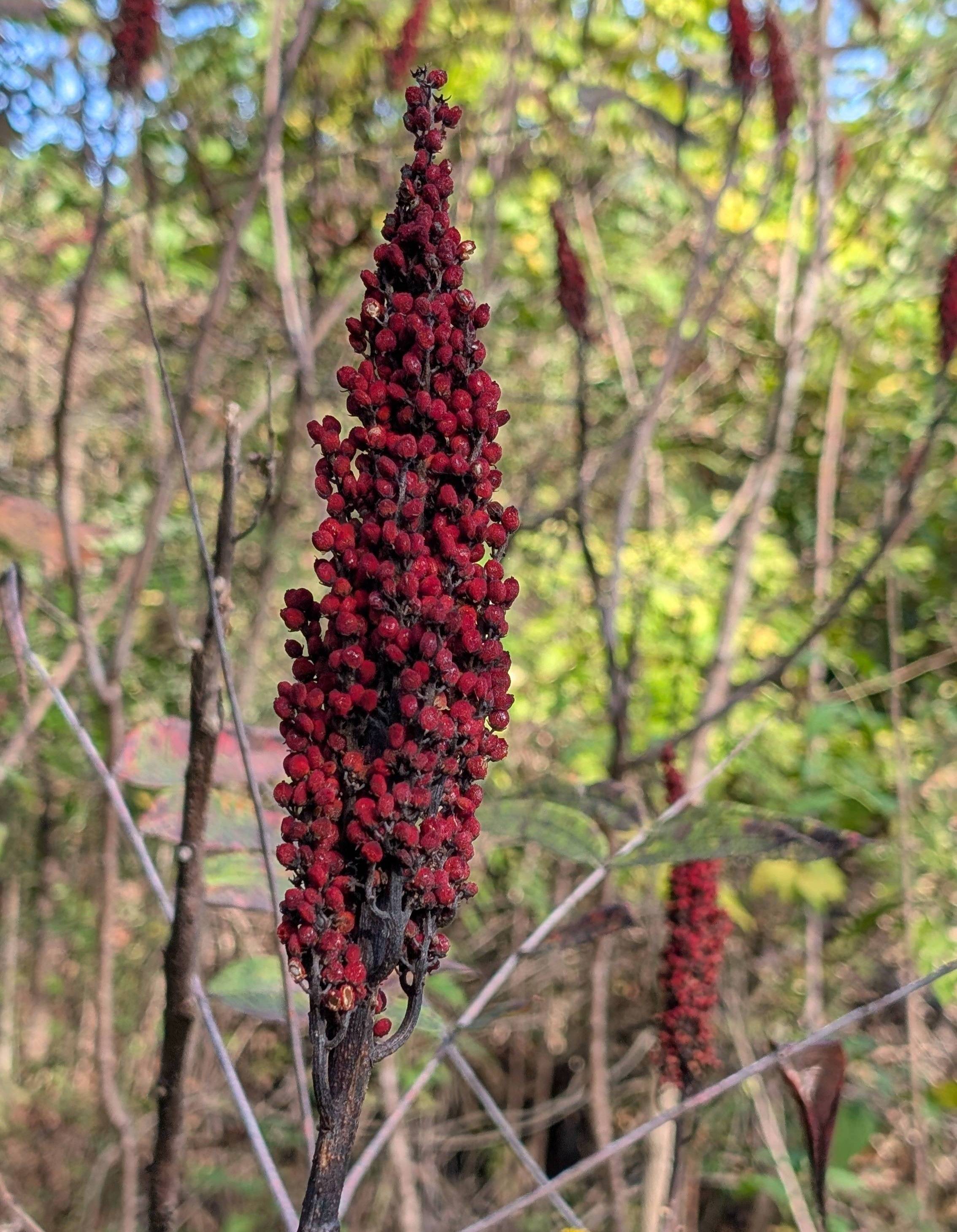
Garden Sleuthing: Don’t Worry About Tattered and Worn Leaves
Trees and shrubs are getting ready for the dormant season. Some let go of their leaves early, while others hold onto them until winter tugs with insistence. Although trees tend to shed leaves according to species, individual trees often make personal choices, perhaps shedding leaves early to reduce persistent stress. Cherry trees come to mind. Non-native cherries are barely able to tolerate our southern heat and tend to go dormant early for a long rest. I’m feeling that too!
Leaves show the effects of a year’s persistence, with holes, brown spots, and scars from just living. We do too — well, maybe not holes, but the effects of living! As fall goes on, leaves complete their three-season task of turning sunlight into food. Trees download resources from the leaves and store them in their limbs and trunks before letting the leaves fall with the wind. Trees don’t get everything downloaded from the leaves, but that’s part of the design. When the leaves fall, they decompose, releasing nutrients back into the soil to start the cycle again.
That’s how it’s supposed to work, anyway. If leaves are blown away, bagged, and removed, the trees lose some of the nutrients they need for the future. That’s just one reason we encourage everyone to leave the leaves! The trees expect them back. So, please leave the leaves, or at least don’t move them too far.
What’s that flash of yellow wing? A new note among the bird songs? A migrating warbler might decide to visit your garden for food, water, and rest on its way south. This is the time of year when millions of birds wing their way south for the winter, and you can see this on radar! Check here on BirdCast.
Do everything you can to make their journey a success:
- Leave seedheads on your spent flowers.
- Freshen the water in your birdbaths.
- Keep your yard dark at night.
Late Summer Lovelies
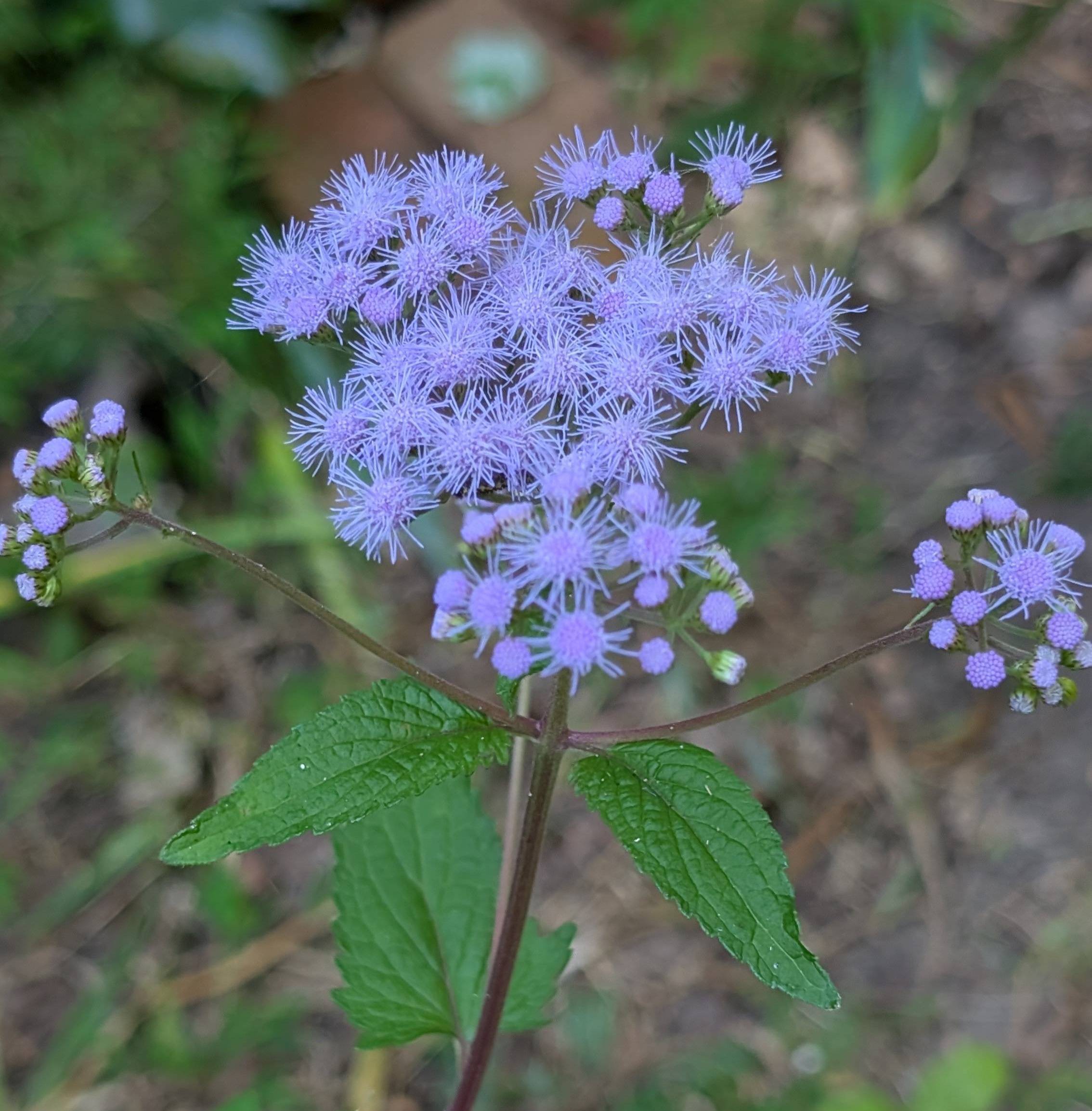
The tallest flowers nod above the yellowing foliage of what has already bloomed. The true stars of the season are the goldenrods, a late summer floral flourish before things go sleepy. More on them momentarily. Add the cheerful faces of several asters and the tall heads of Joe Pye, and a late summer meadow awaits our admiring eye while serving the vital interests of pollinators and other insects. In my dappled sun garden, the native blue mistflower is currently in the spotlight. This native annual self-seeds wherever it will.
And this leads me to the next item.
Starting now, each month you can look forward to a profile of a native tree, shrub, or flower, and this month, it must be goldenrods. I’ll briefly describe the featured plant, share where to plant it so it will thrive, and explain why it should have a place in many gardens.
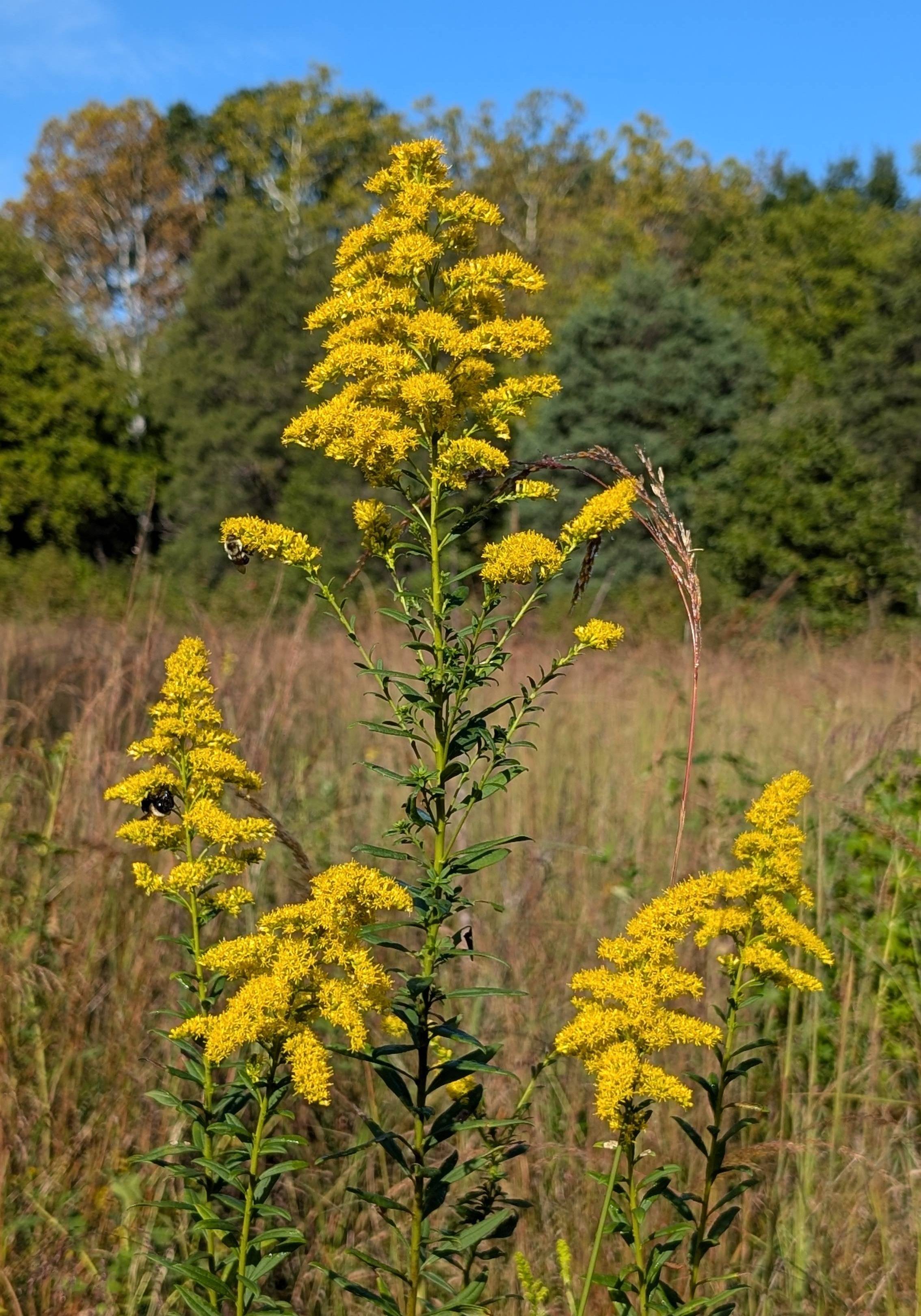
October Native Plant of the Month: Goldenrods (Solidago spp.)
-
There’s a goldenrod for every garden, from the tall and Canada goldenrods, which can reach 6 feet, to more modest plants just a foot or two tall. A popular cultivar of rough goldenrod is “Fireworks,” which grows in a sturdy, low-maintenance cluster with masses of sunny golden panicles that resemble fireworks paused mid-burst.
-
Generally, goldenrods prefer sunlight, and many tolerate poor, dry soils, but some thrive in shade or the dappled sunlight of an open forest.
-
They are some of the most valuable wildflowers for supporting pollinators and other insects. Check out this video of a bee-filled goldenrod.
-
They are often unfairly blamed for causing hay fever. The true culprits are the inconspicuous ragweed flowers, which bloom at the same time.
Q&A: Do I Need a Soil Test?
Q: Steve V asks: “We just moved into our house, and I’m wondering if I should get a soil test. We are planning to plant a lot of trees and shrubs and want to start out right.”
A: The traditional soil test that measures NPK (nitrogen, phosphorus, potassium) is a conventional agricultural test. Our sub/urban soils don’t usually suffer from a significant lack of these elements. Instead, our soils contend with compaction and a serious shortage of organic matter. The compaction means water and air are limited, and a lack of organics means the soil food web can’t function properly to provide roots with the nutrients they need, in the forms they need them. The key is to build soil structure and health, and when the soil is healthy, it will deliver the nutrients roots need. If the concept of the soil food web is new to you, check out the Soil Food Web Institute to learn more.
Do this to keep your soil healthy:
- Leave the leaves: all the organic matter created by your plants should stay on your property.
- Apply arborist wood chips around all your trees and shrubs, making sure not to pile it up against the trunks. Refresh the mulch every few years. It’s fine to let it mix with fallen leaves..
- Supplement poor soils with compost tea fertilizer.
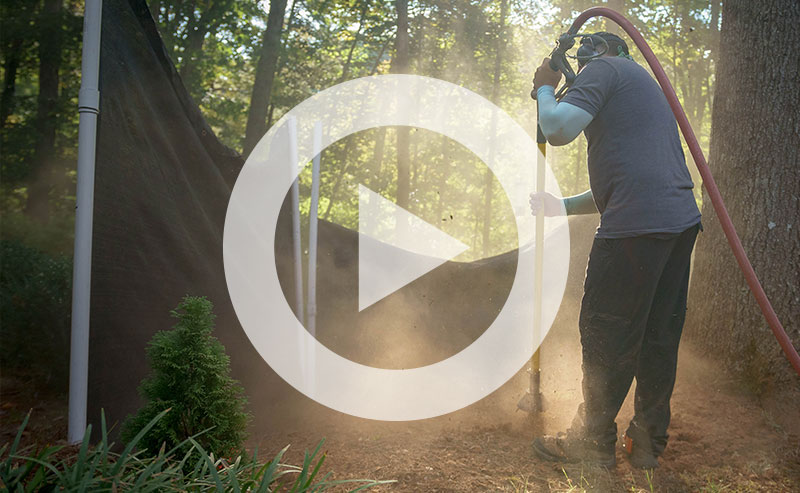
- Compacted soil around existing trees can be loosened with an air spade and the soil can be improved at the same time with big dollops of compost. Reach out to us for help with soil improvement projects.
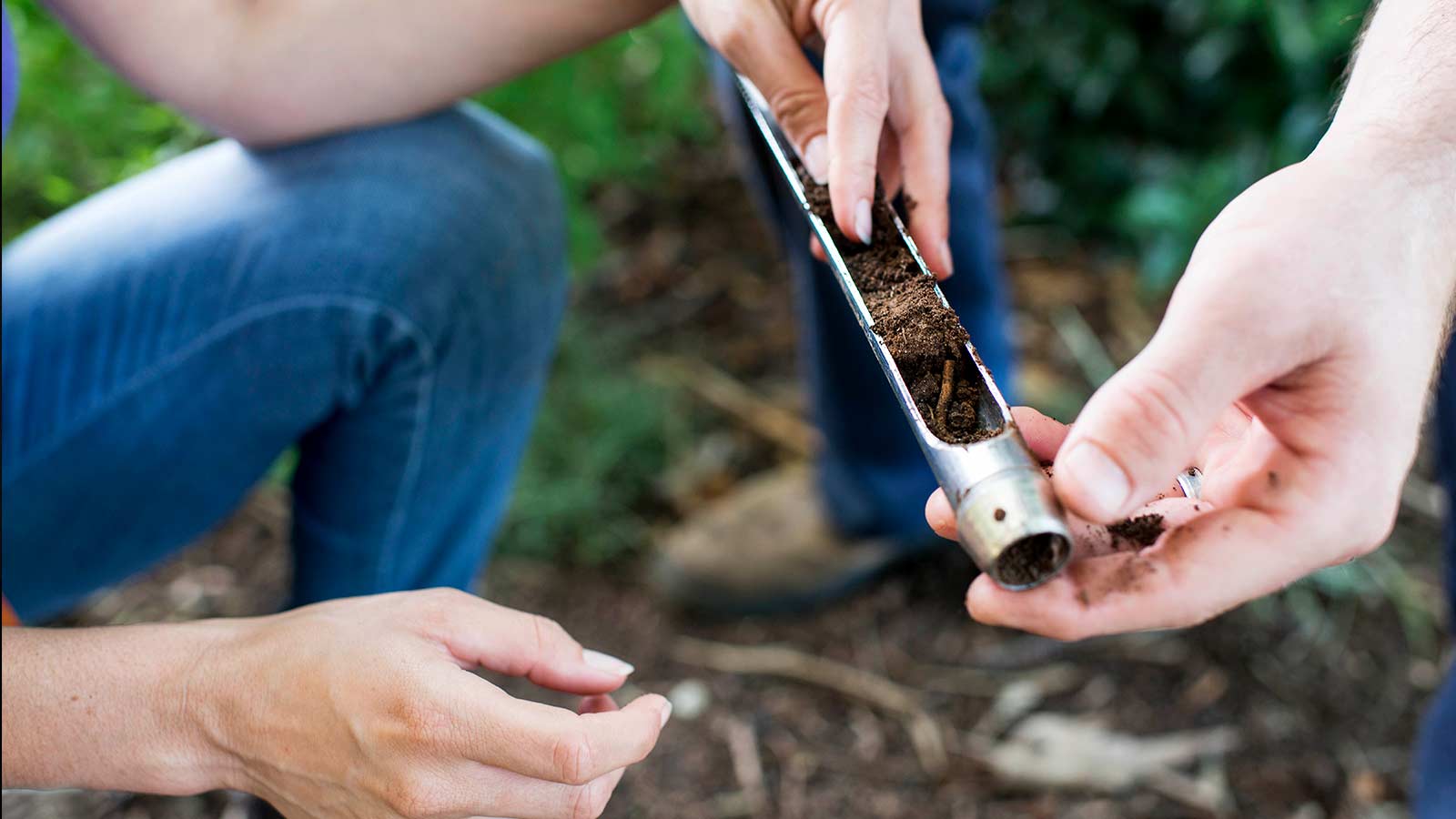
If you have completed these steps and still really want to know what is happening with your soil, we recommend soil microbiology tests (different the conventional NPK ones) from Foothill Biological, Earthfort, or Rhizos — all referenced in the appendix of From Wasteland to Wonder.
Some Things To Do Around Town
Ways to have fun, learn cool stuff, make a difference, and reconnect with the natural world:
- Basil is really getting the word out on pocket forests, thickets and native shrubbery! Listen to the latest episode of the Plant a Million Trees Podcast.
- Moonlight in the Garden returns at JCRA starting November 6th — don’t miss this event where thousands of lights magically transform the arboretum into a sparkling wonderland.
- We recently collaborated with Homegrown National Park on a guide to planting native trees and shrubs.
- Do you live in Cary and want a native tree for your yard? The My Tree, Our Tree event will take place from 9 a.m. to noon on Saturday, November 8, 2025. Check here to select one of five beautiful native trees.
- The Joe Gardener podcast did an encore of Basil’s past episodes — listen to Simple Ways to Help Heal the Earth or Winter Tree Care.
One Last Thing: Go Outside 🌿
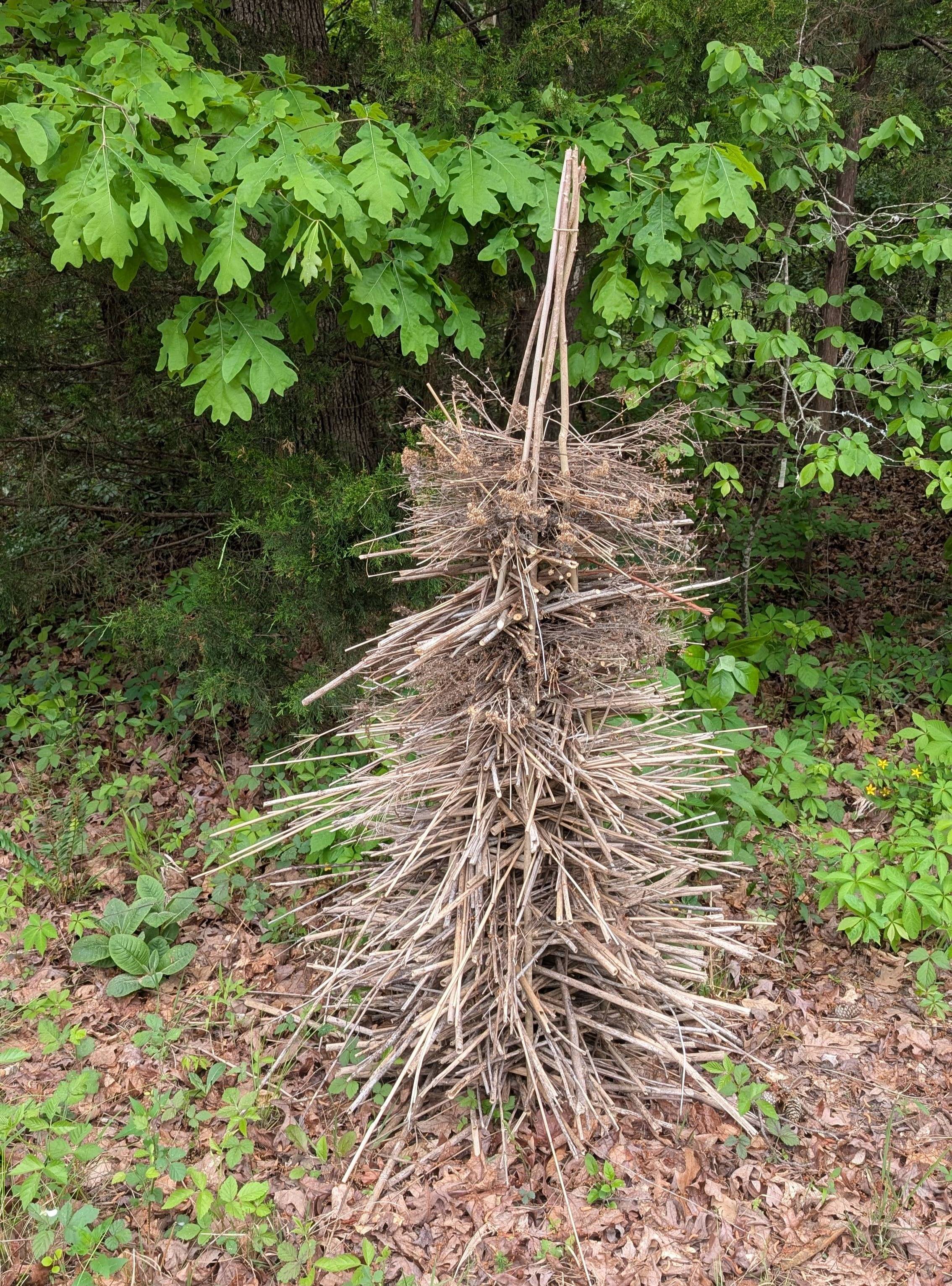
A backyard project — make a brush pile for wildlife with a little crafty flair. Brush piles serve as important refuges for many small creatures, and there’s no reason not to have fun with it. Turn an eyesore into art! Try weaving the woody stems together, or perhaps use some biodegradable twine to secure them. I bet your kids could come up with some pretty cool designs.
Until next month, remember to sniff the blooms and listen to the birdsong.