February Treecologist Tribune
Liquid Gold: Worms, Leaves, and Food Scraps, Oh My!
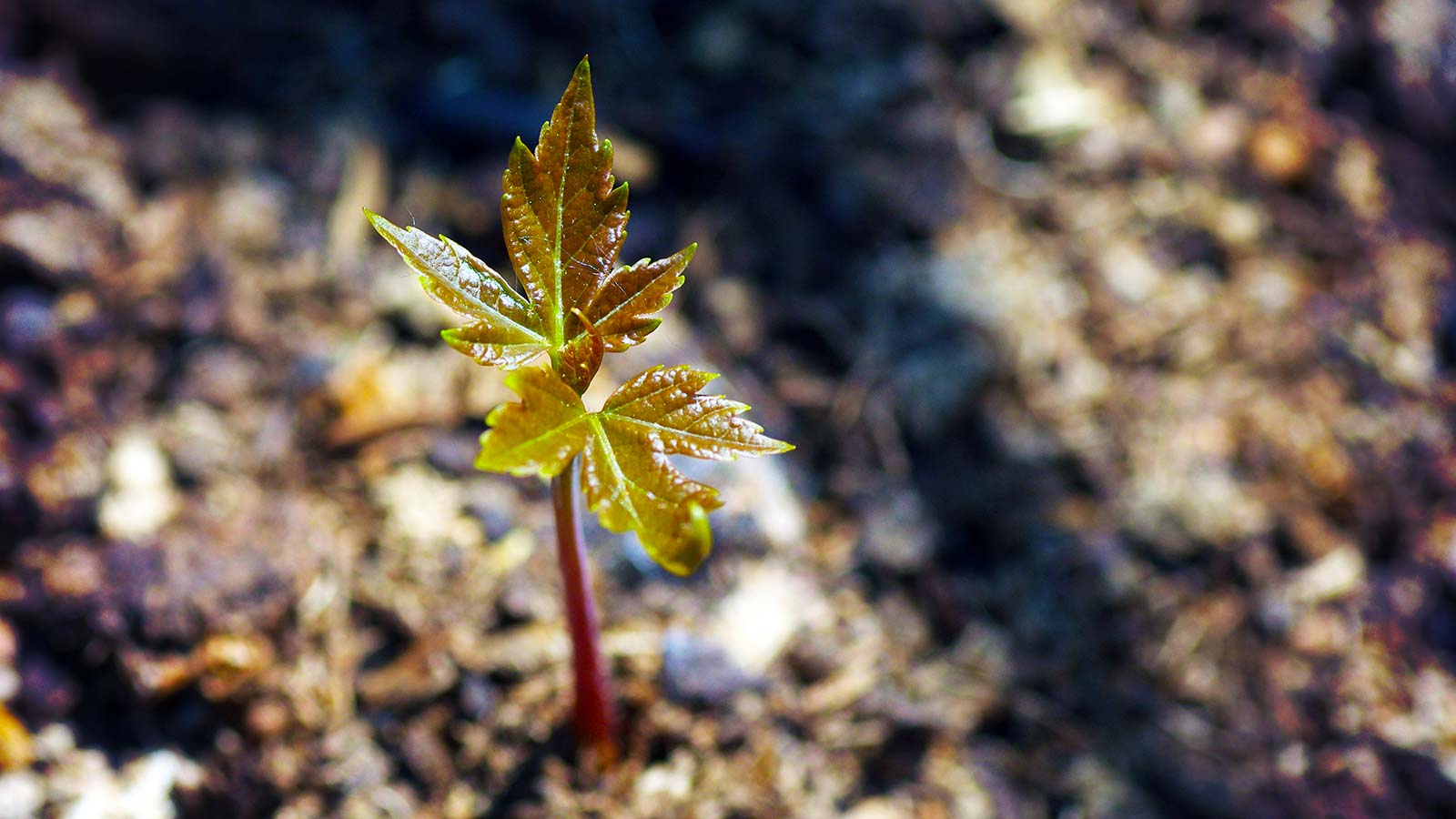
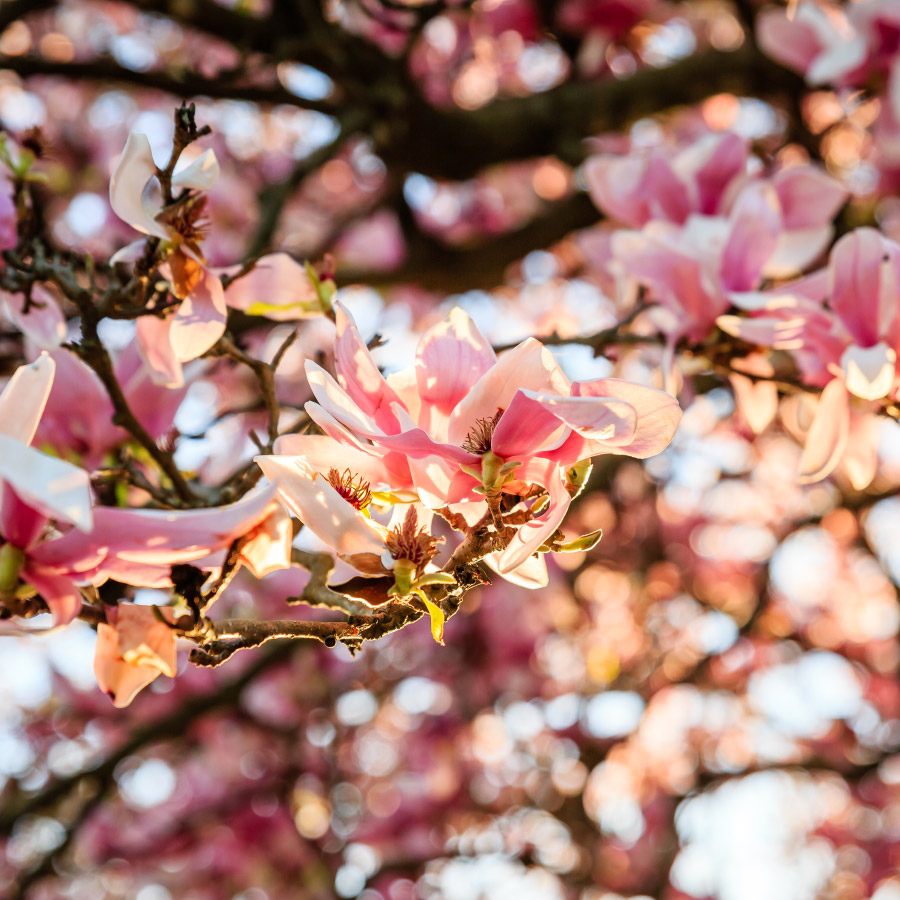
Out in the field, I am seeing some of the first signs of Spring! Bulbs are flowering, squirrels are digging up their winter cache, birds are building new nests, and tree buds are beginning to pop open.
At Leaf & Limb, we are also prepping for Spring. This preparation includes “ramping” up our compost tea applications. While we can apply compost tea any time of year, a good soak benefits your plants before the growing season. Read more about the benefits of compost tea. Also, did you catch that little Appalachia pun??
Our compost tea is something very near and dear to me. Since joining Leaf & Limb, I have focused on soil health, which I enjoy very much. The science of it, the ecology, and the overall environmental impact of it.
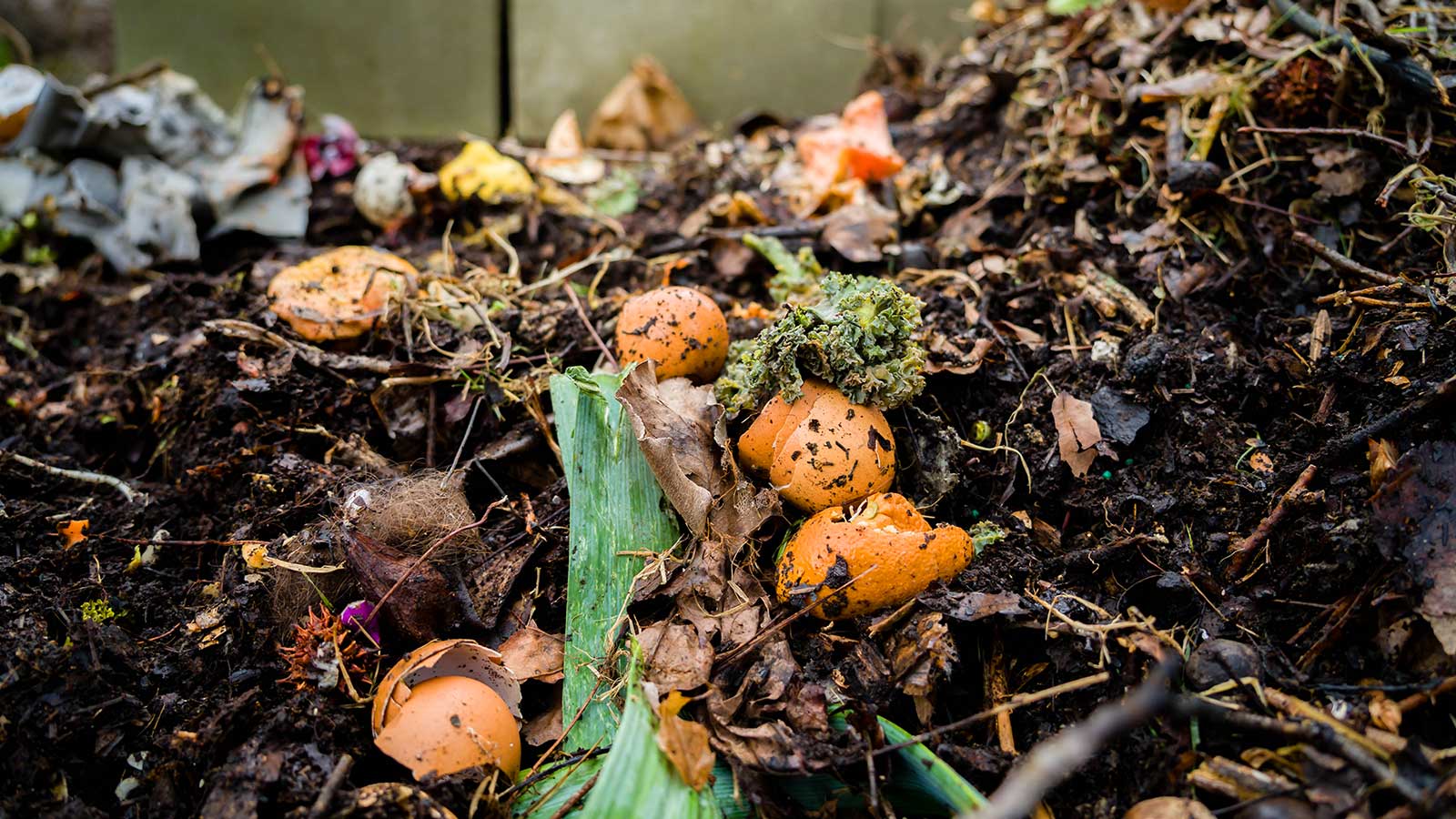
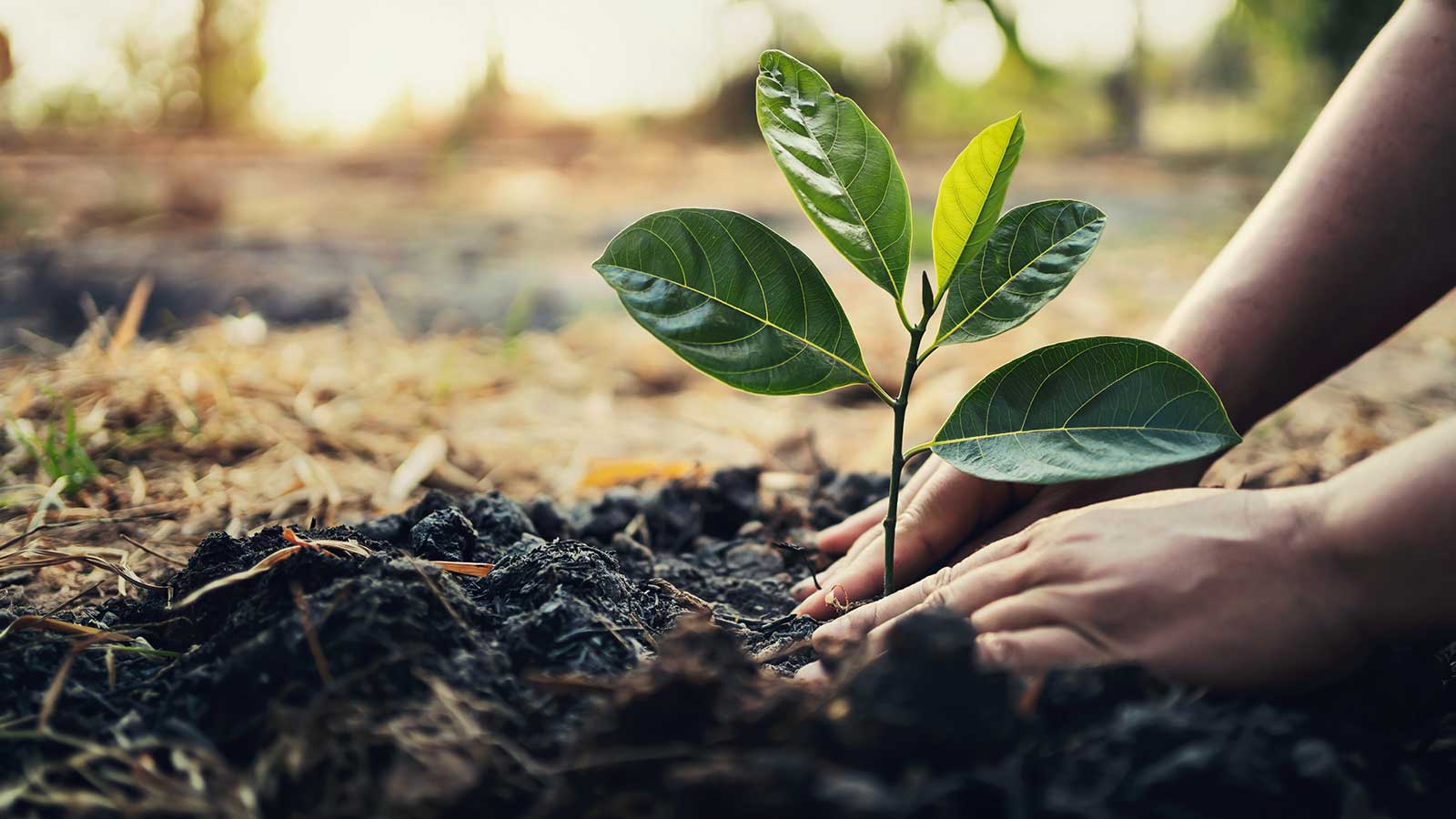
Over those years, we have gone from using commercially bought bio-fertilizers to in-house produced compost and vermicompost. This is such a satisfying feeling. The worms that make the vermicompost are fed food scraps that typically go to a landfill. The leaves that we use for compost are also spared that same fate. To round out our soil health builders, we also use any wood chips from pruning projects.
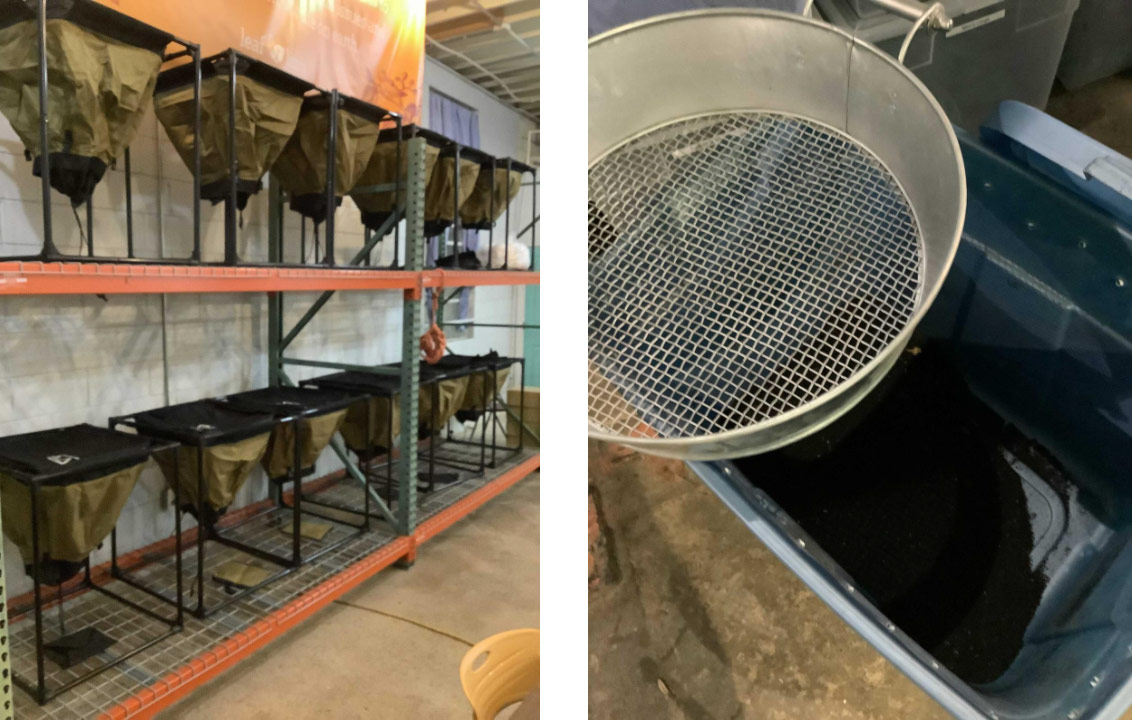
Images of our vermicomposting setup
It was an easy decision to take this route. What was difficult was getting all of the moving parts figured out and into production. But the hard work will pay off. Your trees will be happier, the soil healthier, and we will positively impact the planet!
Humans created conventional fertilizers because we thought we could do a better (and faster) job than mother nature. That is definitely not the case. Those types of fertilizers do more harm than good. Using these chemicals is just one of the ways we are responsible for destroying the health of our soil. We should stop trying to take shortcuts by using these chemicals. Compost tea is truly a better option for your trees.
Creating our compost teas is basically like microbe farming. These tiny organisms are introduced to urban and suburban soils to help build back healthy soils. Urban and suburban soils are usually void of soil microbes. Microbes are essential! They do so much for soil ecology! These include:
- Balancing pH
- Boost nutrients available to plants
- Increases available oxygen and moisture to plants
- Helps to alleviate pest and disease issues, just to name a few!
Happy 2023 to everyone, and let's hear it for healthier soils!