May 2023 Treecologist Tribune
It's Raining, It's Pouring? Not All Rain is Equal.
You may have heard from your local news that April was a wet month. According to WRAL, the rainfall tally at the end of April was around 8 inches. That much rain means trees must be happy! Seems great, right? Not so fast – reading rainfall totals and assuming that plants are healthy is not looking at the whole picture. We must also consider the rainfall distribution and how much of that rainfall the soil can absorb.
First, let's look at the rainfall distribution by diving into the data. Let's go to CoCoRaHS and search for Wake County Station "NC-WK-282" (check the box next to "station number" and choose "gauge catch" for those who want to try). Here we see that approximately 82% of all the rain in April fell in just one 3-day period from the 7th to the 9th and another major downpour on the 23rd. That is a lot of rain falling quickly, which is fine if our soils can absorb this water.
Healthy soil is like a sponge and can soak up vast quantities of water. If the soil was healthy, it could easily absorb the rainfall in April, and plenty of water would be available for plants long after the rain had passed. For a great visualization of healthy soil, please check out this video.
Unfortunately, most of the soil in our urban/suburban landscape is heavily compacted due to hundreds of years of agriculture followed by the construction necessary to build our neighborhoods. So instead of being a sponge, it is more like a stone - it can soak up very little water. This is often the case in the Triangle which means the rain in April washed away and did not reach the trees.
How much rain was washed away? Approximately 27,000 gallons of water fall per acre when it rains one inch of precipitation. That means those 8" of rainfall in April would have yielded 216,000 gallons of water per acre. However, instead of soaking into the soil, most of this water flowed downhill and into local creeks and rivers. This is called runoff and creates floods and erosion, further degrading the soil's condition.
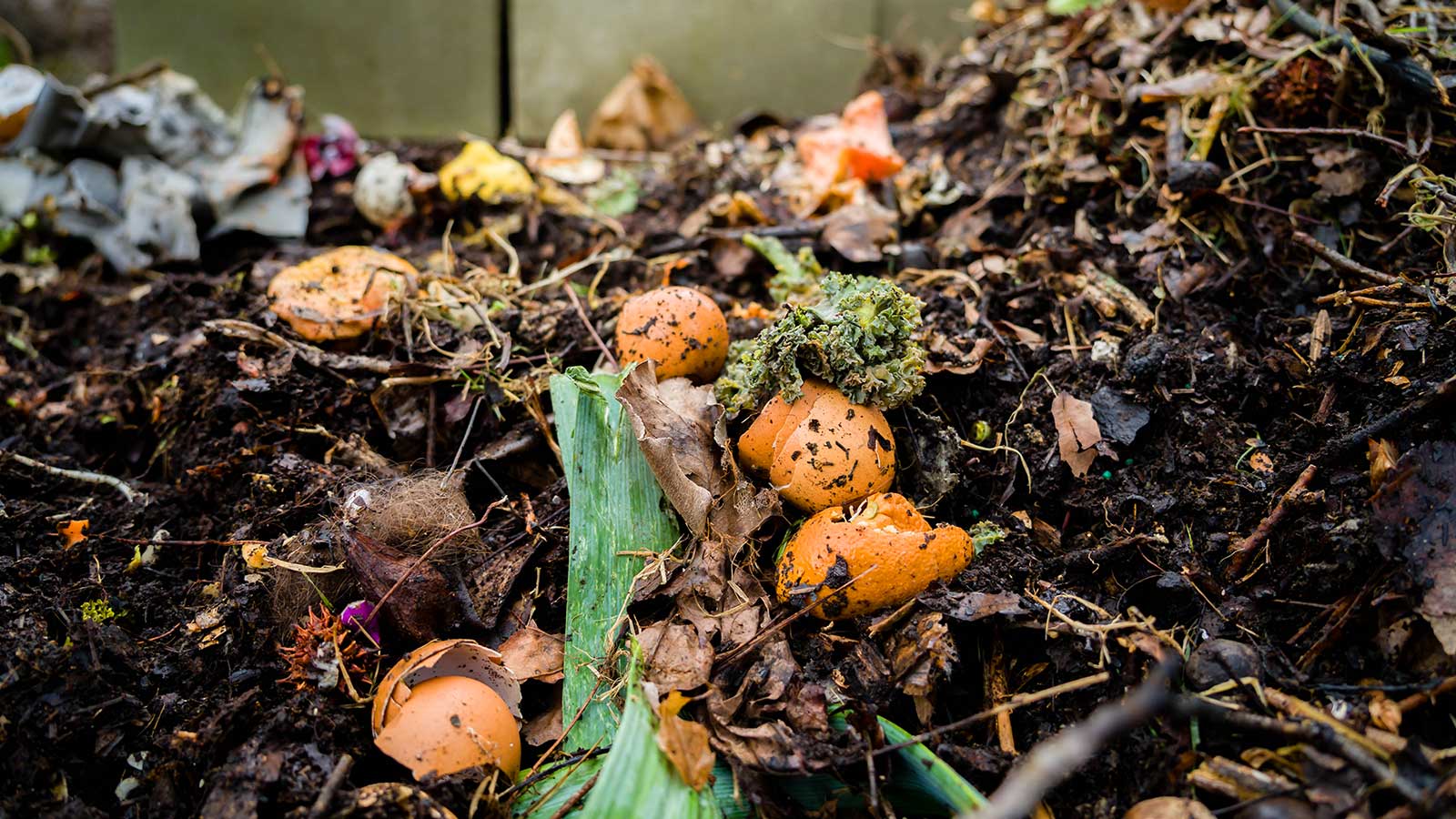
How do we create healthy soil? By hoarding carbon on our property (leaving the leaves, adding compost, adding arborist wood chips) and avoiding the products that kill life in the soil (pesticides, herbicides, fungicides, etc.). The more carbon and life within the soil, the more water it absorbs, filters, and holds for safekeeping.
What should we expect this summer? While I cannot predict the future, I can tell you that over the past ten years, we at Leaf & Limb have been seeing an increasing trend towards long periods of hot drought punctuated with heavy downfalls of rain, most of which runs downhill as described above.
Hot, droughty conditions have started in May for several years. Unfortunately, I expect we'll see this again this coming growing season. If we do, trees in the suburban space will continue to suffer. This suffering creates a cumulative stress pattern for trees, making them more susceptible to attack from pests and decline/death in general. The best thing you can do to protect your trees from this trend is to focus on building healthy soil.
Healthier soil means healthier trees means healthier life for humans and non-humans alike.