May 2024 Treecologist Tribune
How to Prepare for Hurricanes, What to Do With Poison Ivy, and L&L in the Press!!
What a lovely May it has been, both from the standpoint of trees and from the standpoint of all of us here at Leaf & Limb! We’ll start with the trees.
Though we have had many hot and humid days, there have also been a surprising number of days with cooler, less humid weather. Since the last time we wrote in late April, we have had 12 days with rainfall, totaling close to 4" of rain! All in all, the start of this growing season has been favorable for trees and other plants, particularly compared to the last several years when we encountered hot weather and little rainfall early in the season. This is good news indeed! Trees will be better equipped to face stress and withstand pest pressures in the coming hot months.
What’s going on in the world of trees right now? Pest pressures remain at a dull roar, likely due to the cool weather and rainfall. The invasive ones, Emerald Ash Borer and Crape Myrtle Bark Scale, continue to be an issue. Invasive pests always are. Japanese Beetles have begun emerging. These can range anywhere from being a nuisance of no consequence to being extremely damaging to certain small and ornamental trees. In this instance, nets are often the easiest, least-damaging option to deter the beetles. Of course, we are also seeing many of the usual fungal issues that we see each year. Most of these can be solved easily by ensuring soil conditions are ideal. In some cases, the issue may persist because the plant was rooted in a non-ideal location. Perhaps this is the right time to replace the plant with a native variety that would thrive in its spot?
The biggest concern right now is upcoming hurricanes. This is not to say we need to rush out and remove trees—that would be silly. Plus, even if we removed every tree from our property, our homes could still be damaged by trees from other properties during a serious storm. (I have personally witnessed this on multiple occasions.) It’s also worth noting that trees gain speed as they fall. So, if a tree next to our house falls onto it, that tree generally does less damage than those located further away from our structures.
If not removal, what should we be doing with our trees to prepare for upcoming hurricanes? So glad you asked! The best things we can do are:
- Carefully inspect our trees for new and emerging issues.
- Perform structural pruning to ensure our trees have ideal form in the face of damaging winds.
These are things we can help you with! Given some recent press (check out the list at the end of this newsletter!) and the fact that it’s the growing season, we have been very busy. Book an appointment sooner than later so we can complete the work before hurricanes arrive.
What’s going on in the world of flowers? As many of you know, we have been offering Piedmont Prairies, a service to replace turf grass with native flowers, for several years now. I’m happy to announce that we have worked through our waitlist, built our operational capacity, and are now able to accept any and all new projects. If you want to see for yourself how incredible these Piedmont Prairies look in real life, please visit Foundry House Court in Cary, where we have a publicly accessible, mature installation. You can’t miss it—the street is very short. It’s stunning! I cannot recommend it enough. I’m planning on setting up a yurt in the middle and living there full time. 😊
And now to share a reader’s question. This month Shari asks, “Any hints for eradicating poison ivy?” We have been receiving versions of this question over the past several weeks. My recommendation is to leave the poison ivy if at all possible. It’s a native plant that provides a substantial amount of food for local life. The Georgia Department of Natural Resources writes, “Birds are especially fond of poison ivy berries. The plant's waxy, white berries are loaded with vitamins and other nutrients. If that isn't enough, they are available to south-bound migrants in mid-summer as well in winter when food is at a premium. The long list of birds that relish poison ivy includes bobwhite quail; brown thrashers; northern mockingbirds; red-headed, downy, hairy, pileated and red-bellied woodpeckers; yellow-bellied sapsuckers; northern flickers; yellow-rumped warblers; Carolina chickadees; blue grosbeaks; eastern bluebirds; and gray catbirds.”
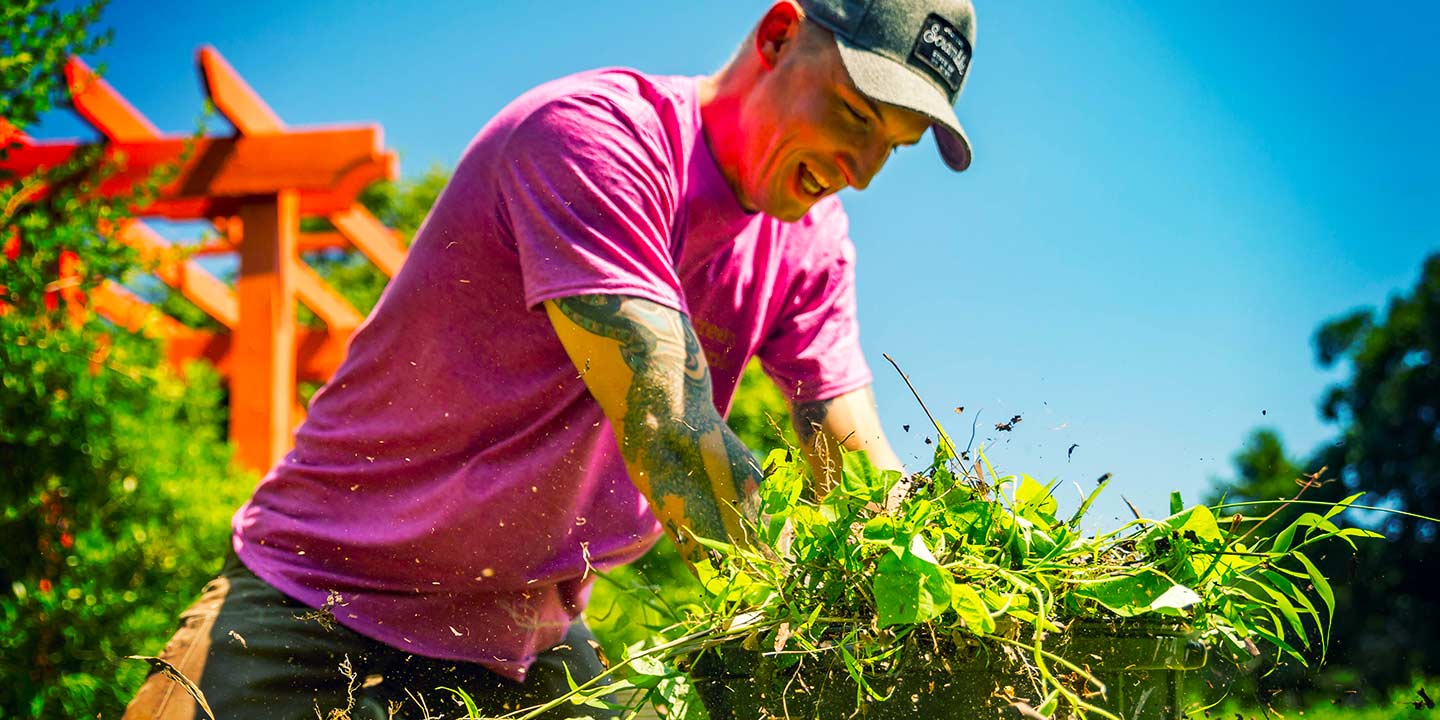
If you can leave poison ivy in place, please do so. If you cannot, perhaps because it is located in an area where you often spend time, my recommendation is to wear gloves, a long-sleeved shirt, and long pants, then physically remove the vines. Make sure you do not touch your face or any skin on your body while you work. When you are done, carefully strip off your gloves and clothes, then place them in the washing machine. Wash your hands carefully. This approach will allow you to avoid poison ivy’s itchy rash.
More fun poison ivy facts from the article linked above:
- Poison ivy helps animals locate the berries. The plant’s green leaves turn a brilliant red in the early fall. This colorful foliage acts as a "red flag" to hungry wildlife.
- Would you believe that poison ivy has been introduced into England, Australia, and Europe as a garden plant? There is it prized for its attractive foliage.
- Poison ivy has been used as dye, ink, and an ingredient in varnishes.
- Researchers have learned that it possesses medicinal properties. For example, poison ivy has been used to treat various skin disorders, paralysis, and arthritis.
In other news, it has been a great month for all of us here at Leaf & Limb! Not only are we loving the weather, but we are also enjoying a surge of favorable press for our organization. Some examples:
- We were featured in The New York Times in an article by Margaret Roach: Why One Man Runs a Tree Service That Won’t Cut Down Dead Trees.
- I was a guest on The Joe Gardener Show podcast.
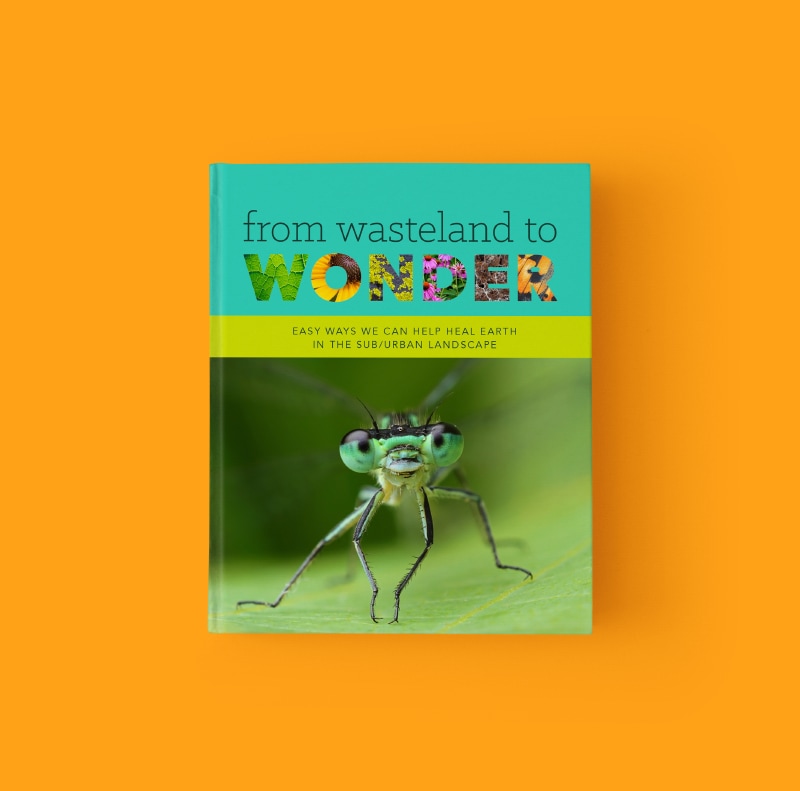
- Rewilding Magazine featured an excerpt from the book.
- Laura Fenton of Living Small wrote a great feature about our company in her article “The Ultimate Treehugger.”
- I was interviewed by the folks at GoGreenLocally.
- I was a guest on Margaret Roach’s podcast, A Way to Garden.
- I was a guest on a number of other podcasts that will be released in June and July, including YourForest, Nature Revisited, Technica Editorial, and The Plant a Trillion Trees Podcast.
- Last but not least, thanks to one of our amazing long-time clients, we were nominated for the National Society of the Daughters of the American Revolution’s NSDAR Conservation Award—and we won!! This is our first-ever national award, and it’s from such a large organization. This is an incredible honor!
Speaking personally, I’m incredibly grateful for this good fortune, especially given the challenges we have faced since we quit removing trees. The transition from removals has been fraught with difficulties, and this is exactly the boost that we hope will help us continue doing our best to help care for trees and heal Earth over the coming years.