Video | 3 Ways City Life Stresses Trees (And What You Can Do to Help)
Trees in the urban environment face unique challenges and need special care.
We often hear, “trees do perfectly fine in the forest without any help, so why should I care for my trees?”
Hi I’m Archie. I’m an arborist, and today we are going to talk about the unique challenges that your trees face when not in the forest.
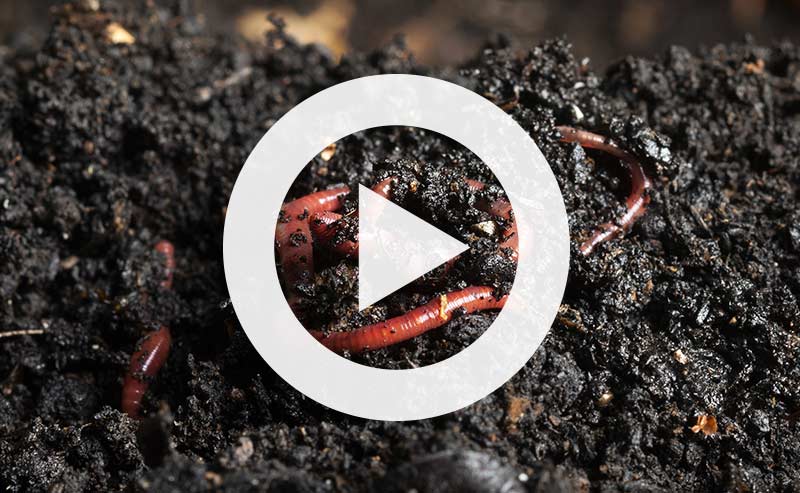
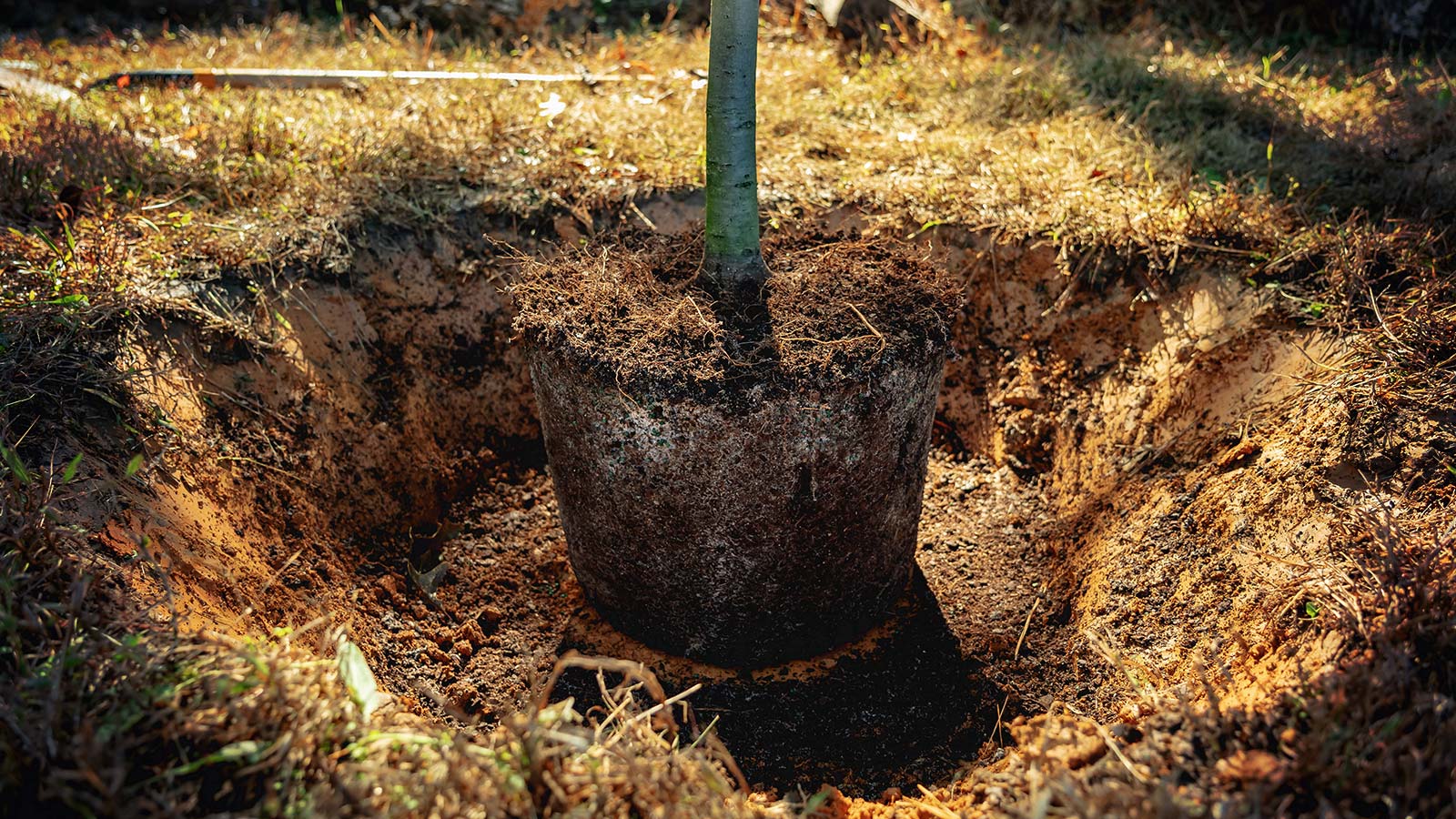
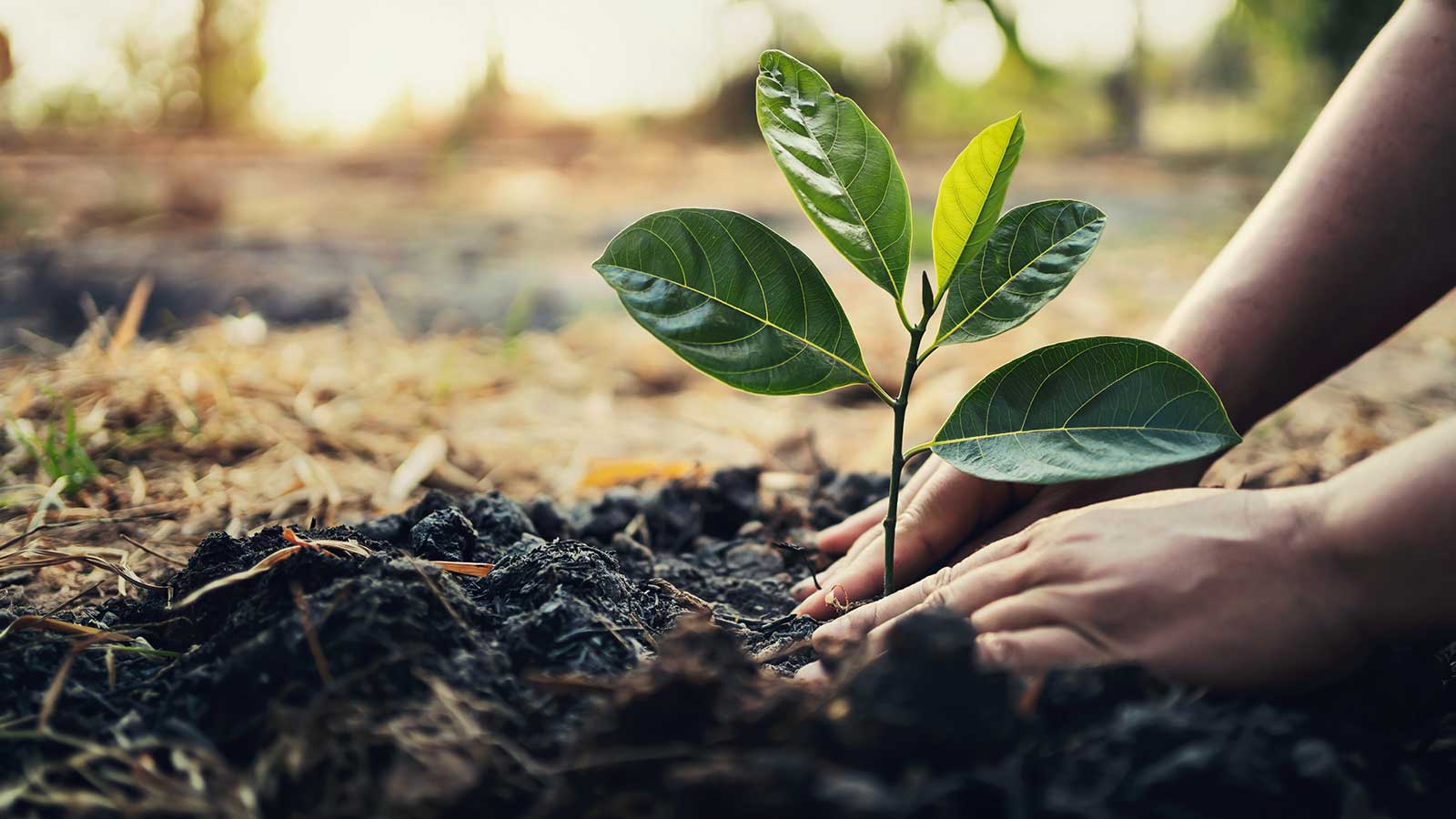
The first obstacle is the soil. In the forest, the soil is alive and packed with microorganisms, full of moisture, and not very dense. Unlike the urban ground, which is often lacking nutrients, is dry, and contains very little air. We have a whole video about fixing the soil here... here! But the key is to add organic matter like compost and wood chips.
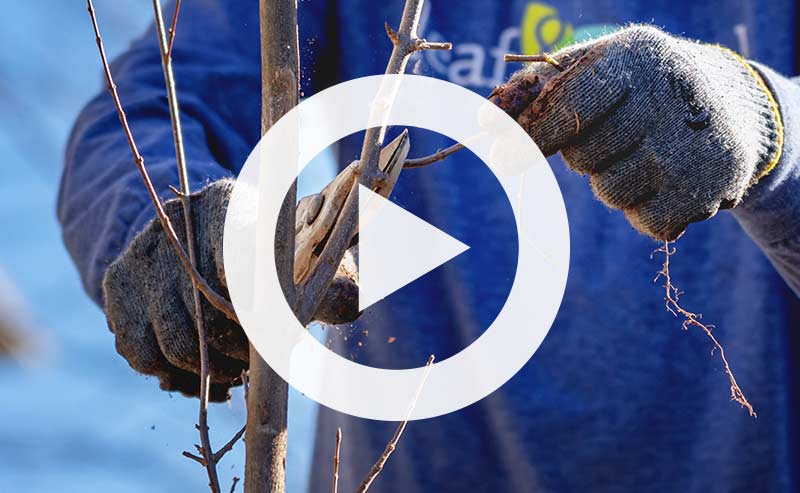
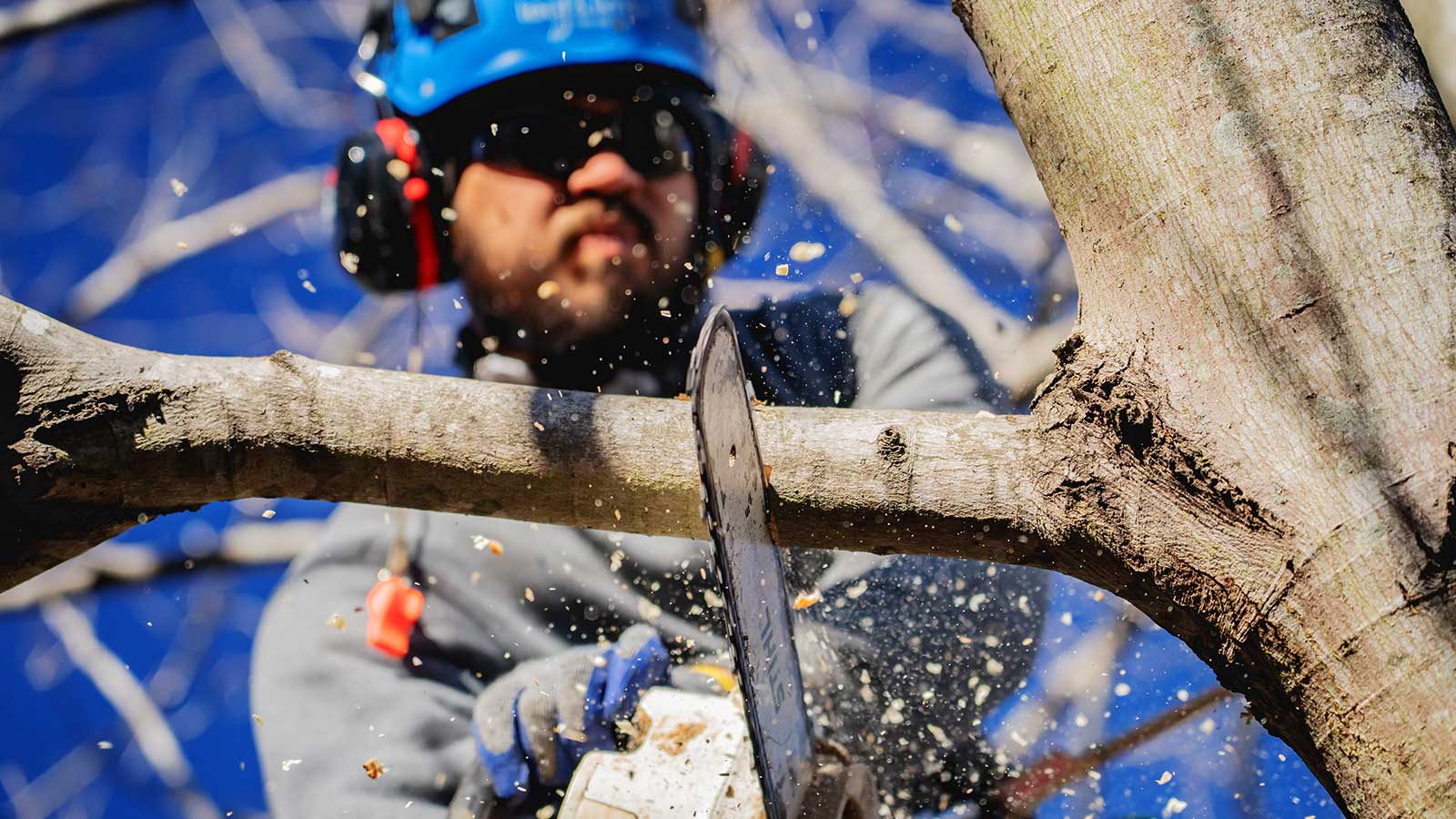
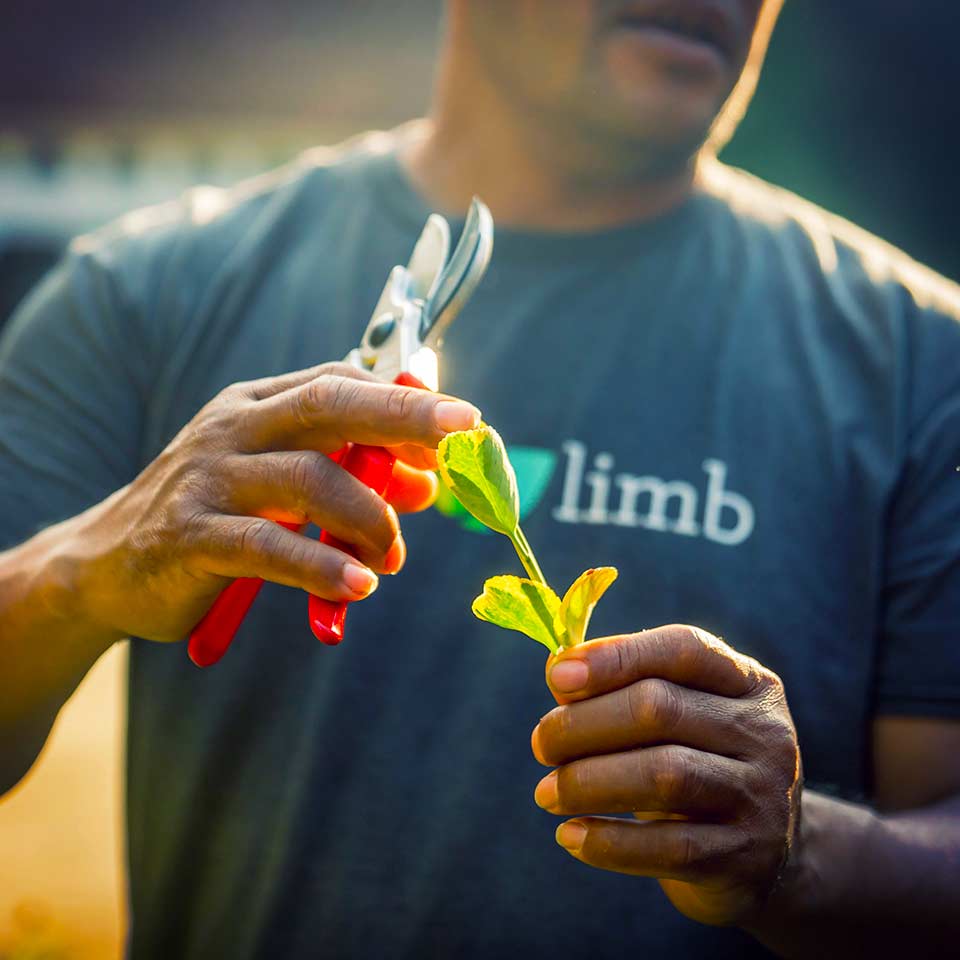
Urban trees tend to grow faster. Which at first may seem like a good thing, but because they lack competition from the other trees, they tend to over grow. This makes them weaker and easier to break. Like my heart, sobs… This is why we selectively prune our trees to encourage a good form and to grow strong.
People often stress the trees they care for. Things like lawnmower or weedwhacker damage to the tree’s trunks, soil compaction from repeated driving or walking in tree’s root zone, there is also chemical damage from things like pesticides, herbicide, and fertilizers. The best way to deal with the human stressors is to avoid them in the first place. This is why you need to give trees plenty of room and don’t use any chemicals on your lawn.
We love having trees in our neighborhoods, our yards, and our towns, but we need to know what the trees need be happy and healthy. By incorporating trees and green spaces into human space we can solve many of our environmental issues, so we can live with our trees for a long time to come.