Video | From Seeds to Serenity: The Piedmont Prairie Process
Turn your boring lawn into a gorgeous Piedmont Prairie.
Hey! My name is Lila, and today we're talking about prairies and how you can go from this…to this!
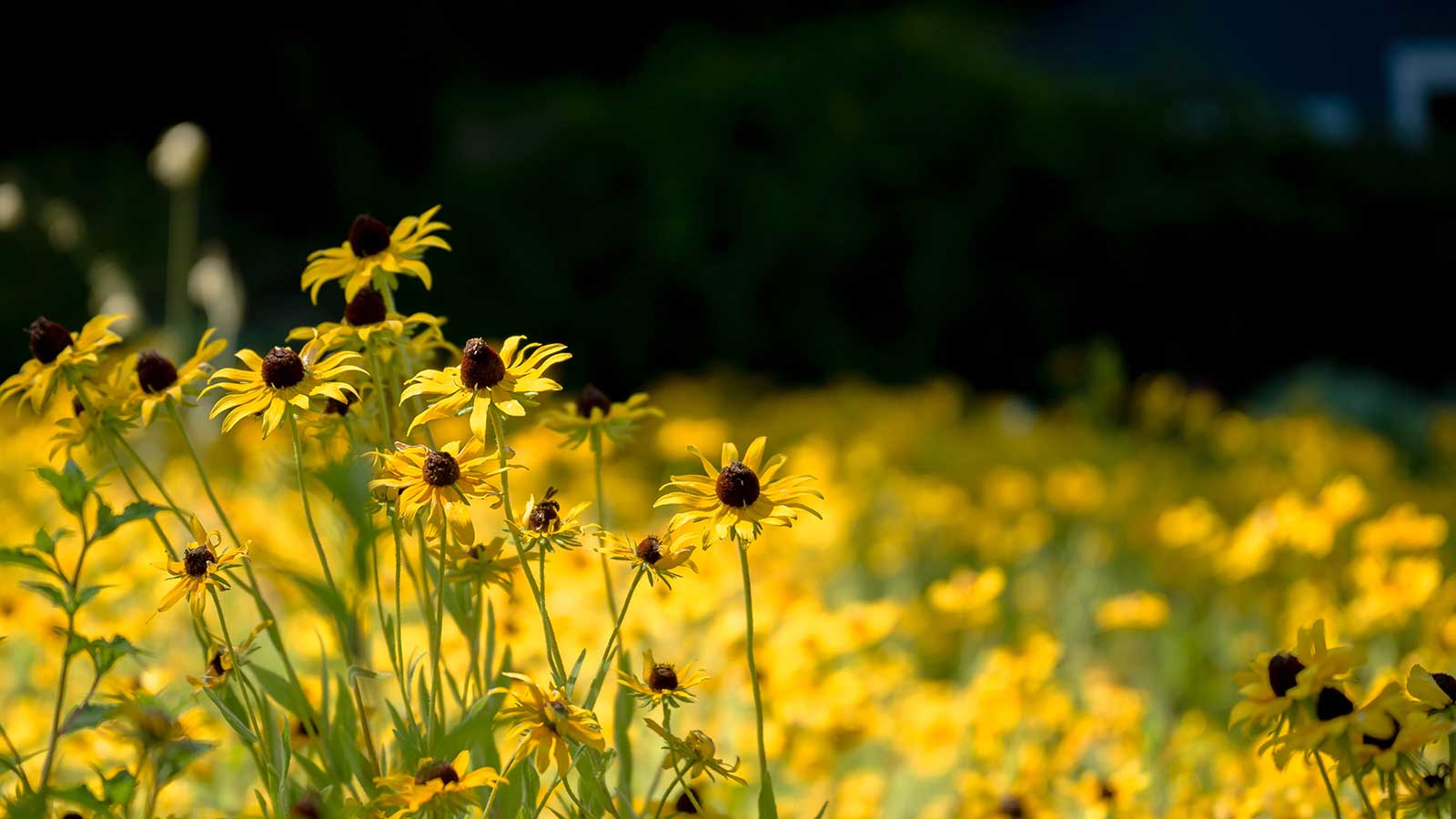
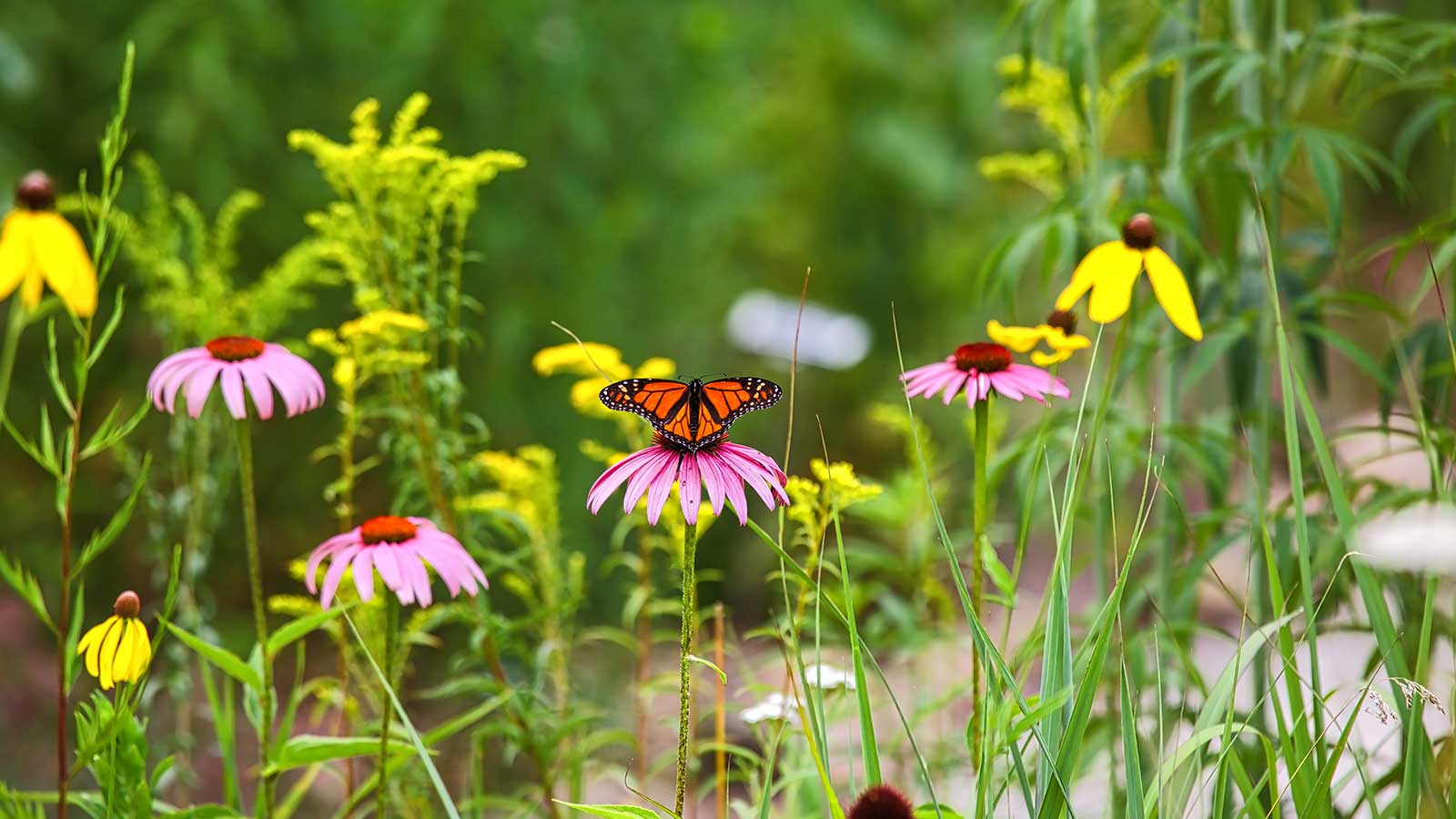
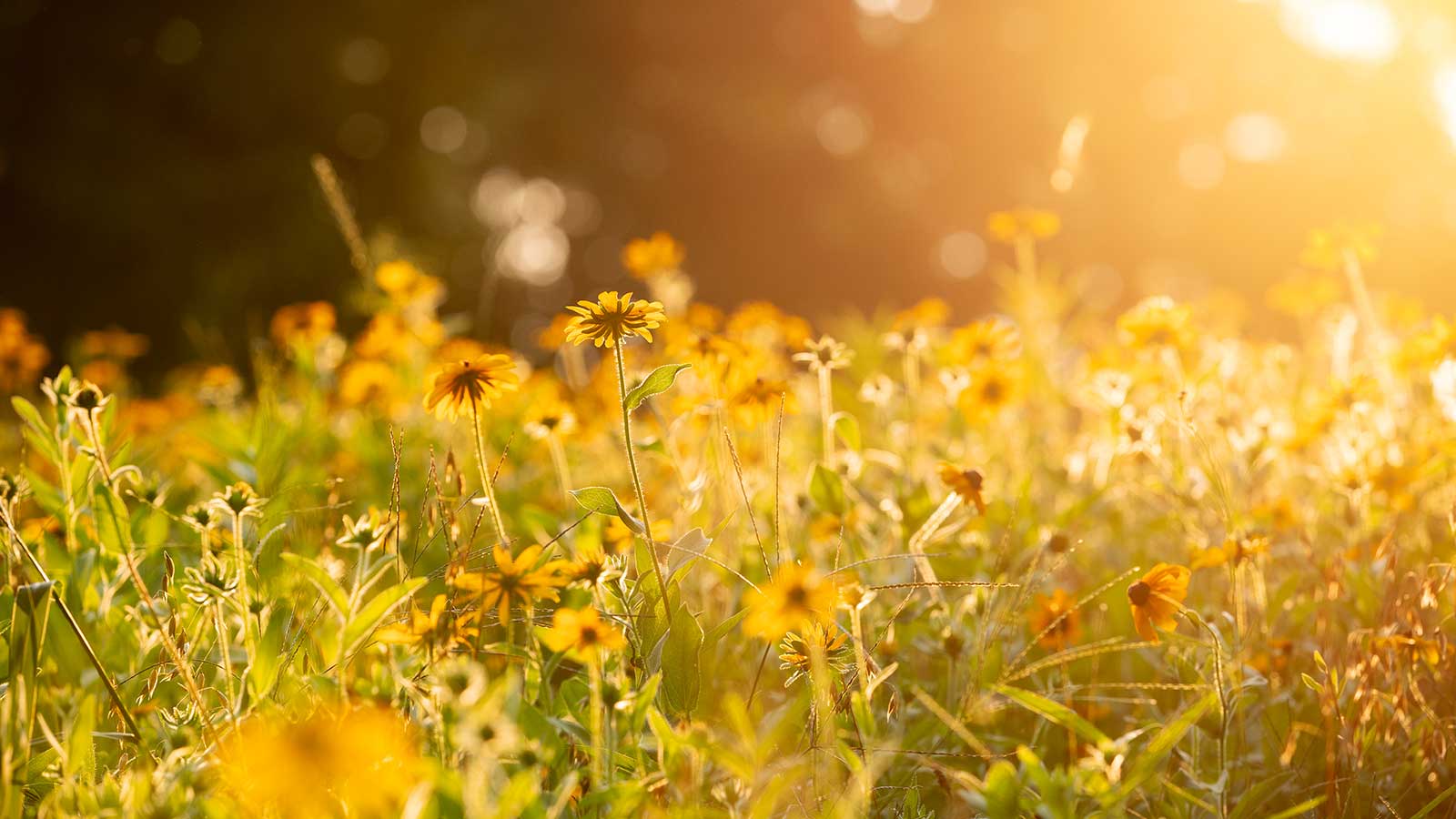
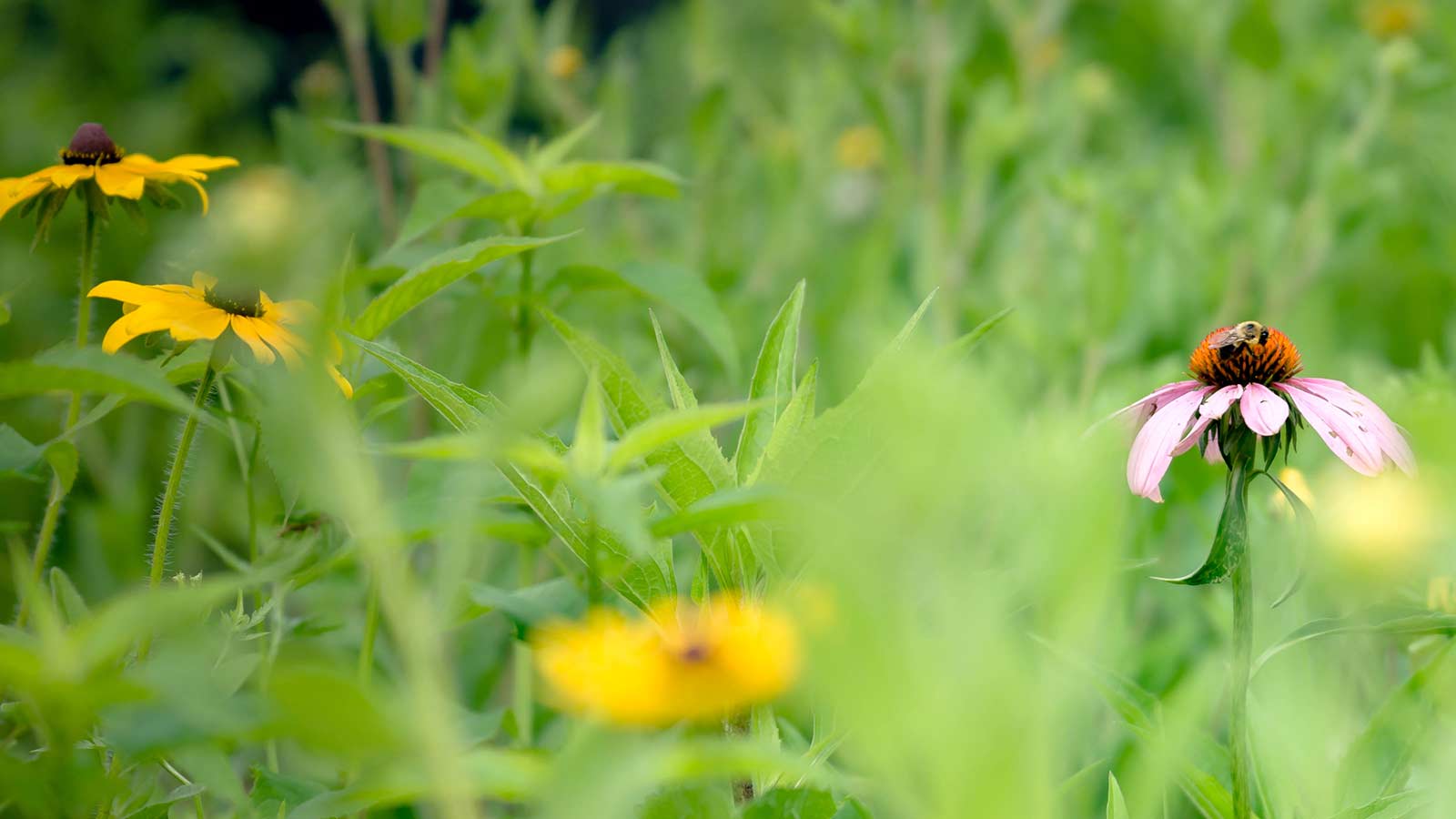
We call them Piedmont Prairies, but you might know them as meadows. They are a community of native flowers and grasses that grow together. They provide food, habitat, and shelter to wildlife, and once they are established, they are very low maintenance.
So before we install a prairie, we want to assess the location, so we're looking for some basic things here. We are looking at how much sunlight the location receives, we are looking to see how the water behaves when it rains, and we are also observing the existing vegetation. And those three things are gonna tell us which plants will thrive on a given site.
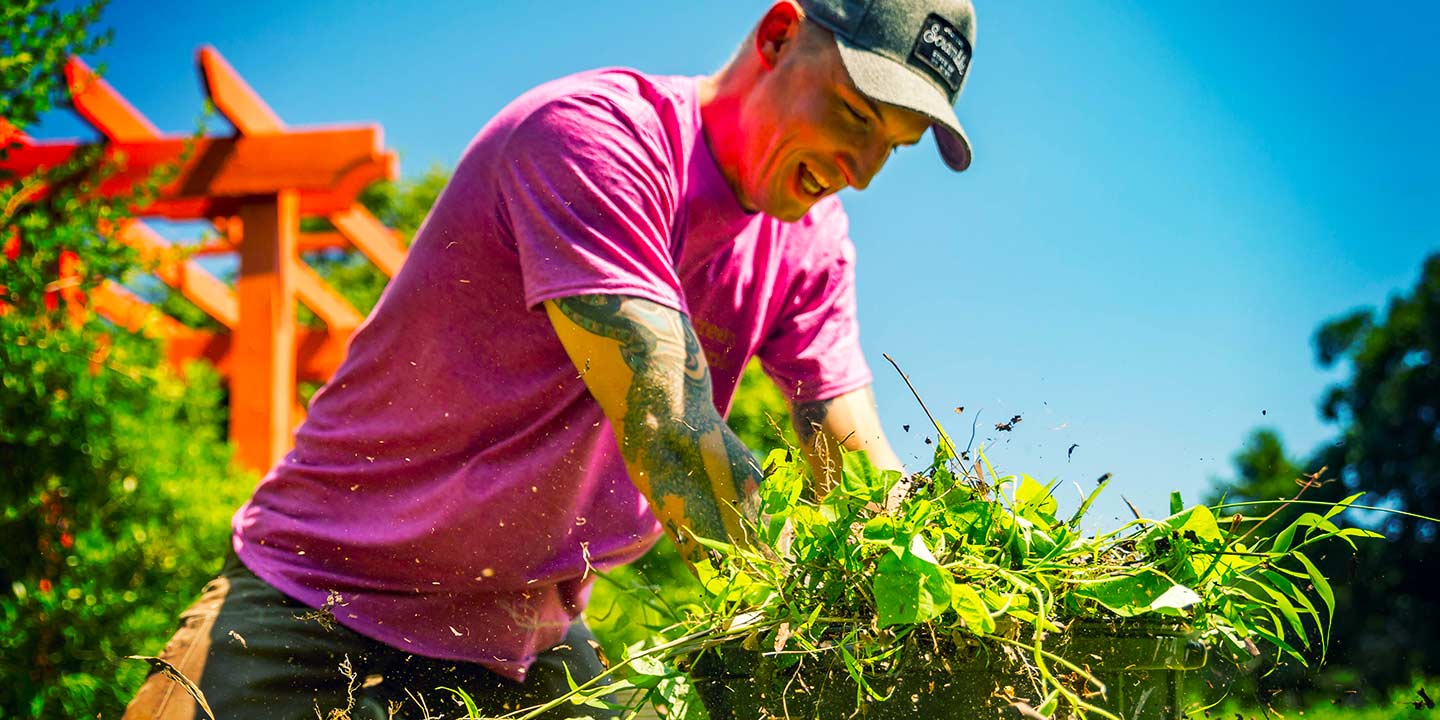
The next step is site preparation. We are going to start by killing off the existing plants and removing them. Now this is the most important part of establishing the prairie. We want to make sure our native plants have the room to grow.
Once we have our site established, then we are going to begin sowing seed. We will start by mixing our seed with a filler agent, and then we will begin dispersing it by hand. Once we have all the seed spread, we will go over it with a seed roller and make sure it's pressed firmly into the ground. And then we just wait until spring.
In the springtime, we will begin mowing. This may seem like a counter-intuitive practice, but we want to make sure weeds don't reproduce and take over. We will generally continue this throughout the entire first growing season. To ensure our native plants get a really strong foothold.
During the second growing season, we are going to over-seed, and also, depending on the weed pressure that we see, we are going to reduce the frequency of mowing. This is going to continue to thin out the competition and also promote the native plants that we want to see out here.
Finally, by year three, we should be seeing a well-established prairie. This means no watering, no over-seeding, and we are mowing once a year at this point. It's finally time to enjoy our Piedmont Prairie in all of its glory.
A prairie is definitely an investment in land, energy, and time, but it is so rewarding. They require less effort, less money, and less resources than a traditional lawn. These deep-rooted plants reform soil, sequester carbon and enrich our lives.