Video | How to Manage Invasive Plants
Tackling the Trio of Troublesome Invasives: English Ivy, Bradford Pear, and Bamboo
Hi! My name is Lila. Today we are going to be talking about how invasive species affect the ecosystem, and some practical ways to deal with them.
When we introduce invasive species to a new area they have no natural predators, diseases, or other things to hold back their growth. So they can out compete the existing vegetation and just take over; weakening the ecosystem around them. This is why invasive are so harmful.
There are a number of ways to manage invasive plants including:
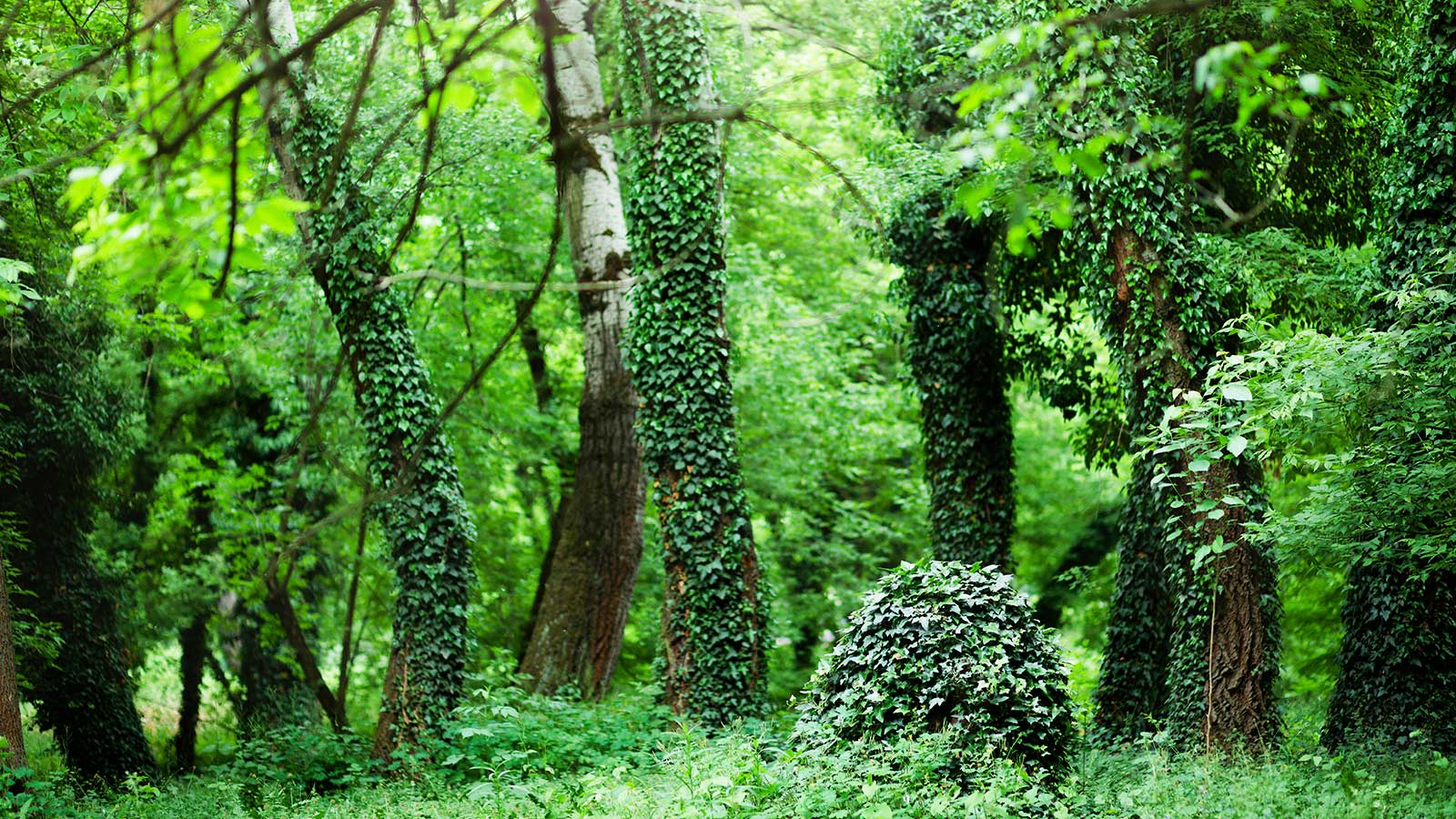
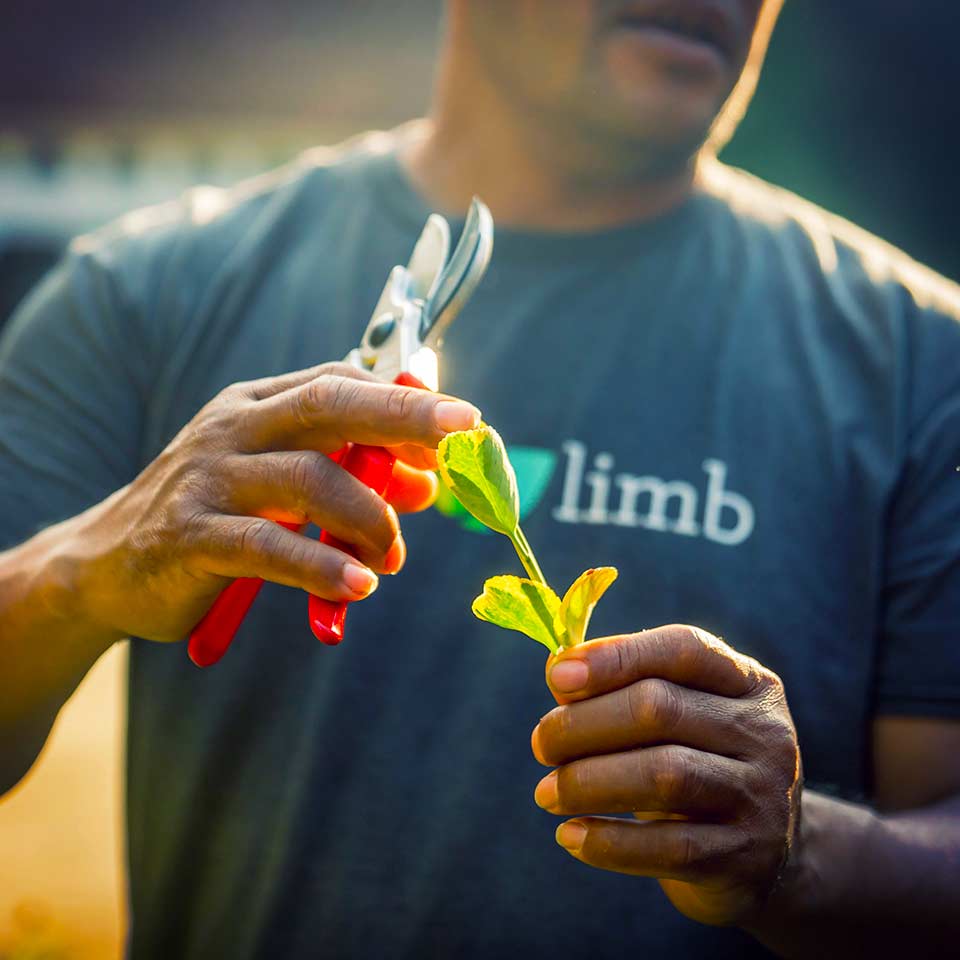
First, for many vines, such as this English Ivy, what we are going to do is cut out a 2-inch section of the vine. We are going to be really careful not harm the trunk of the tree when we are making this cut. What this is going to do over time is that the vine is going to die, and it’s just going to fall out of the tree on its own. Easy as that.
Second, we have Bamboo, which is a tenacious plant, to say the least. Our strategy with bamboo is going to be is going to be containment and/or starvation. So to contain it, we need to limit where its roots can grow using something like root barriers. And to starve it, what we are going to do is cut down all the live stalks, both now and in the future. Until the underground root system is fully depleted and it does not produce anymore live growth.
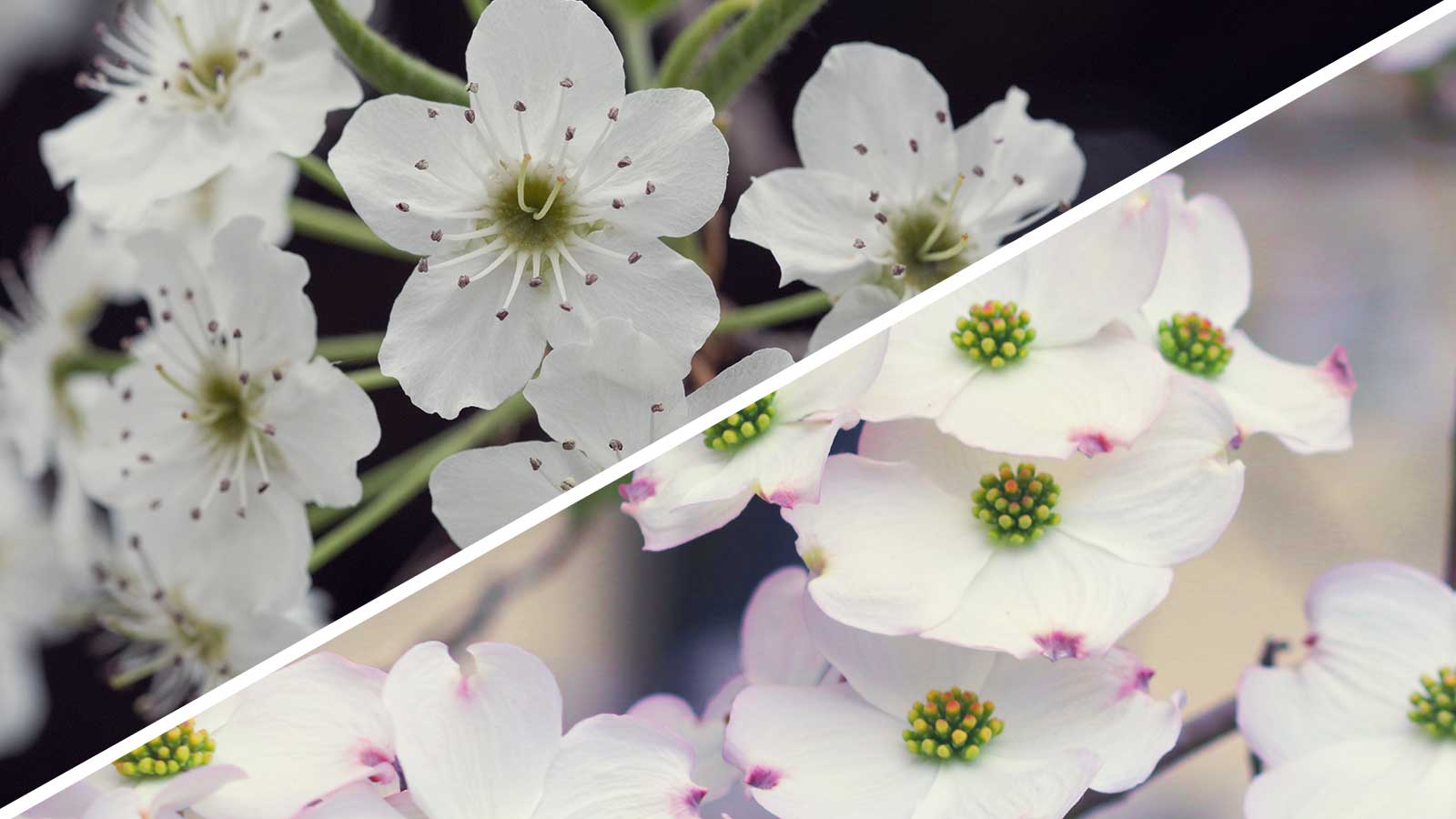
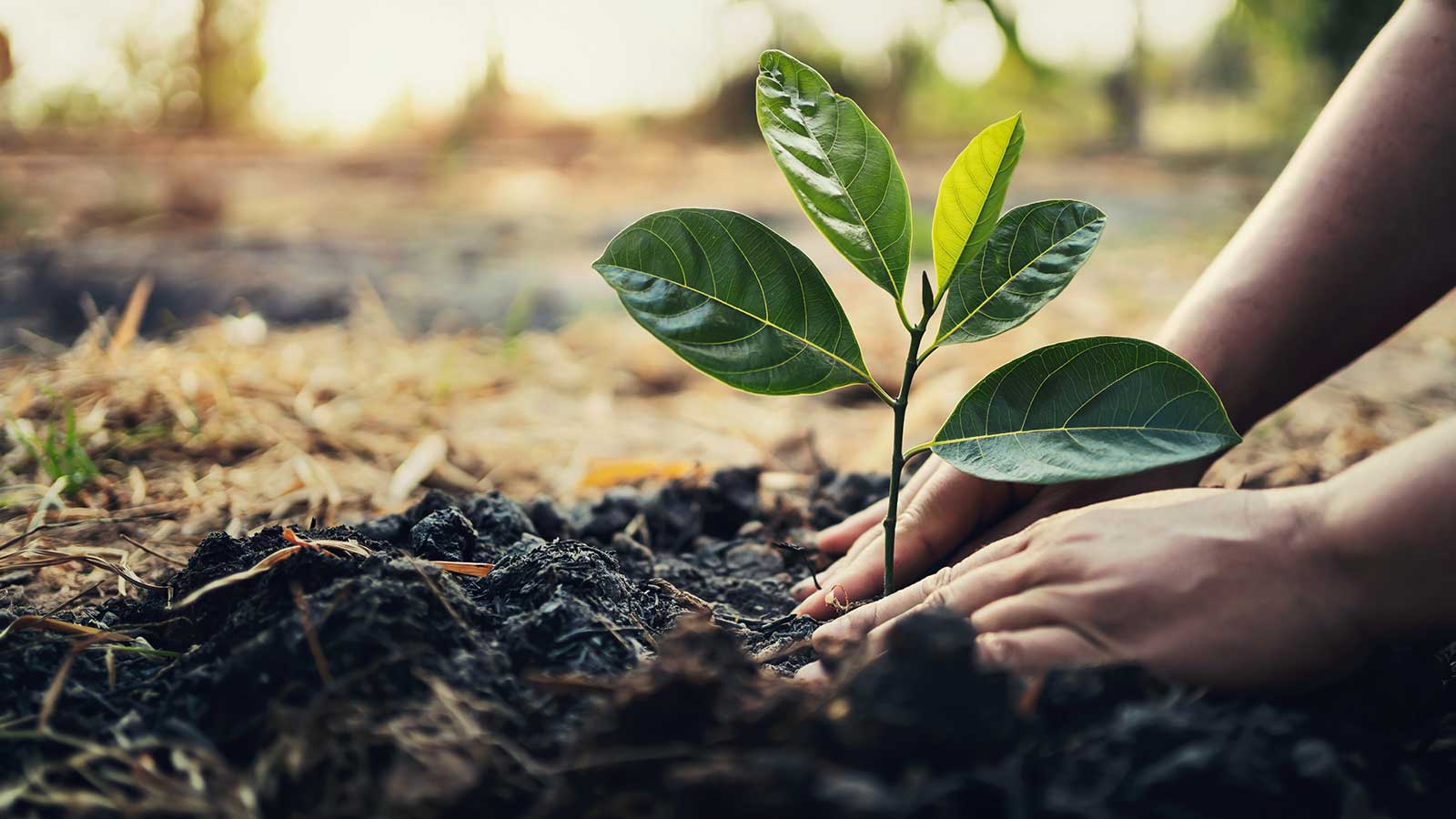
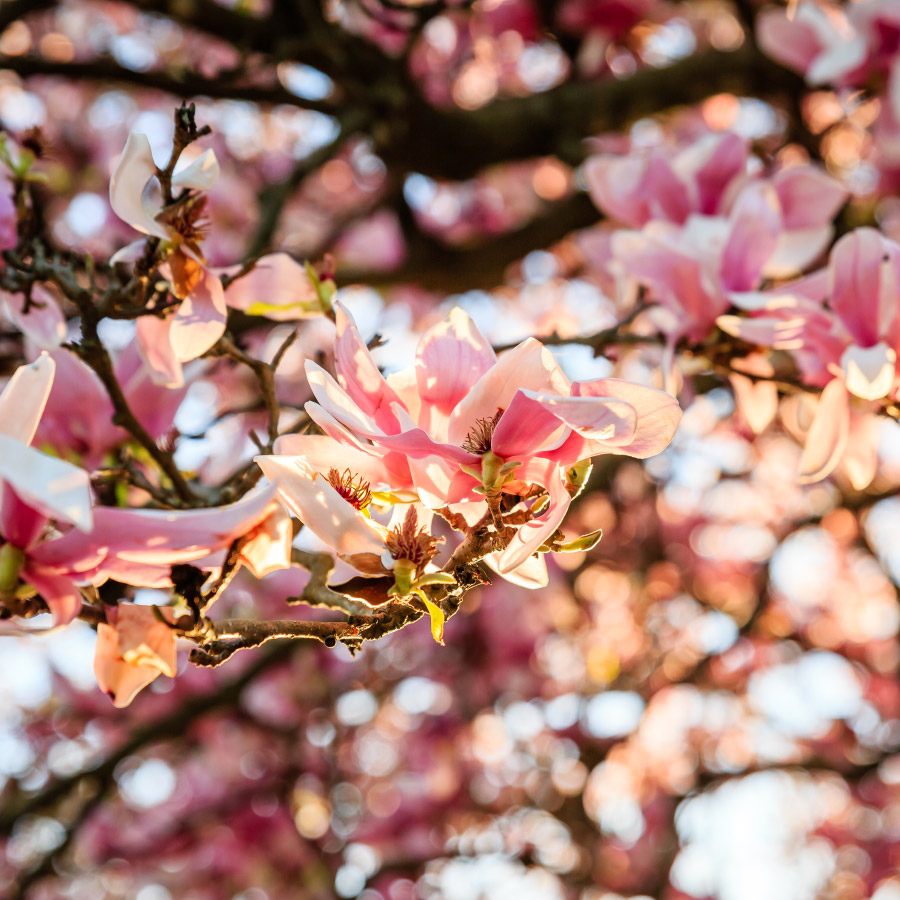
Third, we have the option of removal and replacement. The Bradford Pear is a great example of this. The best thing to do here is to remove it and replace it with something native like a White Oak.
So I hope you have a better understanding of why invasive plants are harmful and how to control some of them. Now, please keep in mind that these plants are bad or evil. They still sequester carbon and build soil. They aren't just aren’t where they should be. And as we like to say, you need the right tree in the right place.