Video | Tree Trimming 101: When, Why & How to Prune Safely

Discover the basics of pruning from a certified arborist.

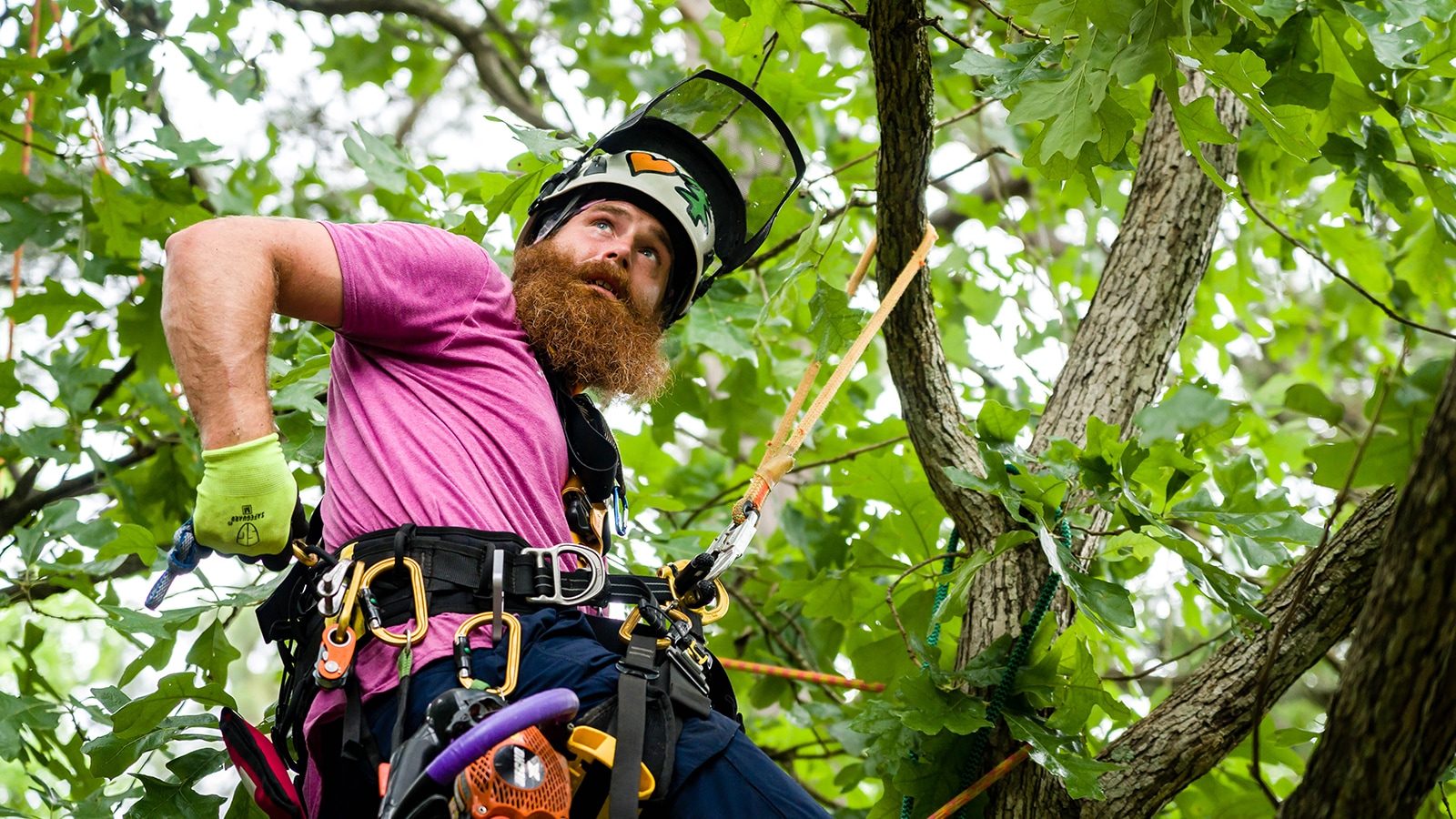
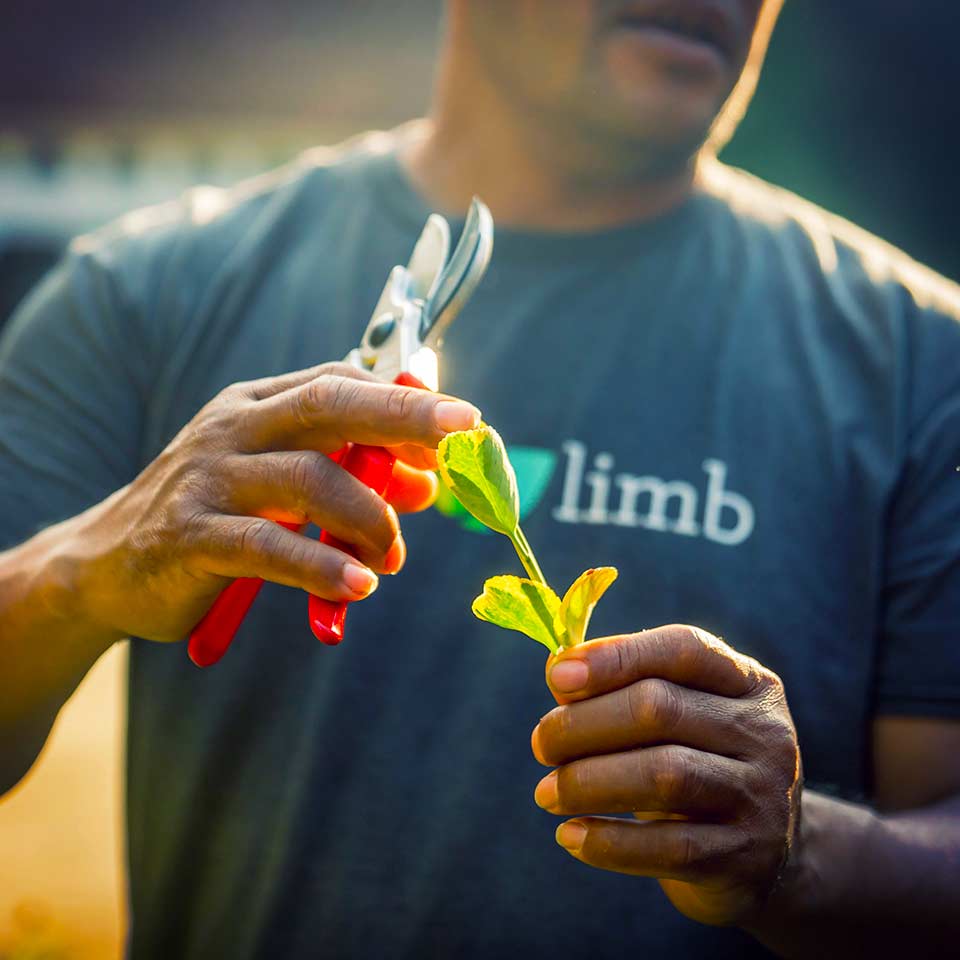
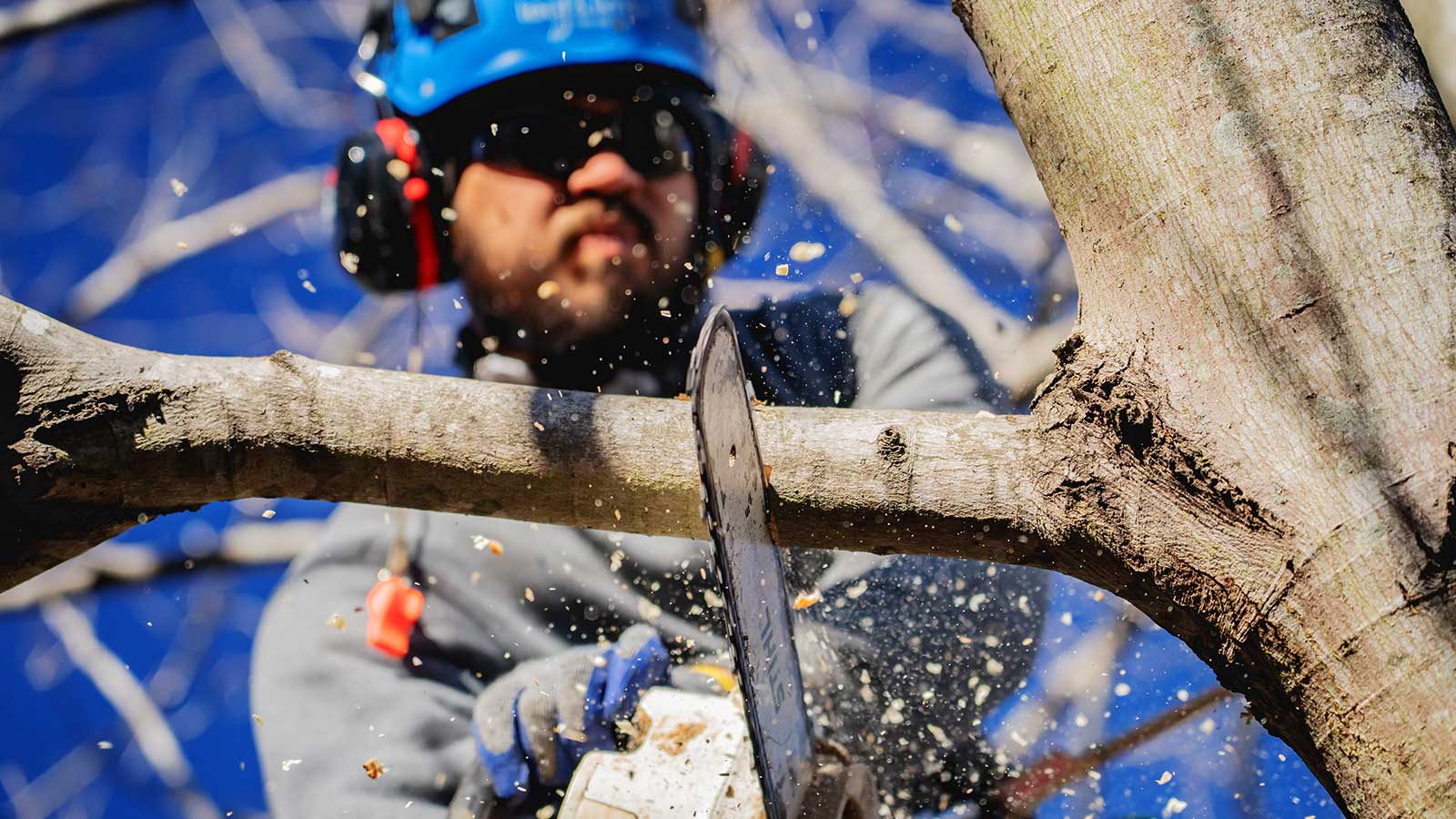
Hear that? That means it’s tree trimming time! Hi, I’m Archie, I’m an arborist, and today we are going to be talking about tree trimming!

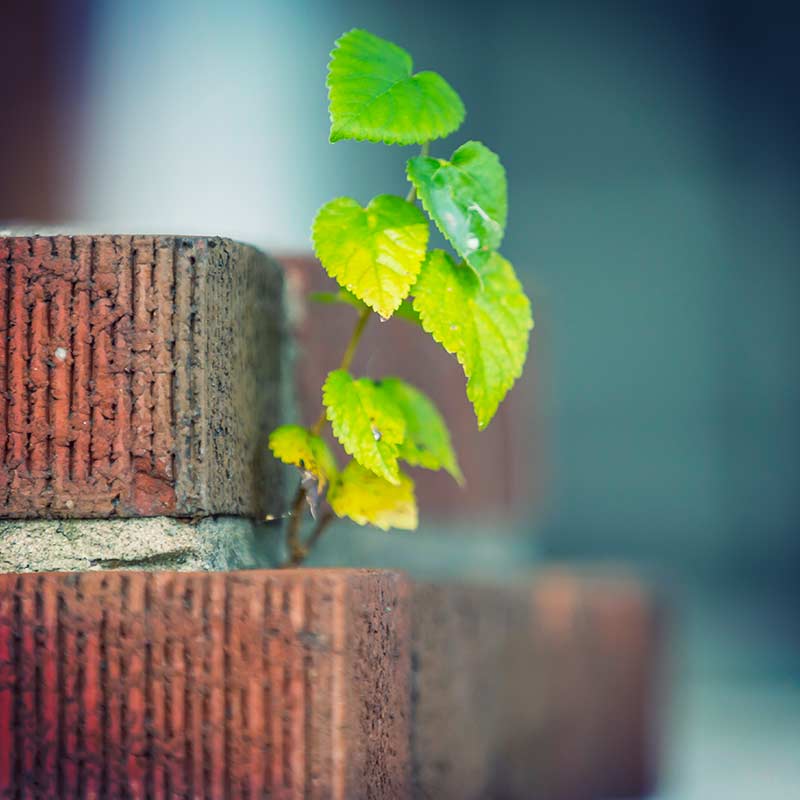
So why do we prune or trim trees anyway? Well, ideally we would be pruning for structure, to make it stronger, just like this guy right here. However, there are many cases where we are pruning trees so that we would better coexist with them.

Take this example. The tree branch is rubbing up against the roof, or another part of the house. This could damage to the house or the tree over time. And because it’s a lot harder to trim the house we go ahead, and we prune the tree.

Do we remove dead branches? Yes, of course, but only when they’re a threat. As a tree grows over time, it’ll reallocate its resources away from the lower branches or broken branches to leave those branches to fall away. To avoid any problems, it’s best to remove those branches, especially when they’re over a driveway, or a house, or anywhere that people may be. There’s a dead branch above me, isn’t there? … Perfect.

But what about those lower branches that always seem to be getting in the way? Well, of course we can remove them. And the sooner the better. The smaller the branches, the easier it is for the tree to recover. But we don’t want to prune so much off that your tree looks like a lollipop. This could weaken the tree and make it structurally less stable over time.

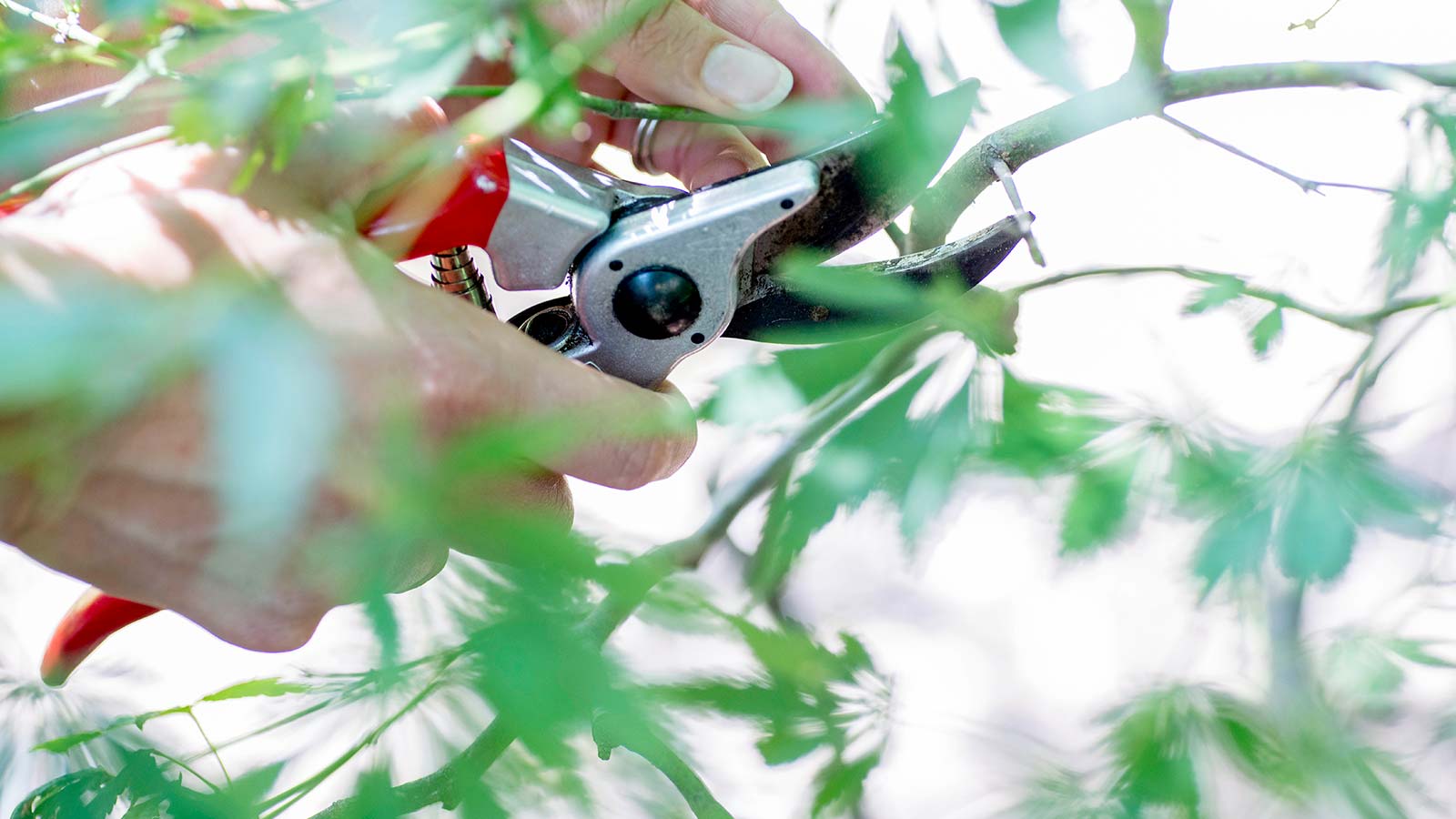
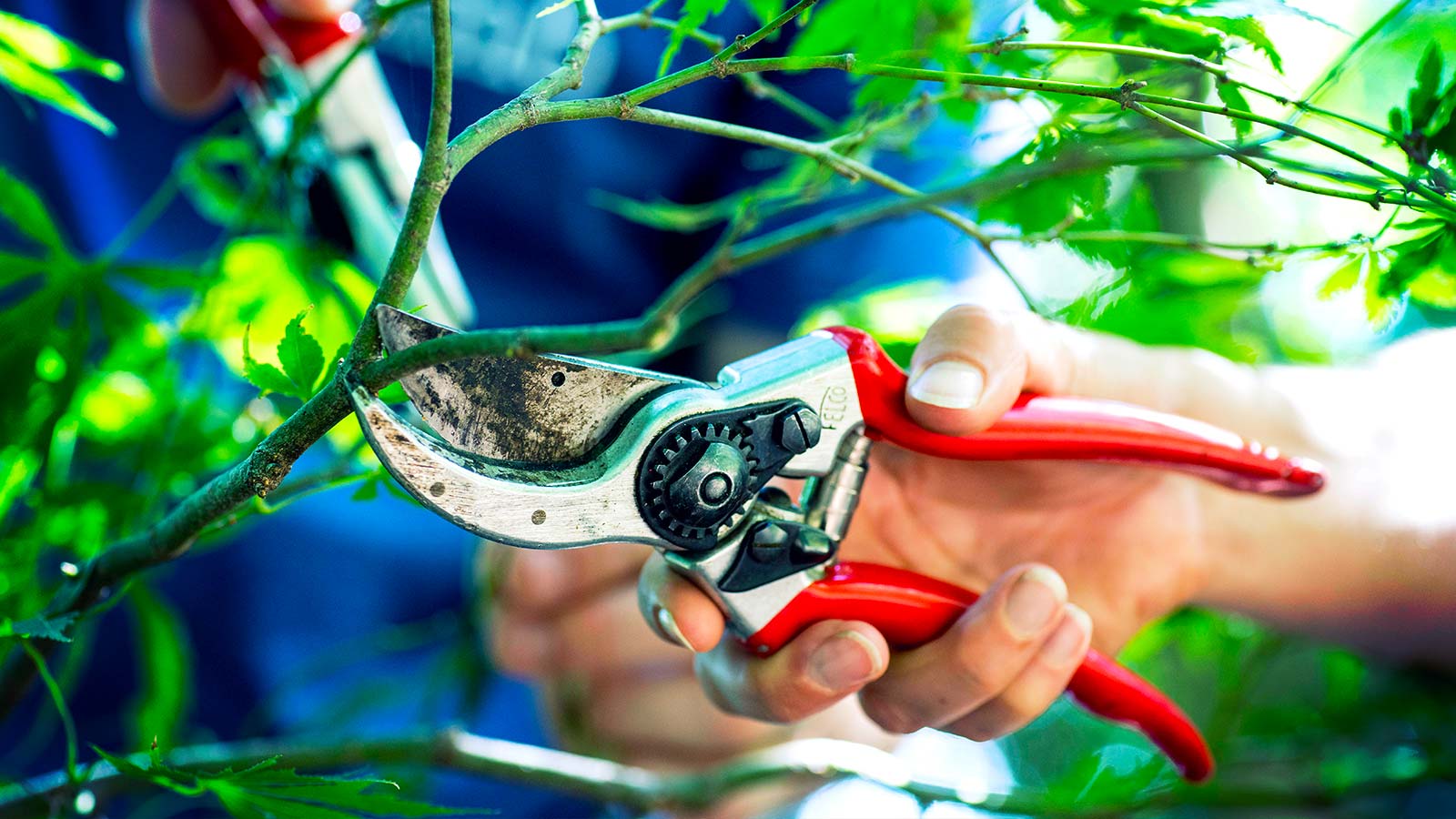
Proper trimming or pruning is essential to the health of your tree. Conversely, improper trimming and pruning can lead to a lot of problems. This may seem simple, but this requires surgical precision, in order to ensure the long-term health of your trees.
Frequently Asked Questions
Why should I prune or trim my trees?

To build strong structure, reduce hazards, and help people and trees coexist. Pruning can prevent roof rub, clear walkways/driveways, remove hazardous deadwood, and guide young trees so they’re safer and longer-lived.

What is structural pruning and why is it important?

Structural pruning shapes young trees to develop a single dominant leader and well-spaced limbs. Small, periodic cuts (every 2–3 years) create stronger trees that resist storms and need fewer major cuts later.

When should dead branches be removed?

Remove deadwood when it threatens people or property—over homes, driveways, play areas, or paths. In low-risk areas, dead branches can be left for wildlife habitat.

Is it okay to remove lower branches for clearance?

Yes—do it early and conservatively. Raise the crown gradually over years, keep plenty of live foliage, and avoid removing more than about 25% of the living crown at once to prevent a weak “lollipop” form.

What is “lollipopping” and why is it harmful?

“Lollipopping” is over-removing lower branches so foliage is only at the top. It weakens structure, increases wind risk, and can lead to sunscald and breakage.

How much can I safely prune at one time?

As little as needed. A common guideline is no more than ~25% of live foliage in a single session for young vigorous trees and much less for mature or stressed trees. Prioritize small cuts and spread work over multiple years.

When should I call a qualified arborist?

If branches are near power lines, the tree is large or over structures, there’s decay or storm damage, species-specific issues, permit/HOA rules, or you’re considering significant reduction. A qualified arborist can assess risk and prune with long-term health in mind.

Start your next project with us!

Get a free quote for tree and shrub care, compost tea, planting, pruning, Piedmont Prairies, Pocket Forests, and more!

Call Leaf & Limb Send an Intercom Message