We Are Safe At All Times: Our Approach to Tree-Climbing Safety
From training to inspections, our comprehensive approach ensures safe tree climbing.
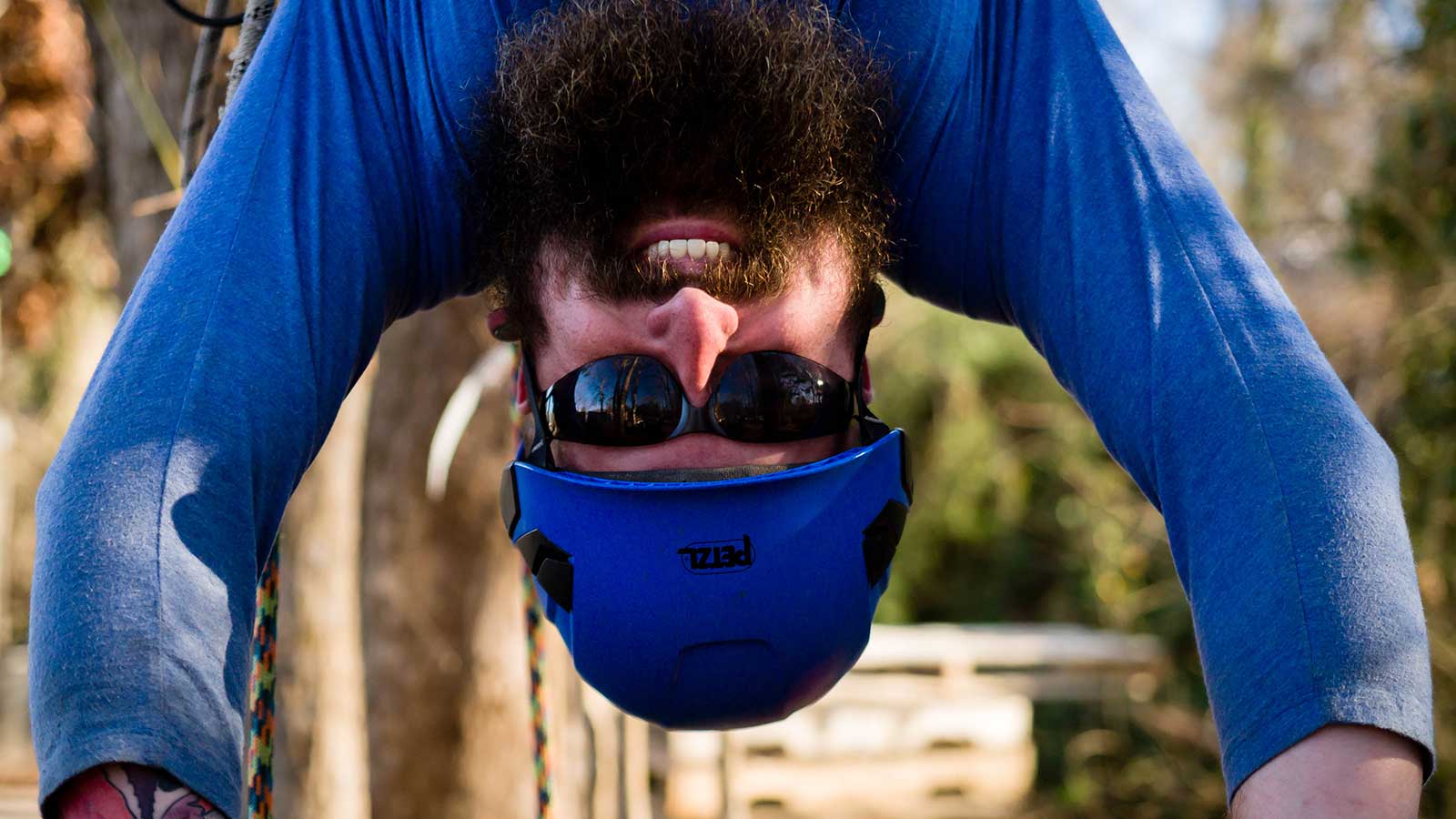
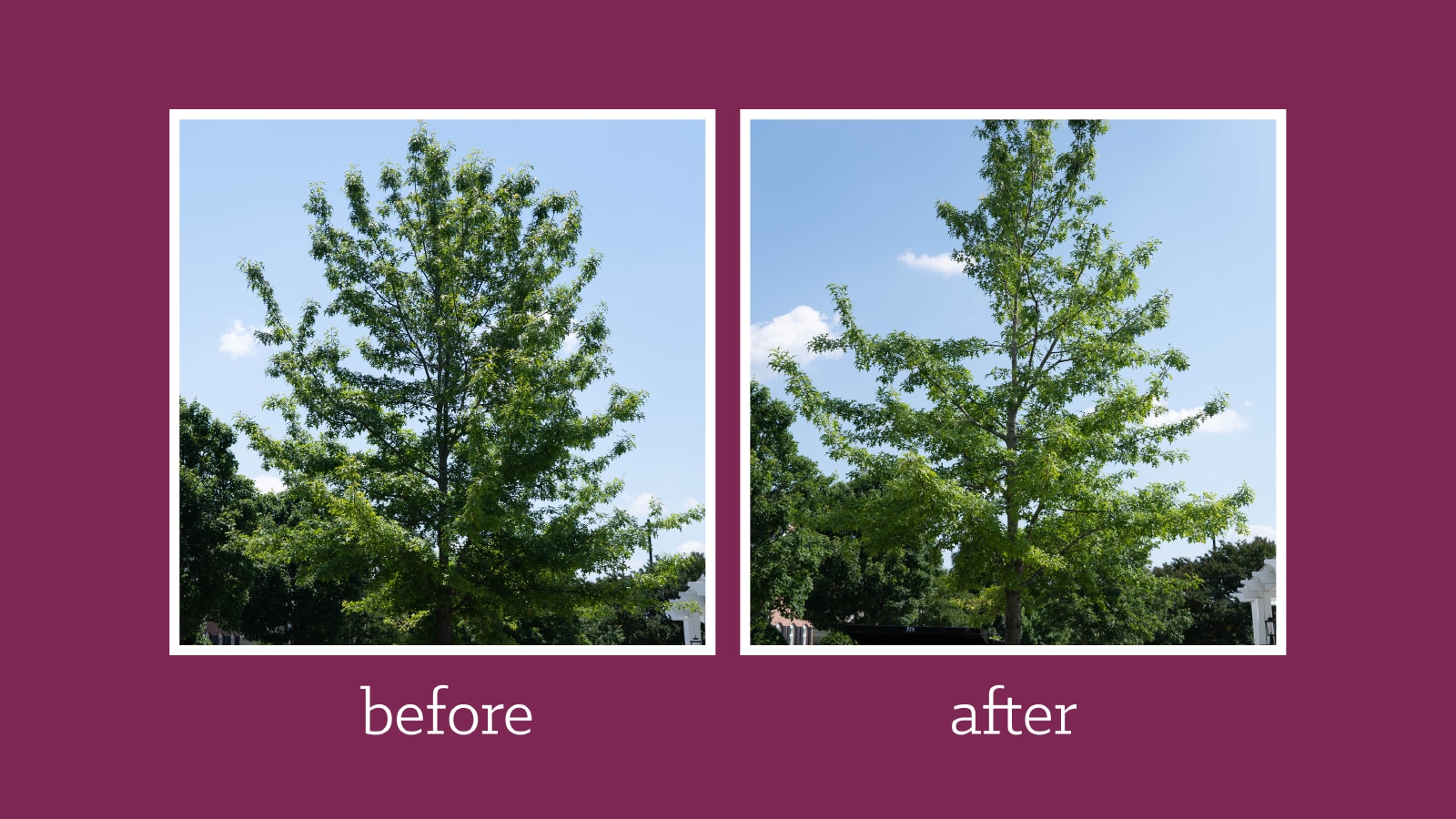
While some people climb trees for fun, Leaf & Limb Treecologists climb to help trees live a long and healthy life. Most of these trees need structural strengthening. This reduces the chance of the tree breaking. It also helps the tree fight off diseases that could damage or kill it. And sometimes, the only way to give a tree the care it needs is to climb it.
That’s because when we need to prune a tree, we are not always able to reach the branches with pole tools or aerial lifts. We might have to prune limbs that are 90 feet off the ground! When we come across projects like this, the only way to get it done is by putting on our special safety gear and climbing on up.
We are safe at all times.
One of Leaf & Limb's core values is that we are safe at all times, which means our team members go through intensive training before they ever climb a tree. This training progression spans three years and involves a long list of classroom and field learning initiatives and exercises.
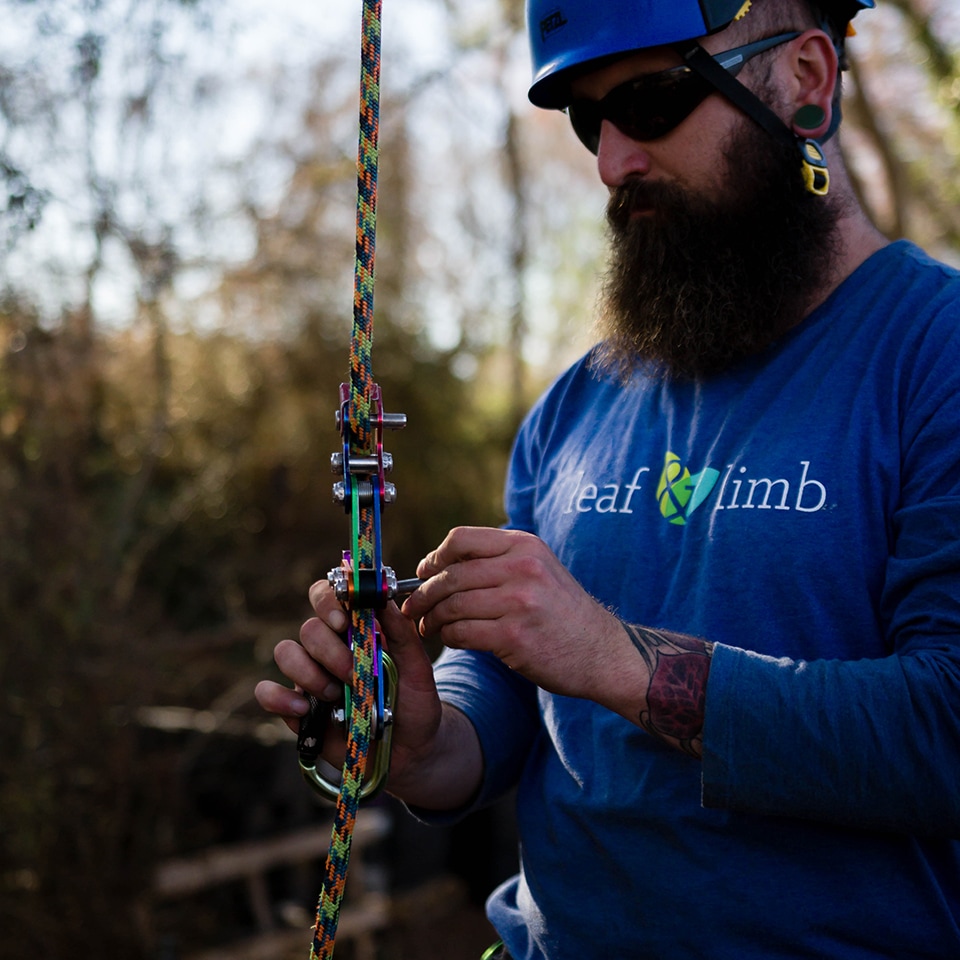
The first thing we do when we get to the tree is inspect it for safety, which includes looking for:
- protruding roots, fungus, and hollow cavities in the ground around the base
- cracks, splits, or missing bark on the trunk
- gaps in the canopy and dead branches
- power lines in the area
- and many other issues that could impact our ability to safely climb
Once the tree has passed the safety check, we secure the rope that will hold our weight and help us move around the tree. We attach our rope to something called a throw ball. We aim it at the branch we want to put our rope in and try our best to throw it over the first time. Did we mention that being a Treecologist requires good aim?
With the throw ball and rope over the branch, we can tie our rope around the branch and use more equipment to cinch it safely in place. The rope is attached to the saddle/harness that we wear, so we can test out our system from the ground by putting our whole weight on the rope to make sure it’s secure.
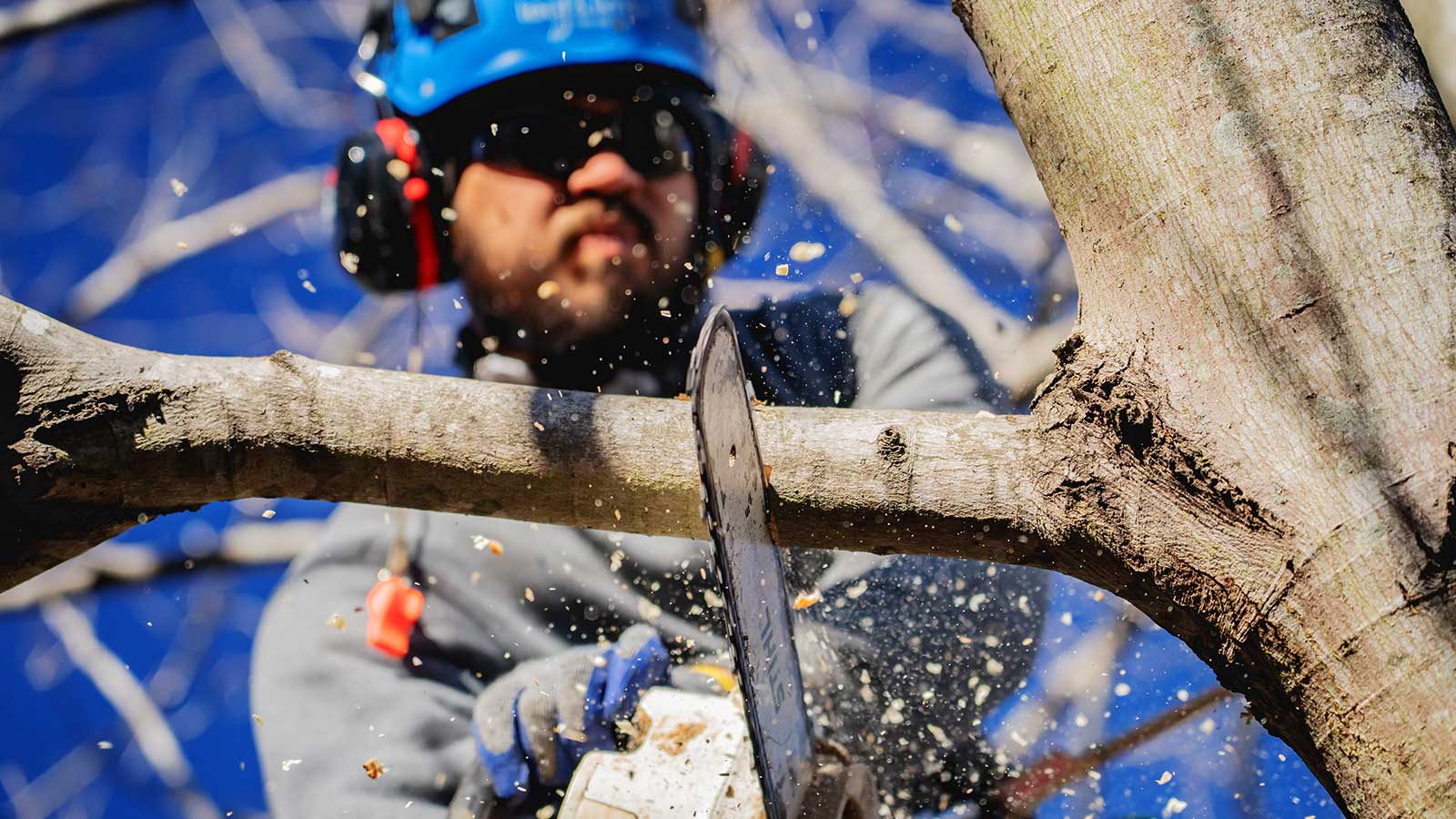
At this point, we must think about how to safely get our equipment up the tree. If we’re using a chainsaw, we can’t just hold it while we climb. So instead, we tie it to the bottom of our climbing rope. Then, once we’re at the right spot in the tree, we can just pull it up.
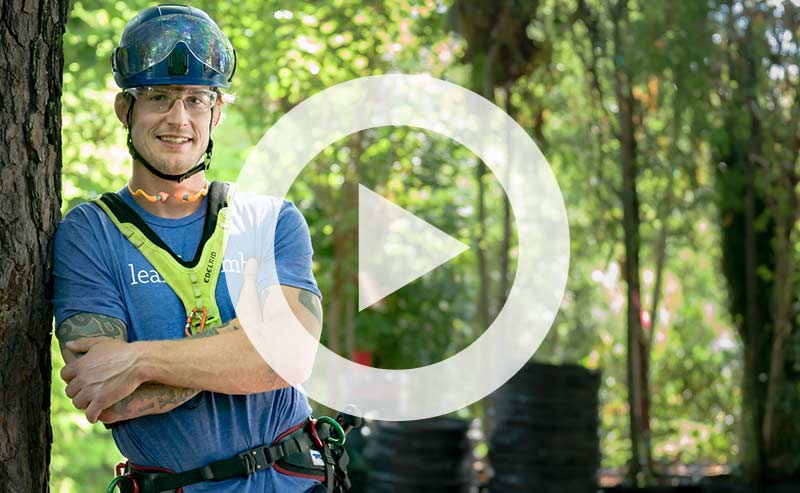
We then take a mechanical device and attach it to the harness to help us easily and efficiently go up and down the tree and get into the proper position. And because we don’t want to harm the tree, we never use climbing spikes. That’s because spikes dig into the bark and create little wound holes in the living tissue below, called the cambium. Once the cambium has been damaged, the tree is more susceptible to disease and pests. So, instead of spikes, we use ropes, rigging rings, and ascenders to help us climb in a way that keeps the tree healthy.
Now we’re finally ready to climb. Once we get into position, we might be in the tree for 15 minutes for a simpler job on a small Maple, or 8 hours for a larger tree like a White Oak. Luckily, we can always count on our teammates to send up water and snacks! But no matter how long the job takes, we are committed to making it a safe experience for our team and achieving a healthy outcome for the trees.
Disclaimer: This is a fun and informative article that gives a high-level overview about what it takes to climb a tree. Learning this skill takes intensive training and involves significant risk. Please do not try this at home.