Compost Fertilizer vs. Chemical Fertilizer: What Your Soil Actually Needs
The case for skipping the bag and feeding your soil the way Nature does.
In an effort to be good property stewards, many homeowners load up on bags of fertilizer each year to make sure their plants are well fed. Some go even further, getting soil and pH tests and buying a cornucopia of products to try to get the perfect blend that will make their lawns and other plants happy. While NPK fertilizers (traditional chemical fertilizers) will green up your lawn in a hurry, the rest of the story isn't so good.
The soil nutrient problem mostly isn't a chemical problem – it's a biology problem (with some physics in there, too). In this article, we will make the case that these bags of NPK, well-intentioned though they are, are far inferior to what the earth supplies naturally as compost. Compost IS fertilizer, and for many reasons we will discuss, it is the only fertilizer your trees and other plants, including your lawn, probably need.
The biology problem
The problem with most sub/urban soils isn't nutrient scarcity. There's enough in even degraded soil to support native plants adapted to their region, and indeed, even most of the plants we can buy at nurseries. The issue is that these essential nutrients are often not in a form available to plant roots.
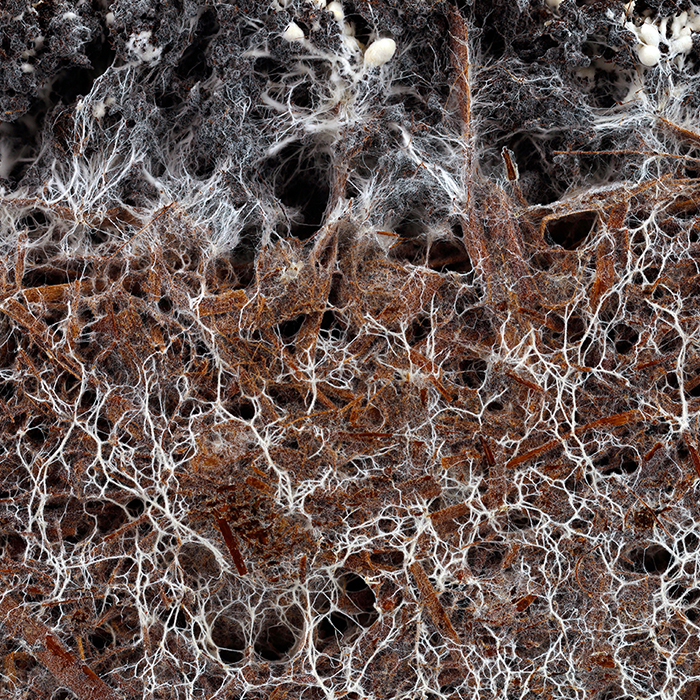
It is the living world that thrives in healthy soil that makes many nutrients available to plant roots. You might have heard of the symbiotic relationship between mycorrhizal fungi and tree roots – allowing trees to access nutrients much more efficiently than with roots alone. That's just one example, but an important one.
The evolutionary partnership between roots and myriad fungi, bacteria, and other tiny organisms has been honed over the ages to build good soil, which supports everything living in it and emerging from it. Our trees live halfway in that world.
Compost is central to sustaining these relationships, and our degraded sub/urban soils lack the organic matter that healthy soils need. Feeding the soil feeds the plants.
What is compost anyway?
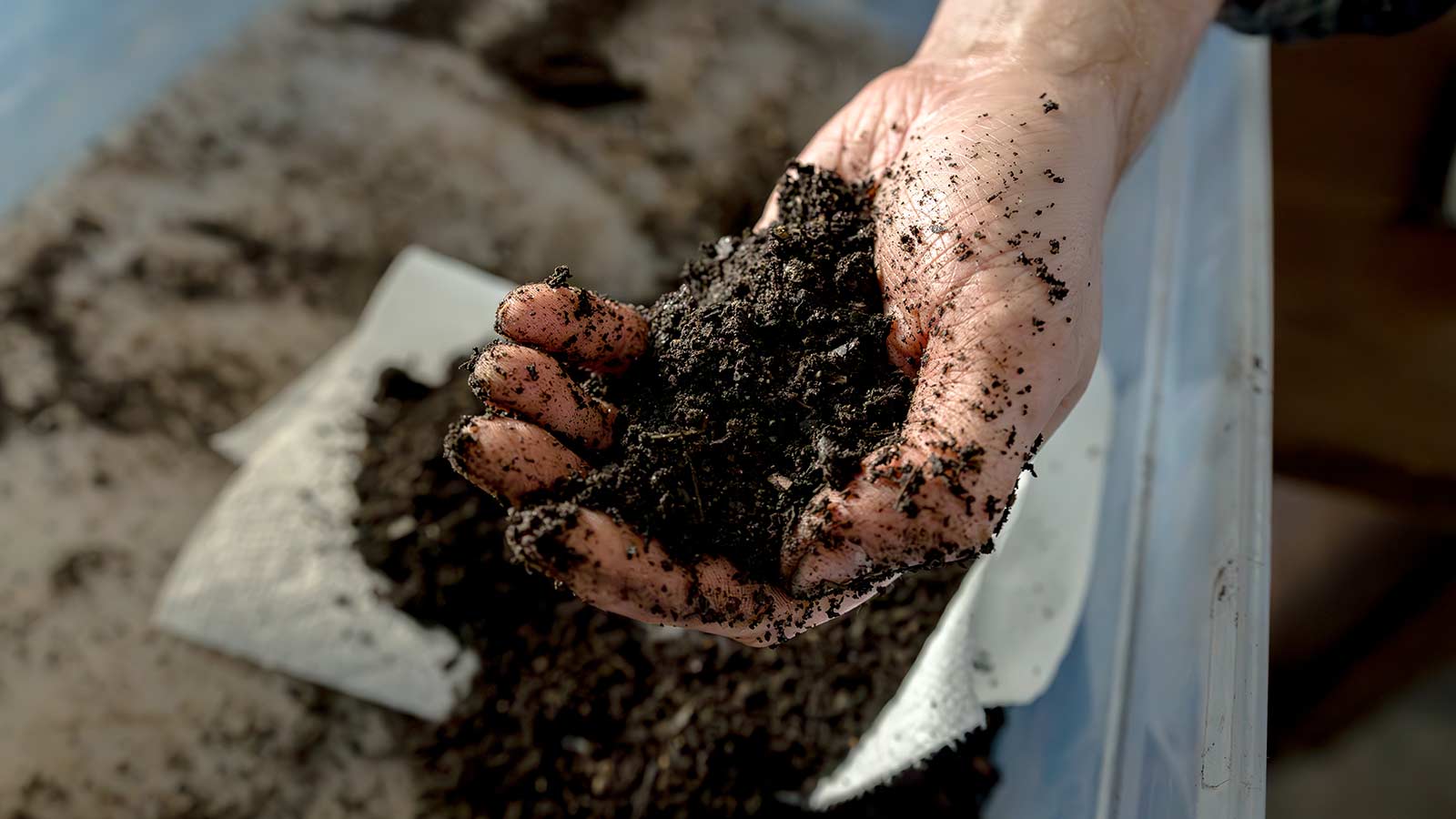
Compost is just rotted organic matter, including decomposed leaves and other plant parts. It can include any decaying organic matter. In Nature, fallen leaves are a major source of future compost for trees and other plants in the forest. In meadows, the dried remains of grasses and other plant stalks decompose and are returned to the soil as compost. Also, notice that leaves and thatch start as a mulch, which eventually becomes compost.
You can also make or buy compost and then apply it wherever you want. Compost can be made from kitchen vegetable waste, plant remains, grass clippings, and leaves you've collected. Any vegetable matter that's no longer growing can be piled up and left to natural processes. Here's the main menu for healthy living (if you're a plant!):
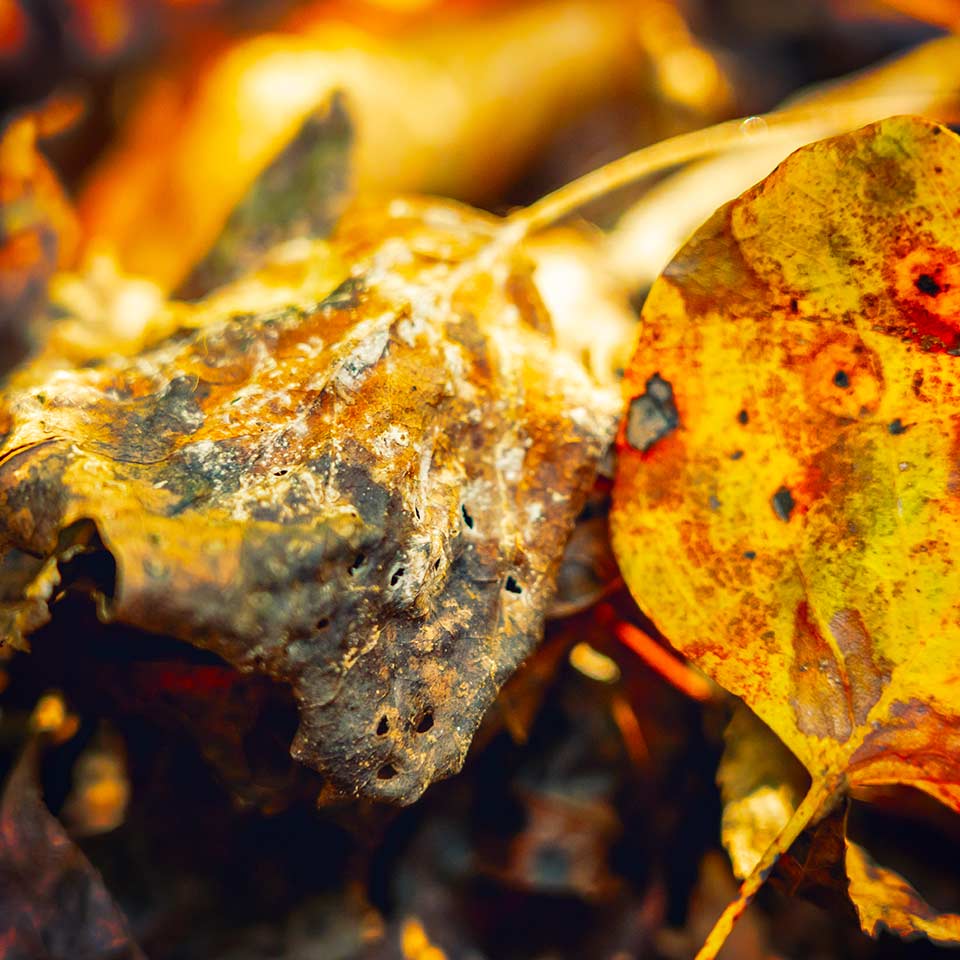
Leaf Mold
Leaf mold is compost made primarily from fallen leaves. Leaves slowly break down through interactions with fungi into a dark, crumbly material that is excellent at holding moisture and improving soil texture. Forest soils are built largely from fallen leaves, making leaf mold one of the closest ways to recreate a woodland floor in the garden.
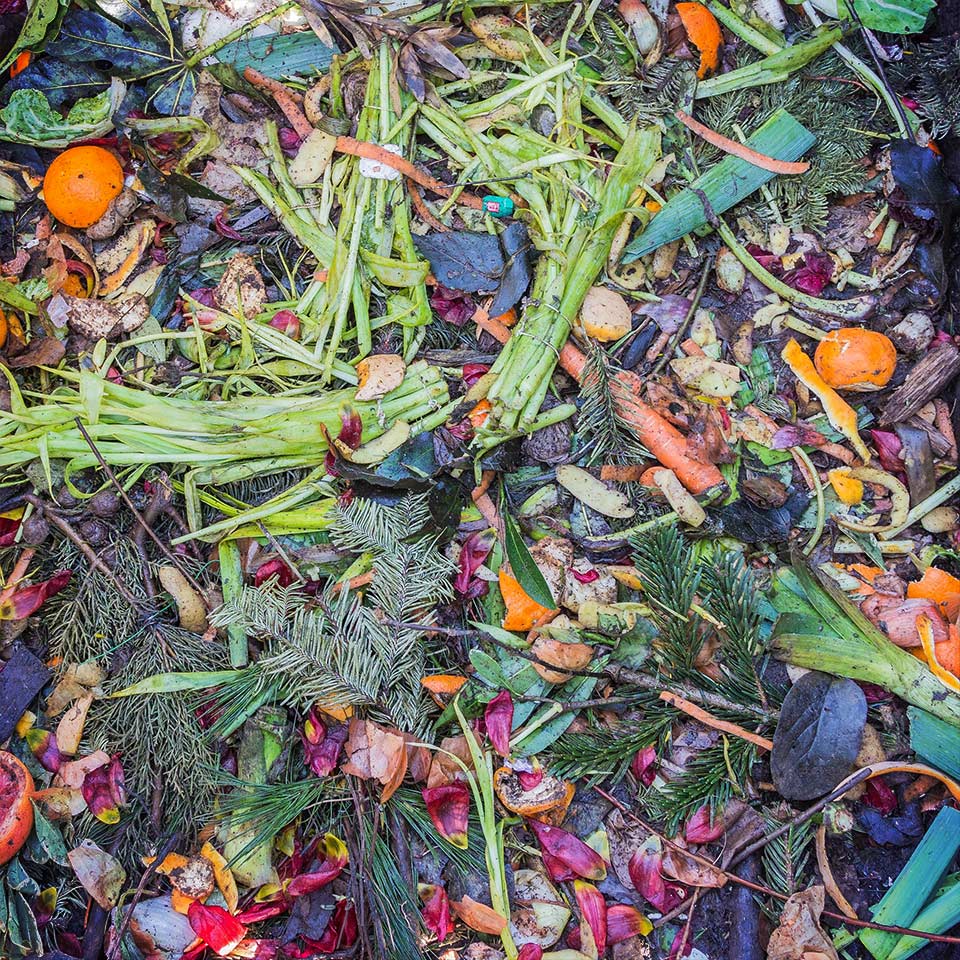
Finished Garden Compost
Finished garden compost is what most people picture when they hear the word compost: a fully decomposed blend of leaves, grass clippings, plant debris, and other organic matter. Good compost should look and smell earthy, with few recognizable ingredients remaining. It provides a broad range of nutrients while also supporting beneficial microbes, worms, and fungi in the soil. You can make it or buy it. You can also purchase compost from manure or spent mushroom-growing substrate.
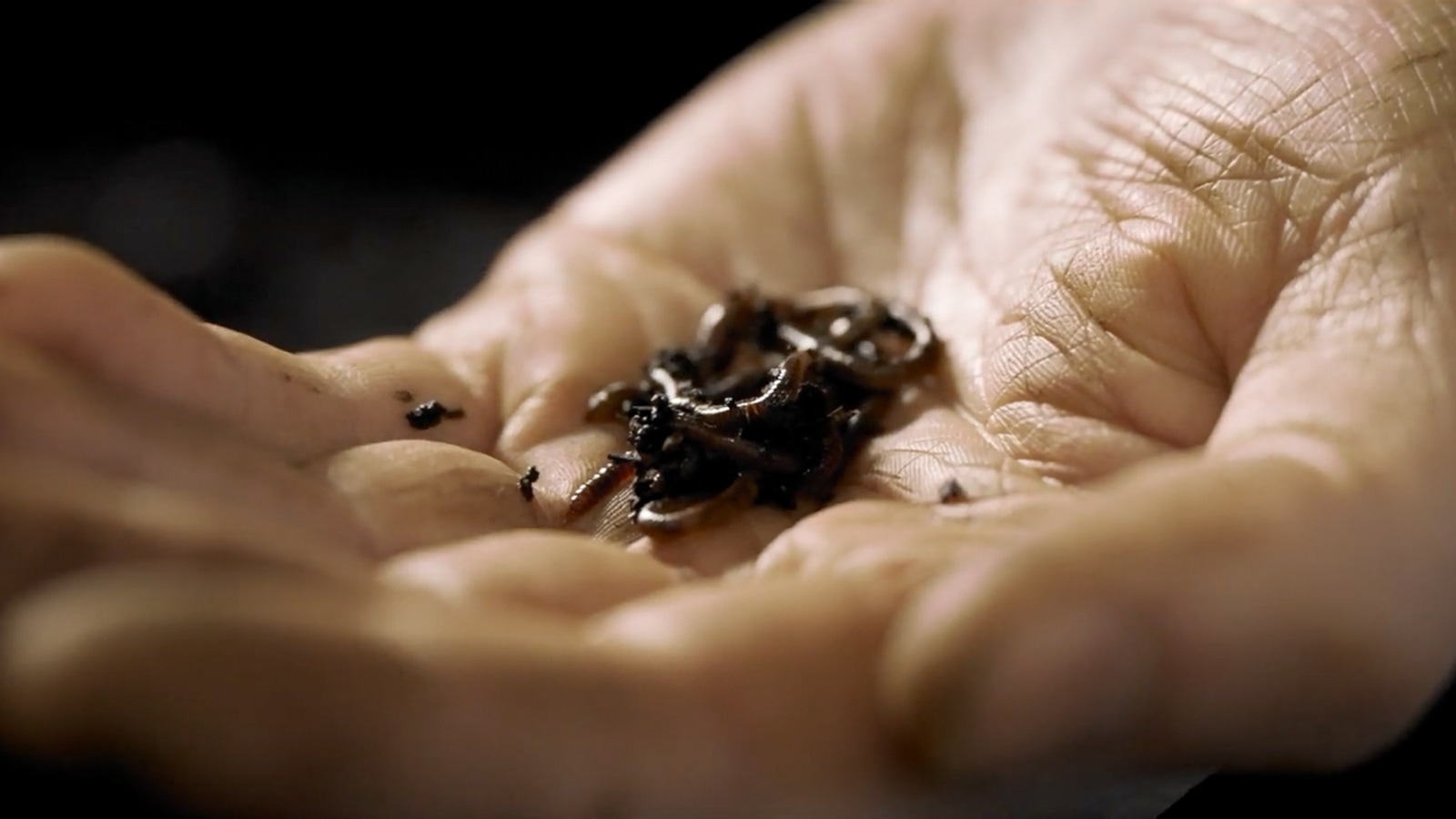
Vermicompost
Vermicompost, or worm compost, is produced when worms digest food scraps and organic matter into nutrient-rich castings. Though usually made in smaller quantities, vermicompost is especially valued for its high biological activity. Small amounts go far.
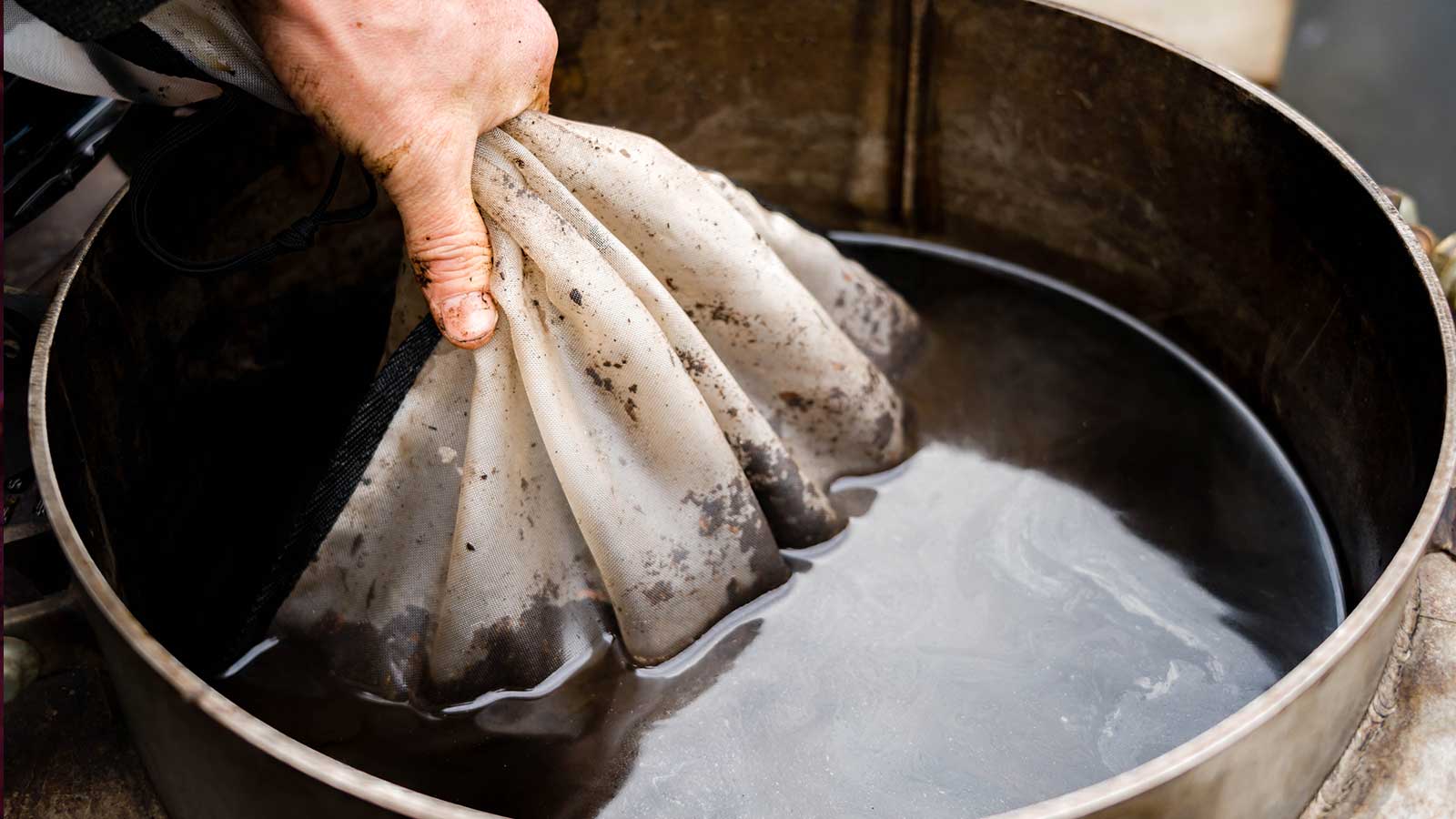
Liquid Compost Fertilizer
Liquid compost fertilizer (often called "compost tea") is made by soaking finished compost and vermicompost in non-chlorinated water. You can use it as a soil drench or inject it below the surface.
Healthy living
A typical yard has areas with trees, garden beds, and lawns (wild or tamed!). How could you use compost (and only compost) in each of these areas to feed the soil and create the kind of environment where healthy roots and plants thrive?
You can manage your entire yard by following Nature's lead, leaving leaves, plant remains, and lawn clippings on the soil to decompose into compost on their own. This is the easiest way to improve your soil and provide your plants with nutrients.
Under Tree Canopies
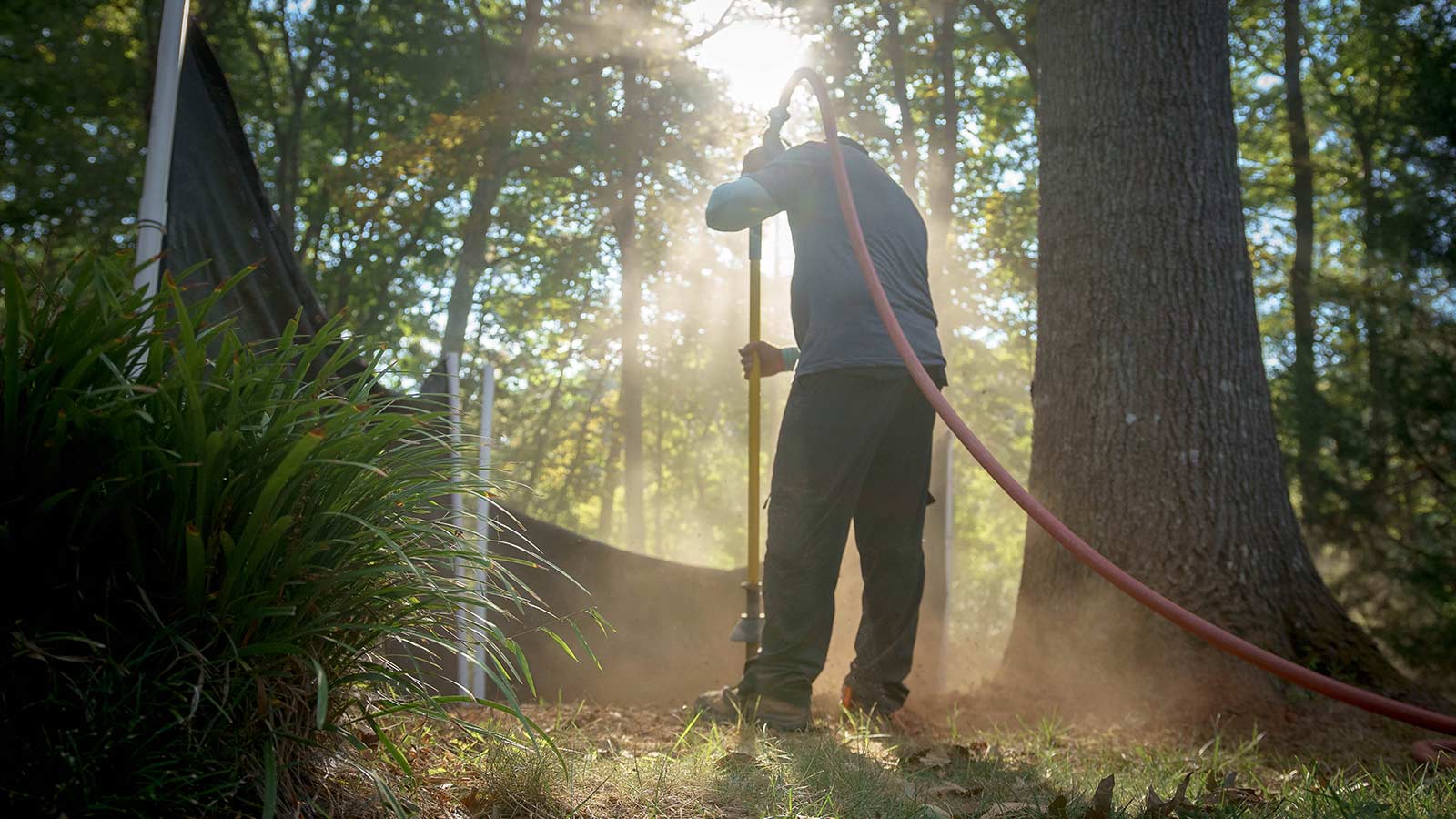
This approach is particularly well suited to establishing good soil under tree canopies, where undisturbed leaves turn into leaf mold and benefit the fungal life that is so important for tree roots. You can use leaf mold or finished garden compost anywhere. You can dig it in, or have it professionally mixed in with an air spade if you are improving nutrient-poor, compacted soil beneath trees or elsewhere. If your soil is good, you don't even have to dig it in – just tossing on a thin layer every year will keep it that way.
Turf Grass
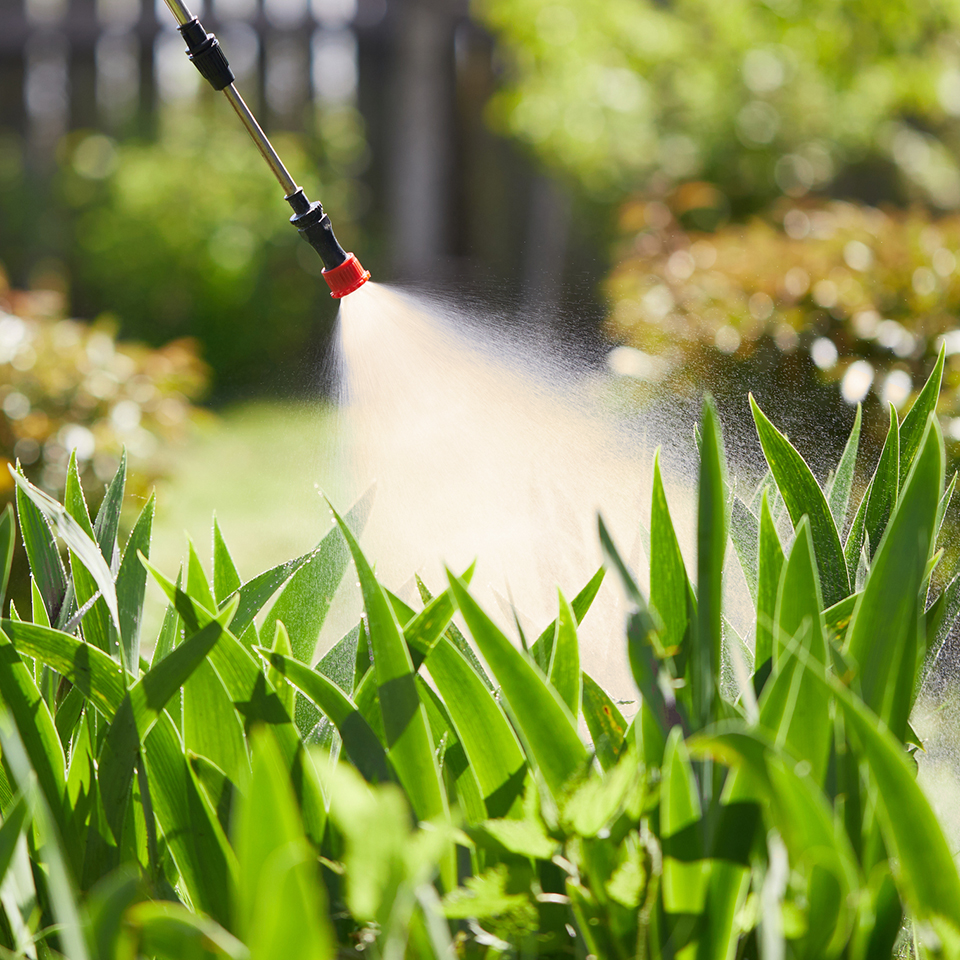
The soil beneath turf grass, which is often notoriously poor, can be revitalized with a drenching of liquid compost fertilizer ("compost tea"). This brew is also great as a drench or when injected into the ground to deliver organics to tree roots growing in turf grass and other places where it's hard to access the soil.
Besides providing nutrients, healthy soil teeming with microbes and larger organisms such as worms and ants loosens the soil and helps prevent compaction, another serious problem in sub/urban soils. This allows air in, which roots need, and makes the soil more like a sponge that catches and holds rainwater. The increasingly common weather pattern of drought interspersed with storm deluges makes healthy soil that can hold water increasingly important. This is the "physics" part of the problem we alluded to at the beginning.
These are the healthy choices for trees and other plants. They don't need NPK, just as we don't need 3 corn dogs for dinner.
What happens when you use a traditional NPK fertilizer instead, or in addition to compost?
NPK fertilizers will green up lawns in a hurry, but they're like junk food for plants, not a healthy diet. Just as we can get away with corn dogs for dinner, you can dose your plants and they will respond, but all the while, the soil is being degraded in three ways.
Harm to natural nutrient systems: Here's the example we promised earlier about the relationship between microbes and nutrients. Forest trees get much of the phosphorus they need through a "fair trade" agreement with mycorrhizal fungi. The fungi provide phosphorus, and the tree pays by providing the fungi with carbon. Phosphorus in NPK fertilizers can directly harm the relationship between a tree's roots and mycorrhizal fungi. If the soil is loaded with phosphorus, the tree stops partnering with the fungus because it seems like a free ride, rather than having to provide carbon payments to the fungal partner, and the fungal partner withers away.
Also, like getting hooked on junk food, there are other related dangers; excess nitrogen and phosphorus in the soil can promote pathogenic fungi while suppressing mutualistic fungi, so you're not just weakening a beneficial relationship; you may be tipping the balance toward harmful fungal communities. So, your trees are not getting a "good deal" by dosing them with phosphorus.
Trees can survive without healthy populations of the mycorrhizal fungi they evolved to partner with, but they don't thrive. It's one reason urban trees have short lives compared to forest trees – often living just 10 or 20 years, while a forest tree of the same species could live to be a hundred or more.
Soil salinity: NPK fertilizers are made from various salts. Salts can eventually build up in soil, making it more saline than it should be to support healthy plant life.
Runoff and pollution: Because sub/urban soils are often compacted, much of the rainwater fails to penetrate the soil where it can be used by roots, and the rain will wash much of the NPK fertilizer into the stormwater system, wasting your money and, even worse, polluting waterways.
The takeaway
Compost has none of the problems associated with NPK fertilizers. It is more than just a fertilizer; it is a soil builder. It builds the soil's microbial life, which can sustain itself as long as it receives regular inputs of compost, either naturally or through deliberate application in solid or liquid form. Microbial life within compost partners with roots, enhancing the whole system in ways synthetics can't. We like to say there's no such thing as a "magic bullet," but in the case of compost, it darn near is.