Why is Tree Care Important? Outside of the Forest, Trees Face Unique Challenges.
Trees in our backyards and urban environments need extra care and attention.
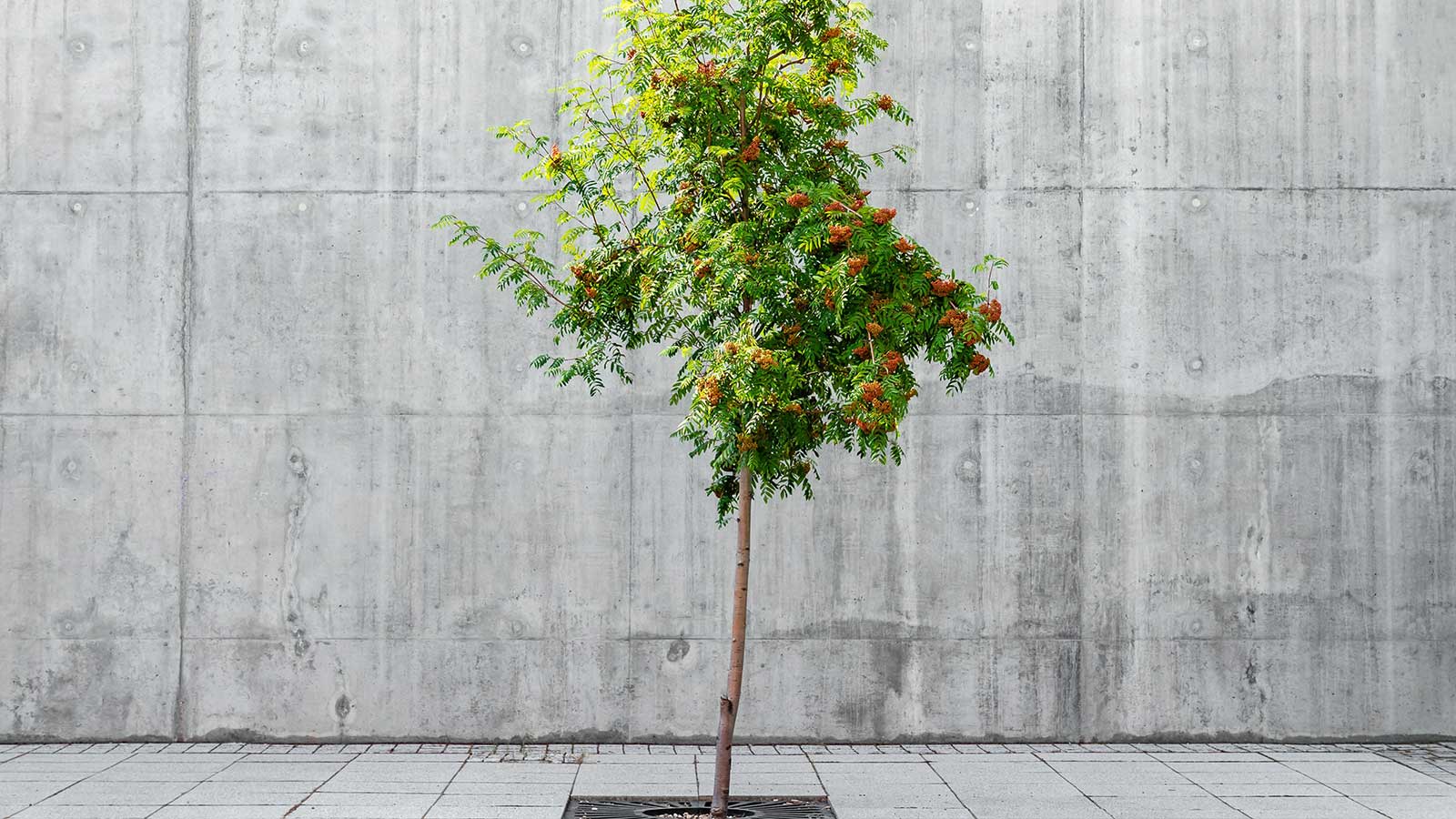
Just like people, trees experience life surrounded by nature very differently than living in towns and cities.
Construction, traffic and craving a yard your neighbors envy can make it more challenging for trees to thrive in urban environments. Which is why it’s important to lessen the stress on trees in our yards, neighborhoods, and communities.
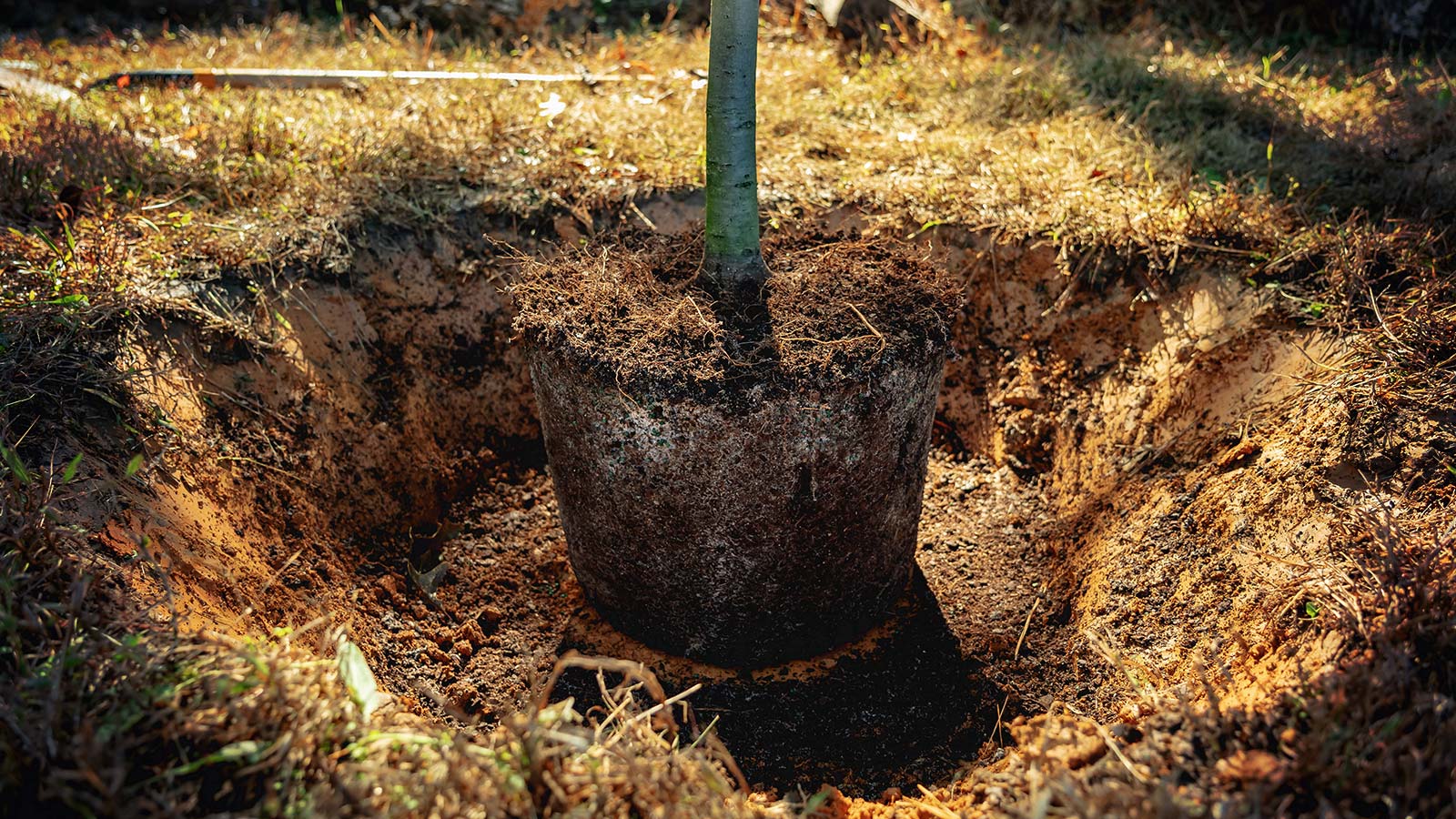
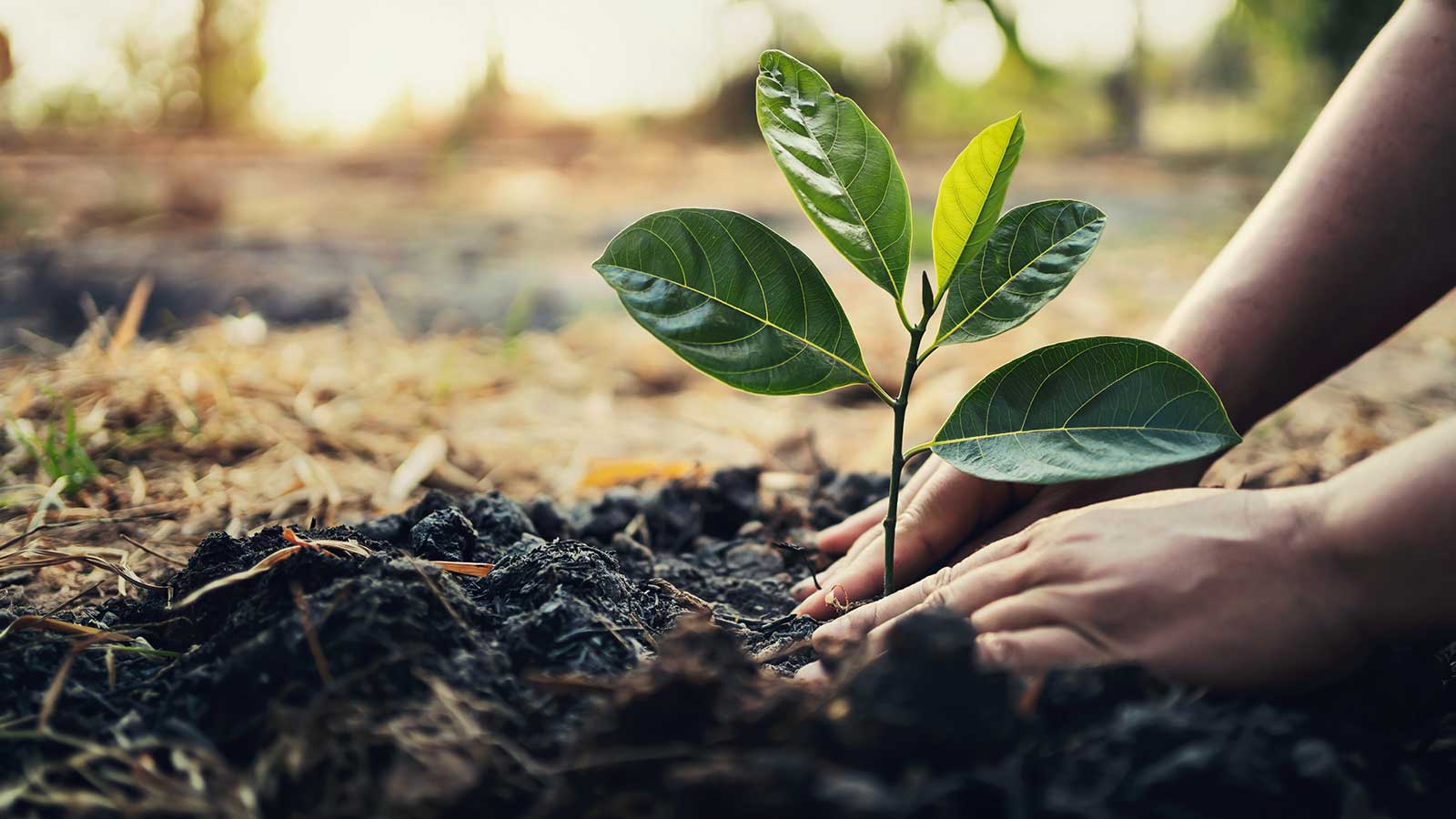
Rooted in dirt, not soil
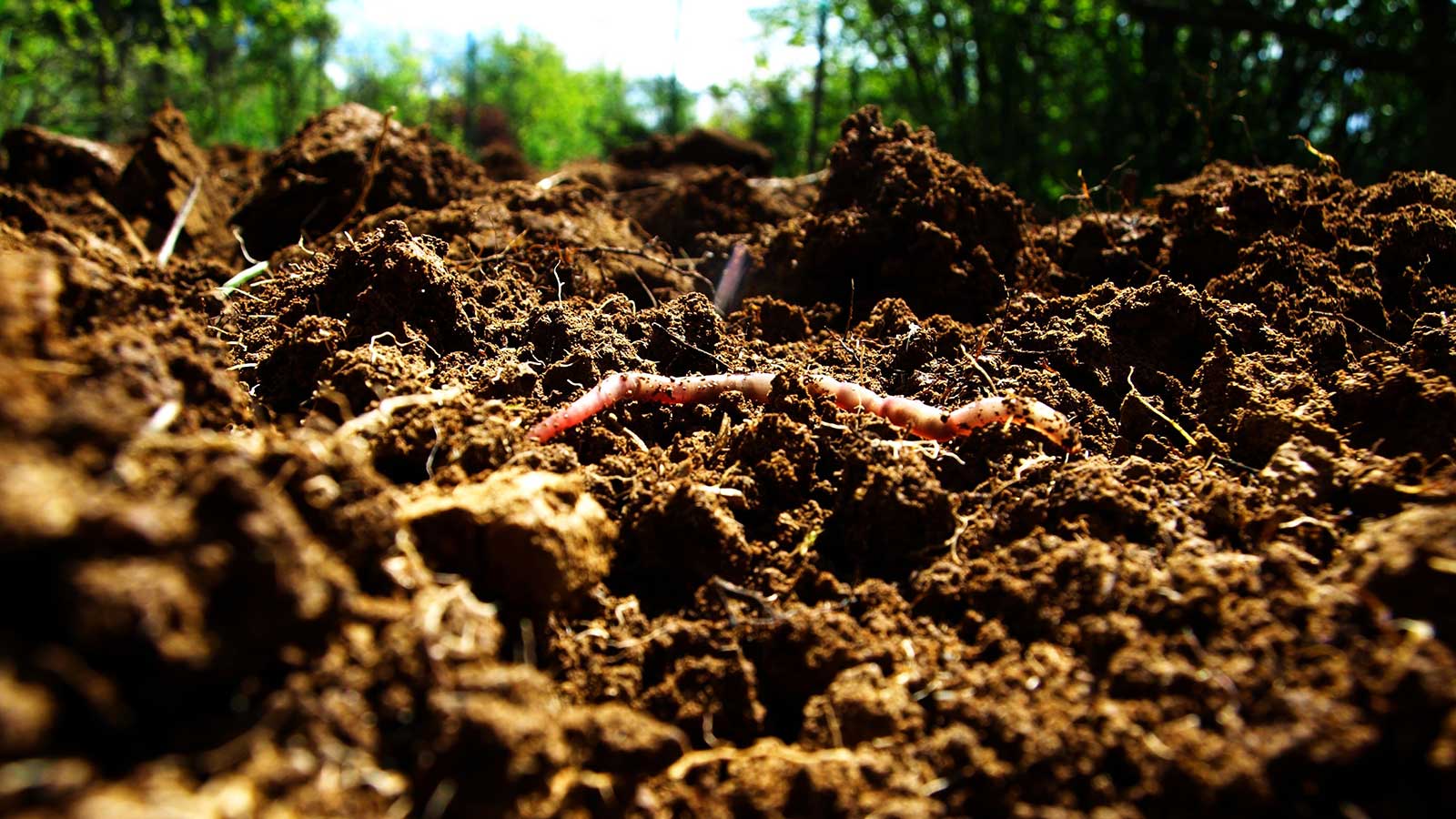
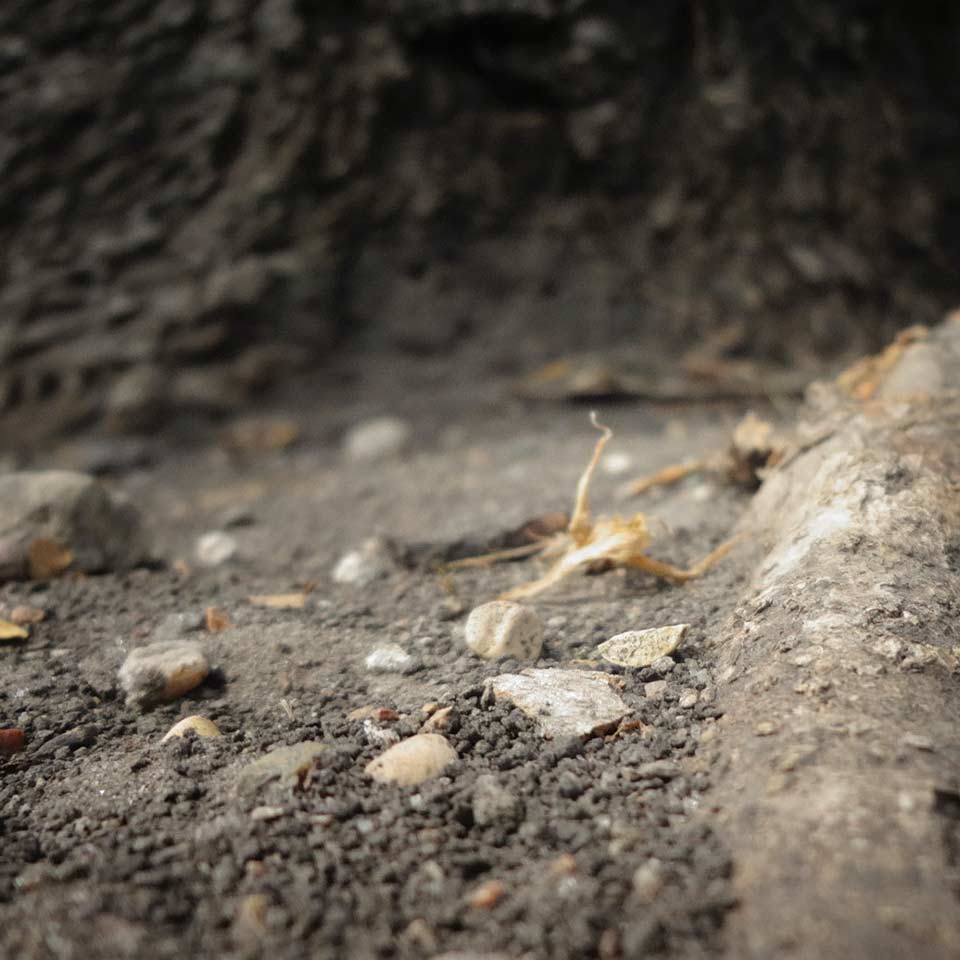
In the forest, soil is alive with nematodes, earthworms, and bacteria that help make the soil healthy. However, urban ground is often stripped of healthy topsoil, so you’re left with dry, compacted dirt. Dirt does not have enough organic matter or air for all those organisms to thrive.
The key to bringing urban ground back to life is adding rotting stuff like compost or wood chips around your trees. But beware of the mulch volcano!
Lack of tree community
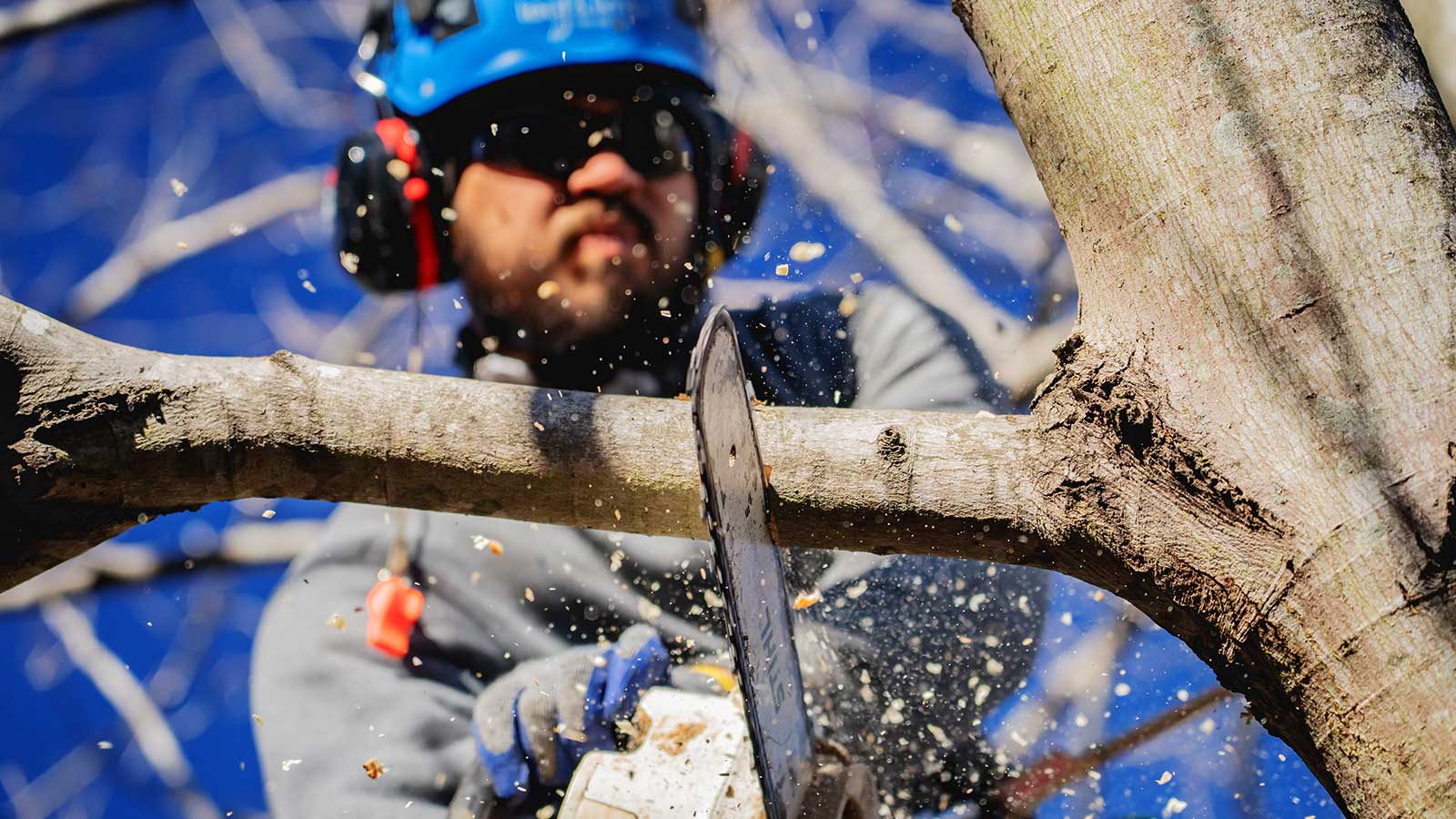
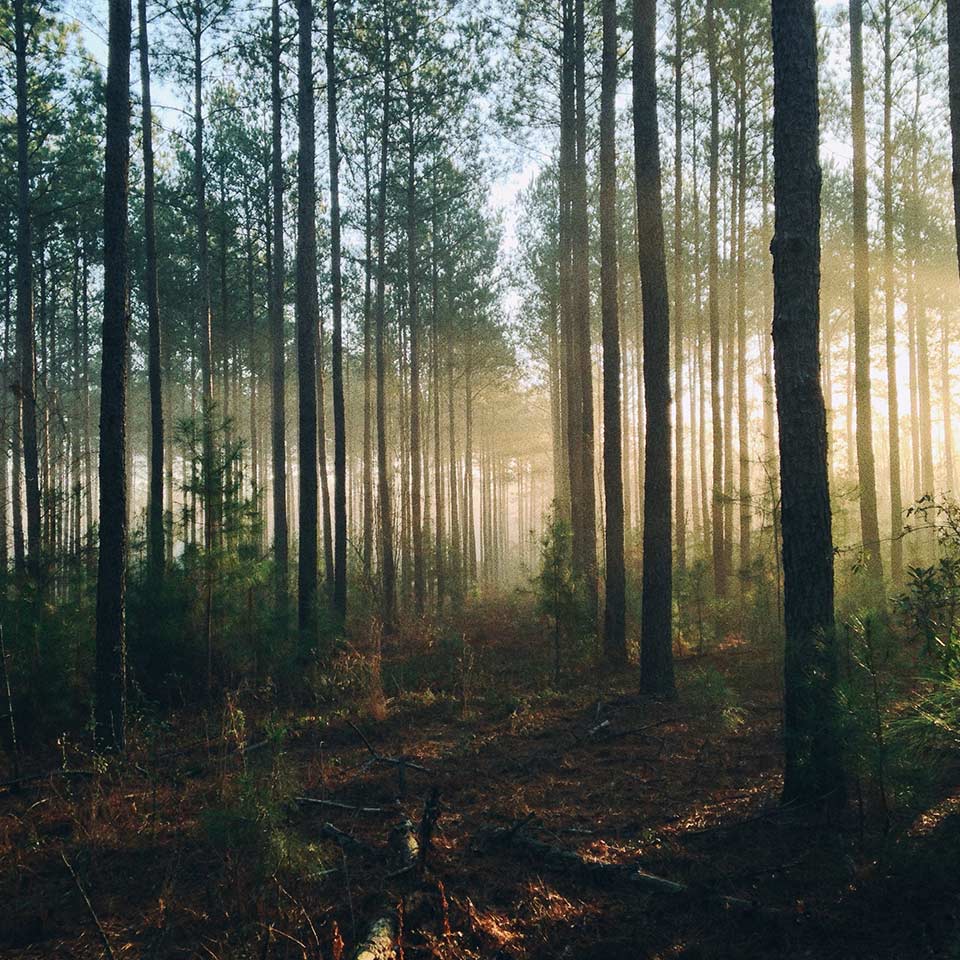
When among other trees in the forest, a tree has to compete for space. The bigger the forest, the fiercer the competition. This forces trees to grow tall and straight with well-spaced branches. In our yards we space trees out for that amazing curbside appeal. However, those perfectly designed arrangements give trees a lot of room to grow, and without any competition they’ll take up as much space as they can. This causes trees to overgrow and break easily. To thrive in an urban environment, trees need structure and strength, which starts with pruning from a young age.
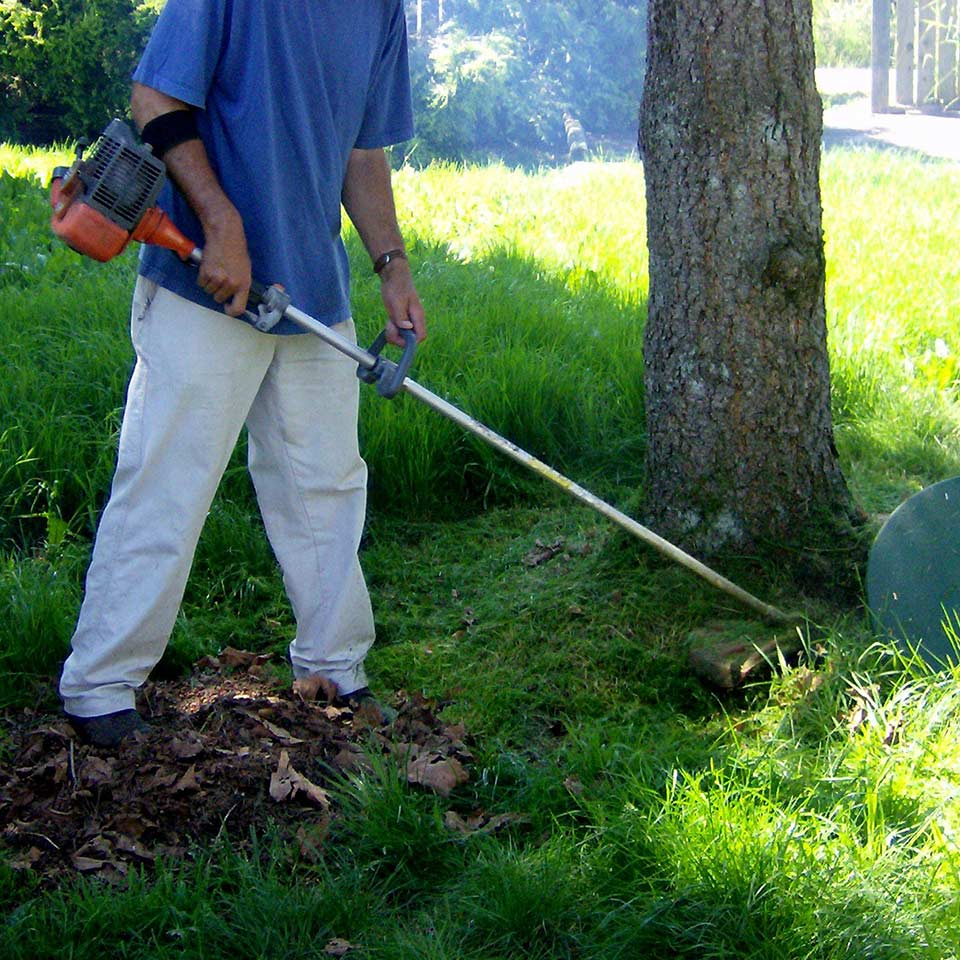
Landscaping stress and damage
We all want a beautiful neighborhood and community. However, that picture-perfect look often comes with a lot of landscaping stress. Soil is compacted by repeatedly driving or walking over a tree’s root zone, trunks are damaged by string trimmers, and roots become malnourished from chemicals fertilizers. Just as people need to unplug every once in a while, trees need to detox too. Nutrient-filled compost or wood chips provide a buffer for landscapers and are a lovely contrast to your yard’s greenery.
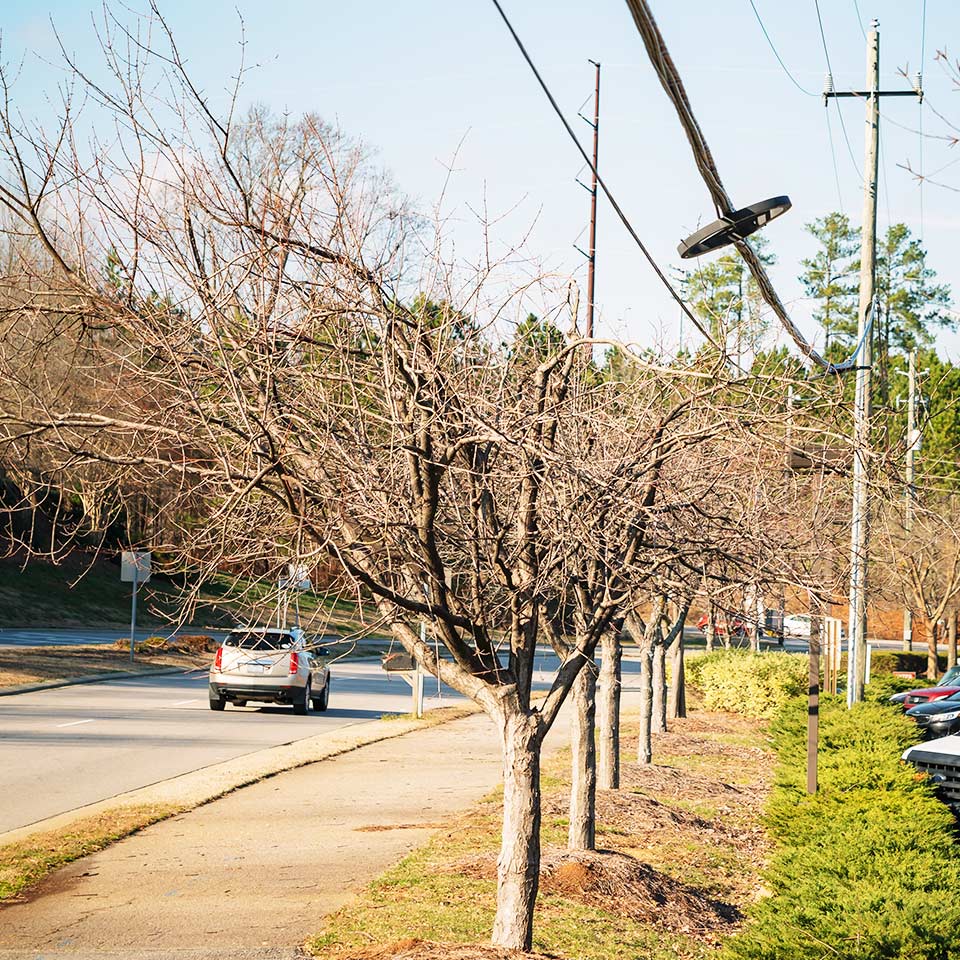
Not enough room to grow
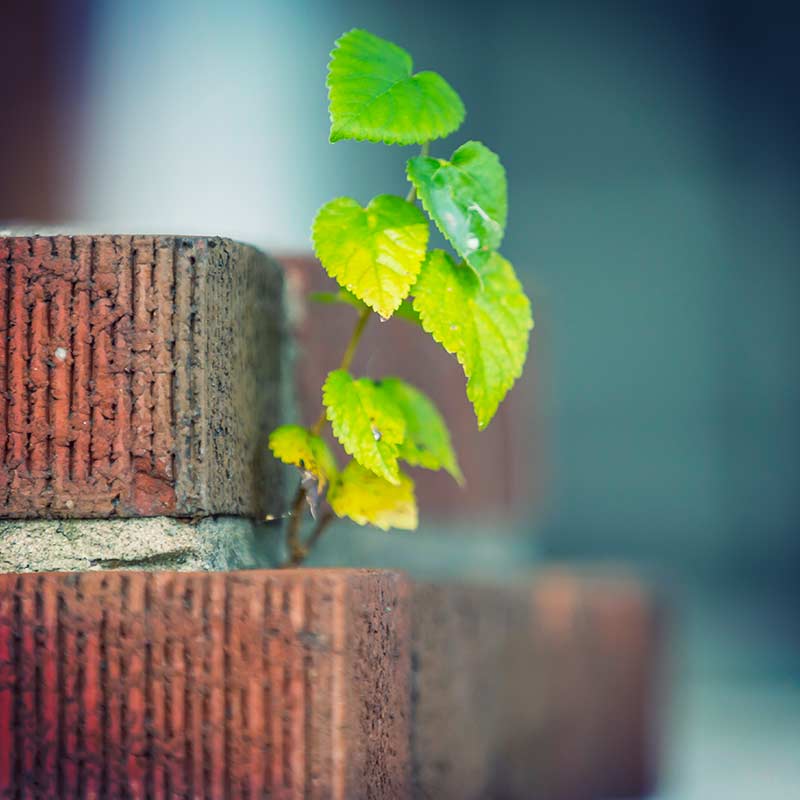
Remember how trees will take up as much room as they can without other trees to compete with? Well, man-made structures are the ultimate competition. They prevent growth any way you look at it. Look up and you see utility lines or overhanging roofs, which hinder access to sunlight and upward growth. Look down and you see concrete or compacted dirt, which both restrict root growth and make it difficult to access water and nutrients. Curious how to find the perfect spot to plant your trees? Check out our article Right Tree, Right Place.
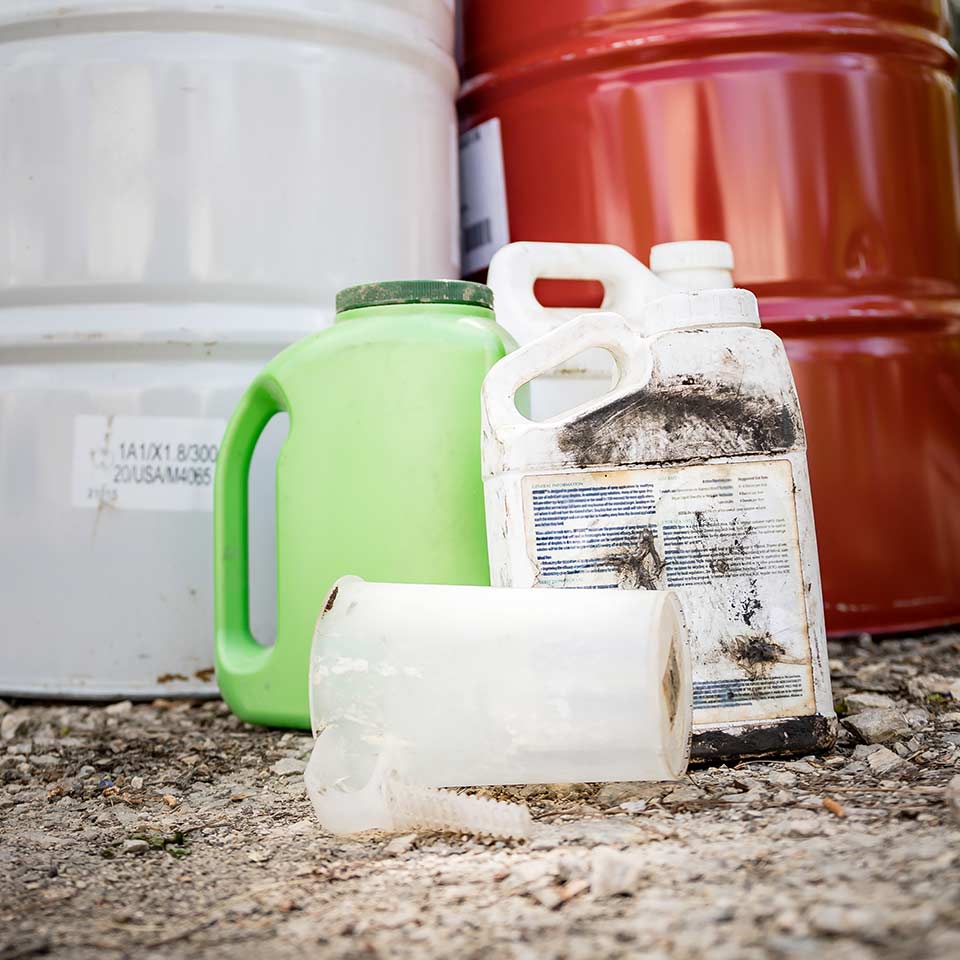
Harmful chemical fertilizer
We all know fertilizers are touted as “super food for trees,” but really the chemicals in common fertilizers only disrupt life within the soil, like earthworms, fungi, and bacteria (the good kind!). These micro-organisms help break down the soil into nutrients for the roots to soak up. Forests have these nutrient blasters everywhere, but the overuse of fertilizers in urban areas makes it difficult for these little guys to stick around. No matter where trees are, without all the rotting stuff and tiny creatures working together, trees won’t get the nutrients they need to live a long healthy life.
Trees are such a beautiful part of our yards and communities. It’s up to us to make sure the trees in our lives have the right environment and care, so they can thrive for many years to come.
Have questions about the trees in your yard? Send us a message, we could literally talk about trees all day.