Drop that Rake! Why Leaving the Leaves is Vital to Your Trees' Health
Leaves provide many benefits, and they even offset some harmful behaviors. Here are just a few reasons to leave your leaves.
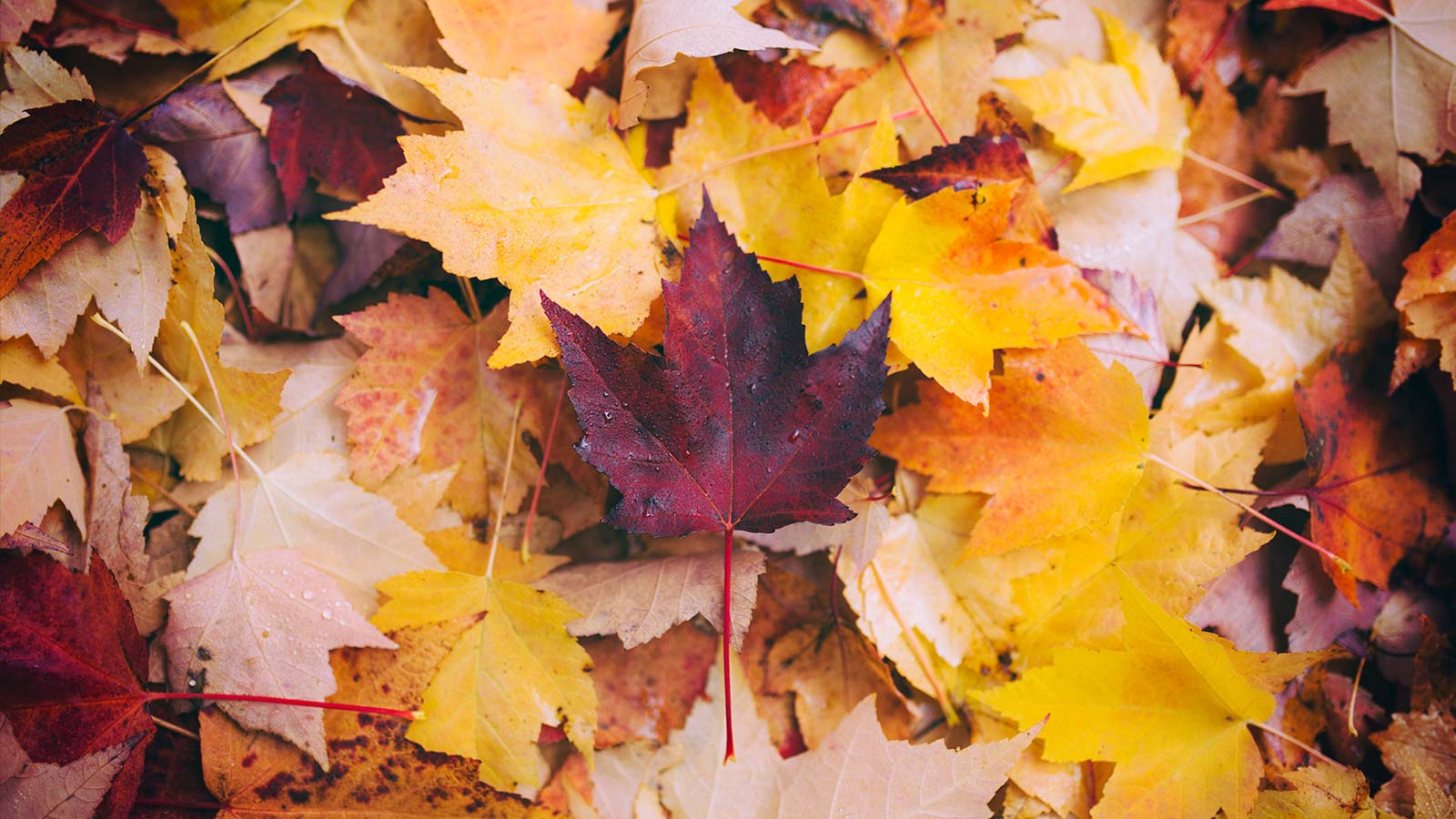
A brightly colored leaf spins from its perch on a branch and lands smack dab in the middle of your patio as you enjoy your morning coffee. Your first thought is to immediately reshuffle the next weekend to find time to rake and bag those pesky leaves.
But what if we told you that you do not have to rake this year? In fact, it will be significantly better for the plants and the creatures in your yard to leave the leaves.
Leaves provide many benefits, and they even offset some harmful behaviors. Here are just a few reasons to leave your leaves:
Part of the Tree’s Natural Cycle
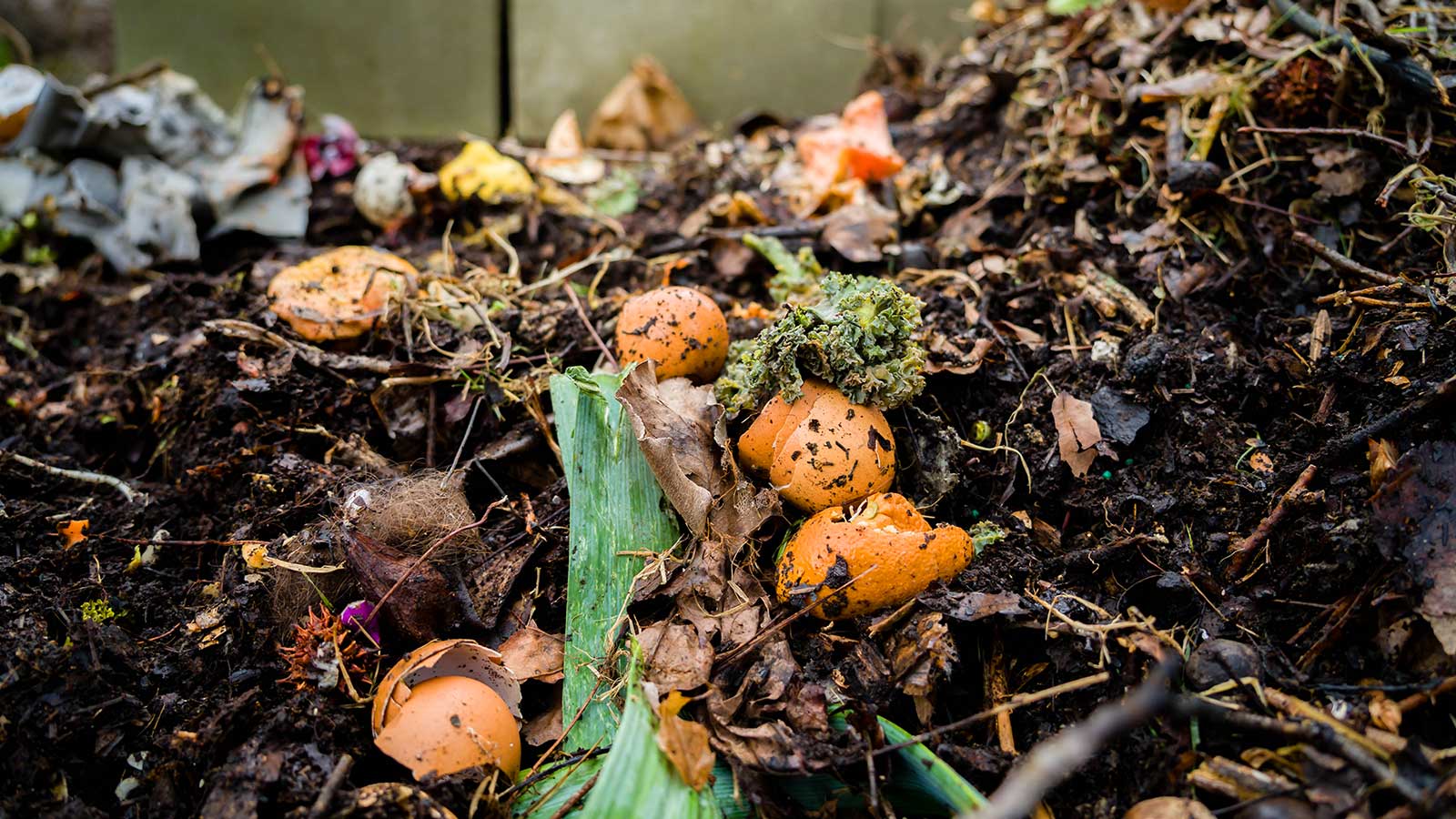
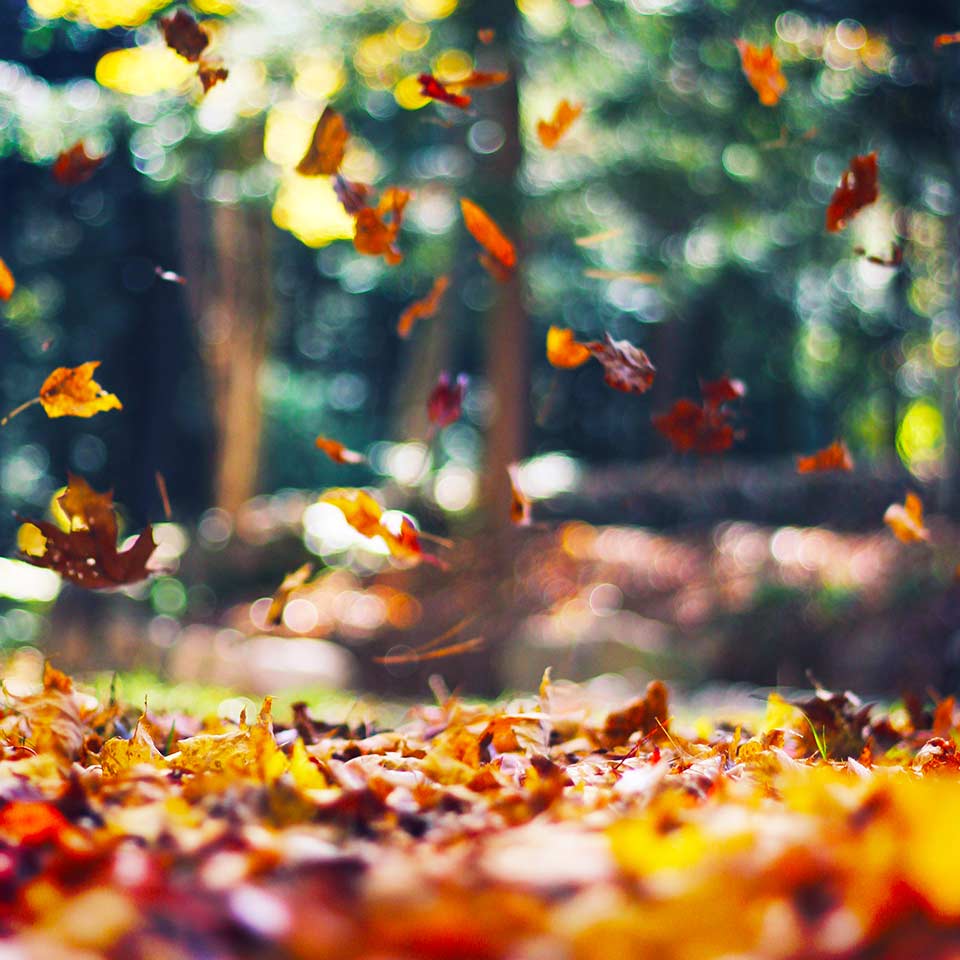
Leaf mulch is part of a tree’s natural cycle. It is nature’s way of recycling important nutrients and protecting the tree’s roots during the harsh winter months. Leaf mulch also fortifies soil by providing rotting stuff, which is the foundation of healthy soil.
Free mulch
We often discuss the benefits of mulching around your trees and shrubs, so why not consider leaves as a mulch option instead of traditional products like dyed mulch? Or in addition to these products? Leaves are free, readily available, and provide an excellent source of rotting stuff that feeds the living biology within the soil. If this soil ecosystem is healthy, your trees and shrubs will be healthy.
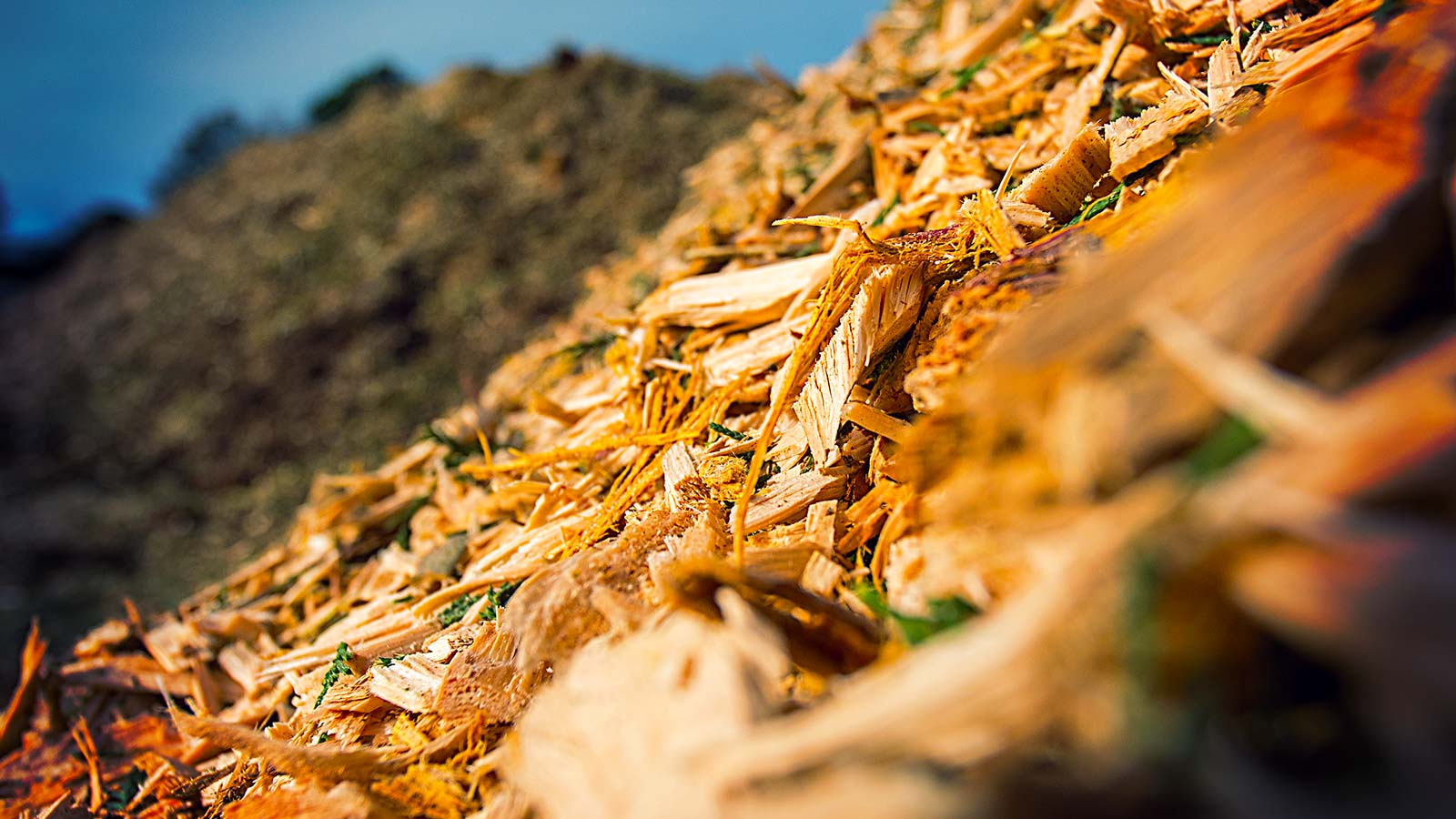
If you find the look of leaves unappealing, especially as they turn brown, you can rake them into your beds and cover them in pine straw or wood chips. Doing this has the double benefit of adding nutrients to the soil while also providing a consistent, aesthetically pleasing look.
Reduces the Need for Fertilizers
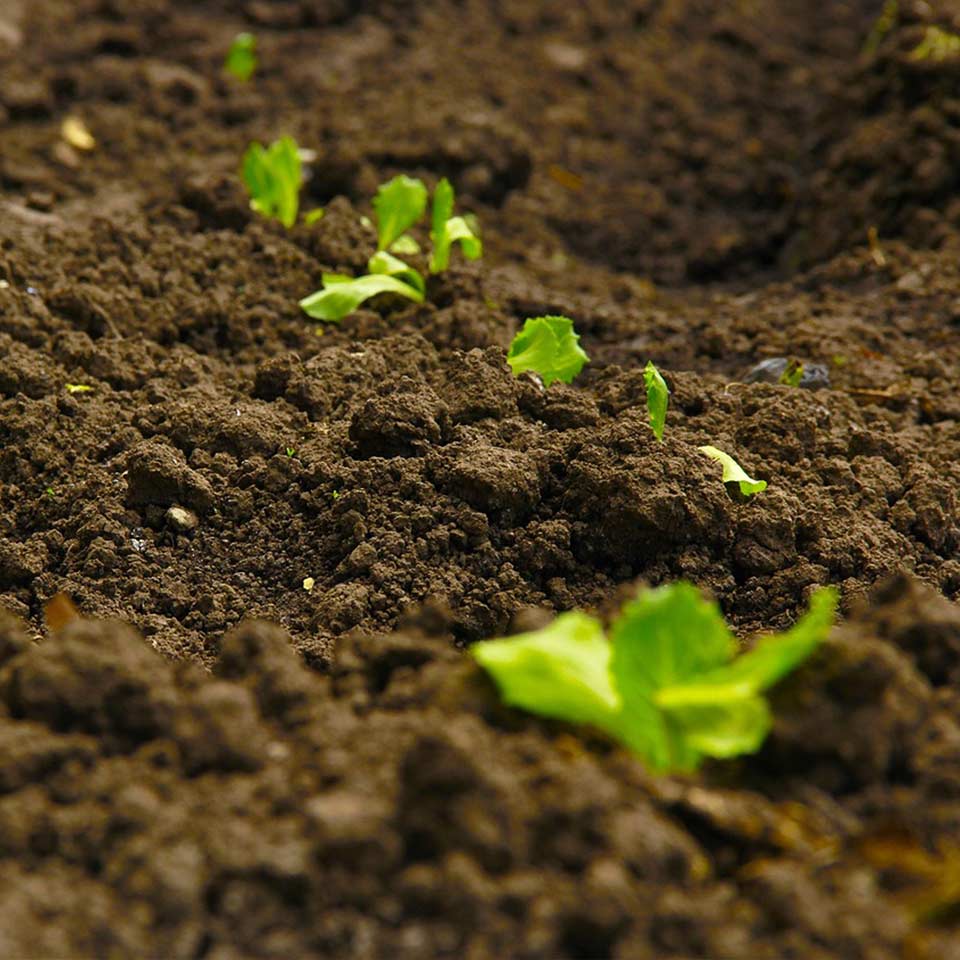
Substances such as nitrogen and phosphorus that make up chemical fertilizers pollute waterways, cause beneficial fungi to die off, compromise a tree’s root system. They also deplete the functionality of the soil, which deprives trees and shrubs of nutrients and makes them more susceptible to pests and disease. In short, traditional chemical fertilizers harm your trees and shrubs. But leaves are the perfect, healthy substitute. By leaving the leaves, you build the health of the soil.
Prevents Additional Production of Methane Gas
If you rake leaves, put them in plastic bags, and send them to a landfill, they take years, instead of just a season, to break down. When kept in an anaerobic environment, leaves produce methane, a greenhouse gas 30 times more harmful than CO2. By simply leaving the leaves, you reduce your waste footprint and prevent the generation of methane gas.
Beneficial to Insects and Small Animals
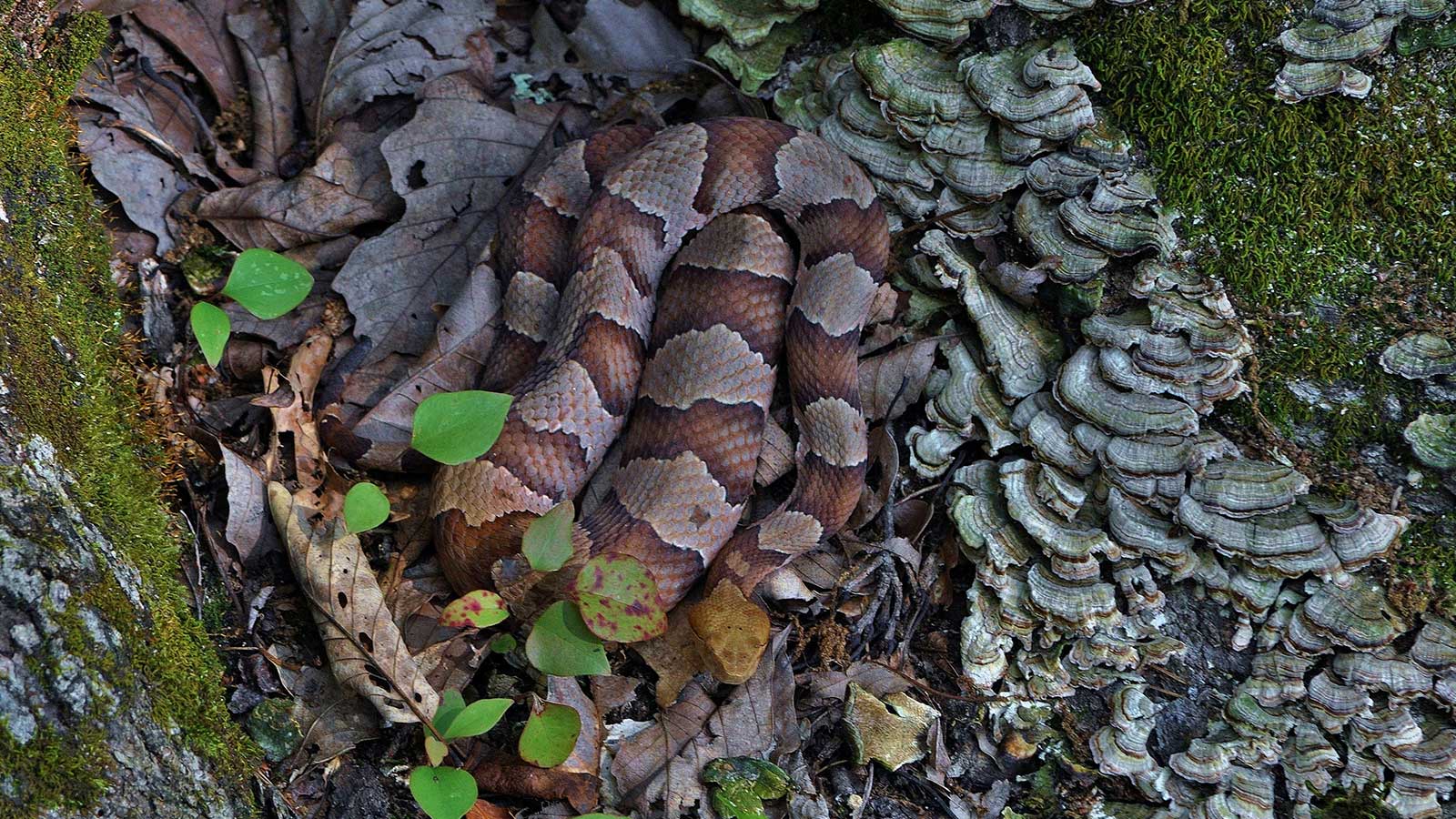
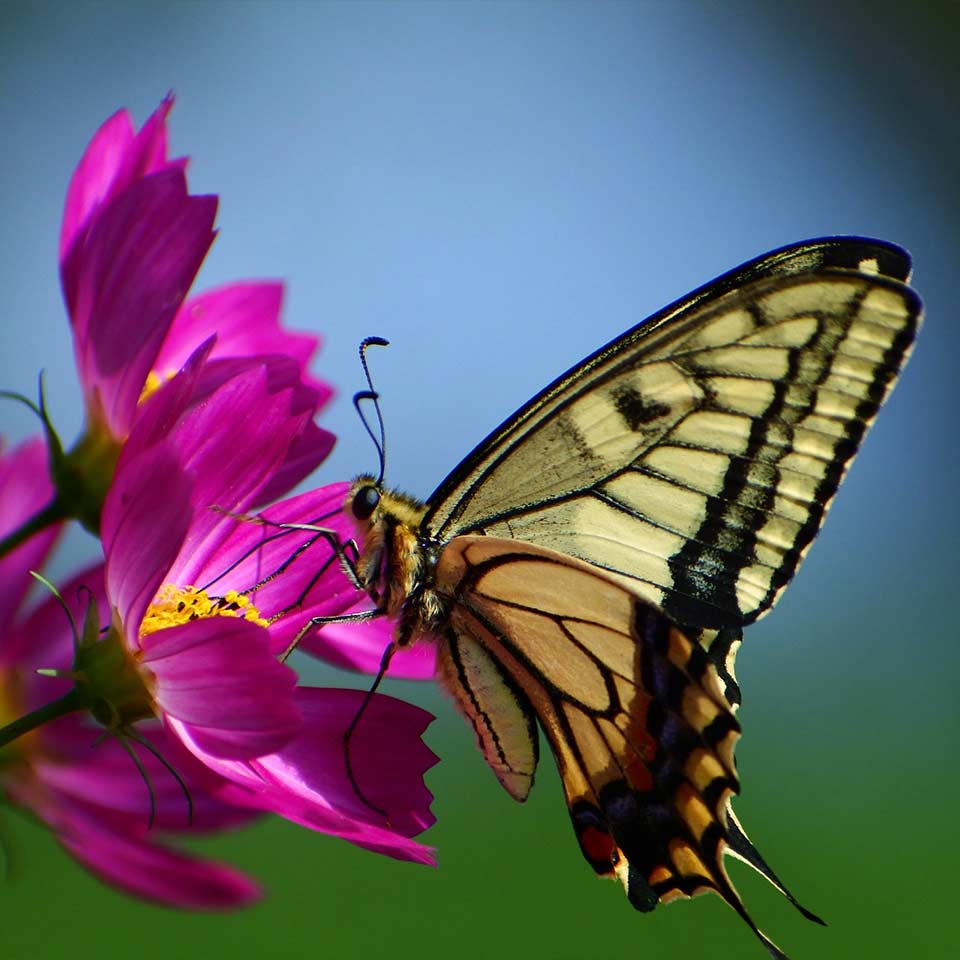
Many insects including Luna moths, Swallowtail butterflies, and Monarchs rely on leaf litter to camouflage their cocoons or provide cover during the winter. Bumblebee queens spend the winter only a few inches into the soil, so leaves add an extra layer of protection. Small beetles and snails use leaves as hiding spots from birds and squirrels searching for a snack. Remember that every member of a tree's ecosystem plays an important role in the health and well being of that plant... even the tiniest ones.
Leaves provide essential rotting stuff to the soil, are free and easy to obtain, reduce the need for harmful chemical fertilizers, prevent additional methane gas from being produced, and benefit wildlife. Additionally, trees rely on their leaves as part of their natural cycle. Trees need their leaves both on their branches and on the ground. So this year, put down the rake and leave the leaves.