Adios Arborvitae: Top 10 Reasons to Plant a Native Privacy Hedge
A better way to screen your yard from the neighbors — one that saves money, feeds birds, and heals Earth.
We've all seen it. That long line of "Green Giant" arborvitae running down a property line, and then all of a sudden: a break in the line. Two or three of the plants have died, and what should have been a continuous expanse of green is now a gap-toothed grin staring back at the neighbors.
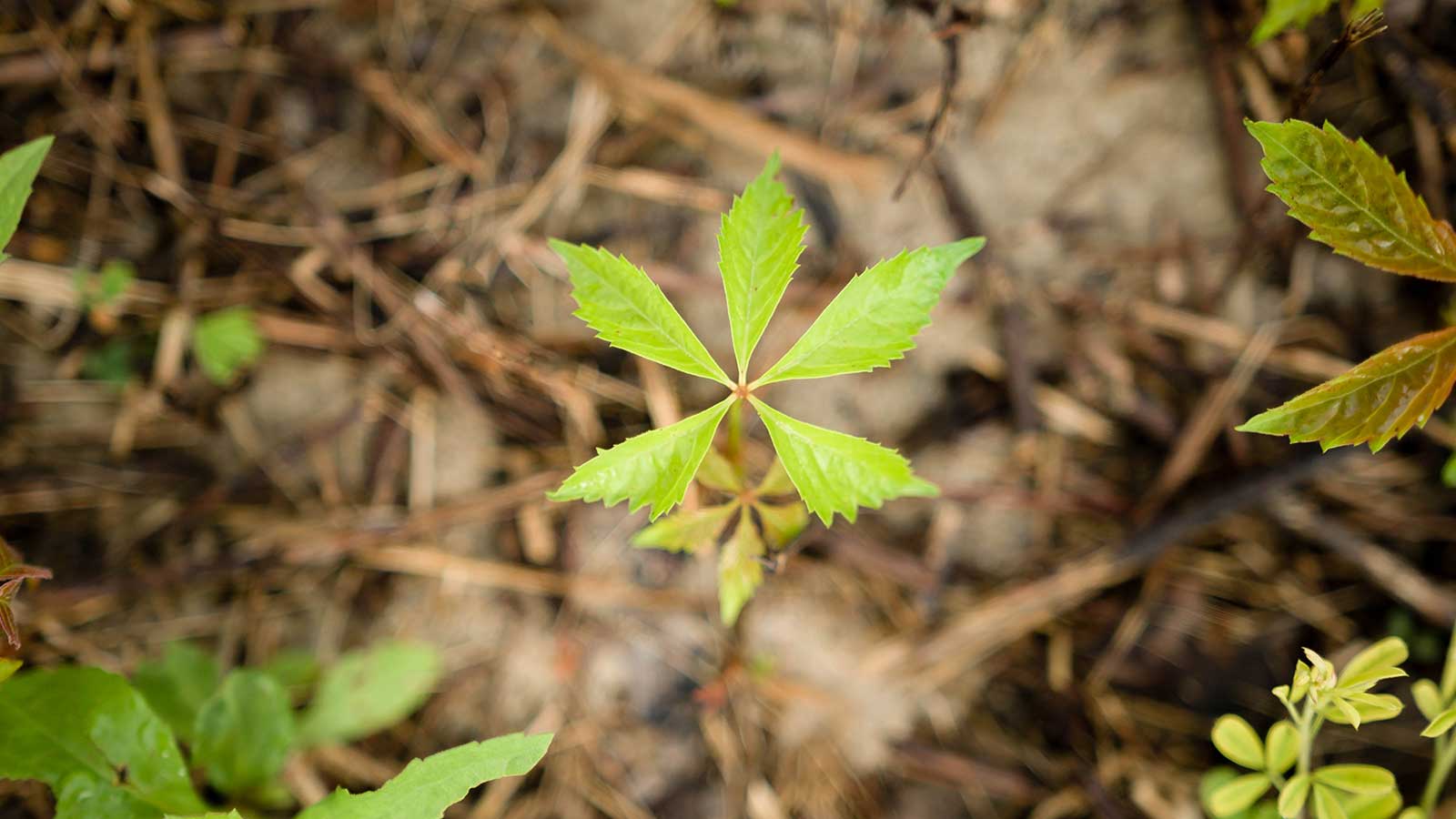
What if there were a better way to grow privacy hedges? There is. What about planting a Thicket as a native privacy hedge? A Thicket is a dense planting of native saplings that screens your yard, feeds wildlife, and takes care of itself.
Here are 10 reasons why it beats a traditional hedge row:
1. They Cost a Fraction of a Traditional Hedge
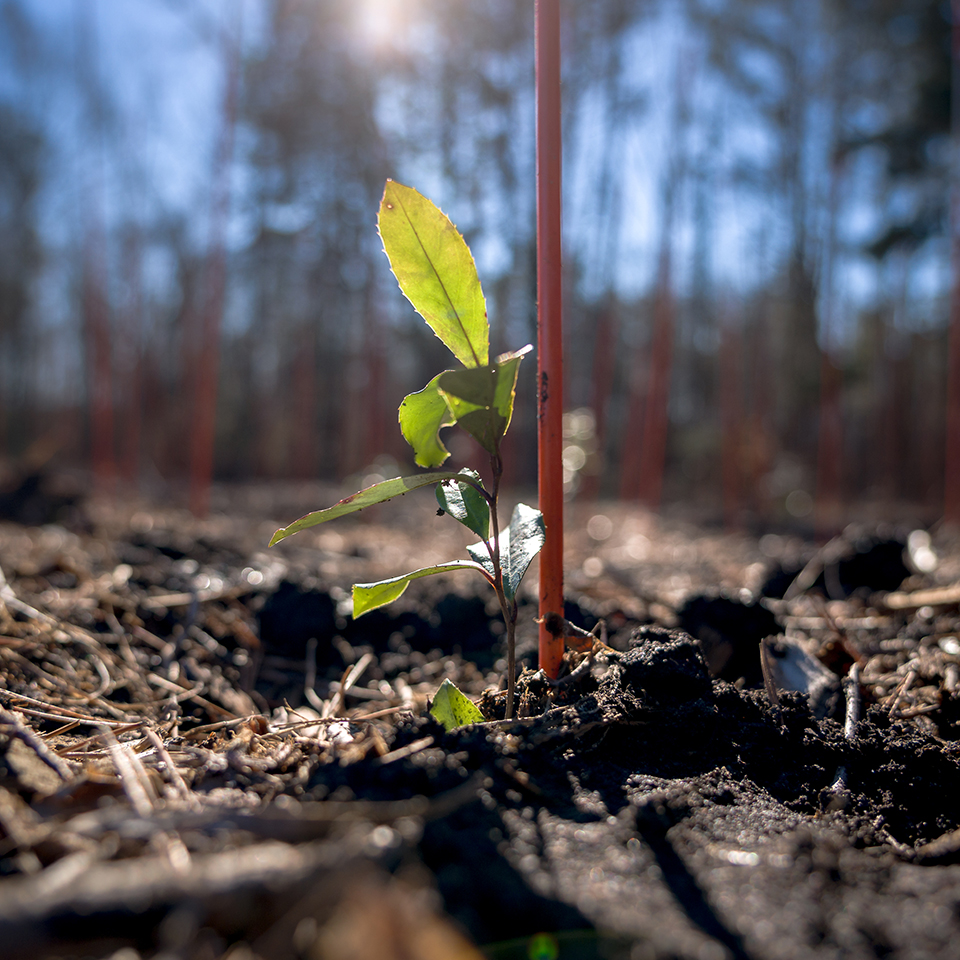
Saplings run pennies on the dollar compared to large container plants. You get more plants, more diversity, and more screen for less money.
2. They Grow Fast
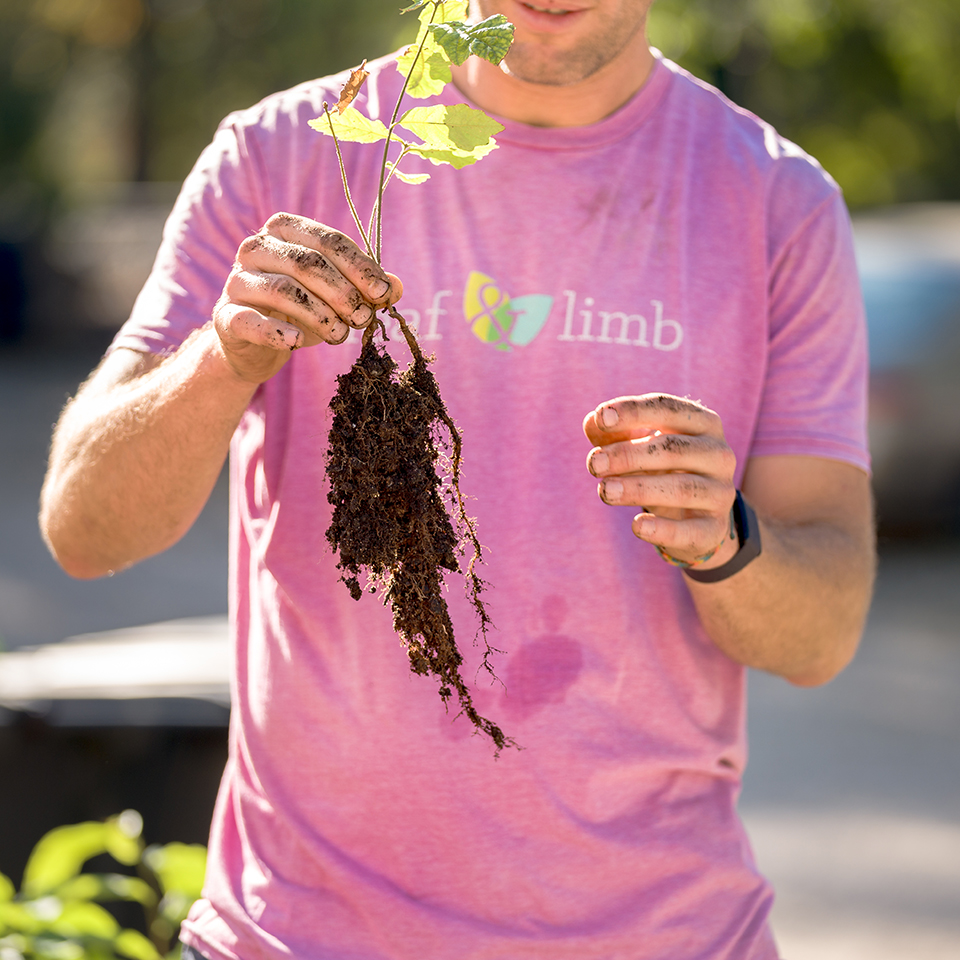
Saplings have well-formed root systems. Their roots have not been forced to grow in circles inside a pot, so they are ready to spread out and take hold the moment they hit the ground. They settle in quickly and often outpace container-grown plants within a few seasons.
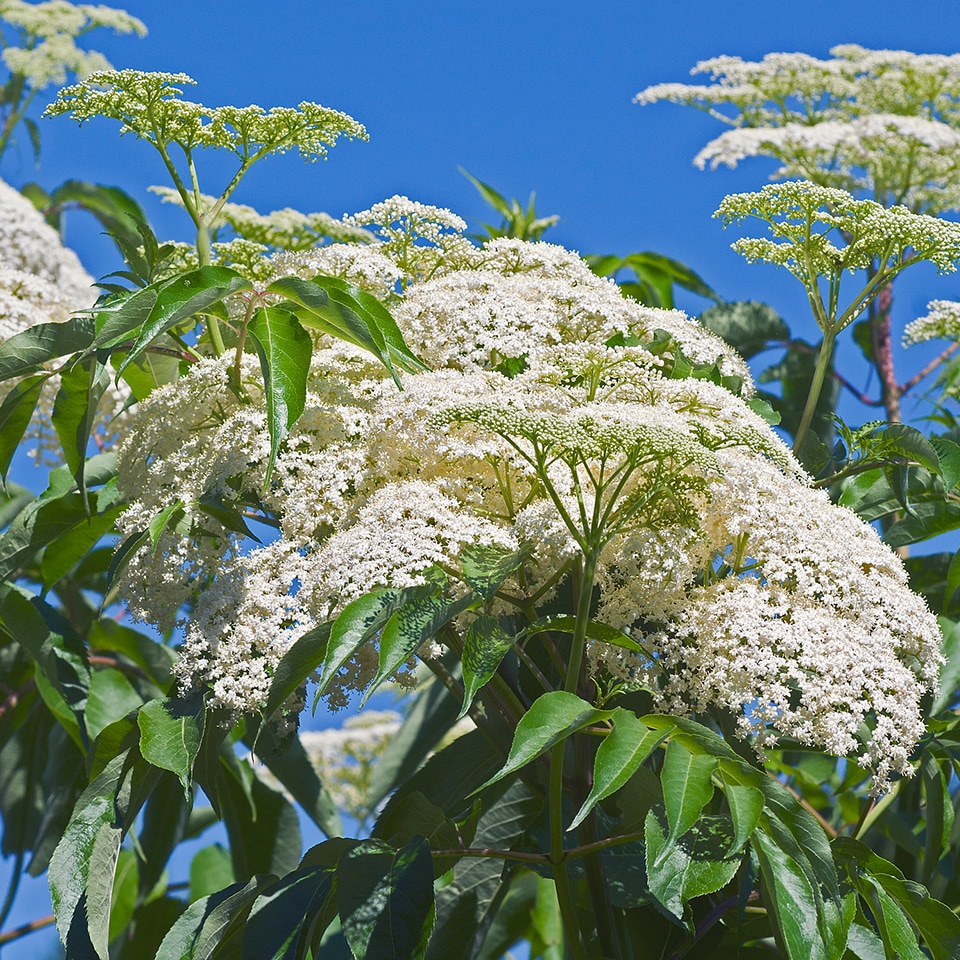
3. One Sick Plant Will Not Ruin the Look
When a single arborvitae dies, the gap is obvious. In a native privacy hedge, neighboring plants fill the space, and you barely notice.
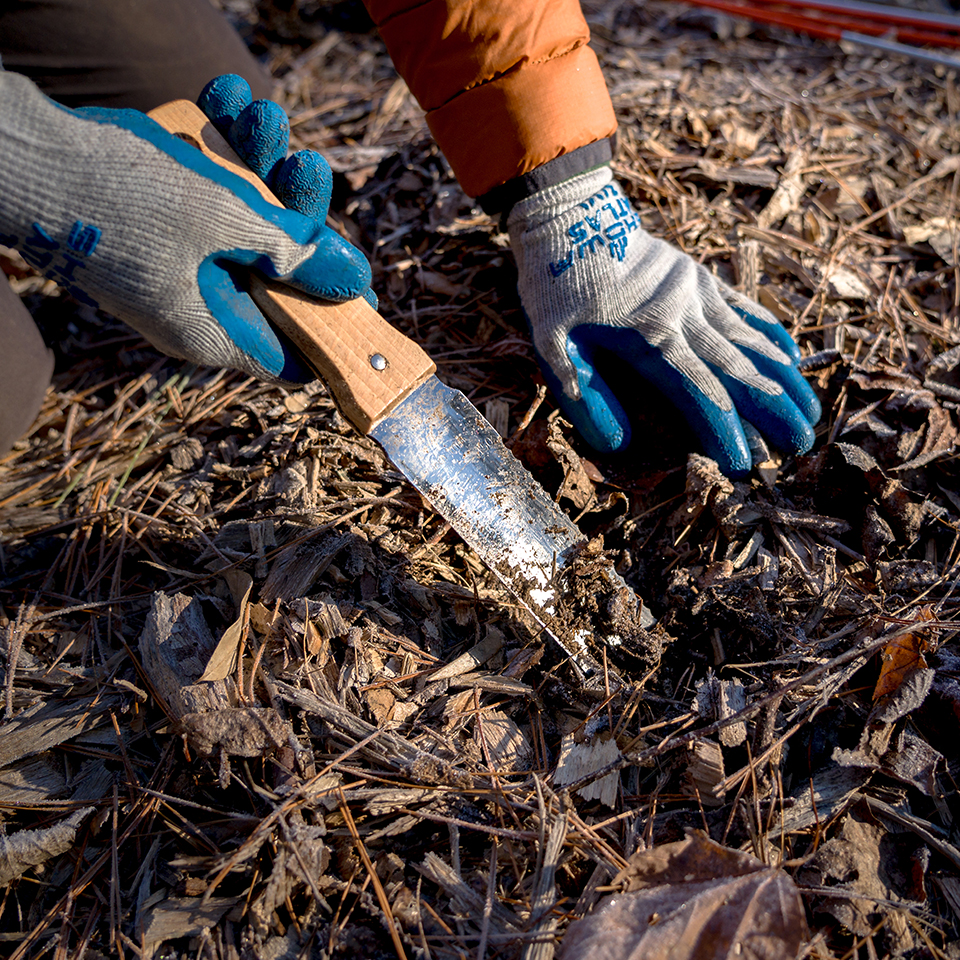
4. They are Easy to Plant
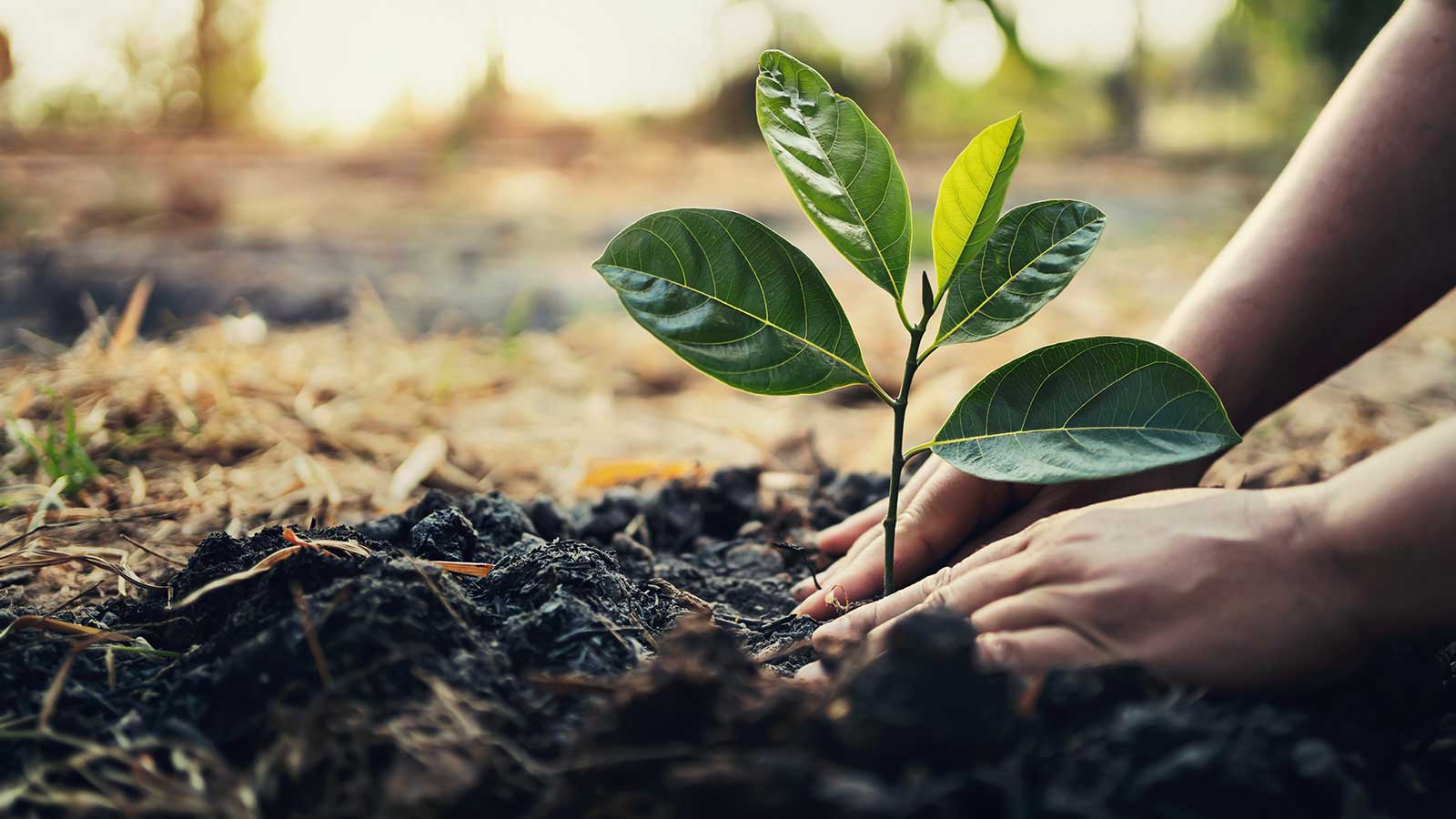
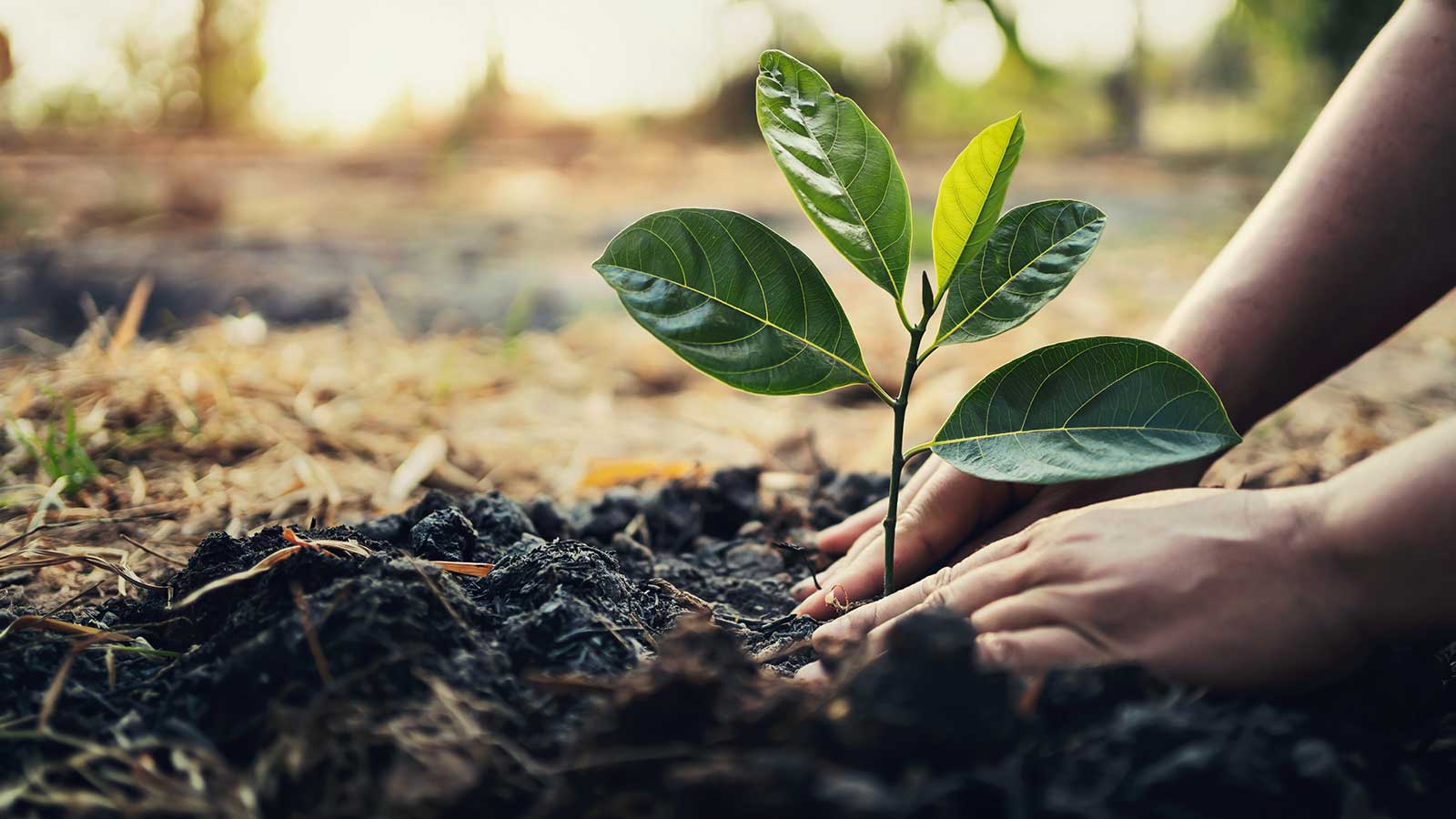
No fancy tools, no precise spacing, no lifting heavy container plants. Just make a wedge in the soil, place the sapling in the ground, and that's it. If the roots go down and the leaves go up, you have done it right.
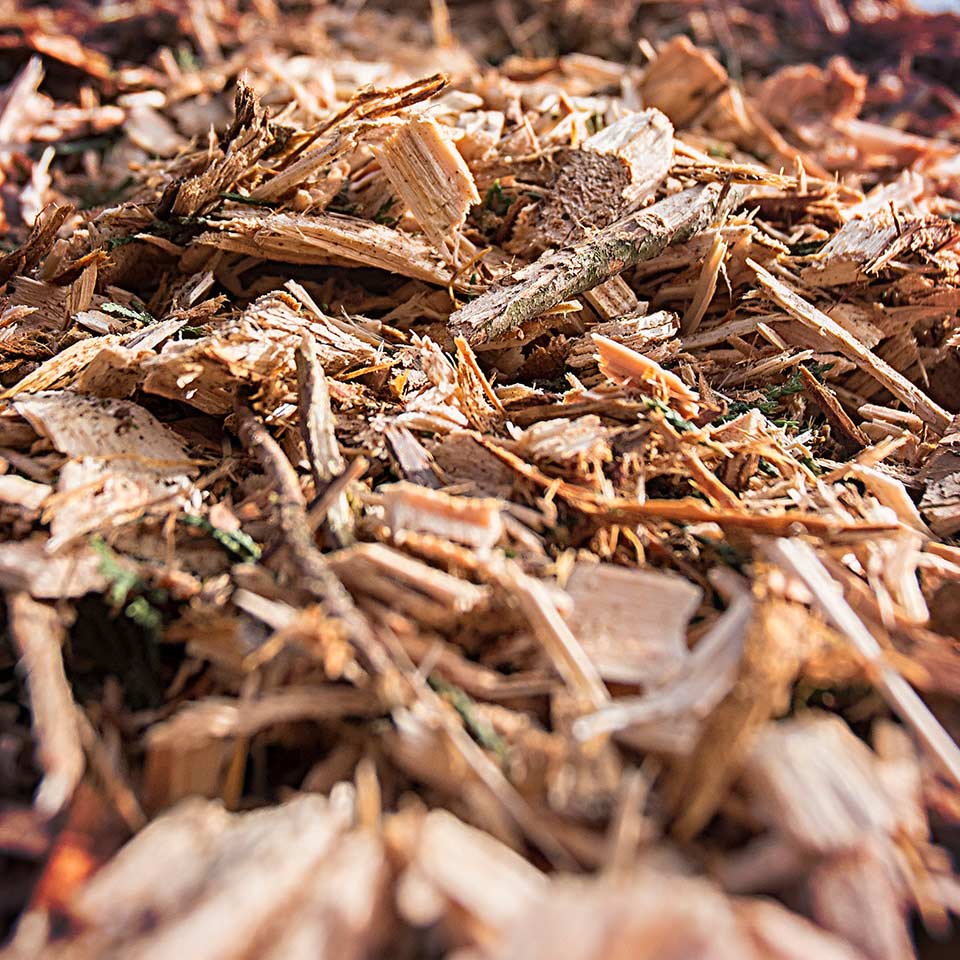
5. They are Easy to Maintain
Saplings need little watering after planting. A layer of arborist wood chips, some weeding, and protection from deer and rabbits are about all the care required.
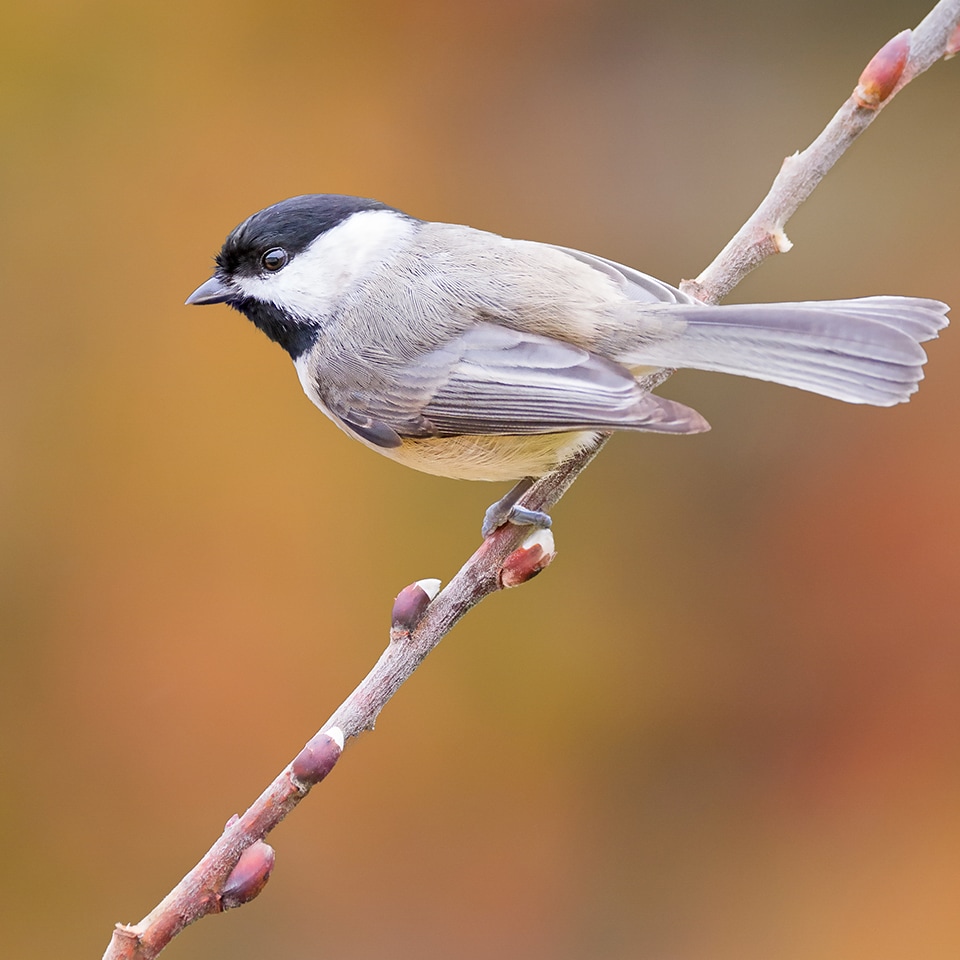
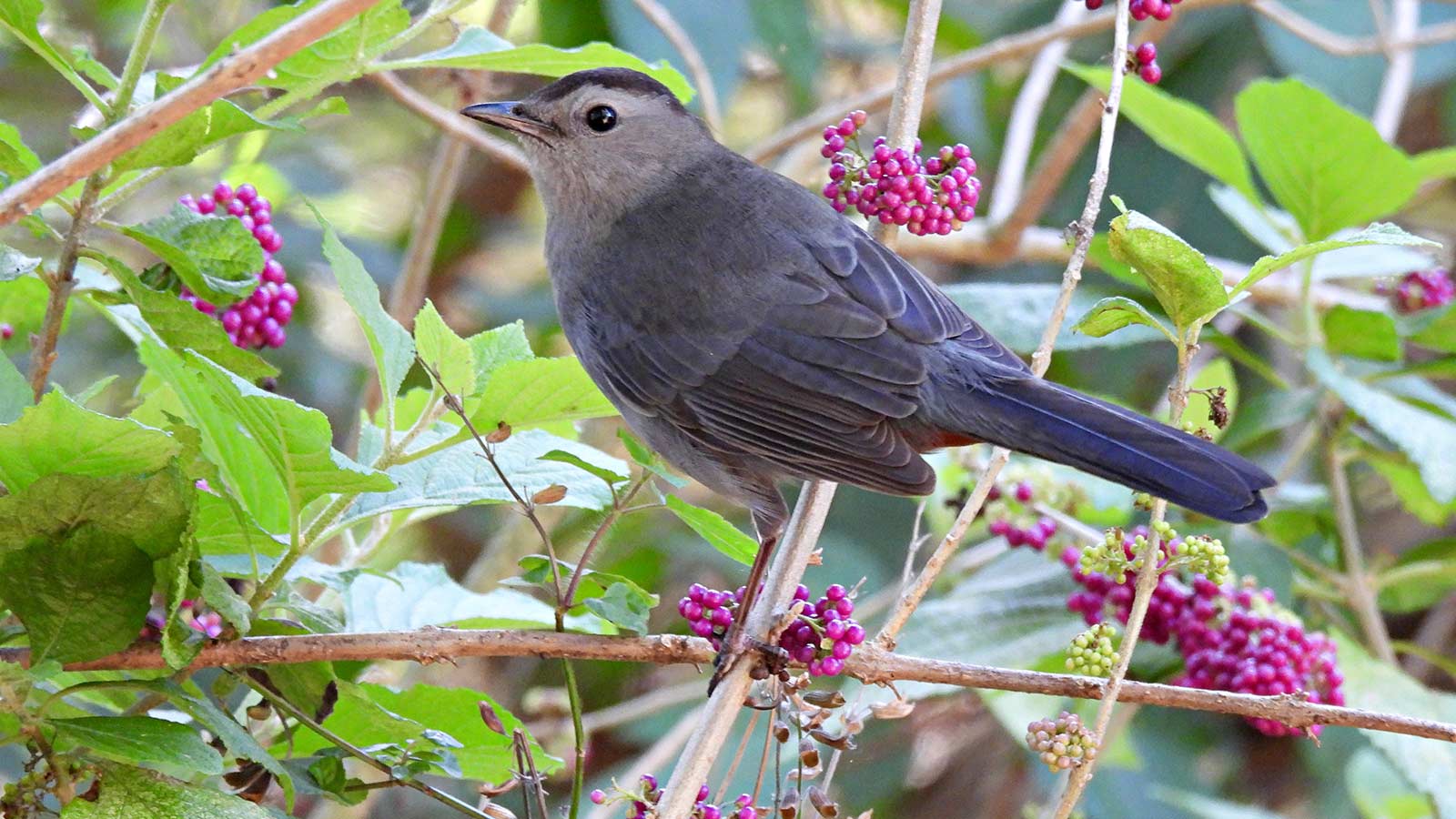
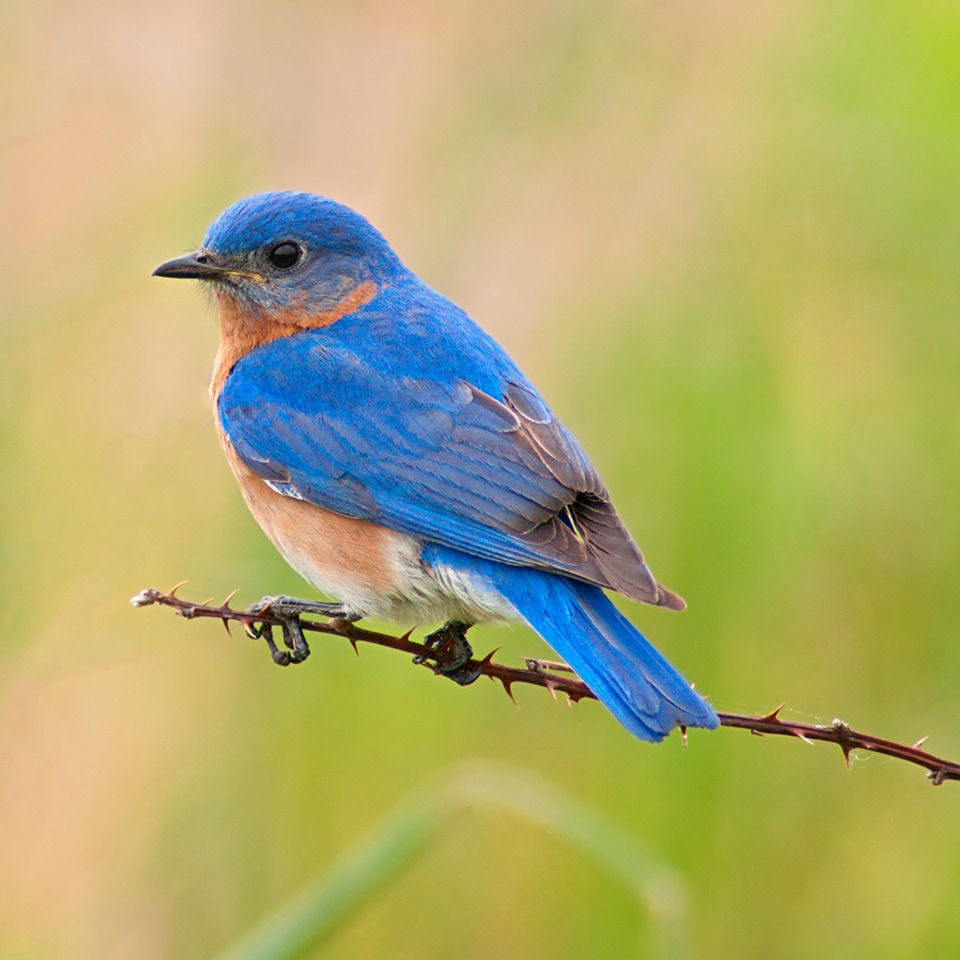
6. They Feed and Shelter Birds
Cornell Lab reports that North America has lost nearly three billion birds since 1970. Native shrubs offer nesting sites, cover, and the caterpillars songbirds need to raise their young.
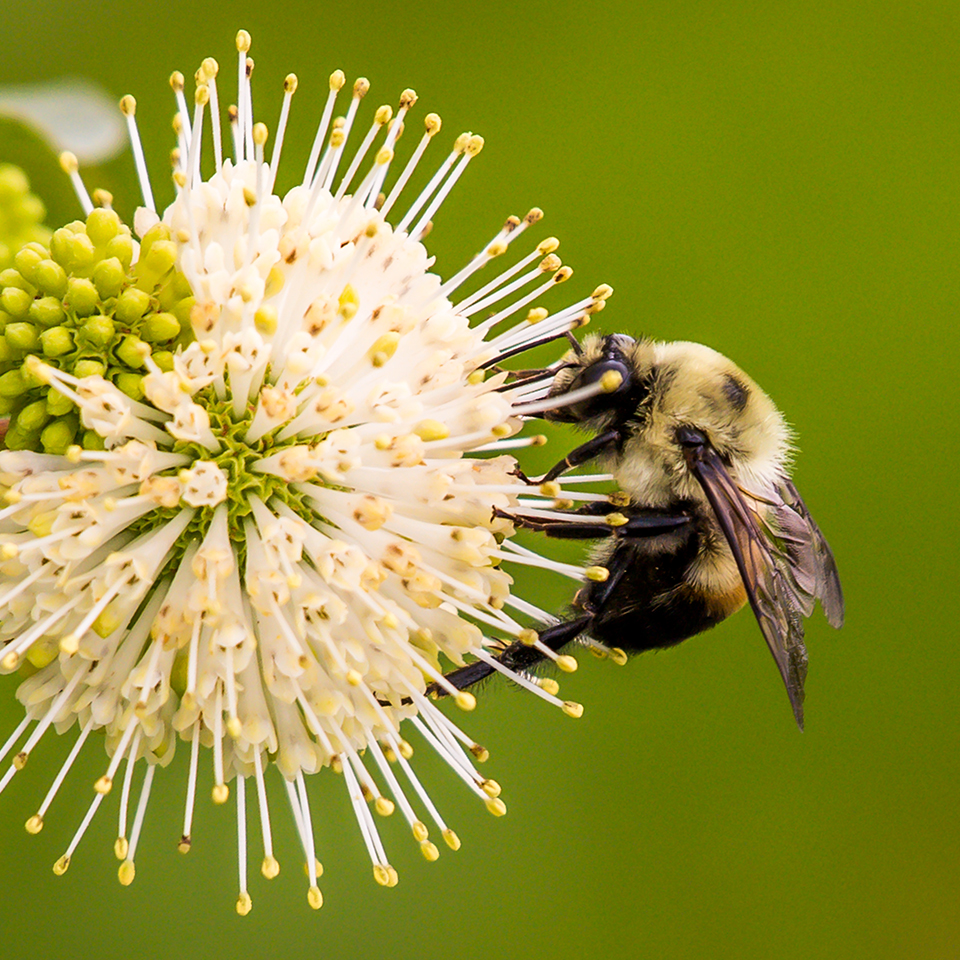
7. They Support Pollinators
A diverse native privacy hedge blooms across the seasons, feeding bees, butterflies, and other insects that keep our ecosystems running.
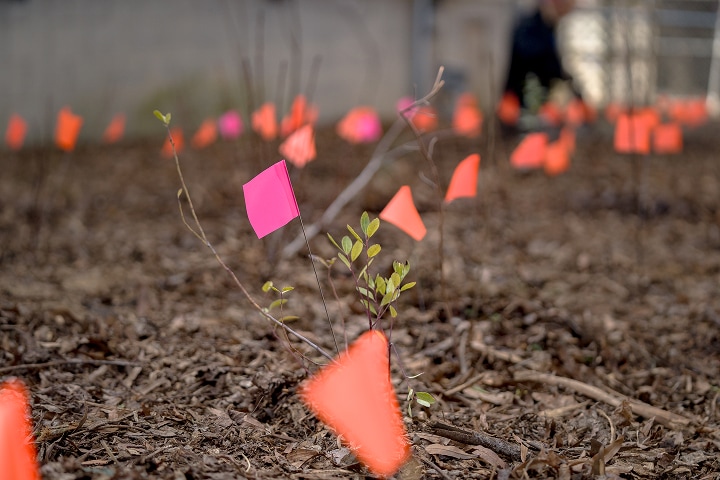
8. They are Resilient
Diversity is the secret. With ten or twenty species in the mix, your screen can shrug off pests, disease, and weather that would wipe out a single-species hedge.
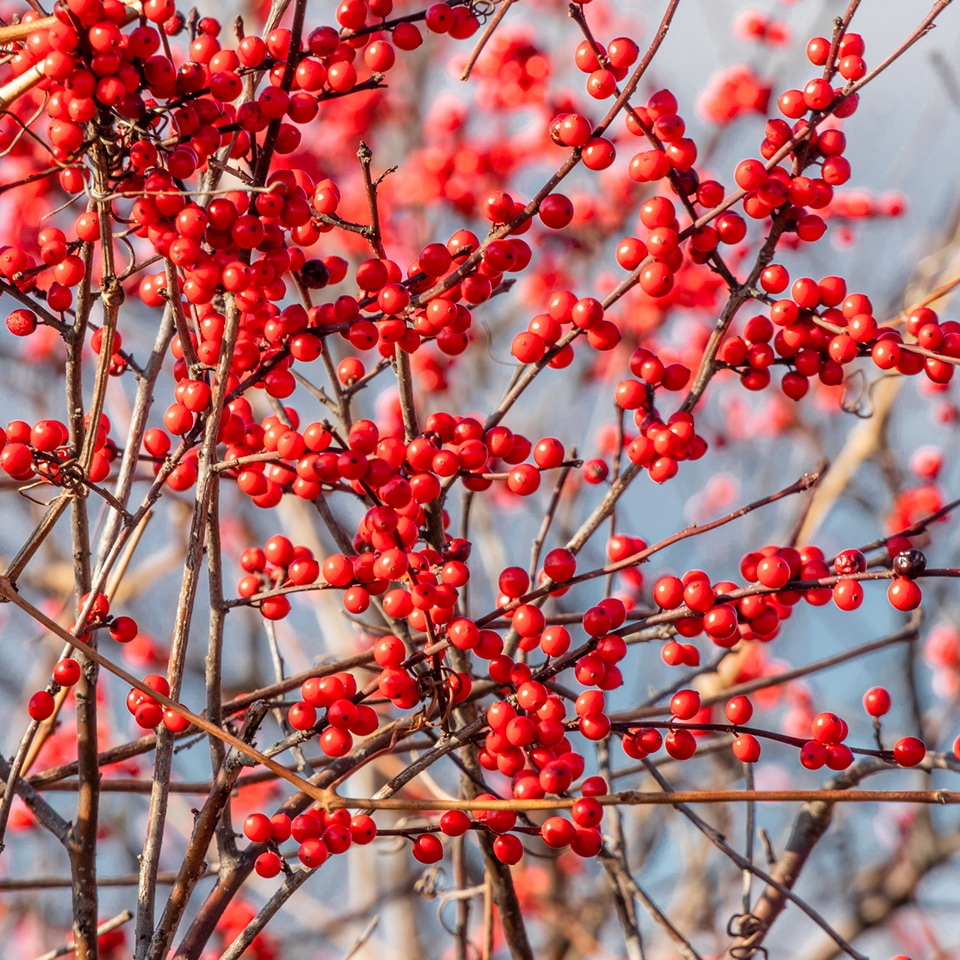
9. They Give You Beauty Across All Four Seasons
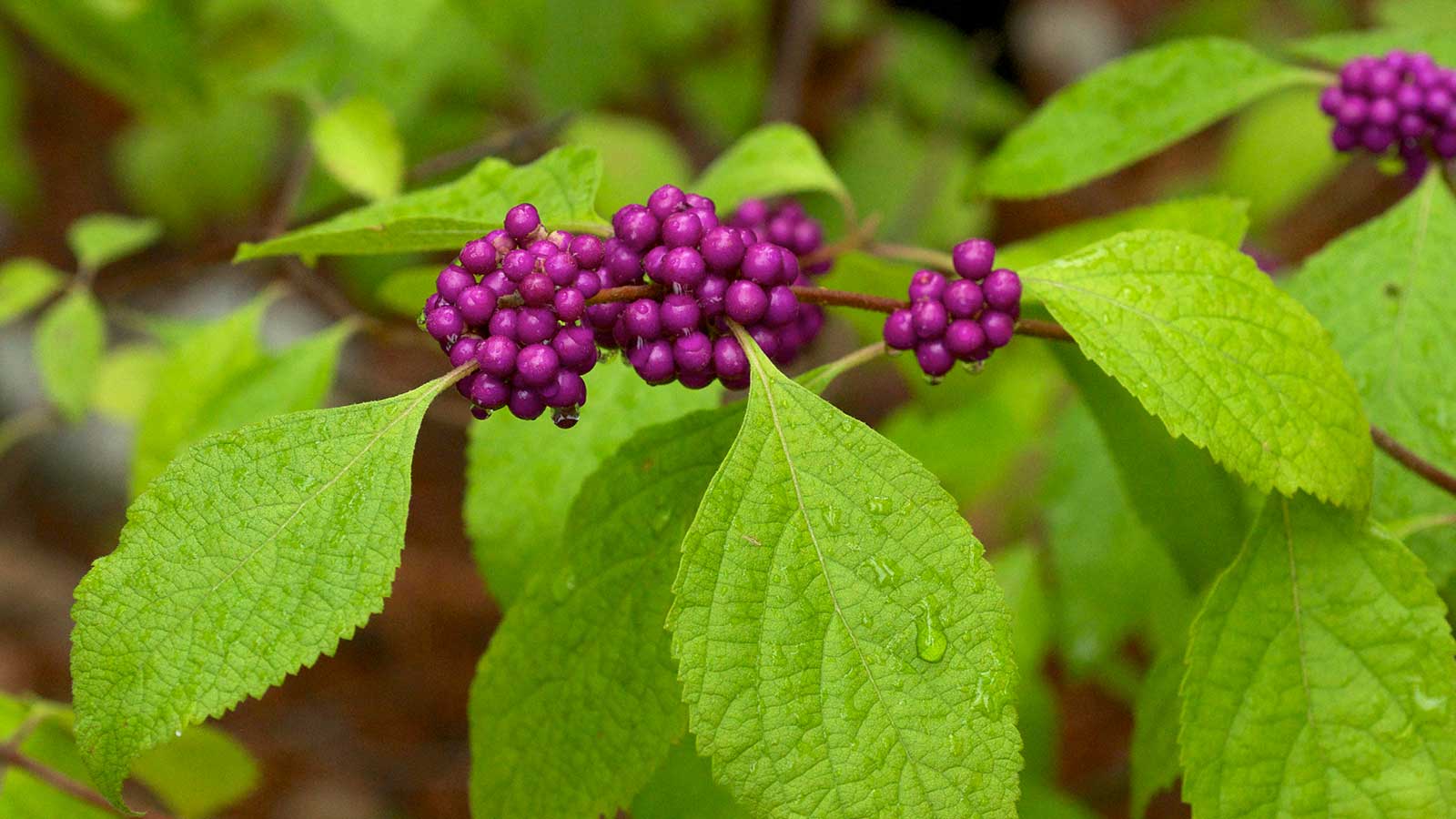
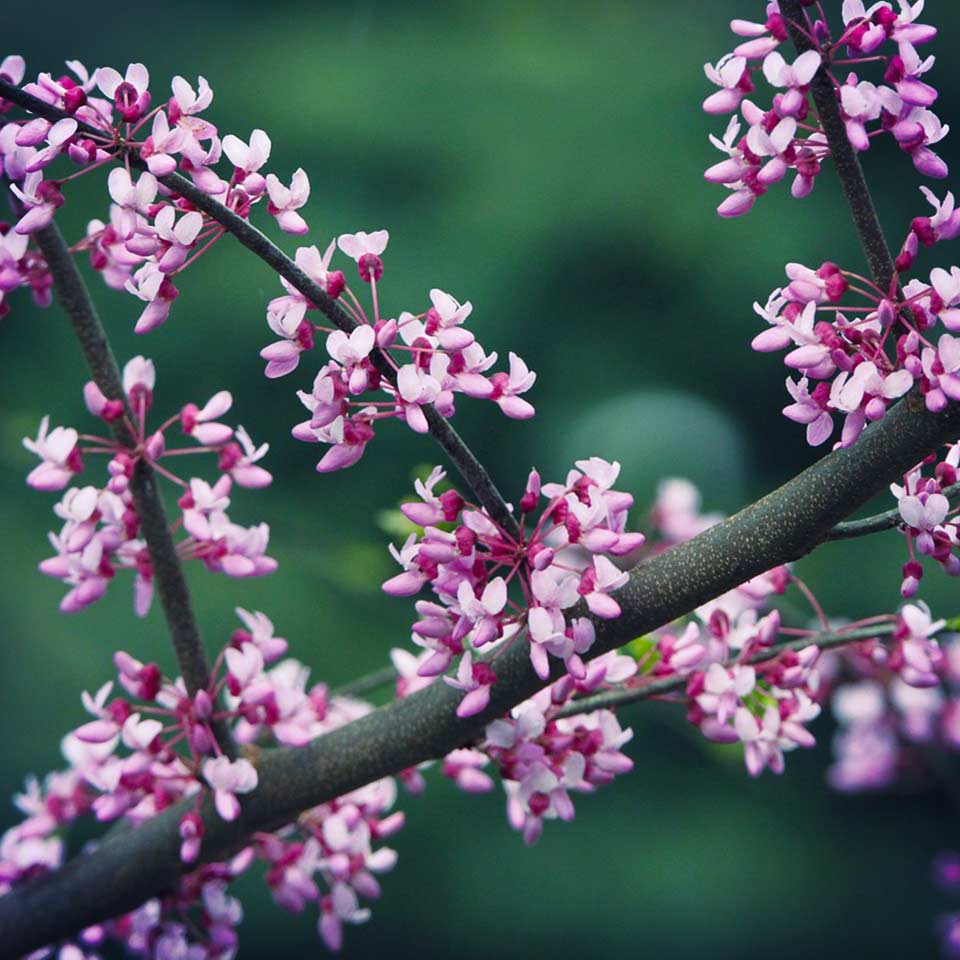
Spring blooms, summer berries, fall color, winter texture. A native privacy hedge changes through the year. A row of arborvitae does not.
10. They Help Heal the Earth
A native privacy hedge delivers all the ecological benefits of a Piedmont Prairie or Pocket Forest. It builds soil, sequesters carbon, supports wildlife, and brings life back to the land. The difference is that a Thicket also solves a common problem: how to gain privacy from the neighbors. You get a working ecosystem and a screen between your backyard and the world, all at once.
Ready to say adios to your arborvitae? Download our free book From Wasteland to Wonder and turn to Chapter 17 for step-by-step planting instructions.
Or if you are local to the Triangle, send us a message and one of our Treecologists will help you plan a native privacy hedge of your own.