6 Ways to Bring Fireflies Back to Your Yard
Small, easy changes—done to welcome the Jewels of the Night back to your property.
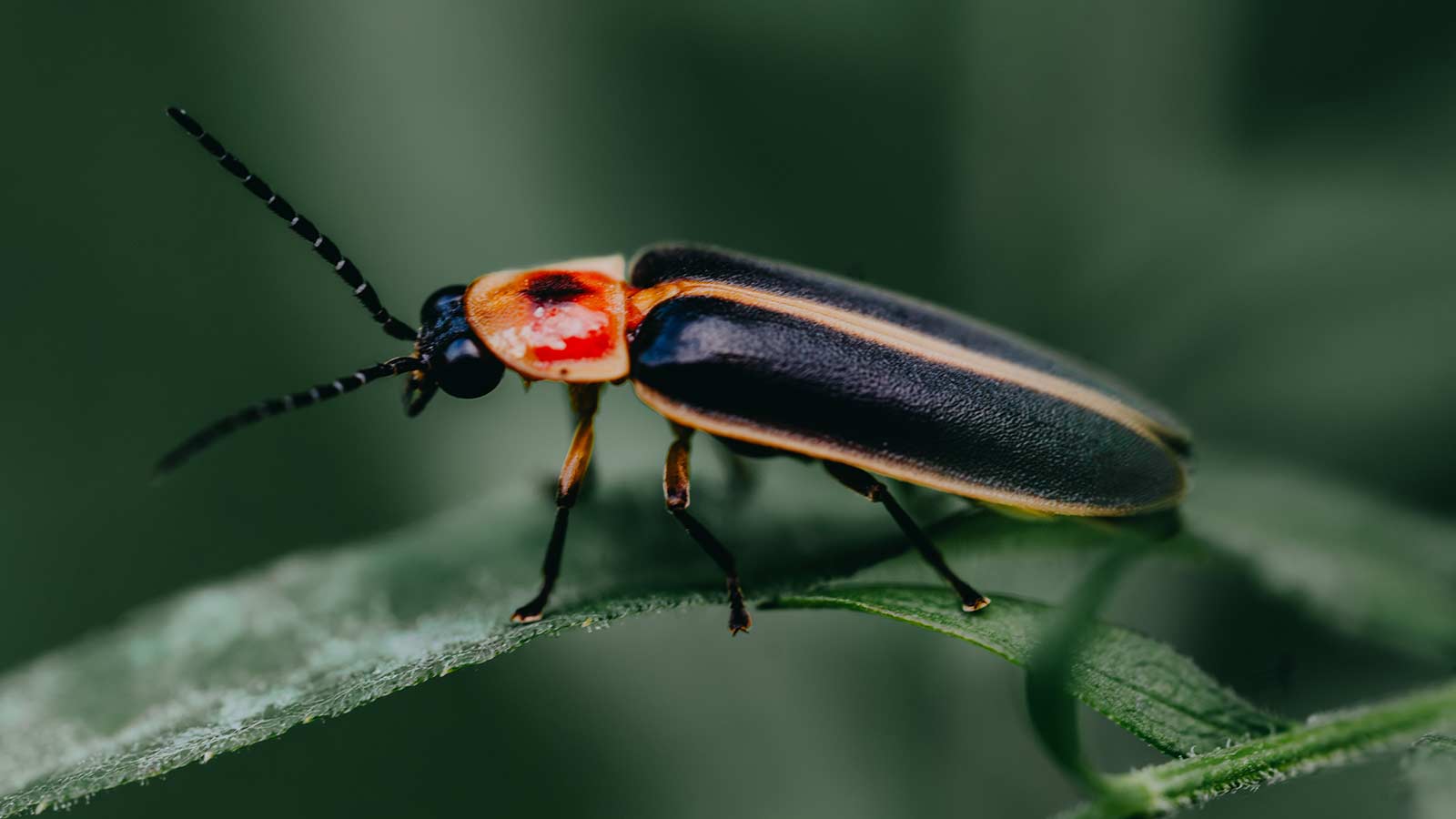
Fostering a place where fireflies thrive requires less work, not more. Why? Because doing so means working with Nature rather than fighting against it, which requires fewer tasks and inputs. Be patient, though. I have restored fireflies to multiple properties, and in my experience, this usually takes three to four growing seasons.
One quick word before we start, since it's the question I get most: none of this has to look messy. Leaves tucked into beds under your trees and a brush pile in a back corner read as intentional, not neglected. If you are still concerned, add a sign explaining what you're doing. I have found that an educational sign turns potentially upset neighbors into curious learners.
Save All of Your Leaves
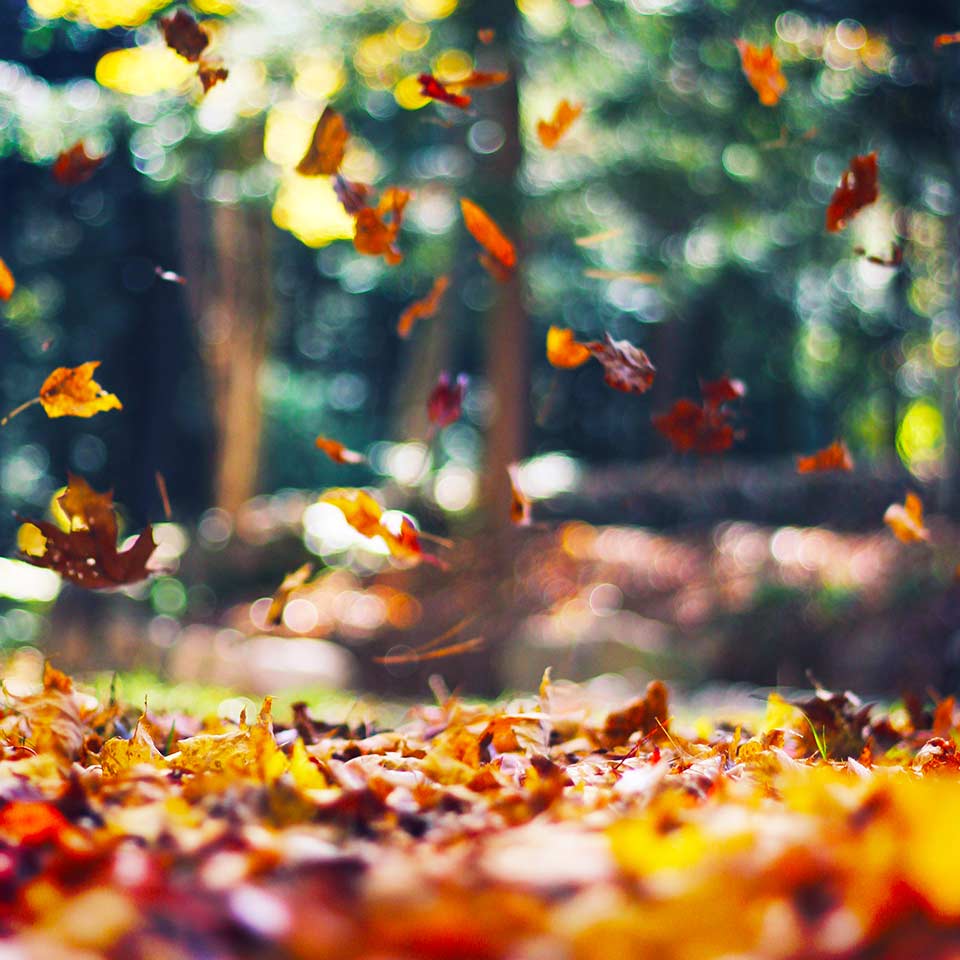
Leaves are an excellent place for young fireflies (called larvae) to grow, particularly because they retain much-needed moisture. Leave them where they lie in Autumn, or pile them in beds under your trees and shrubs. If you cannot do this, create a leaf pile in a corner of your property. This means no more time spent raking, bagging, and moving leaves to the curb, which is hopefully welcome news. Please note that you must not shred the leaves, since this will kill the young fireflies.
Stop Using Chemicals on Your Property
Fireflies are sensitive to things like mosquito sprays, fungicides, and pesticides. The good news is that most of these products are ineffective at best, and often quite harmful. This is an easy way to save money and reduce harm to all life on your property, including birds, pets, and loved ones.
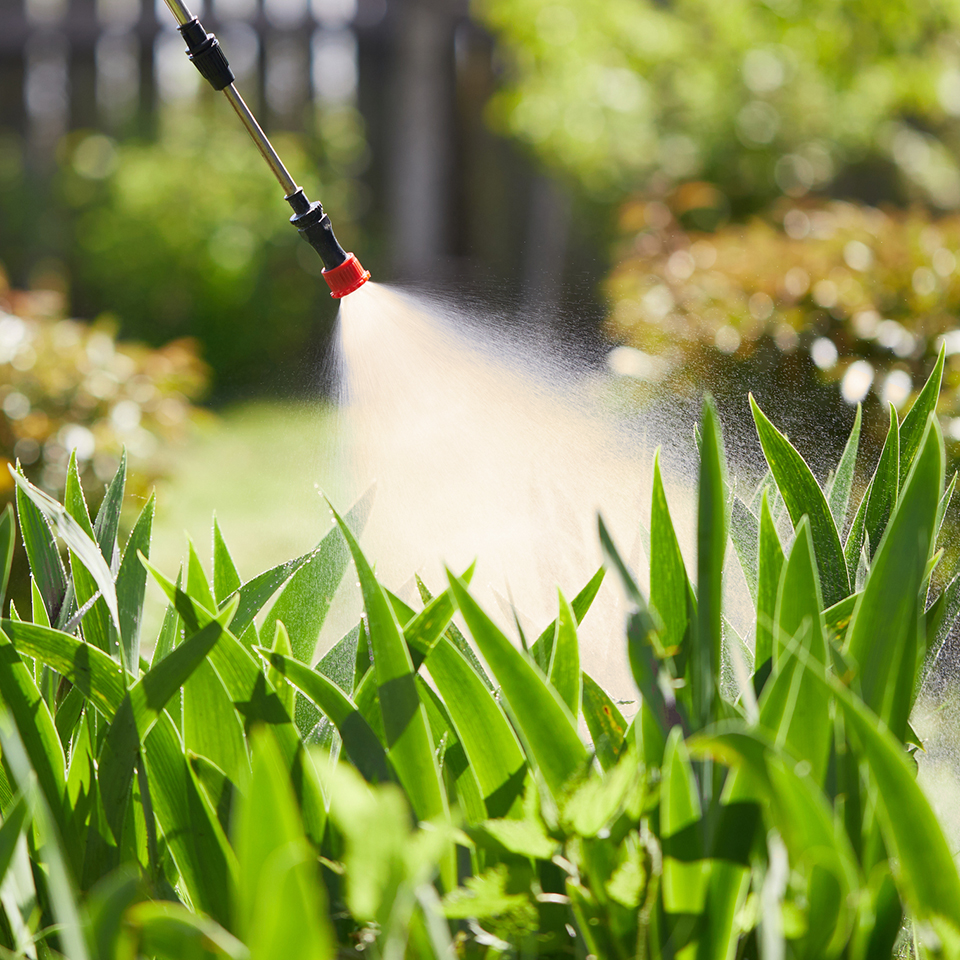
Exchange Fertilizers for Compost
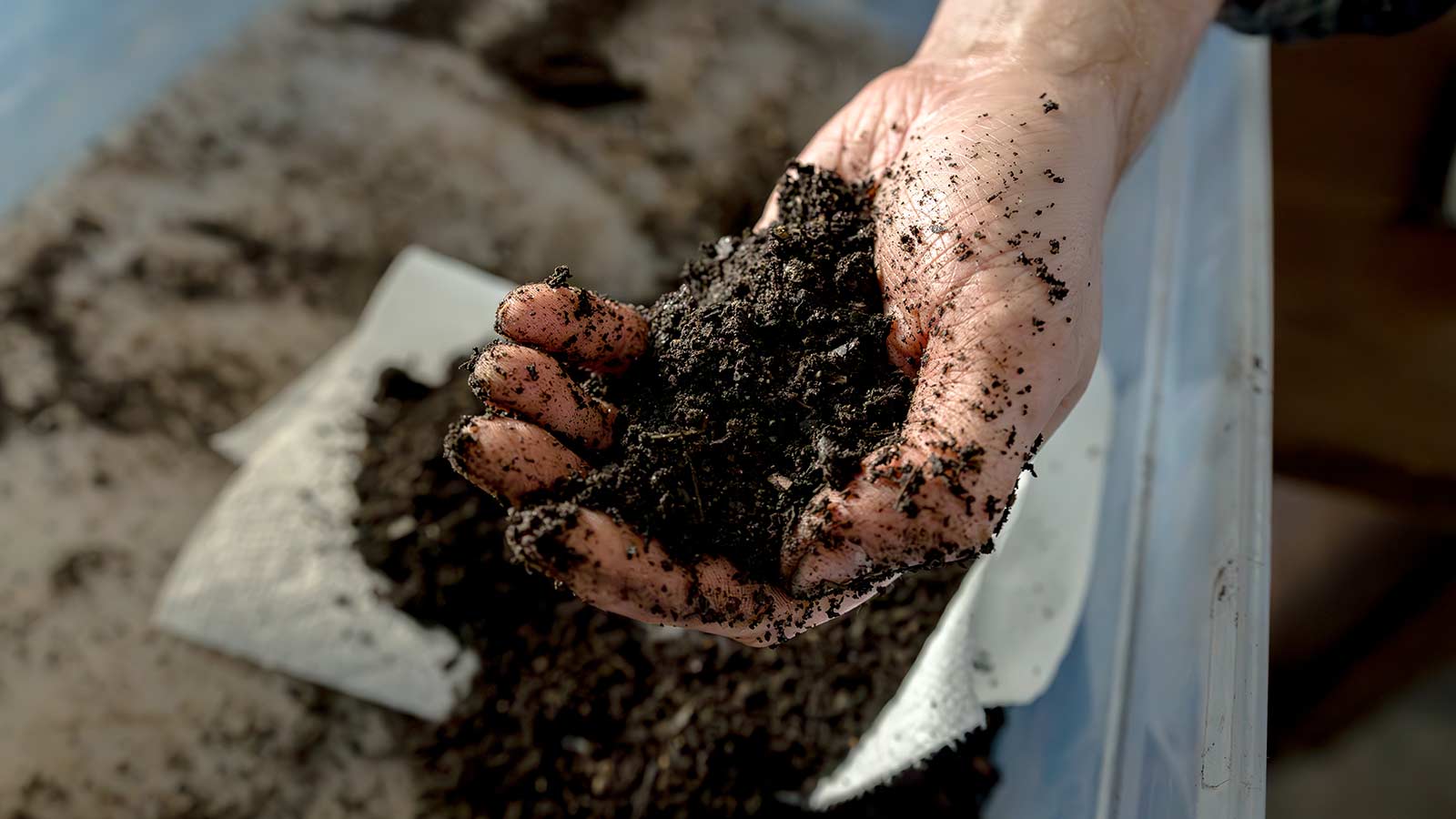
Most fertilizers, which we can broadly define as anything bought in a bag or bottle, or from a service provider, harm plants and other life. The good news, though, is that there is one genuinely beneficial "fertilizer" – it's compost. We can make it ourselves for free or buy it for cheap. Any compost can be turned into a liquid solution (called "compost tea") for easier application. Remember those leaves we talked about saving? When they rot, they become excellent compost.
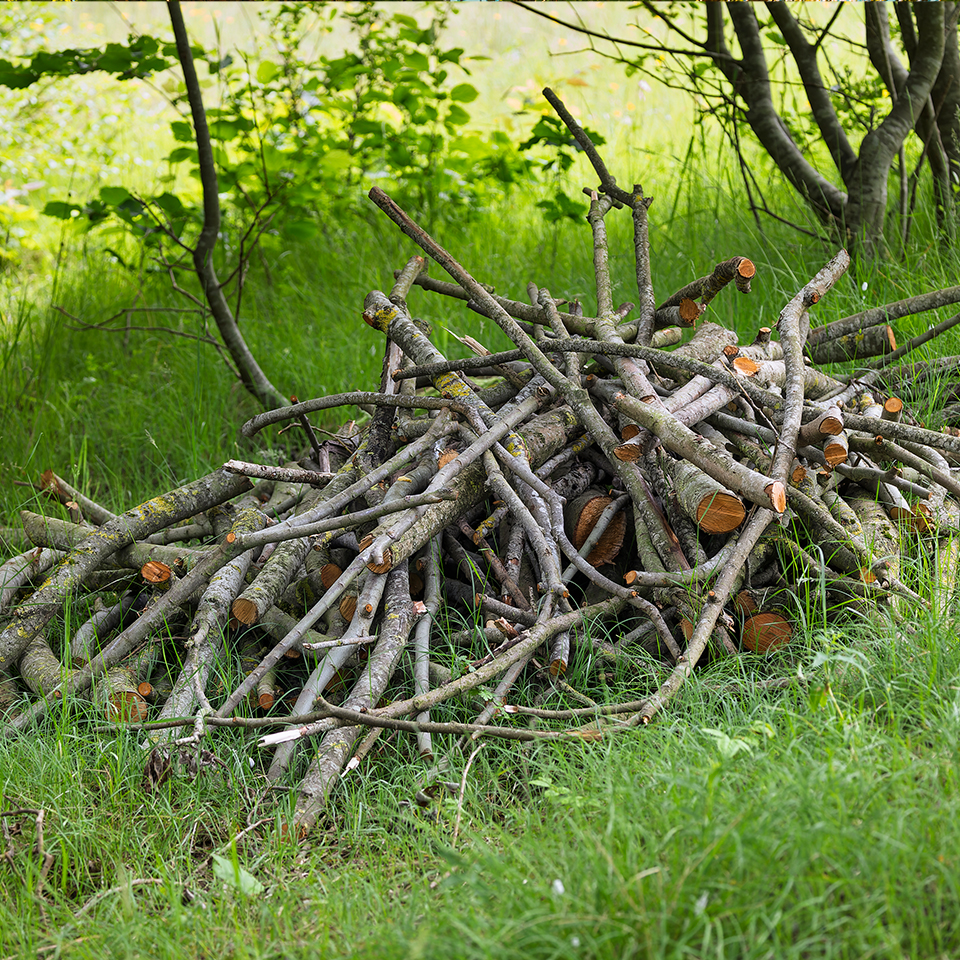
Save Your Brush and Chunks of Wood
Rather than dragging pruned branches, chunks of log, or any other green "waste" that you might typically pile up at the curb, create a pile in a corner of your property. Fireflies spend one to two years as larvae in decaying leaves, rotting logs, and healthy soil. These spaces are excellent for young fireflies to grow up.
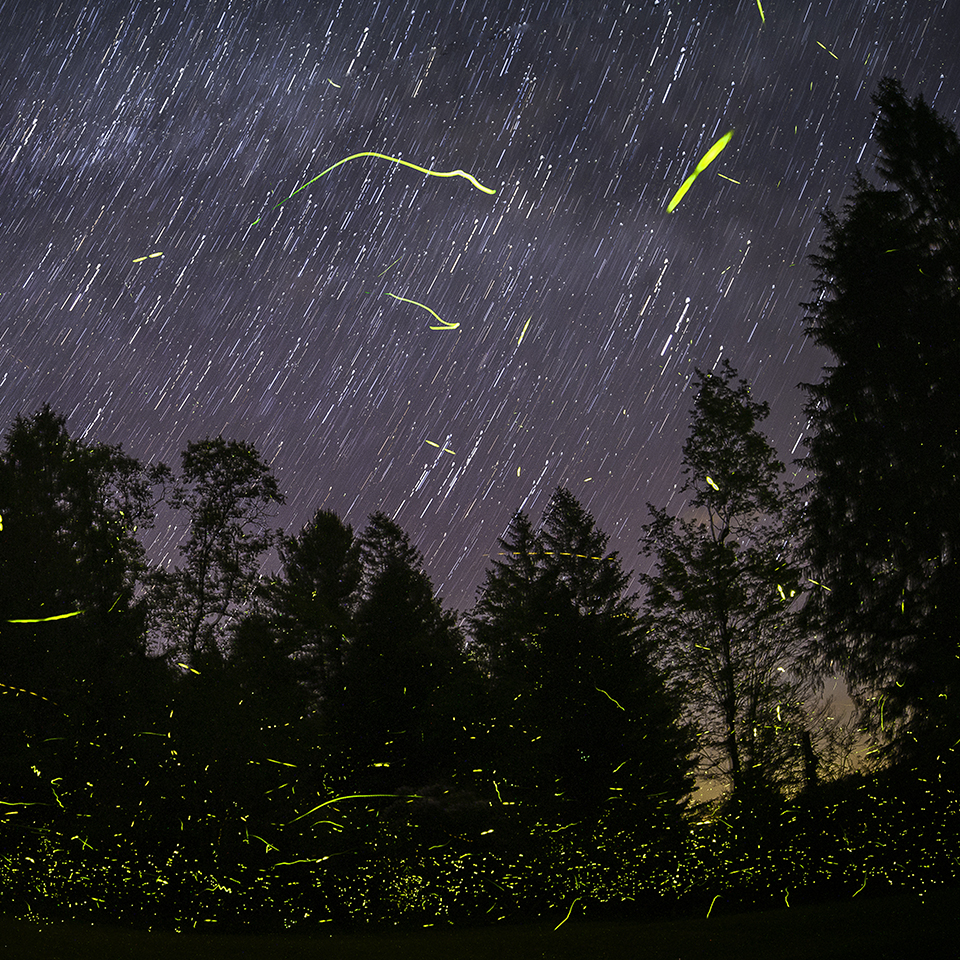
Turn Off Outdoor Lights at Night (or Use Motion Sensors)
Fireflies need dark spaces because they attract mates with their signature blinking glow. If it's too bright, they are unable to mate successfully since potential mates cannot see their signal. This is especially true at dusk, when fireflies are at peak courtship. Reducing lighting will also save money on electricity and provide a welcome relief for other insects and birds that also need dark spaces.
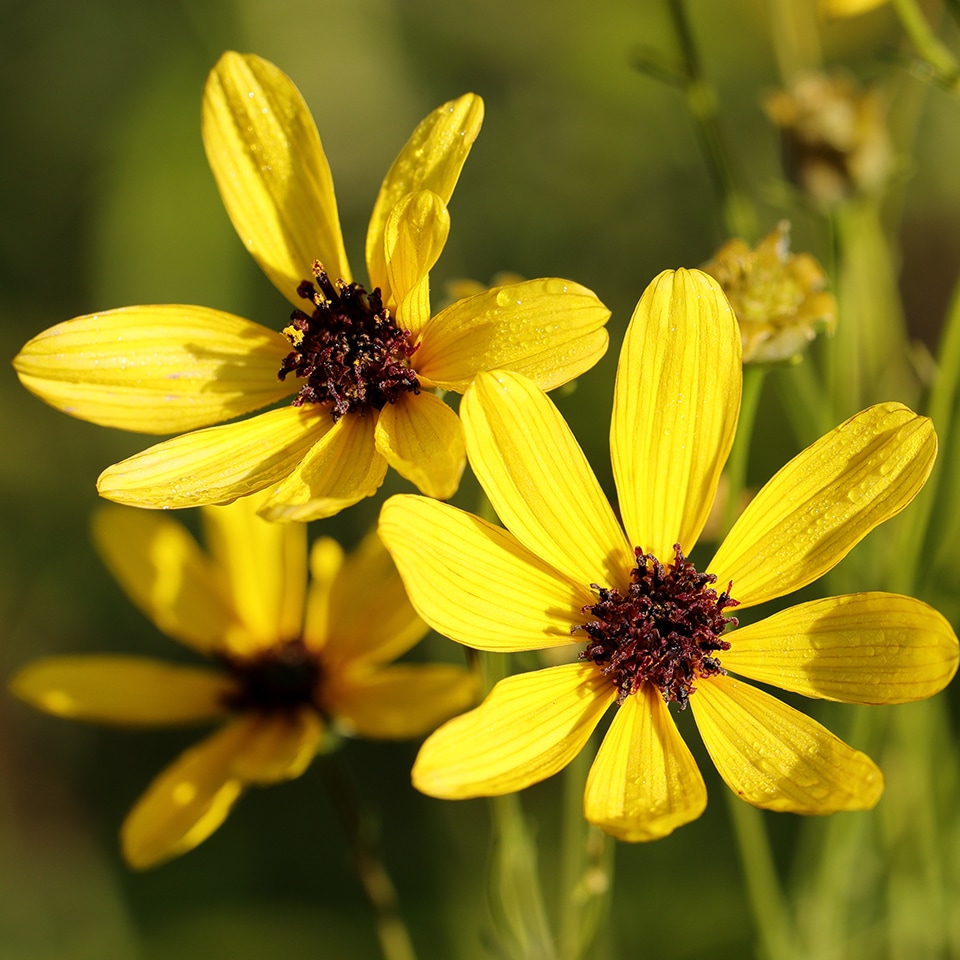
Convert Part of Your Lawn to a Native Meadow
Fireflies love these spaces, where tall stems give females a perch to signal from and young larvae can grow in the lower layers. This may seem daunting, but if you plant a native meadow from seed, you will invest approximately the same amount of effort as you would caring for a lawn. But then, when the meadow is established after two to three growing seasons, you will only have to cut the space once per year, which is much less work than a traditional turf.
Bonus: all the actions above also create rich, healthy soil. Healthy soil reduces flooding and drought, and it holds CO2 from the sky. So, by helping fireflies, we save time and money while also addressing serious environmental issues. A true win-win!
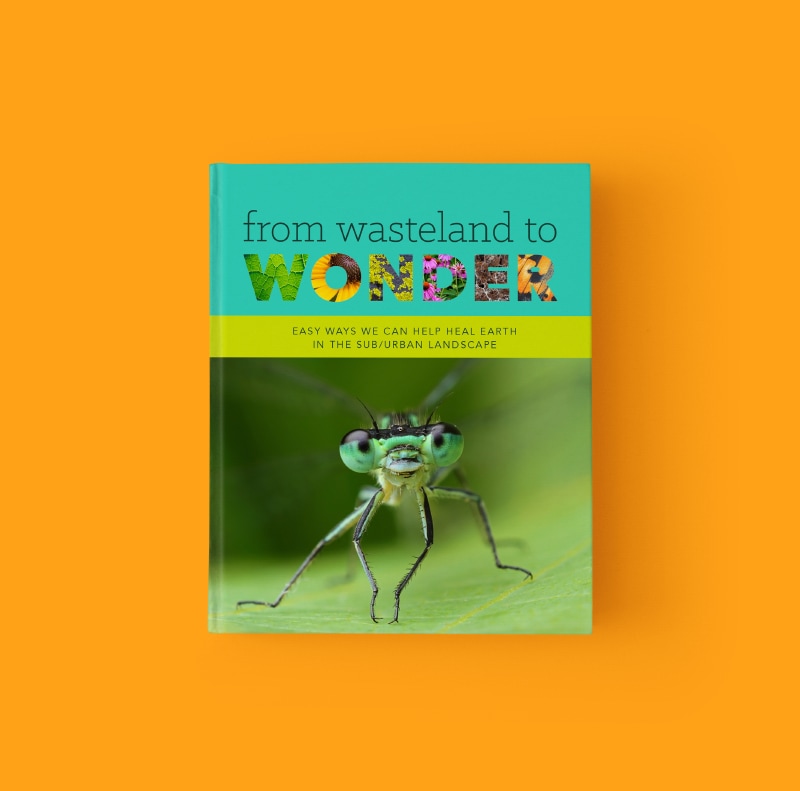
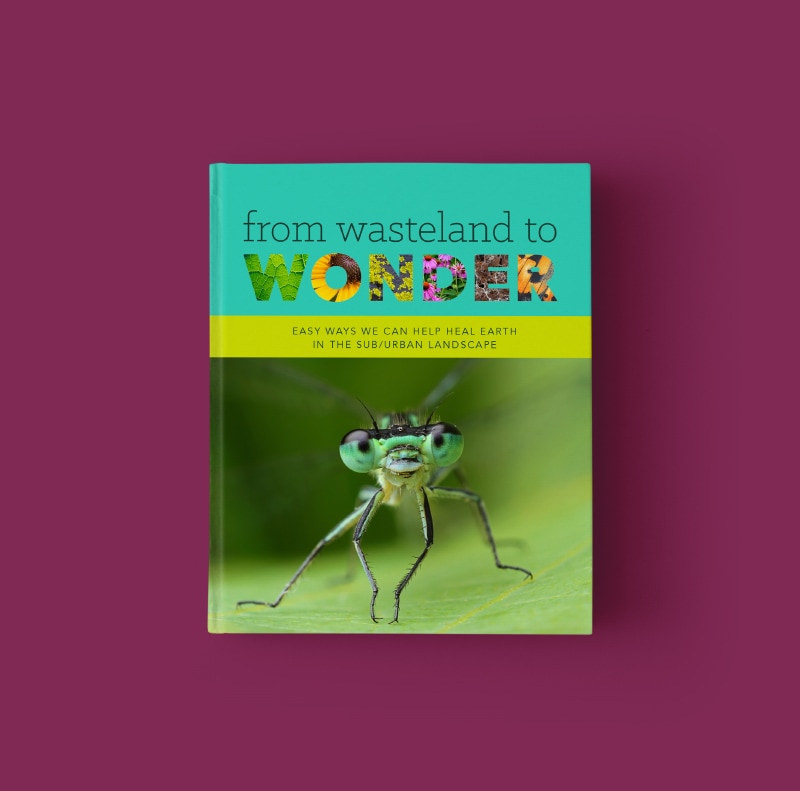
For more information or detailed instructions about how to perform any of these tasks, please download a copy of our book From Wasteland to Wonder – Easy Ways to Help Heal Earth in the Sub/urban Landscape, which we are giving away for free.
Now for the most important instruction of all: when the Jewels of the Night do return to your property, blinking cheerfully as the evening light slowly disappears, take a moment to enjoy the wonder. This is proof positive that we can make a difference.