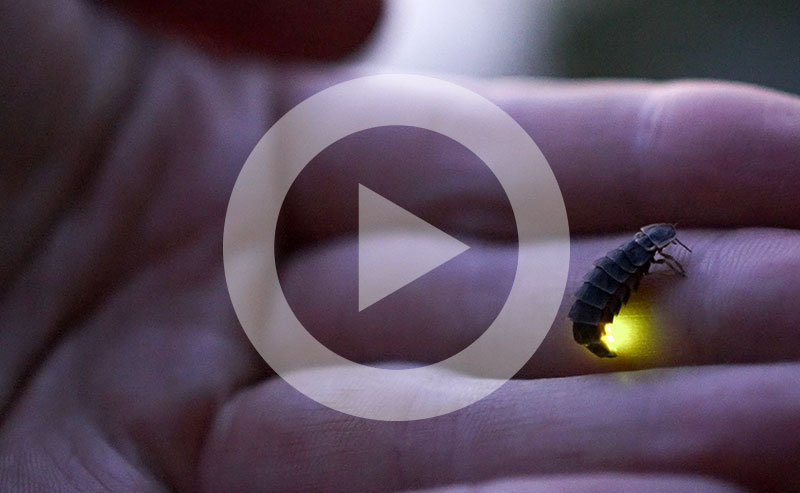
Video | How to Bring Fireflies Back to Your Yard
The real work starts now. Here's how to help fireflies call your place home.
Fireflies mark the start of another summer night, emerging at dusk to perform their nightly festival of lights. They let us hold stars in our hands, add a touch of romance to the outdoors, and lead us into our fairy tales. Fireflies are a wonderful part of summer, but their light is diminishing as their numbers decline. So today we’re talking about the best ways to have as many of them as possible next summer — because the real work starts now.
The key is to do less work, not more. Here are five ways to help fireflies call your place home.
Turn off your outdoor lights at night. Outdoor lights can be great, but they disrupt fireflies’ ability to communicate and find a mate. This matters most at dusk, when fireflies are most active, so turn off your lights or use a motion sensor to reduce how long they’re on. Use blinds and shutters inside your home to reduce the light spilling out. Keep everything dark so the lightning bugs can perform.
Save your leaves. Leaves provide habitat for young fireflies, so there’s no need to mulch them or send them away — just leave your leaves, it’s in the name. If you need to manage them, rake them into your tree beds, under your shrubs, or into a compost pile. If you want fireflies, you’re going to want your leaves.
Stop using chemicals on your property. These can be harmful not just to fireflies, but to all kinds of life that calls your yard home. That means no mosquito sprays, no fungicides, and no pesticides. It’s a really easy way to save money and time — and it also protects the birds, the bees, and your pets at home.
Leave your brush and wood scraps. Just like with the leaves, leaving your sticks and brush creates habitat for our light-up bugs. This is critical because fireflies spend one to two years as larvae in decaying leaves, rotting wood, and healthy soil. Rather than hauling all the brush away, leave it in a pile so there’s a healthy habitat for young fireflies to grow up in.
Swap fertilizers for compost. Fertilizers harm the soil and the life in it, including fireflies. So how do we keep helping our plants? With a compost pile — you can make one at home today with leaves, food scraps, and other rotting material. Stop buying fertilizer and start feeding your soil with compost today.
So remember, the best thing you can do to help fireflies is do less. No sprays. Leave the leaves and branches. And don’t forget to turn out those lights. That way we can keep the magic of our little lightning bugs alive by working with nature instead of against it — so we can enjoy their glow for years to come.