Structure = Strength
Worried about your trees? Want to help protect your property and keep your loved ones safe? Structural pruning is the key to maintaining safe, and resilient trees.
When done correctly, structural pruning reduces the risk of failure during storms, protects property, and helps trees live longer, healthier lives.
Why Trees in the Sub/urban Landscape Need Structural Pruning
Imagine you are standing in a forest. When you look around, you'll see that the trees are crowded closely together, which means they naturally:
- Grow tall and straight to reach sunlight
- Produce well-spaced branches
- Develop branches that remain smaller than the trunk that supports them
Trees in the forest have an ideal structure that makes them strong.
Now shift scenes.
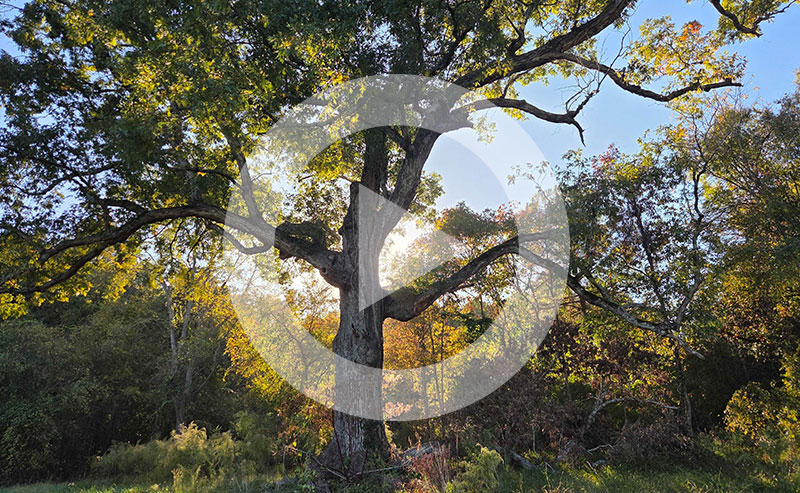
Picture a single tree growing in a yard or along a street in the sub/urban landscape. It has all the sunlight it wants and no neighbors to guide its shape. It grows wide in full sun, often with overly long, heavy limbs and multiple trunks. These features make it weaker than a tree with one strong trunk and smaller, evenly spaced branches.
Without proper structure, large limbs are more likely to fail during storms or high winds, putting homes, vehicles, and people at risk. The fallen branches not only damage property, but also create wounds on the tree that can cause the tree to decline or even die.
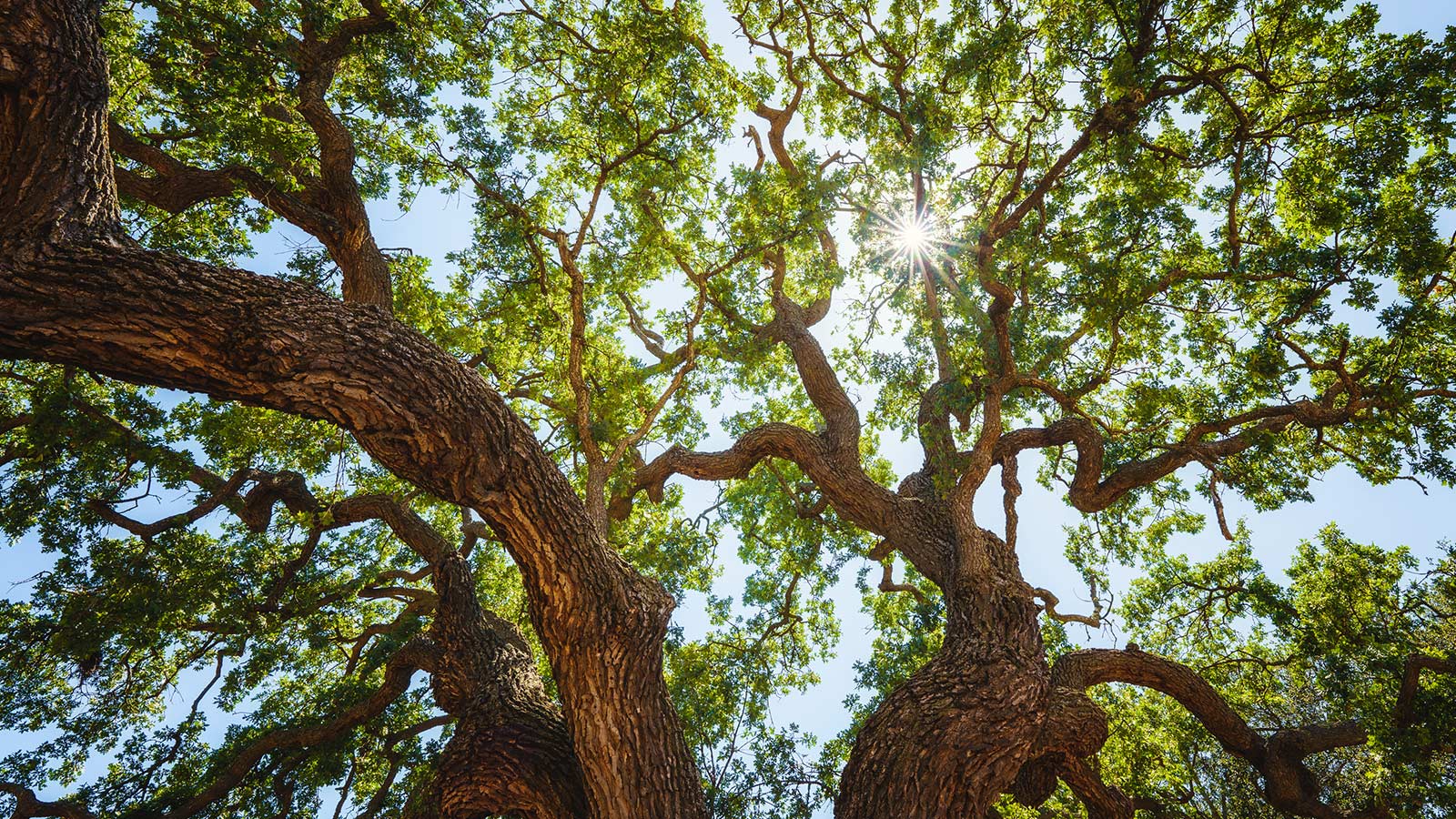
Structural pruning corrects a tree's structure by making it more like a forest tree.
Structure = Strength, Strength = Safety.
Why start structural pruning when trees are young?
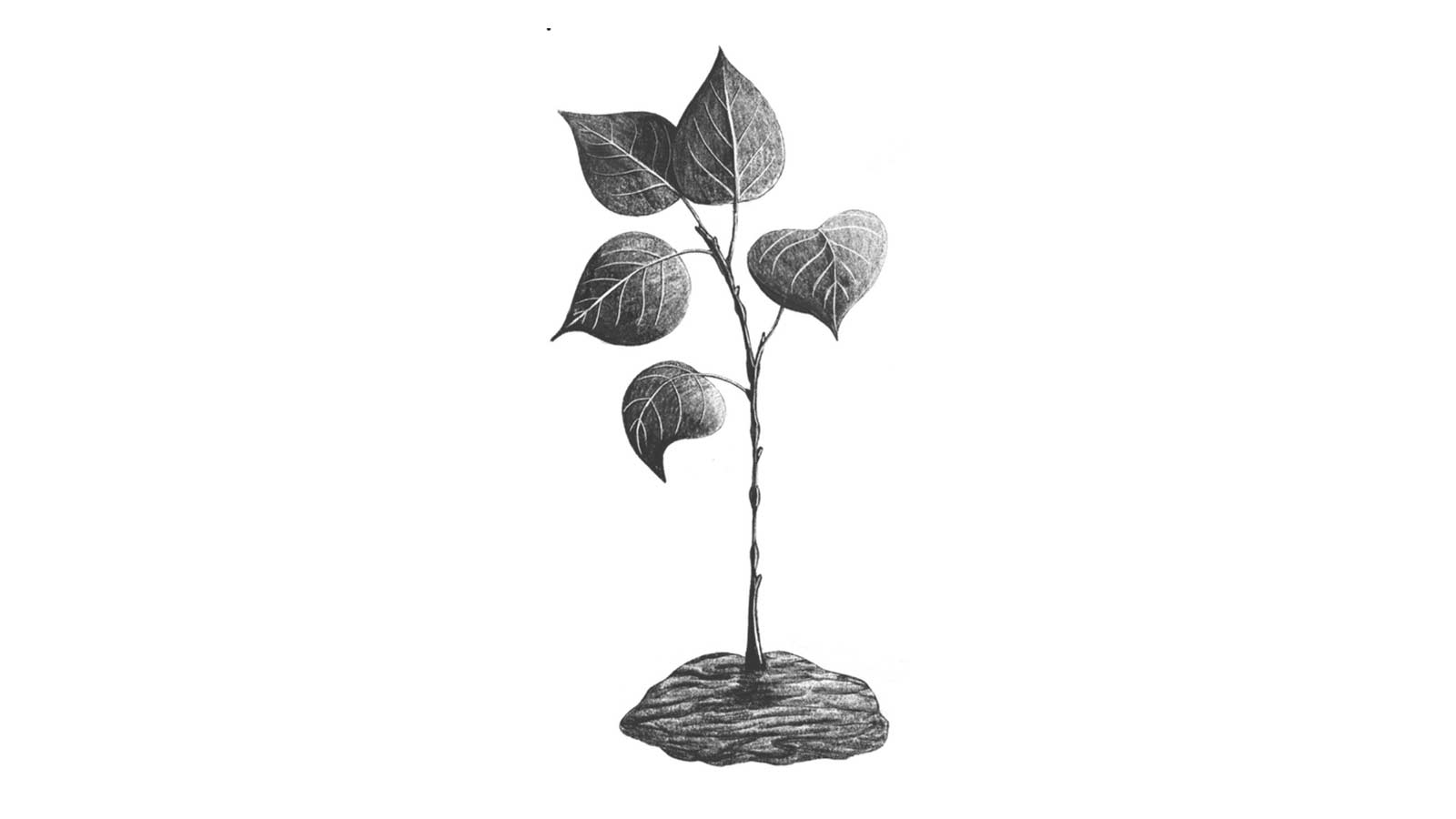
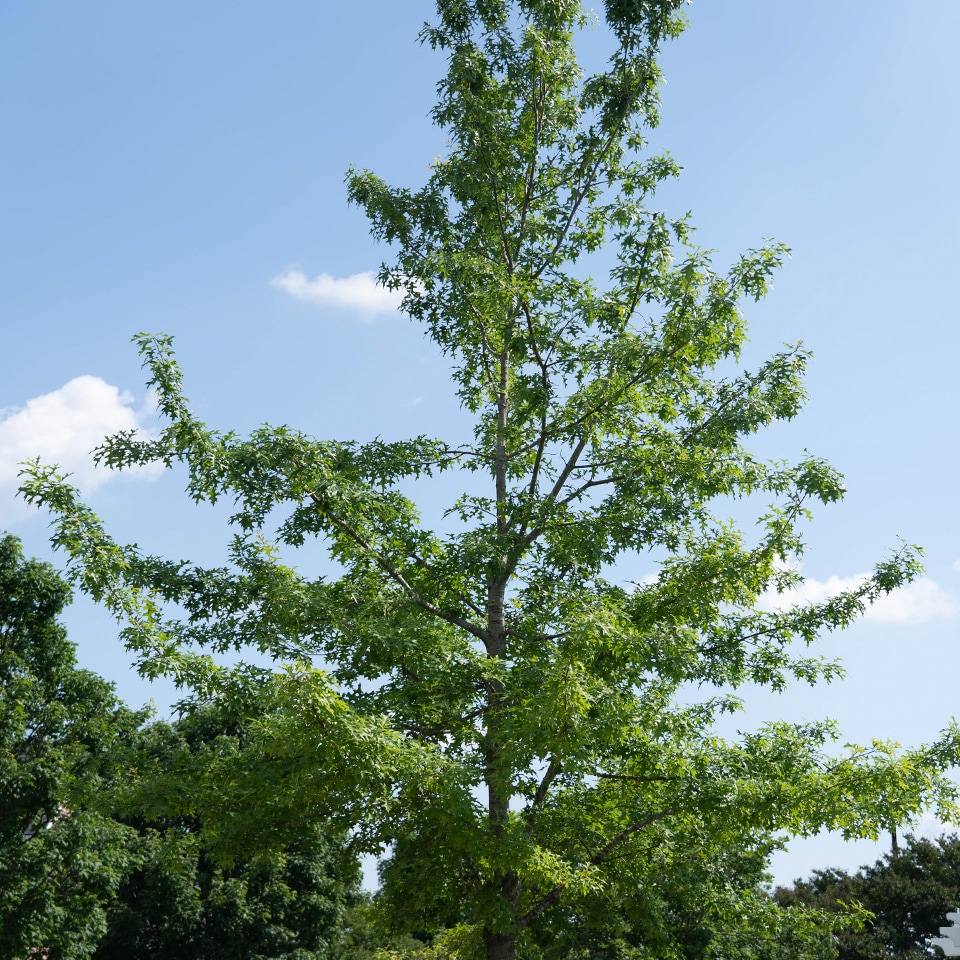
Structural pruning is a proactive pruning approach that guides young and maturing trees to develop strong, stable structure similar to how trees naturally grow in a forest. This includes:
- A single strong, central trunk
- Small, well-spaced branches
This reduces the chances of limbs falling or your tree breaking, and ensures that your trees live long, healthy lives.
Benefits of structural pruning
Structural pruning provides long-term benefits for both trees and the people who live around them, including:
- Improves overall tree structure
- Reduces weight of long or heavy limbs
- Decreases the risk of branch failure or trunk splitting
- Helps trees grow safer, stronger, and more resilient
- Protects people, homes, and property
- Extends the lifespan of trees
- More years of shading and birdsong
- Prevents costly removals and emergency repairs

Why should I hire a professional arborist to structurally prune my trees?
Bad pruning can kill trees. Improper pruning cuts can permanently weaken a tree, invite pests and disease, or accelerate decline.
At Leaf & Limb, our Treecologists are trained to understand tree biology, growth patterns, and the long-term structural development of trees. Every cut is intentional, precise, and made with the tree's future in mind.
Done correctly, structural pruning strengthens a tree and improves long-term resilience. Done incorrectly, it can irreversibly damage or shorten a tree's life.
How we structurally prune a tree
- On-site inspection — A Treecologist studies the tree's structure, growth patterns, health, and potential risk factors.
- A tree-specific plan — Every tree is different. We create a pruning strategy based on age, species, health, and long-term goals.
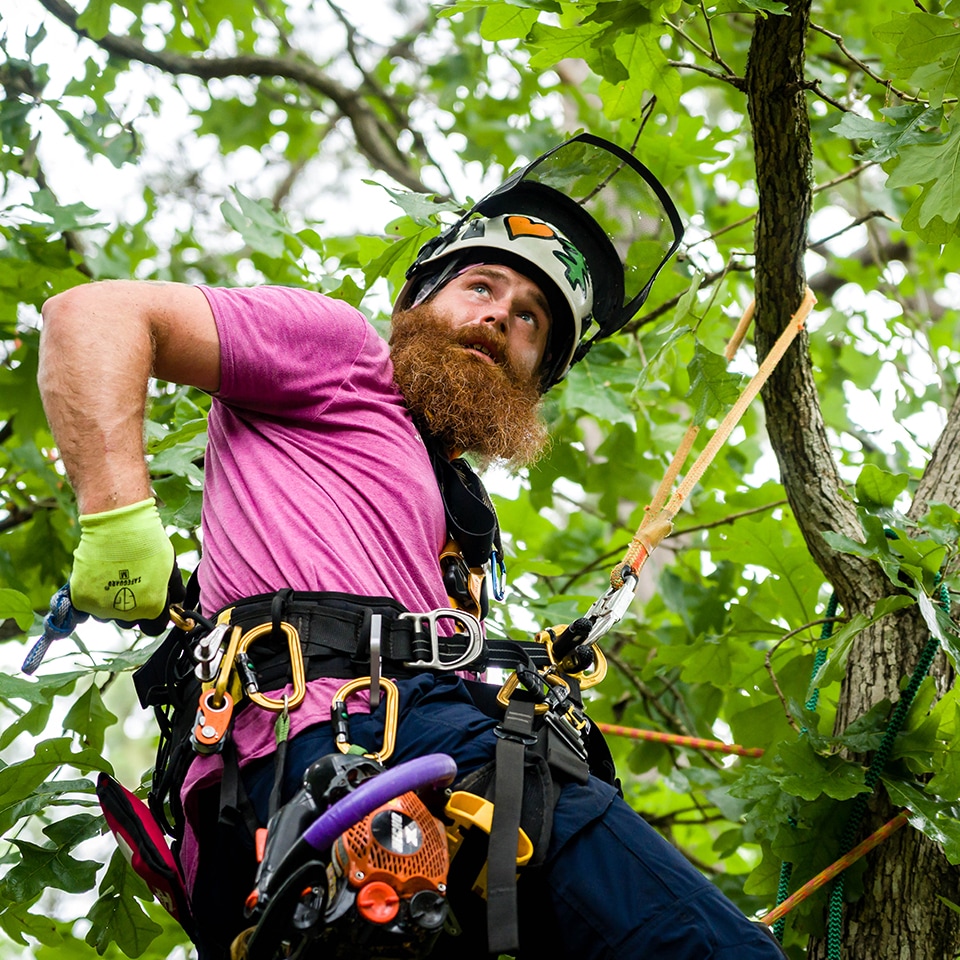
- Rope climbing, never spikes — We only climb using ropes, never spikes, to keep the trunk healthy and unharmed.
- Expert, precision pruning — We make intentional cuts to improve structure, reduce weight, and guide growth. We never remove more than the tree can handle in a single cycle. All crew members are trained in proper pruning techniques.
How do I know if I need to structurally prune my trees?
Structural pruning is ideal if you:
- Want your trees to be stronger and safer as they grow
- Worry about branches over your home, driveway, or yard
- Have young trees and want to "set them up for life"
- Want mature trees to thrive for decades to come
- Want to save money on long-term maintenance costs
Ready to Strengthen Your Trees?
Structural pruning is one of the best ways to ensure your trees grow safely and remain resilient for decades to come.
Schedule a Structural Pruning Consultation
A Treecologist will walk your property, answer questions, and create a plan tailored to your trees' health and long-term well-being.