Stronger With Every Storm: The Tale of a 150-year-old Oak Tree
Big, healthy trees are much stronger than we often think, and they are irreplaceable.
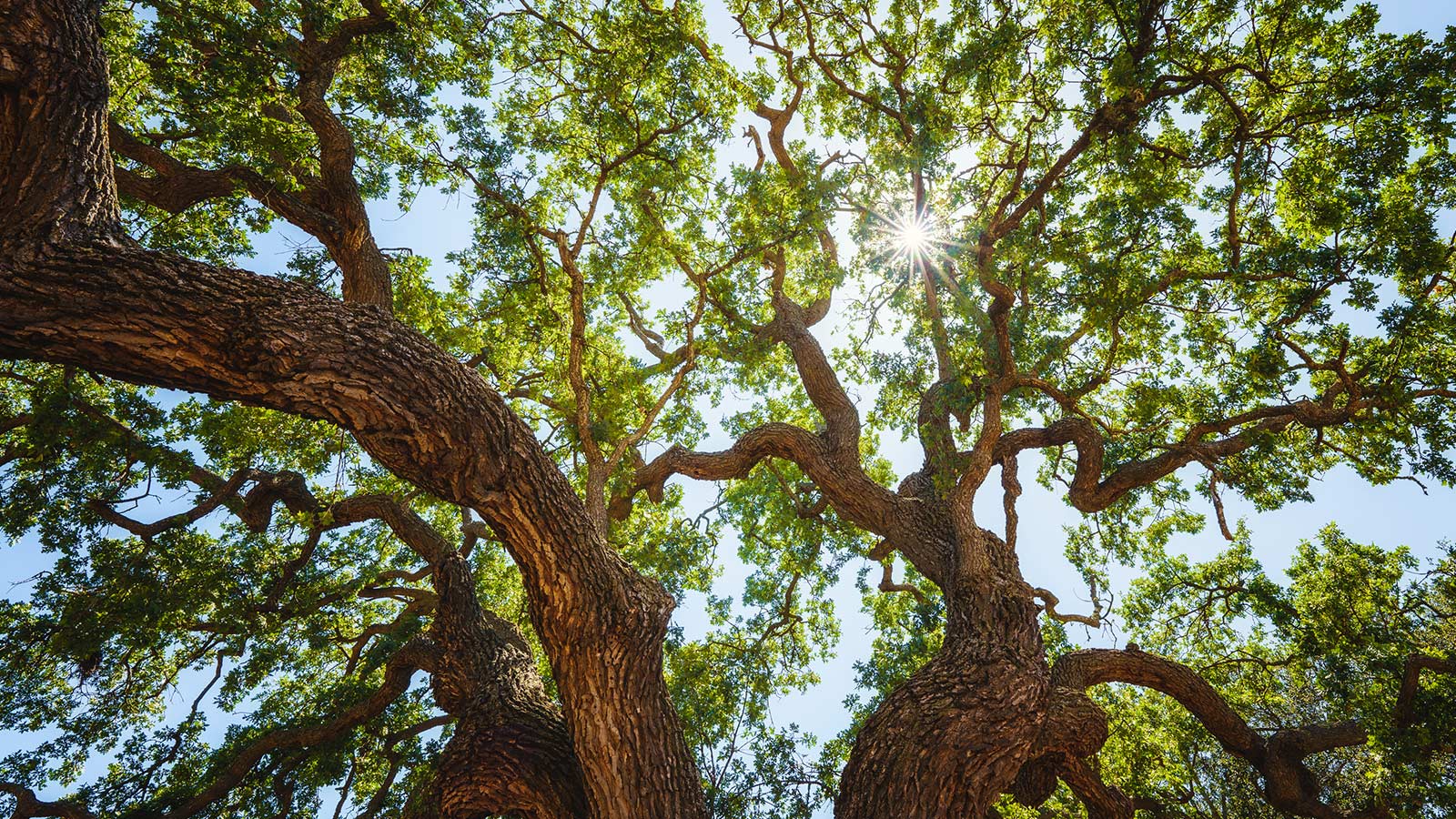
Big, healthy trees are much stronger than we often think. Large tree failures often make the news. We don't hear about the thousands of trees that storms don't topple.
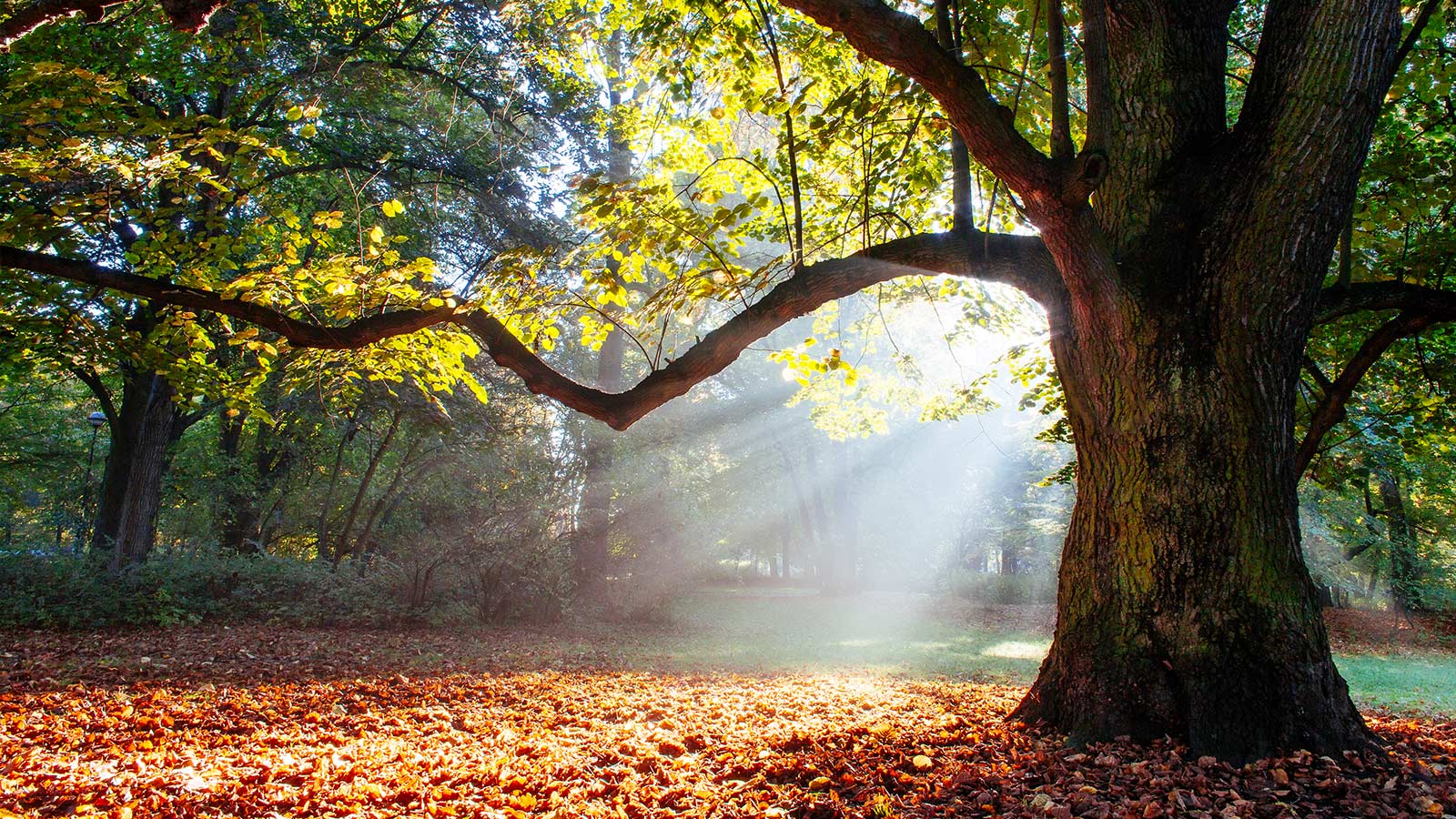
Somewhere in Durham, a white oak has been standing since the 1870s. It was here for Hurricane Hazel in 1954, for Fran in 1996, and for the great ice storm that coated the Piedmont in December 2002, plus countless lesser wind, rain, and ice storms. It is still standing.
How did that veteran farmhouse tree not only survive but get stronger in the process? Let's close our eyes and imagine such a tree.
In 1874, a squirrel picked up an acorn and planted it in rich Piedmont soil in a nearby abandoned farm field slowly being overtaken by pines, sweetgums, and wildflowers. It grew slowly alongside its companions.
Around 1890, a farmer cleared most of the surrounding trees to build a farmhouse and tobacco fields. This small white oak, now a 20-foot tree, was chosen as a future shade tree because it had what every strong tree needs: a straight trunk and well-spaced branches.
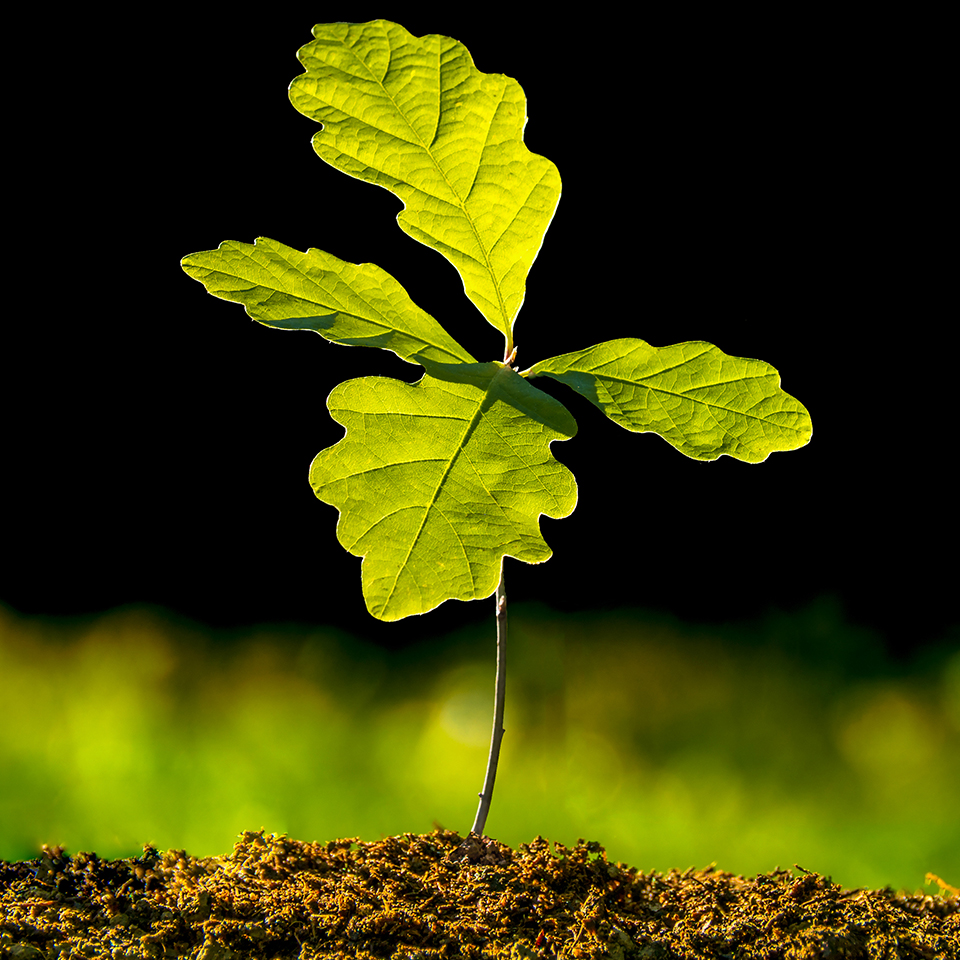
The farmer had pruned enough apple and peach trees to know that tight forks split in storms. Before air conditioning, people wanted a large shade tree over their home, and white oaks were especially desirable for their strong wood. The tree grew quickly in the open sunlight and rich soil. As it grew, it flexed in the wind and developed a strong trunk and limbs. The roots spread, anchoring the tree firmly on all sides.
The farmhouse oak, now over 80, stood resilient and strong, with a thick but relatively short trunk, a wide root flare, and a broad, stout crown. The swept yard of earlier decades eventually gave way to mossy patches, violets, and chickweeds. Decades of chickens scratching and pooping beneath it had enriched the soil.
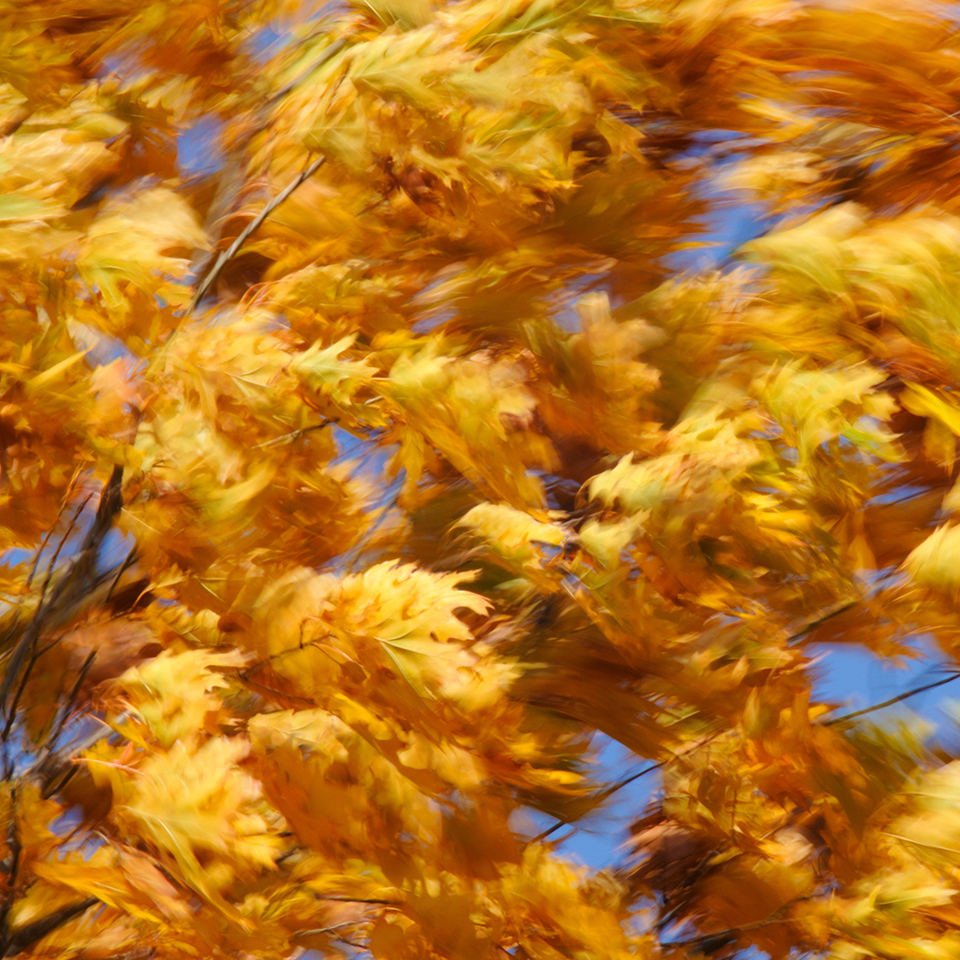
In October 1954, the farm family watched as Hurricane Hazel's lashing winds howled and shook the stout tree. Its well-spaced limbs swayed, each to its own rhythm, absorbing the wind's energy before it reached the trunk. Leaves curled, streamlining to let the wind slip by. A few smaller limbs snapped, but the trunk and main structure held.
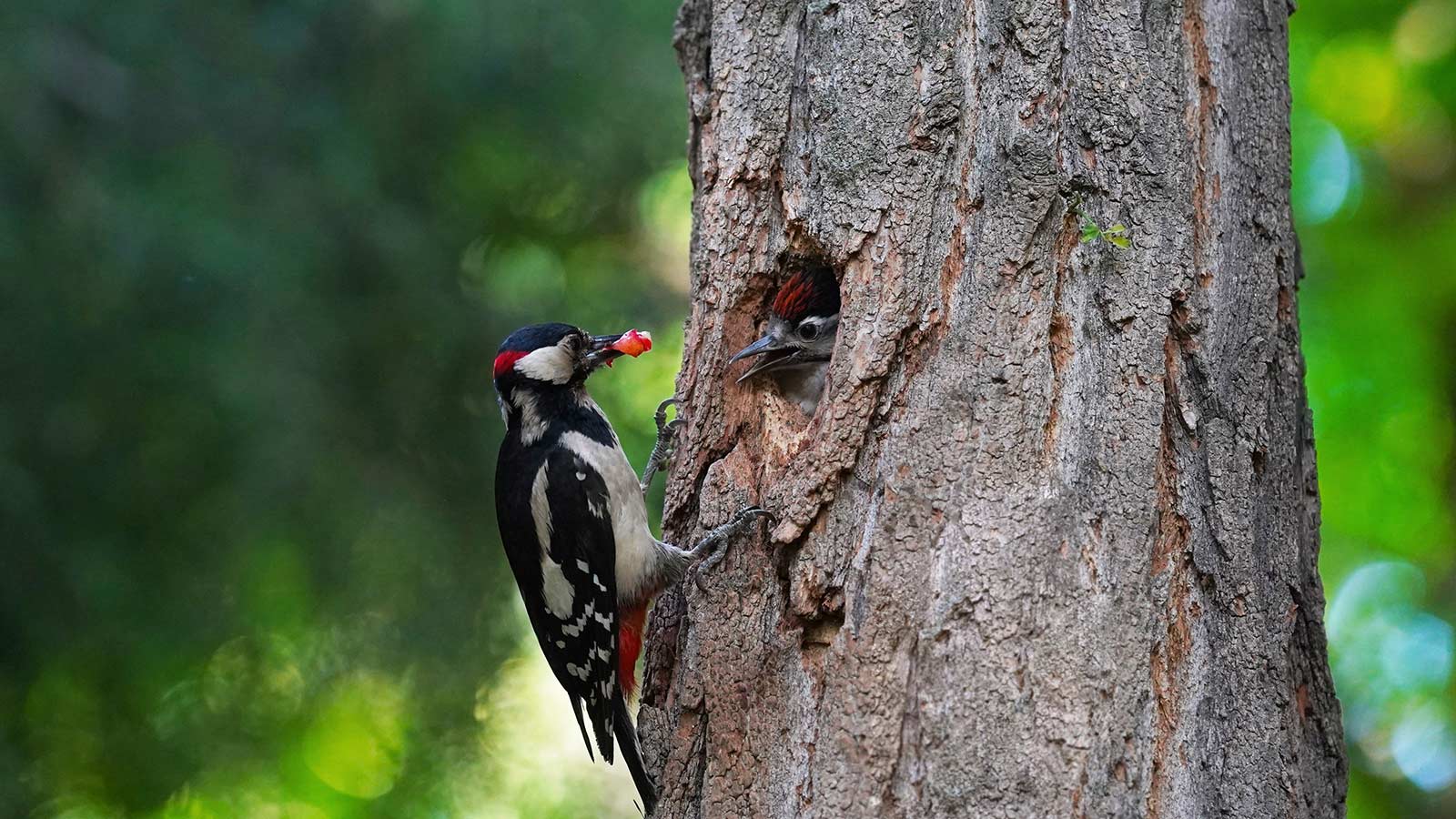
The family modernized the farmhouse several times, but they took care not to cut the old tree's roots. A shade garden of ferns and other shade-loving plants was planted beneath the canopy, and leaves were raked into the garden each Fall. For a while, flying squirrels made an old hollow their home.
In early September 1996, after a long, rainy summer, Hurricane Fran arrived with lashings of heavy rain, severe flooding, and high winds that turned the already wet soil into soup. The trees were still in full leaf, and many couldn't withstand the forces and simply toppled.
But the farmhouse oak held, anchored by its massive, undamaged root system. Its low profile and stout trunk and limbs held, though tattered at the ends. In nearby developments, trees came down in droves. Some were forest trees left standing after the lots were cleared with their roots damaged by construction, and others were recently planted trees whose roots had not yet had the decades they need to spread.

In the years after Fran, the veteran tree began to change. Its long limbs died back, either partially or completely. Some were shed naturally, while others, closer to the house, were carefully pruned to a healthy point. New young twigs and limbs began to grow in the thinning old canopy. The tree was "retrenching." It shed long, expensive-to-maintain limbs and began growing new, smaller ones. Its abundant energy in its old age testified to its strong, expansive root system and weather-hardened structure. The flying squirrels' hollow had widened over the years, too. But like a steel pipe, a hollow trunk with a sound outer shell stays strong.
In 2002, the old oak faced another test when an ice storm rolled over Durham on December 4, coating the Piedmont in ice. By then, the old oak was 128 years old.
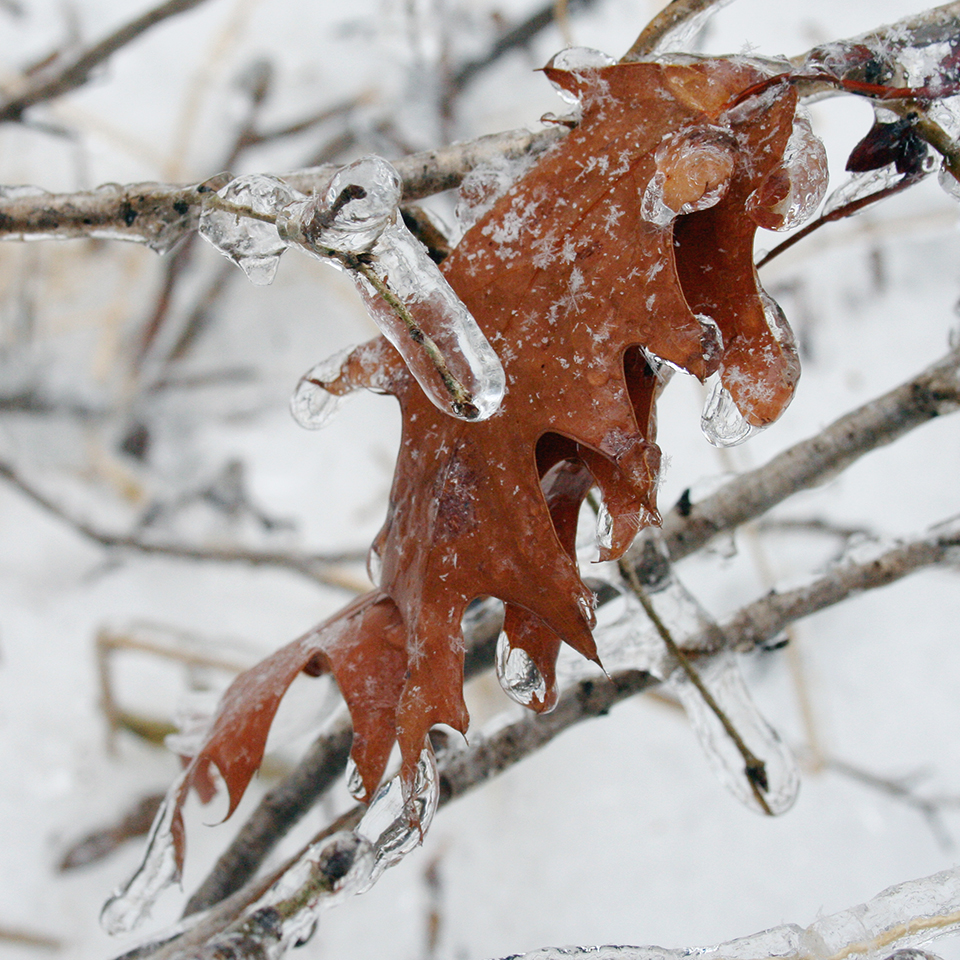
All around it, trees with overly long limbs and poor form cracked under the weight of up to an inch of ice. The oak's massive trunk and short, thick limbs carried the load. It lost a few branch tips and nothing more.
The gnarly old tree is now over 150 years old. It shows its age in many ways, but it remains strong, leafs out every year, and provides shade, food, and habitat for wildlife.
Thankfully this massive tree survived through all those storms. Its value to the ecosystem is enormous and it is irreplaceable.
The Lessons Learned
Our story reveals how the tree withstood three significant storms, and you've probably noticed many of the factors. Here is a summary of the ways that trees grow strong and ways we can help mature trees stay safe and strong.
How Trees Grow Strong
- Strong trees develop a straight central trunk and well-spaced branches early on.
- Trees build themselves in response to wind stress. Trees in the open develop short, stout trunks and very wide root flares.
- Branches are built to sway in the wind. Wind energy is dissipated along the limbs, all the way to the tips. Limbs with lots of side branches do the best job of spreading out the forces. Leaves curl into smaller shapes to reduce the "wind sail" when storms get rough.
- The root system is a big part of a tree's mass. The root mass can be 25% of the total mass of the tree. Although roots don't go very deep, they grow wide, often two to three times wider than the canopy, to anchor the tree securely.
How to Help Them Stay Strong
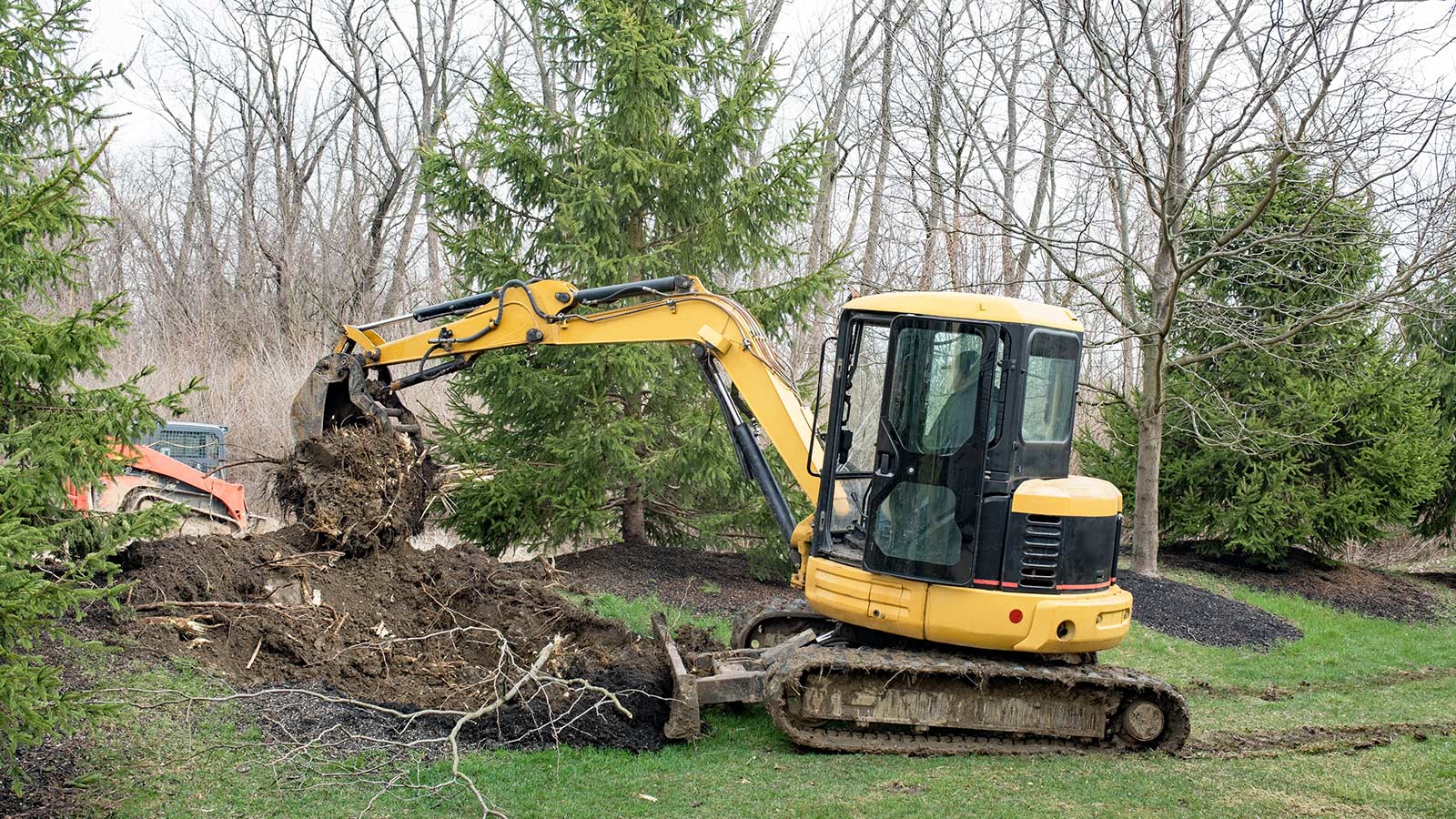
- Don't impact their root zone. Do not cut important roots, bury the root zone under fill, or allow heavy machinery to compact the soil during construction projects.
- Location. Plant new trees where their root zone will be large enough to support the mature tree. Want help finding the right place? Read Right Tree, Right Place: What to Plant and Where to Plant It.
- Maintain healthy soil. Sub/urban soils are compacted and usually lacking in nutrition. Add compost and mulch to support a healthy, strong root system. Rake fallen leaves under the canopy and plant ferns and small shade-loving native plants beneath it. Have the soil professionally de-compacted if the soil is so hard that you can't even push a screwdriver into it.
- Structural pruning. If your young tree lacks a straight central trunk and well-spaced branches, professional structural pruning can improve its form. Shorten overly long limbs to a healthy growing point that can support the remaining part. Learn more in Safe and Sound: How Pruning Can Make Your Tree Strong.
Want to be sure one of your old trees leads a long and healthy life? Read more about the needs of old trees and how to care for them.
A mature tree takes a lifetime to replace. A big, healthy tree with undisturbed roots is far safer than most people realize and well worth protecting. If you have big old trees (or any trees at all, really) that you would like to help live long and prosper, contact us, and we will come out and help you make it so.