Safe, Professional Tree Pruning That Protects Your Home and Loved Ones
Is there a long limb stretching over your roof, your driveway, or the spot where your kids play? The farther a branch reaches, the more weight it carries at the end, and the more likely it is to break in a storm.
When done properly, weight reduction pruning shortens that limb to make it stronger and safer. It also prevents unnecessary damage to your tree so it can live a long, happy life.

Why Limbs Become Too Heavy in the Sub/urban Landscape
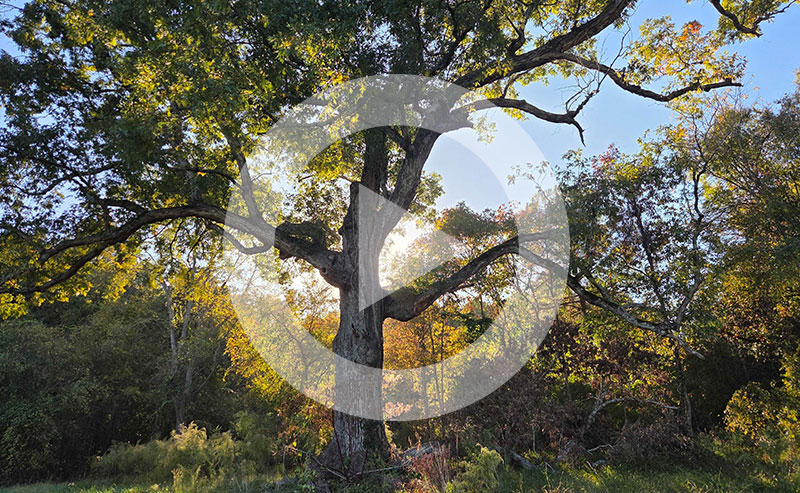
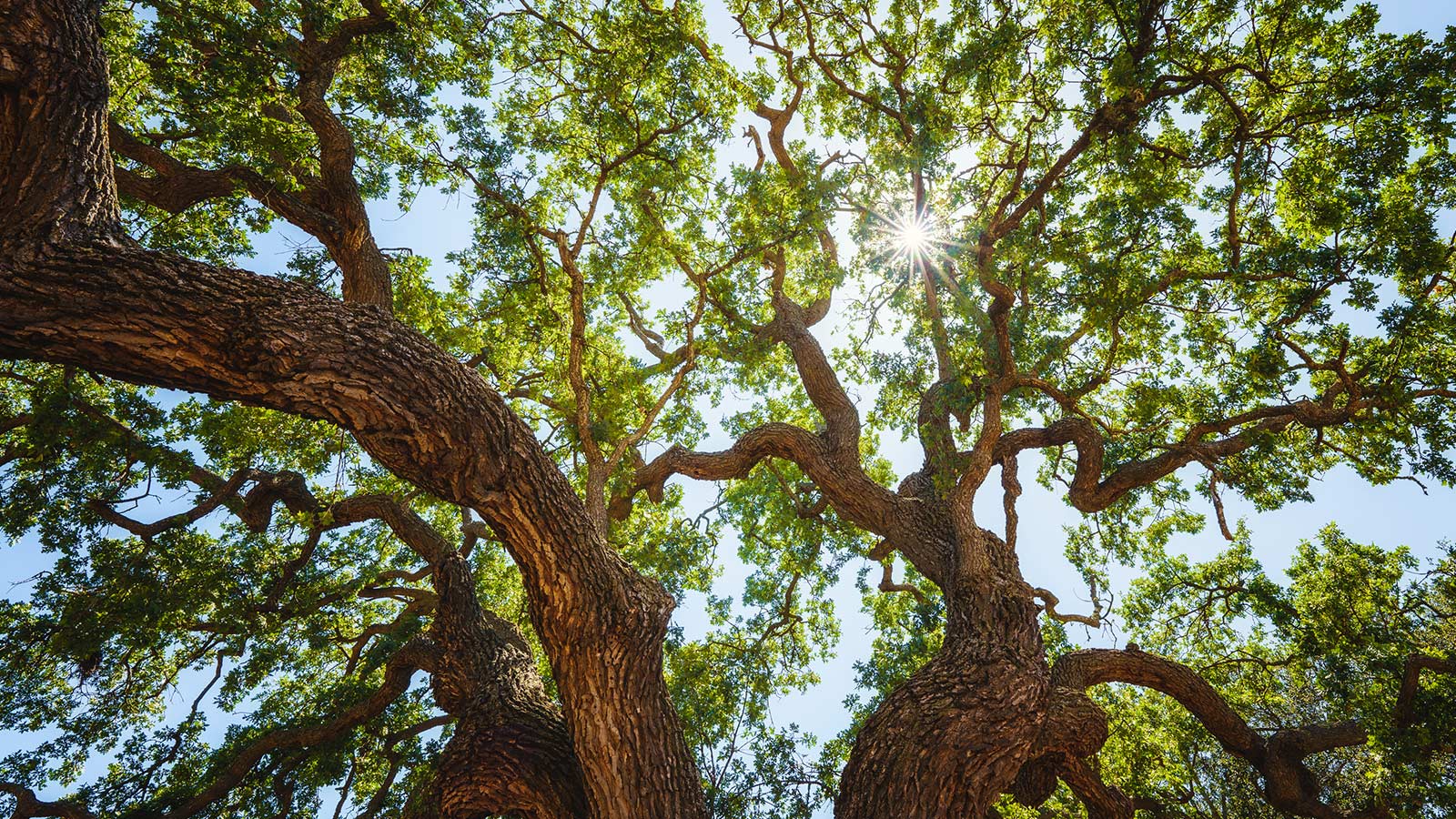
Think about an oak in an open yard. Nothing crowds it, and sunlight reaches it from every side. So it grows out instead of up. A single limb can reach 30 or 40 feet from the trunk.
Every year that limb gets longer and heavier. Wet leaves after a summer downpour, a coating of ice in January, a gust from a thunderstorm: each one multiplies the force at the point where the limb meets the trunk.
Eventually something gives. The limb cracks partway out, or it tears away at the trunk and takes a strip of bark with it. Either way, you lose a large piece of the tree, and the tree is left with a wound it may never fully heal.
Less weight at the end. Less force at the trunk.
What is weight reduction pruning?
Weight reduction pruning shortens an overextended limb by cutting it back to a side branch. Arborists call this a reduction cut. The tree keeps growing in a natural direction from the branch that remains.
Two principles guide the work:
- Keep pruning wounds as small as possible
- Keep pruning wounds as far from the trunk as possible
That is why we shorten limbs rather than remove them whenever we can. A cut out at the end of a branch is a smaller wound that heals more quickly.
What are the benefits of weight reduction pruning?
- Reduces the load carried at the end of long limbs
- Lowers the force placed on the union where limb meets trunk
- Makes overextended limbs less likely to fail in wind, ice, or heavy rain
- Keeps the limb and its leaves on the tree instead of removing it
- Leaves small wounds far from the trunk, which the tree heals faster
- Protects roofs, vehicles, and the spaces underneath the canopy
- Extends the life of mature trees that are otherwise healthy

Why should I hire a professional arborist for weight reduction pruning?
Bad pruning can kill trees. Improper pruning cuts can permanently weaken a tree, invite pests and disease, or accelerate decline.
At Leaf & Limb, our Treecologists are trained to understand tree biology, growth patterns, and the long-term structural development of trees. Every cut is intentional, precise, and made with the tree's future in mind.
Done correctly, weight reduction pruning takes the weight off long limbs and makes them stronger. Done incorrectly, it can irreversibly damage or shorten a tree's life.
The Weight Reduction Pruning Process at Leaf & Limb
- On-site inspection. A Treecologist assesses each limb of concern, the union where it attaches, the tree's overall health, and what sits underneath.
- A tree-specific plan. Every tree is different. We identify which limbs to shorten, how far back, and whether the work belongs in one visit or spread across pruning cycles.
- Rope climbing, never spikes. We only climb using ropes, never spikes which harm the tree because they gouge the bark, allowing disease to enter
- Precise reduction cuts. We cut back to a living side branch, leaving enough leaves and twigs to keep the limb healthy. We never remove more than the tree can handle in a single cycle, and we never top or lion-tail a limb.
How do I know if my trees need weight reduction pruning?
Weight reduction pruning may be a good fit if you have:
- Long horizontal limbs reaching far from the trunk
- Heavy growth concentrated at the ends of branches
- Limbs extending over your roof, driveway, deck, or play area
- A mature tree that grew up in an open yard with no neighbors
- Limbs that sag noticeably after rain or bounce in moderate wind
- A tree that has already dropped a large limb in a storm
Not every long limb needs pruning. Some are well supported and better left alone. A Treecologist can tell you which is which.

Ready to Lighten the Load?
Shortening an overextended limb is one of the few ways to make a mature tree more resilient without taking anything irreplaceable away from it.
Schedule a Weight Reduction Pruning Consultation
A Treecologist will walk your property, answer your questions, and create a plan built around your trees' structure and long-term health.