8 Great Ways to Love Your Tree
From mulch to pruning to simply sitting underneath one, here's how to help your trees flourish.
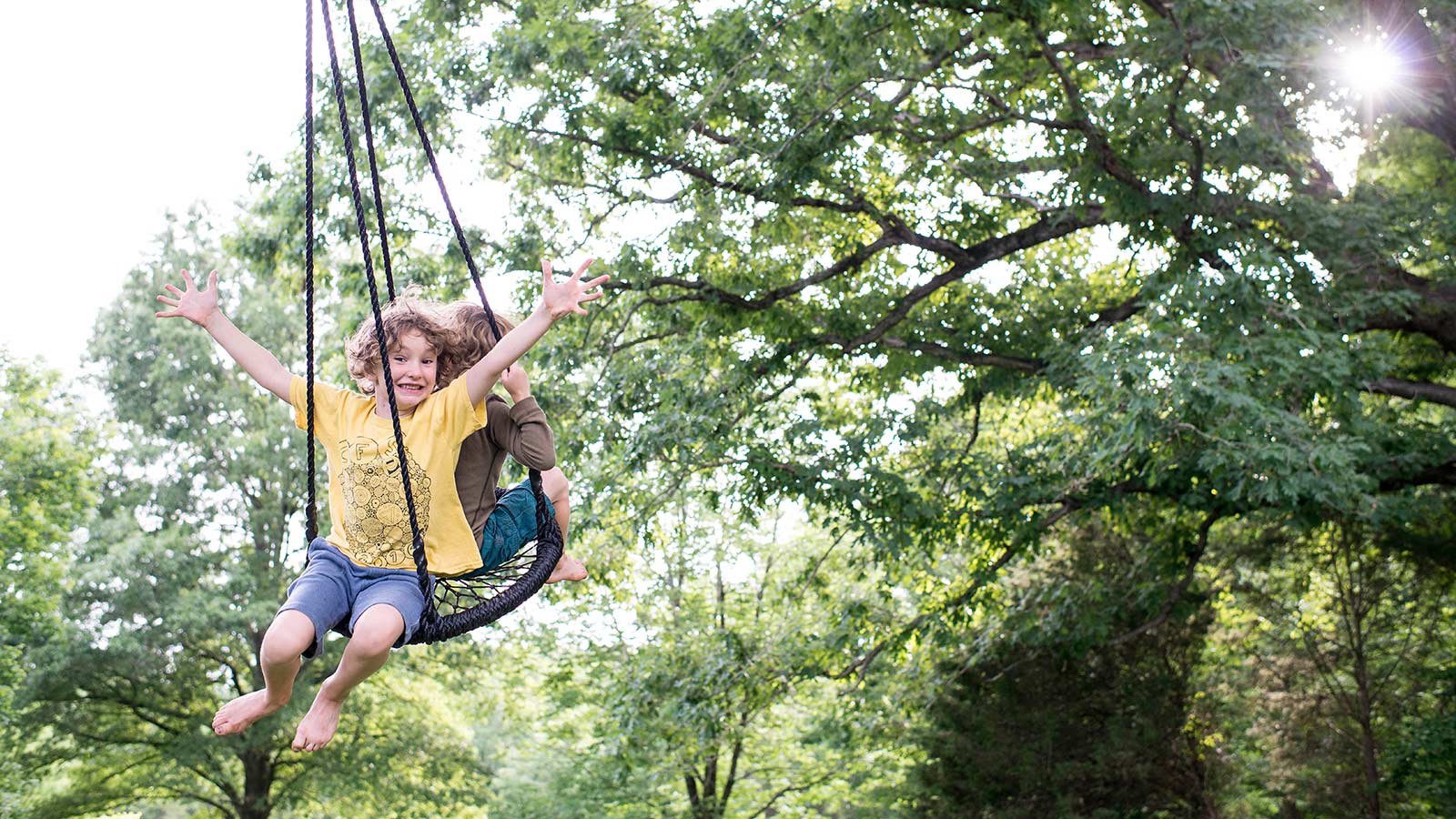
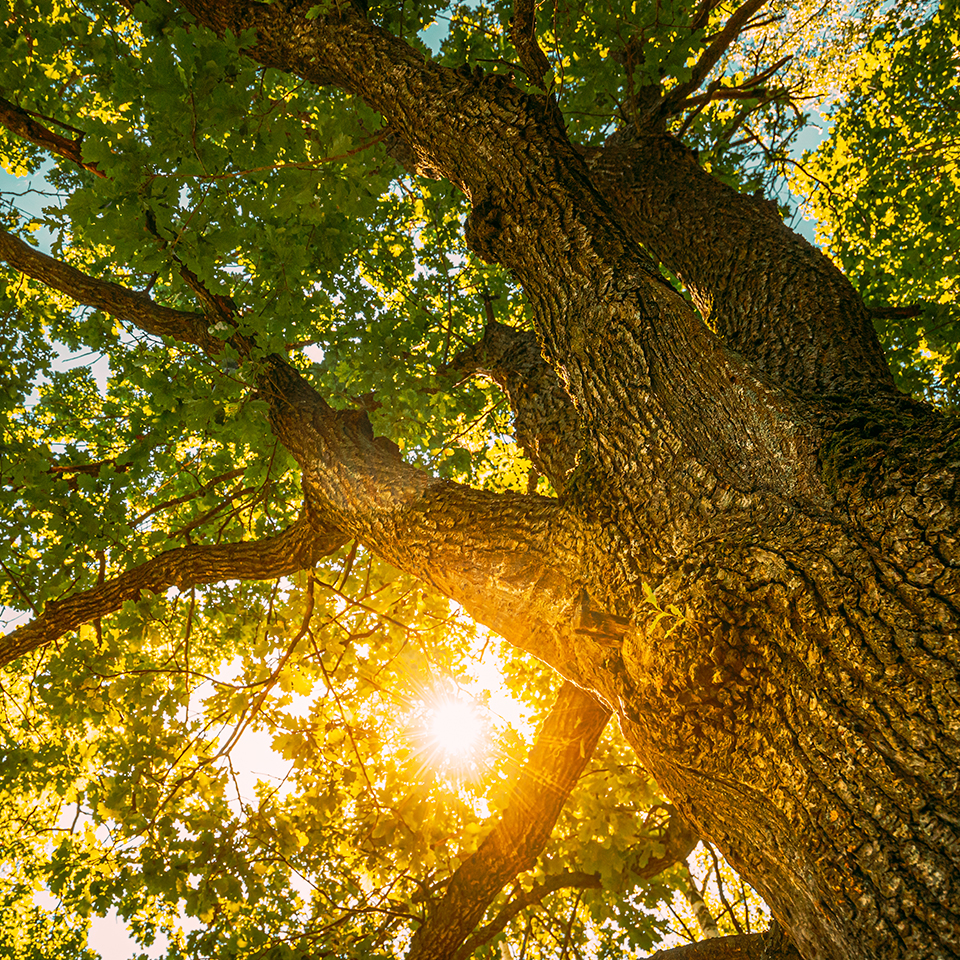
Did you know a mature oak moves 40,000 gallons of water from the soil to the sky in a single year?
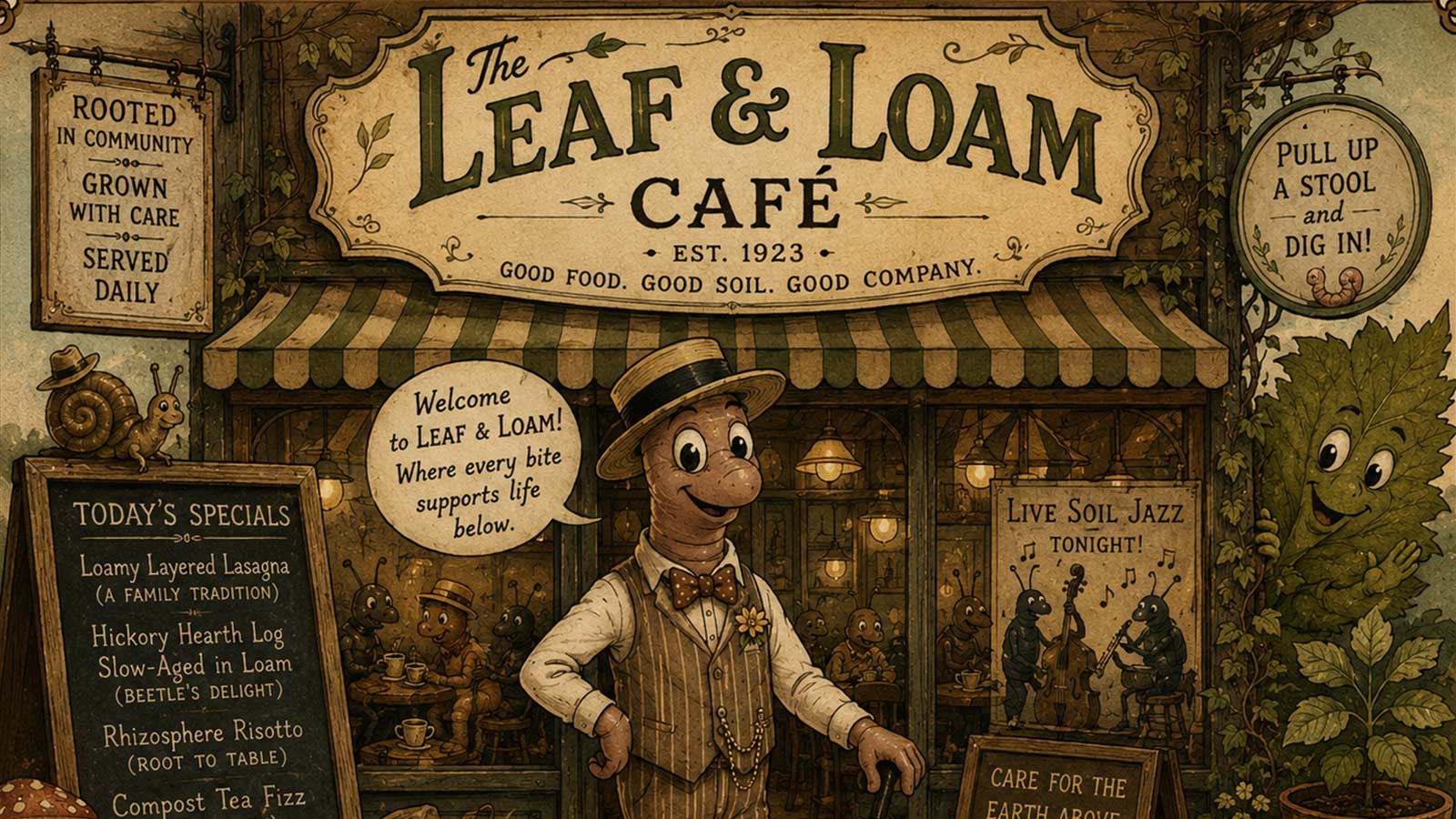
Trees are not simply decorations – they are amazing! If you are a pollinator, butterfly, or bird, trees form your cities. These are the thriving metropolises where thousands of species and millions of individuals feed, live, and chat over coffee.
Trees do even more for us humans! They munch happily on sunlight, transforming it into food. We all eat plants, or eat something that eats plants. Trees also provide us with water by terraforming what was once rocky dirt into spongy soil that holds rainwater in place and allows it to seep deep underground, where it pools into clean drinking water. Trees cool our cities, clean the air, provide us with many medicines, provide us with building materials, and so much more.
So how can we show these magnificent trees a little love? Here are eight of the best ways you can do so:
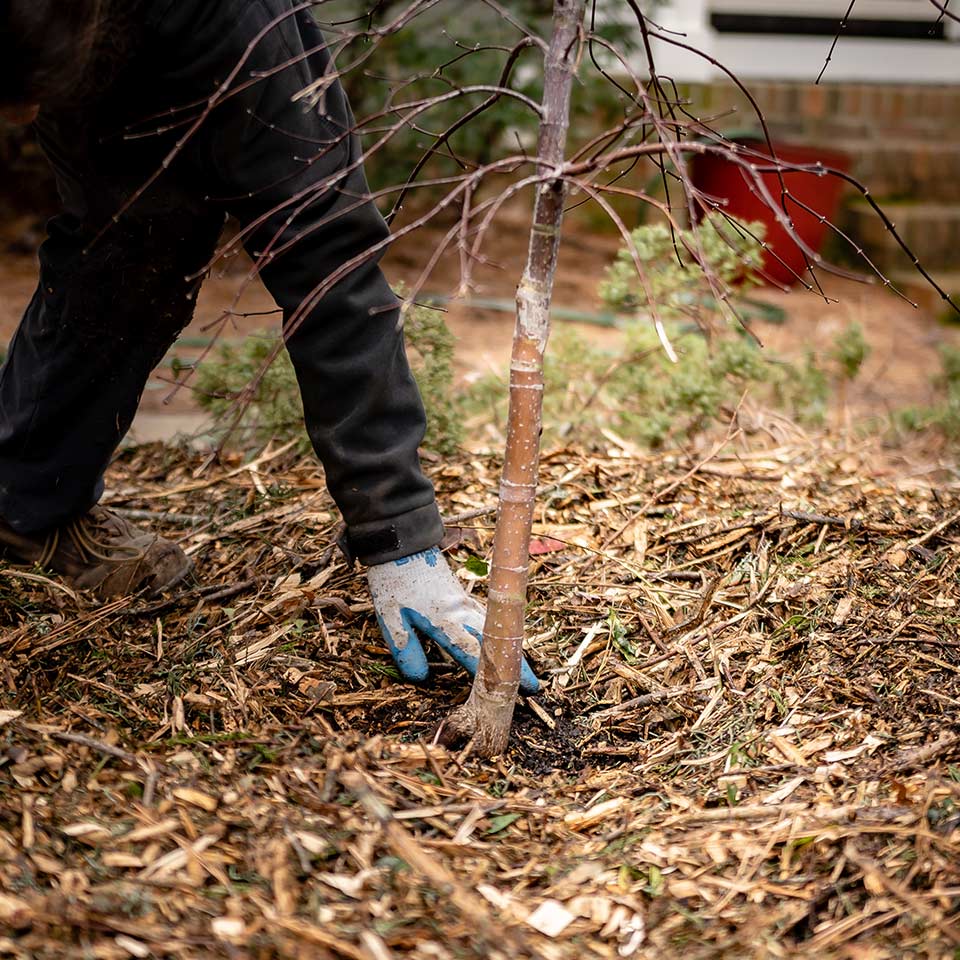
Don't Bury Them in Mulch
This rots the trunk and kills the tree over the course of a decade. They love mulch, so long as it's placed in the area under the canopy, and not against the trunk. When you do use mulch, give them the nutritious stuff they really crave: arborist wood chips.
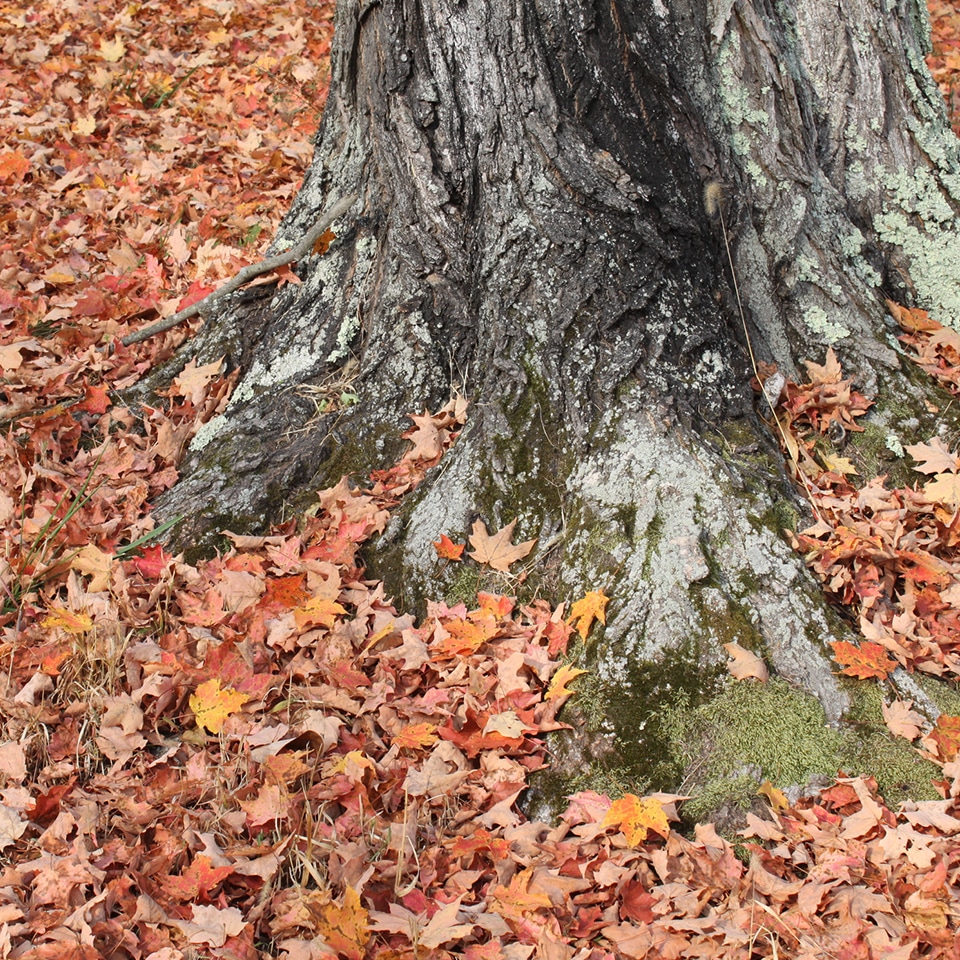
Leave All the Leaves Under the Tree
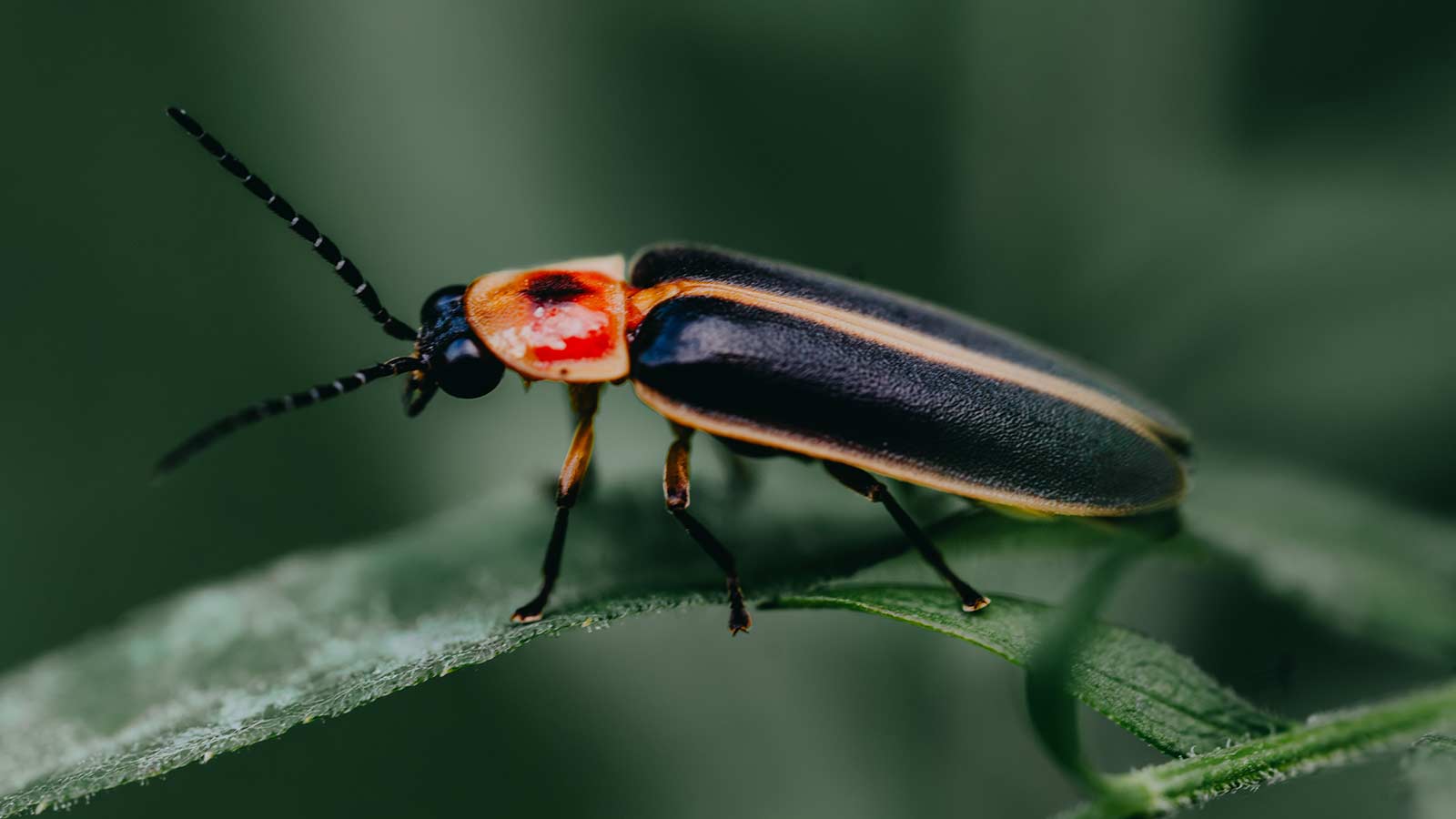
Fallen leaves are a tree's favorite food! They are also home to many beautiful creatures, including the Luna Moth and fireflies. Load up the area under the branches with leaves – you can place them on top of the mulch.
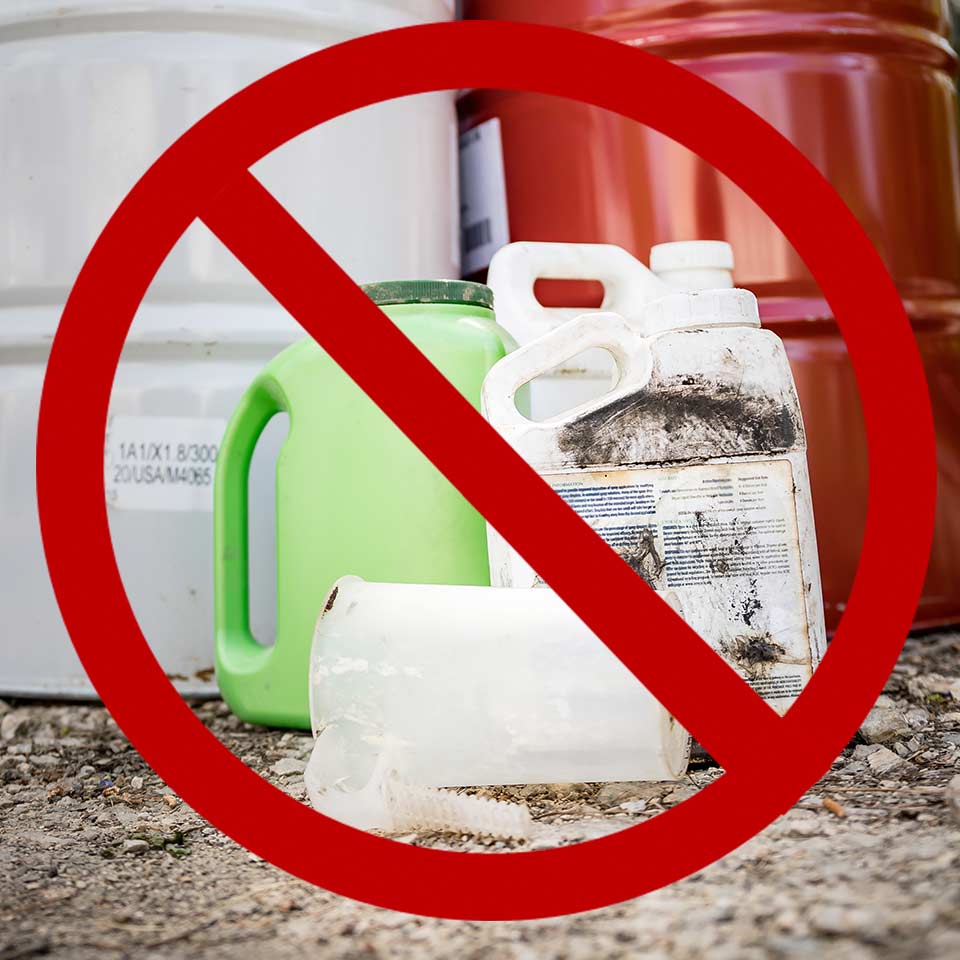
Skip the Fertilizers
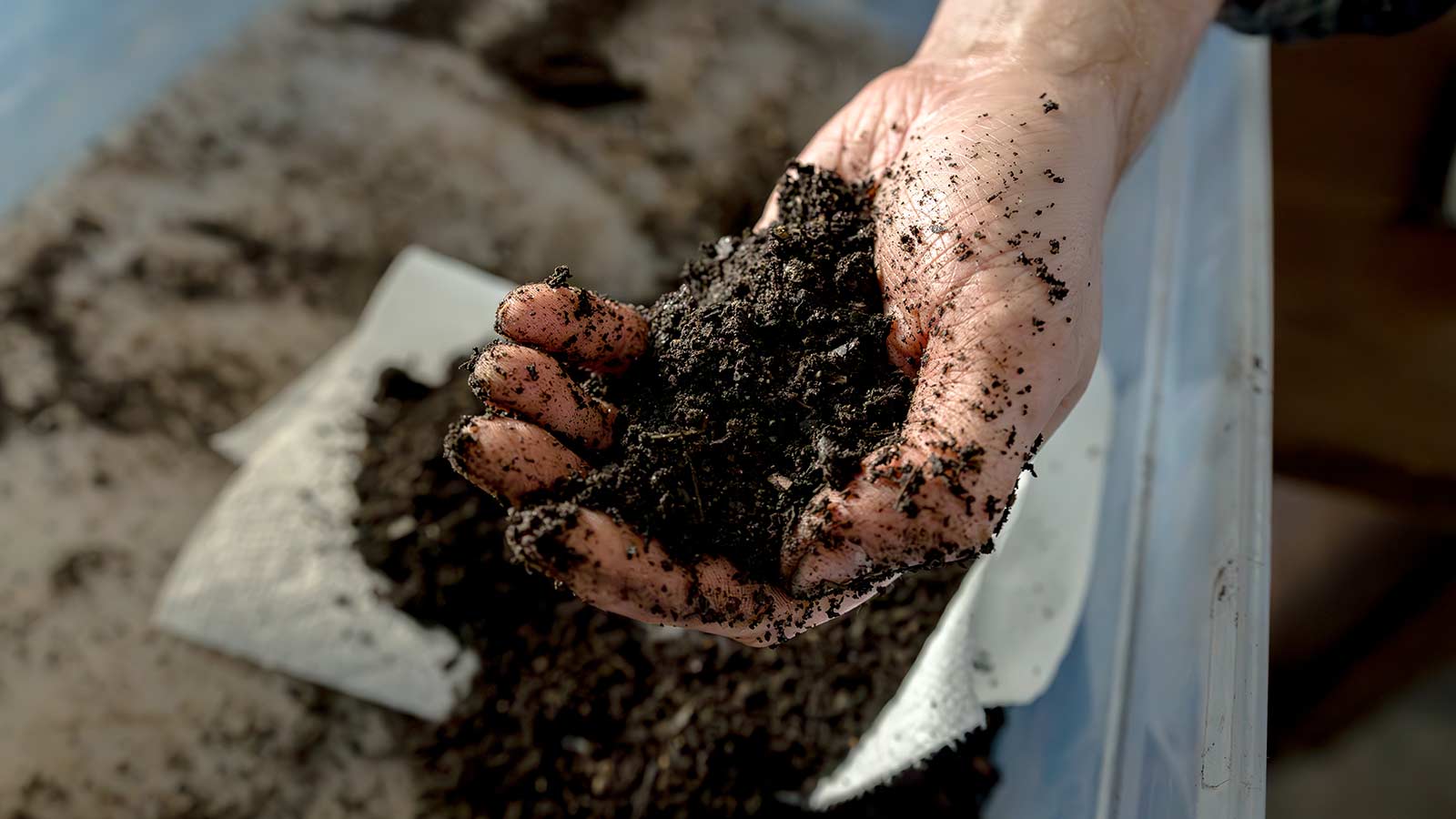
If it comes in a bag, box, or bottle, it's probably hurting your tree and wasting your money. Trees prefer leaves and mulch. If you want to add a product, add compost. Along with the other two, compost forms the trifecta of favorite tree foods. Any form of compost will do.
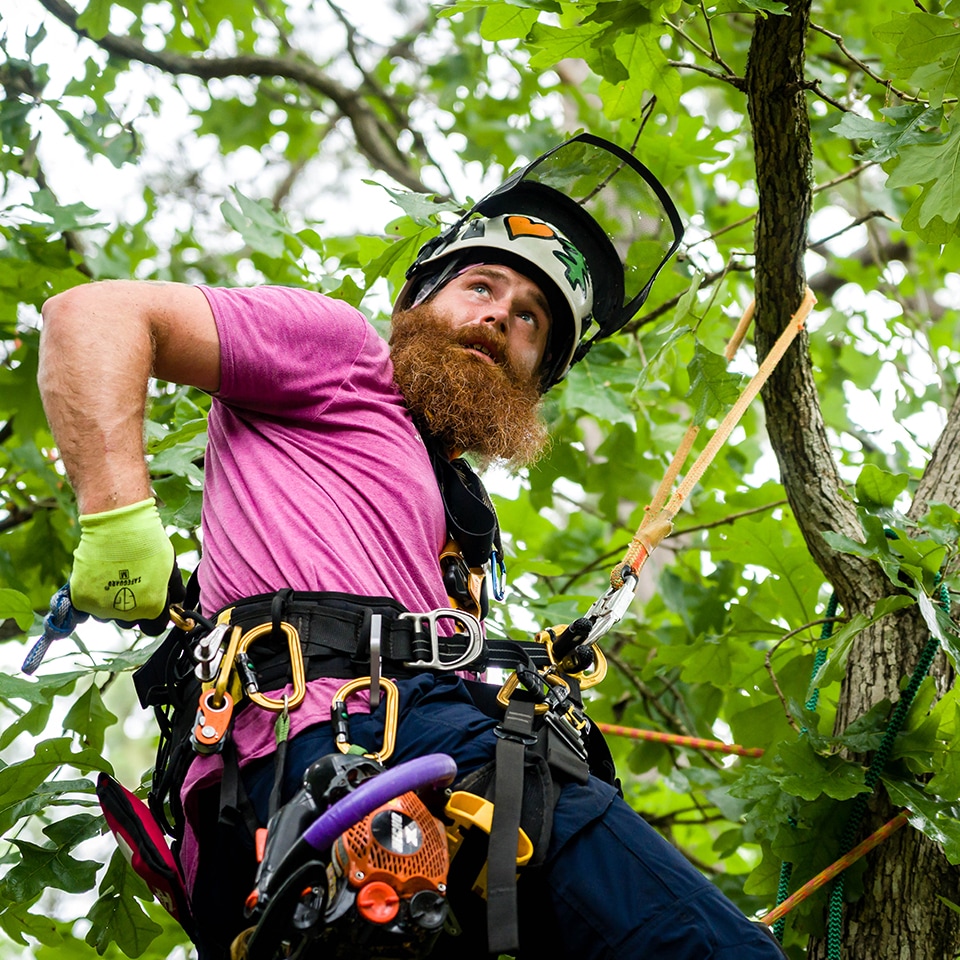
Prune for Strength, Not Just Beauty
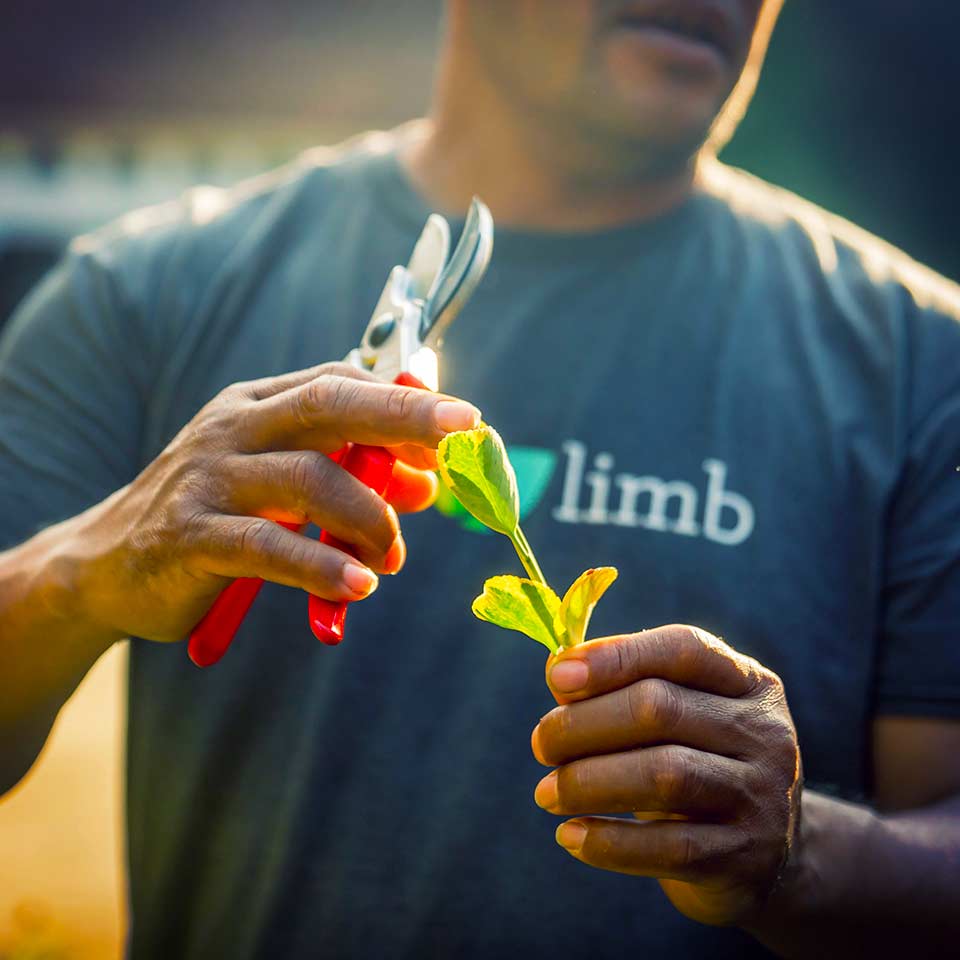
Of course, we all want our trees to be ridiculously good-looking! But what a tree really needs is greater strength to withstand severe storms. There is a method of pruning called "structural pruning" that does exactly this – it makes them stronger.
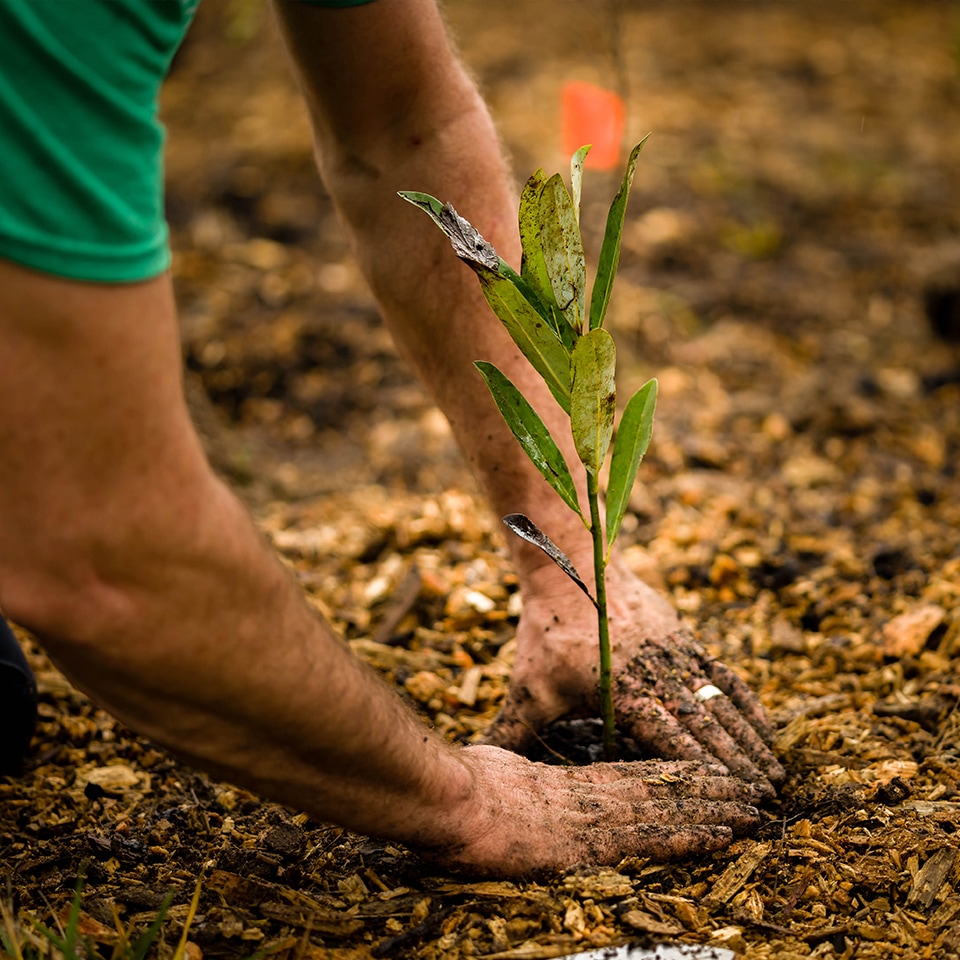
Plant Native Trees and Shrubs Nearby
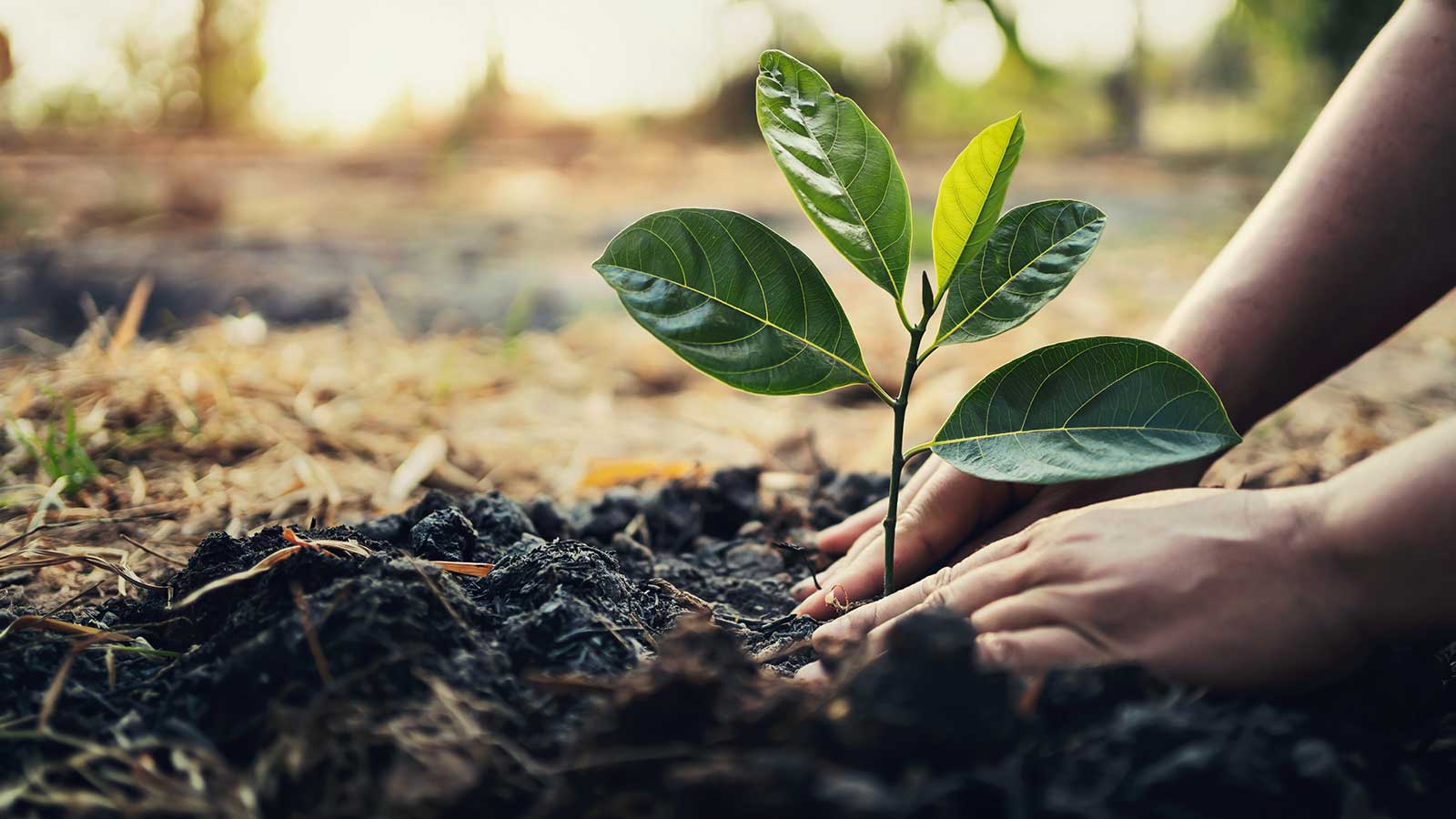
Your tree would love some friends! After all, they originally come from forests where trees happily grow in diverse communities, sharing nutrients with one another underground. Plant them small and young; a sapling is cheap, resilient, and will surprise you with how fast it grows!
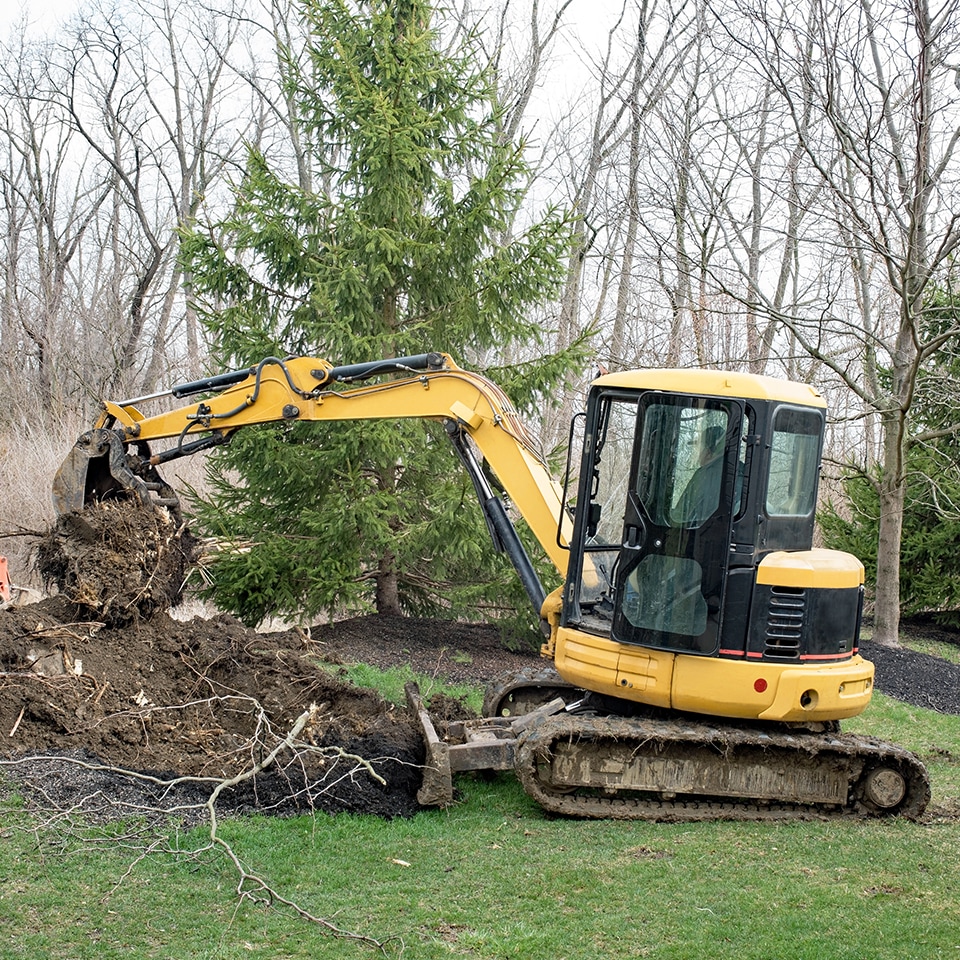
Keep Machines Away From the Roots
Digging, trenching, or using heavy equipment under the canopy can severely wound or kill a tree, and the effects take years to appear. If construction is required, a good arborist can put a protection plan in place, which is the difference between your tree dying and thriving.
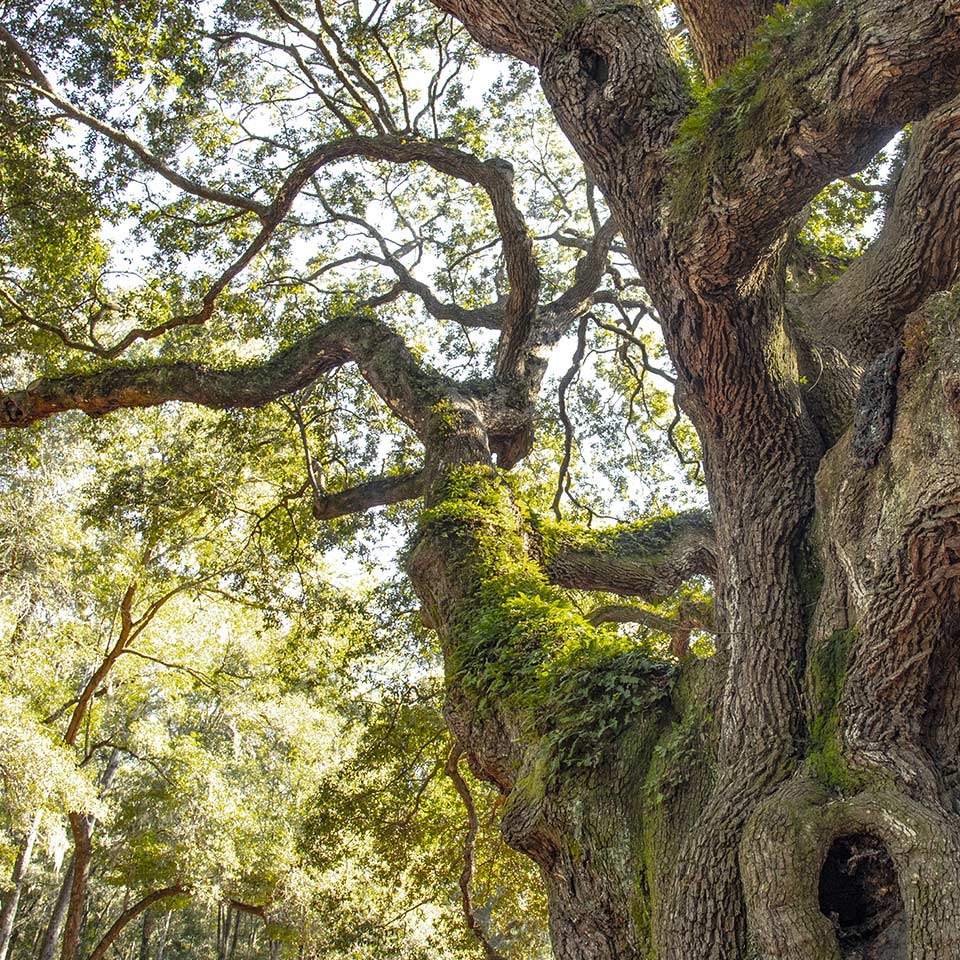
Don't Remove It!
If someone (including a tree service) tells you that your tree needs to be removed, get a second opinion – they are probably wrong! Most issues can be solved without removal. Fighting for your tree is one of the greatest acts of love you can show it.
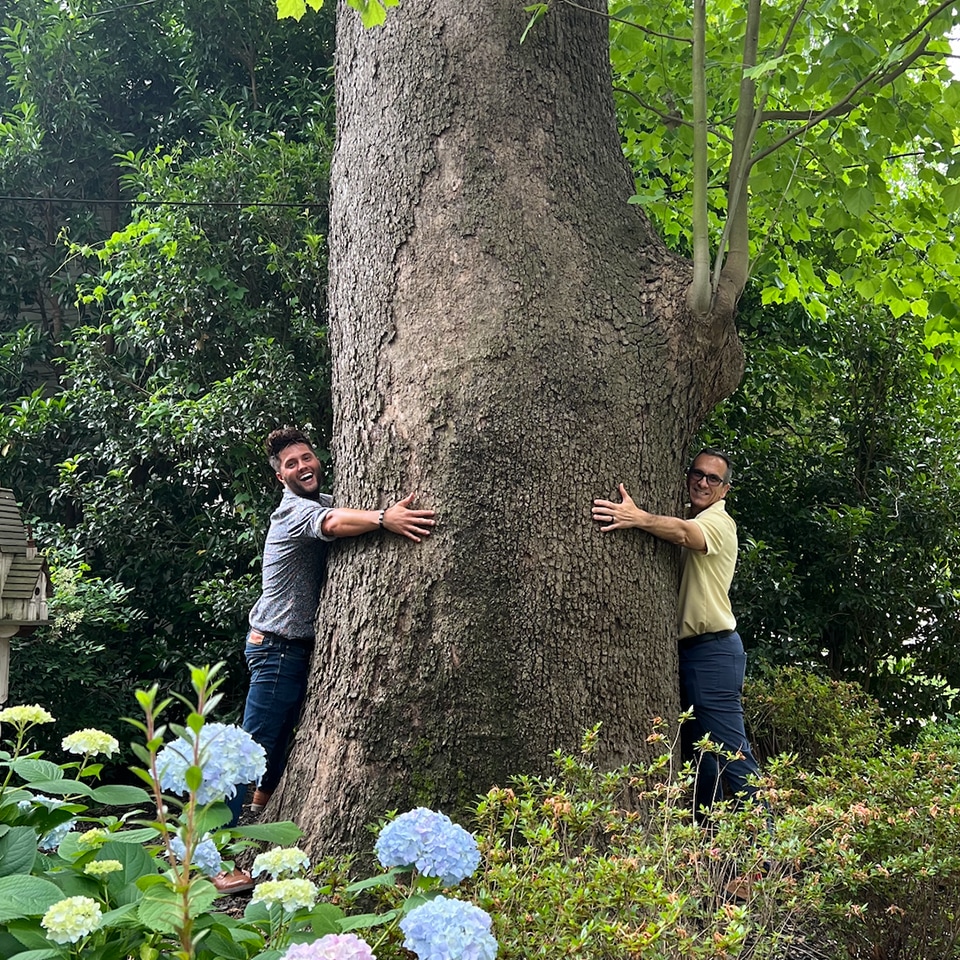
Spend Time With Your Tree
Grab a chair and a Spindrift, then find a shady spot to sit under your tree. Relax quietly and notice what's living there. It emerges slowly at first, but suddenly you will realize trees are beautiful and thriving with life in so many ways you may have missed before. If you only have time for one item, this is the place to start.
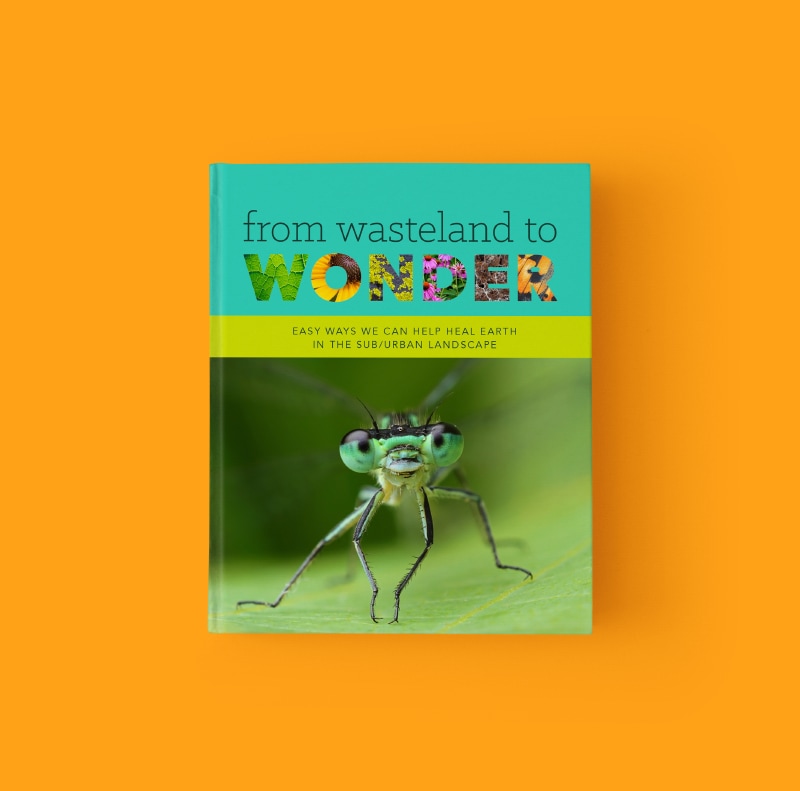
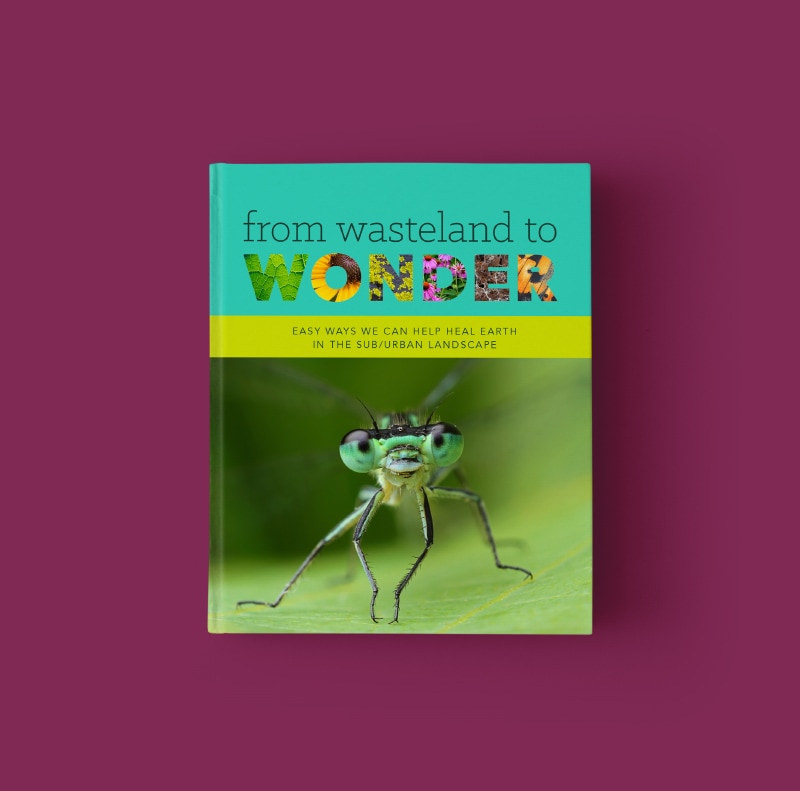
Give your tree some love and watch it grow happier by the day! If you want to learn more about this and other ways you can help create beautiful spaces thriving with life right where you live, check out our book From Wasteland to Wonder, which you can download for free.
Want to show your tree some love, but simply don't have the time?
We'd love to help. Send us a message and we'll book a free quote with one of our Treecologists.